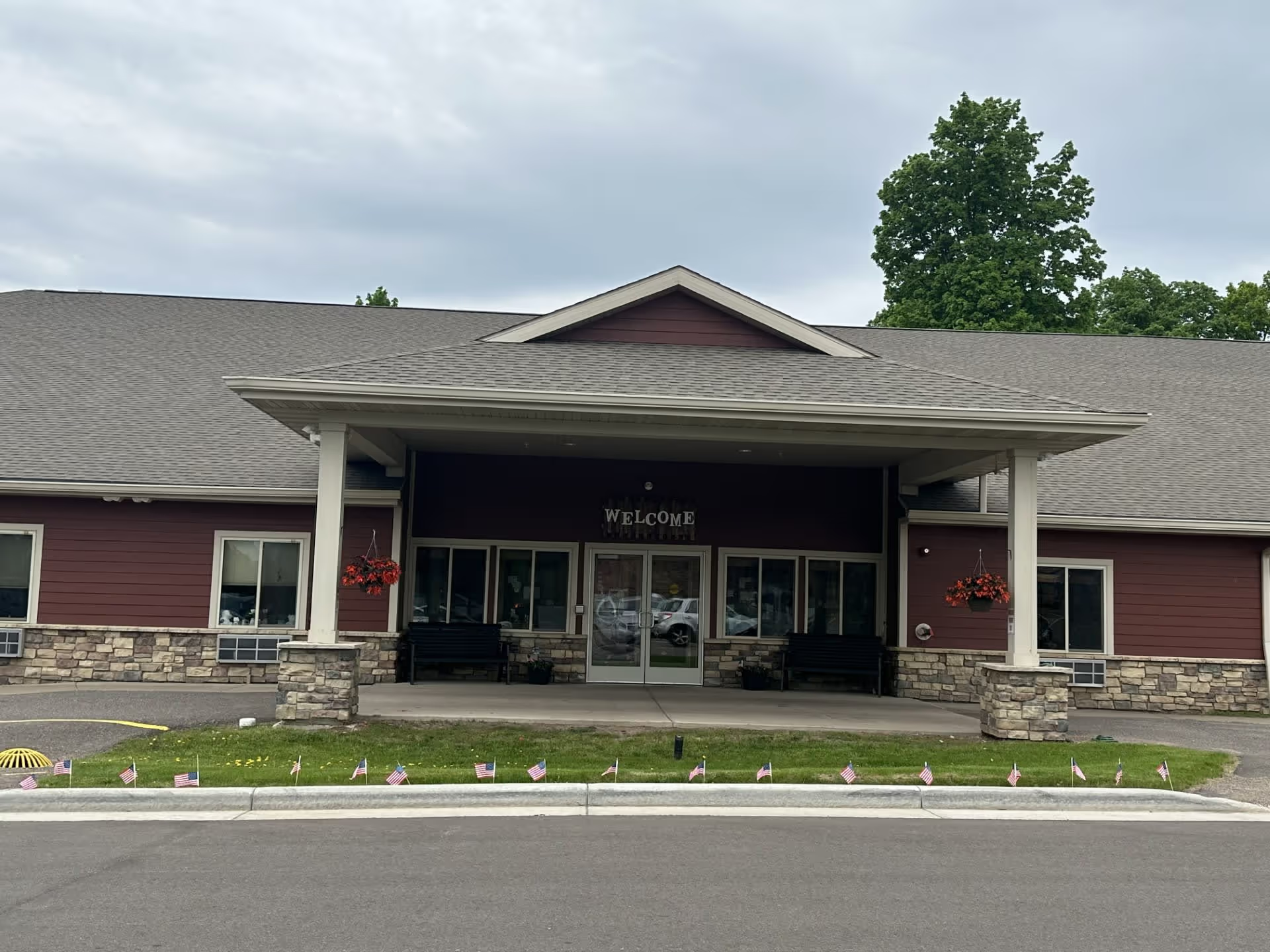
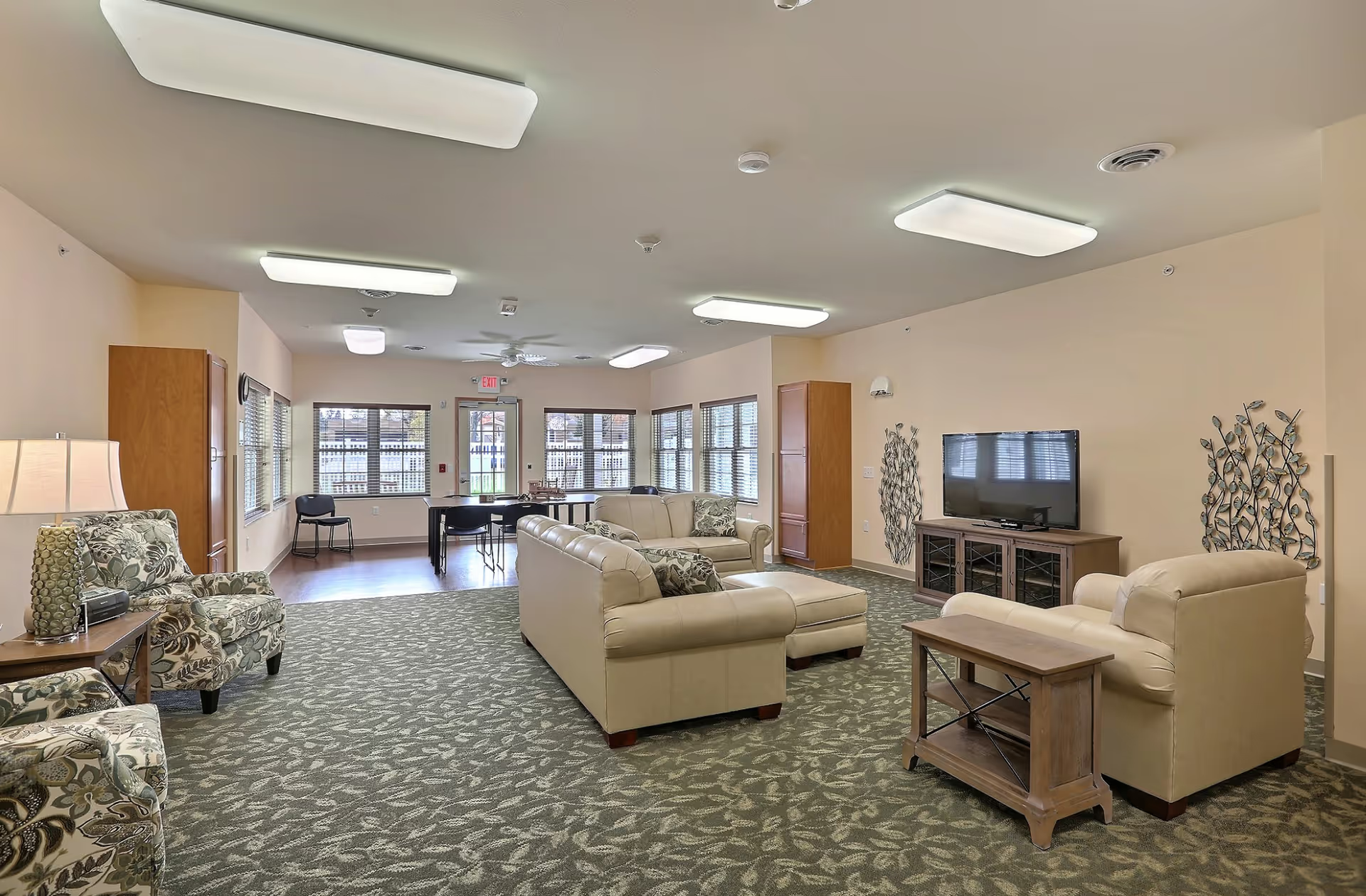
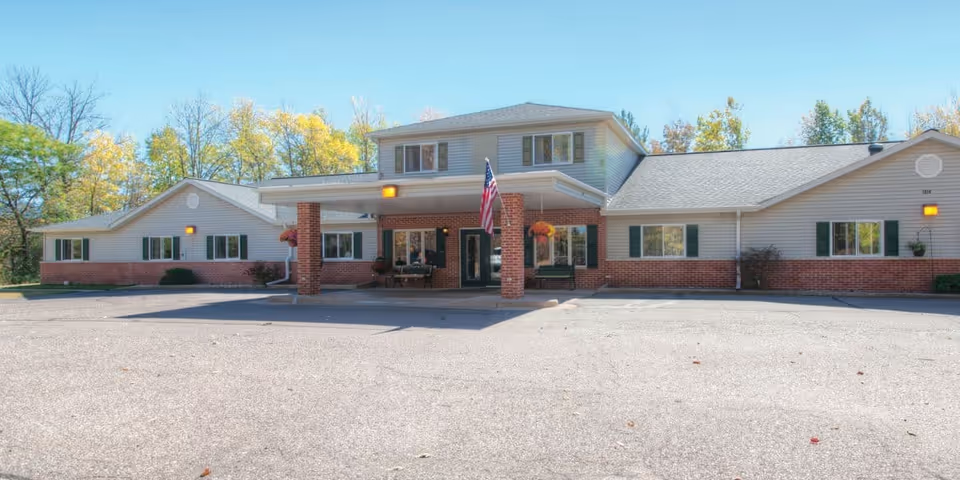
Lakeshore Assisted Living appears to combine some tangible strengths with a number of operational weaknesses that have a direct impact on daily care. Positive comments focus primarily on warm interpersonal interactions with individual employees and an attractive, well-kept setting. At the same time, reviewers describe patterns that suggest systemic issues in how care and facility services are organized and delivered.
Care quality and staffing are central concerns. Several reviewers noted persistent understaffing that limits routine interaction and supervision; this is linked to delays in response to resident needs and to limitations in social engagement. Medication-management practices were repeatedly cited as inconsistent, including instances where administration did not follow prescribed schedules or documentation gaps were apparent. While staff members were often described as friendly, there are also concerns about the tone and clarity of communication from some employees and occasional difficulty obtaining clear answers from the team.
Dining and activity programming emerge as another area of mismatch between expectation and experience. Reviewers described food quality as overly processed and, in some cases, not tailored to adult dining preferences. The facility’s activity and social-engagement offerings were not highlighted as robust; reviewers indicated limited interaction and engagement opportunities for residents, which may relate to staffing levels and programming priorities.
Facility infrastructure and maintenance problems were reported across multiple areas. Specific operational issues include malfunctioning or unreliable resident call systems, intermittent plumbing and sanitation problems, inconsistent heat control, and weaknesses in communications infrastructure (Wi‑Fi, telephone, and cable services). Accessibility at primary entrances is limited, which could present mobility barriers for residents and visitors. These issues point to gaps in routine maintenance and facilities management.
Management and governance patterns were also raised as notable. Reviewers referenced frequent ownership changes and a lack of regular onsite administrative presence, creating a perception of managerial instability and limited avenues for open dialogue. That dynamic, coupled with the operational problems already described, contributes to a recurring discrepancy between advertised levels of care and the day-to-day experience reported by families.
In summary, the facility appears to offer a pleasant setting and several staff members who interact positively with residents, but systemic weaknesses in staffing, medication processes, dining quality, maintenance, accessibility, and communication reduce overall reliability. Prospective residents and families should verify current staffing ratios and medication protocols, test resident-call systems and communications infrastructure during a visit, review recent inspection records or corrective-action plans, and sample the menu and activity schedule to assess whether the facility’s present operations meet their expectations.