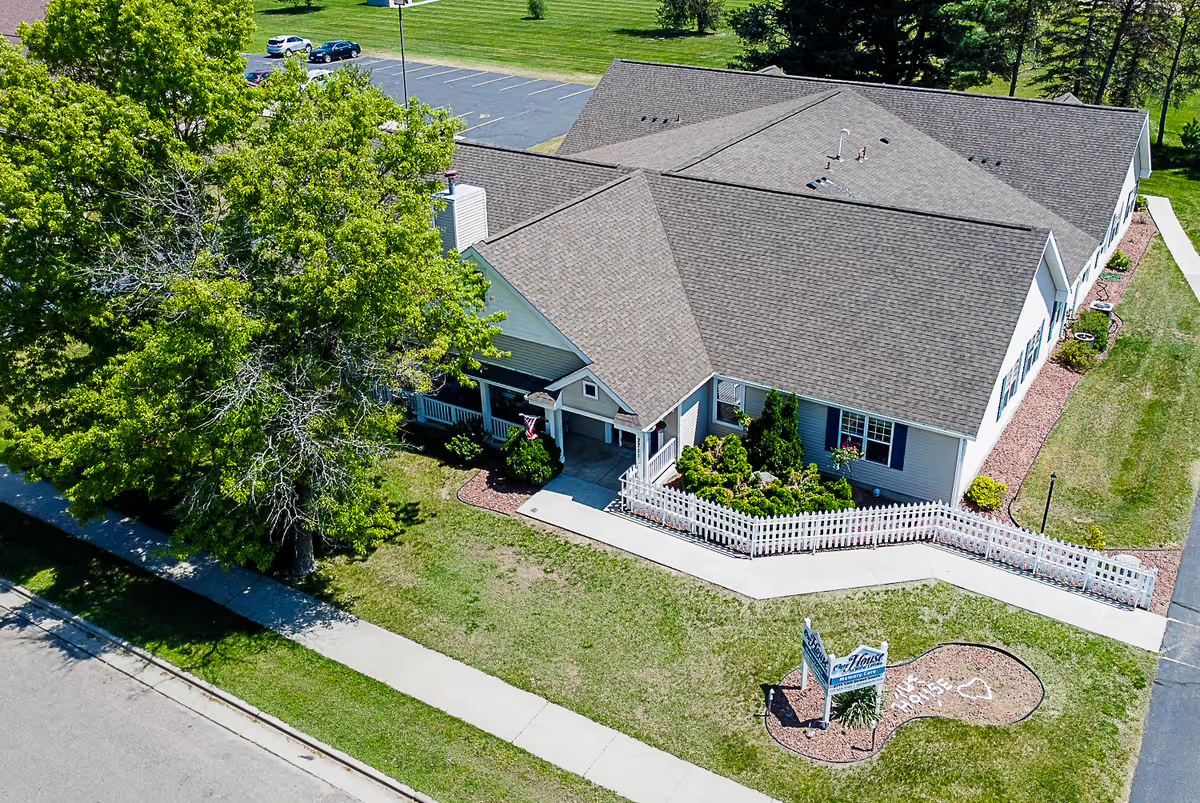
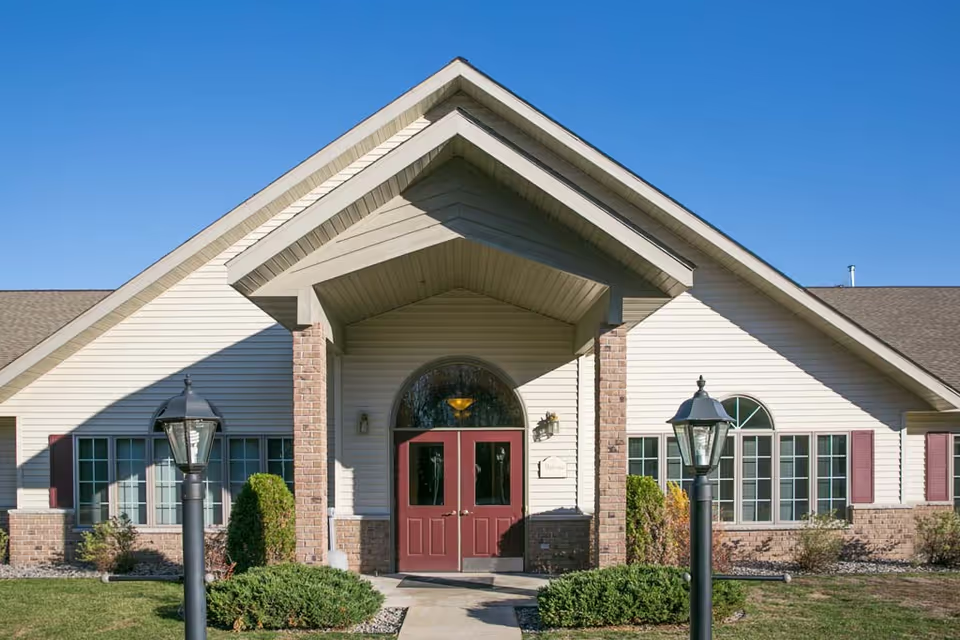
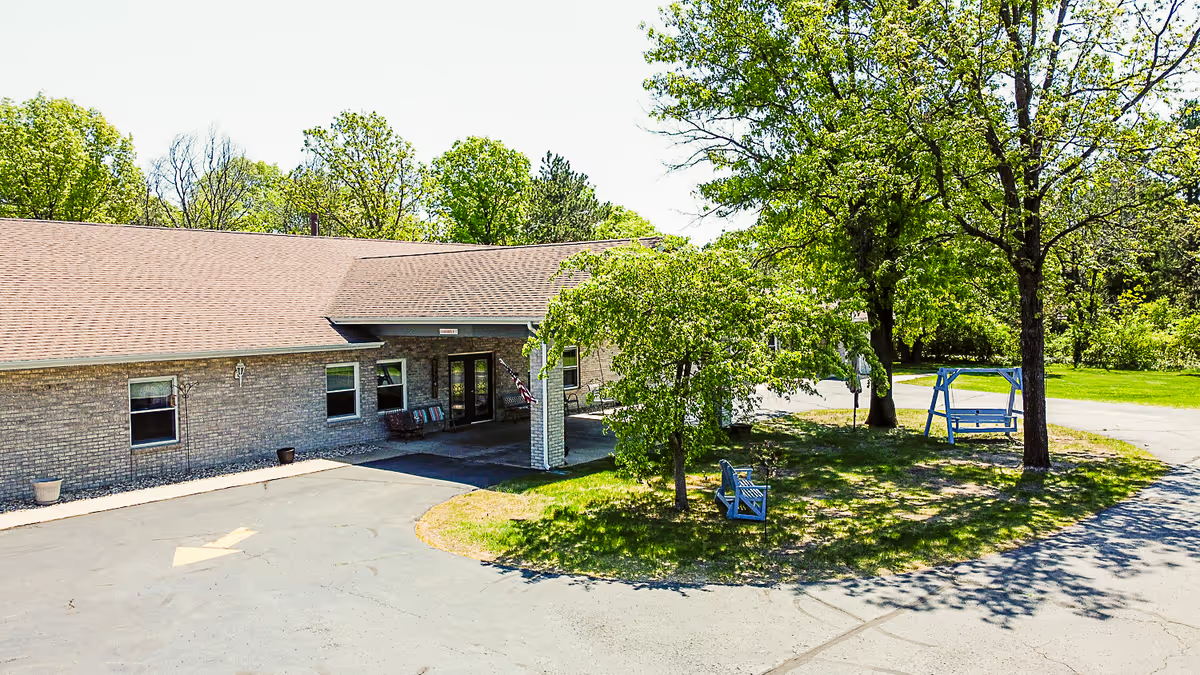
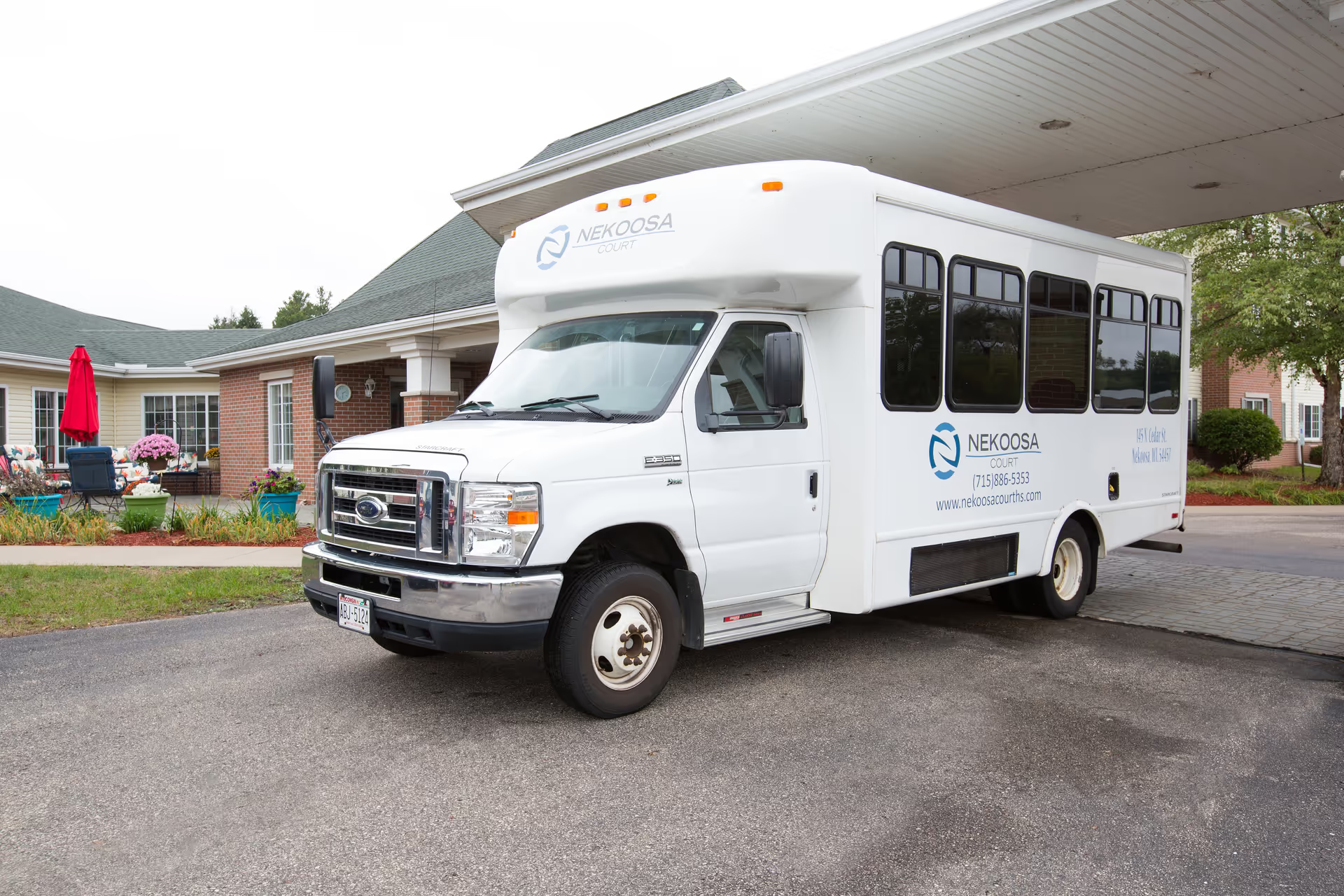
The reviews indicate a mixed overall picture of care at the facility, with a substantial number of families describing positive experiences alongside reports of significant operational shortcomings. Many reviewers praised the front-line staff for being caring, helpful, and attentive, and several noted clean, spacious rooms and a homelike atmosphere. Those positive accounts describe effective nursing care, frequent family communication, and a sense that the facility is well managed and secure.
At the clinical level there are conflicting signals. Positive feedback highlights competent nursing care and appropriate handling of complex needs, but negative accounts point to systemic issues such as medication-management inconsistencies and inadequate wound-care follow-up that have led to elevated blood-glucose readings, infections, and hospital transfers in some cases. Reviewers also raised concerns about therapeutic decisions (for example, texture changes ordered by clinicians) that were not always successfully implemented for individual residents. Taken together, these items suggest variability in clinical oversight and in adherence to care plans.
Staffing and responsiveness are similarly mixed. Many families described friendly, compassionate caregivers who kept them informed; others described delays in responding to calls, slow reaction during acute events, and instances of apparent staff incompetence. This pattern suggests uneven staff training or supervision, with some shifts or teams performing well while others fall short of expectations. Communication gaps with attending physicians and families were another recurring theme that can complicate care coordination.
Dining and activities received less consistent commentary but a few reviews highlight difficulties with therapeutic feeding approaches and meal acceptance after diet texture changes. There is limited information about social or recreational programming in the available summaries, so prospective families should ask directly about activity schedules and resident engagement during a tour.
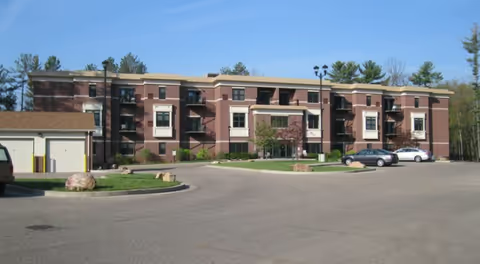
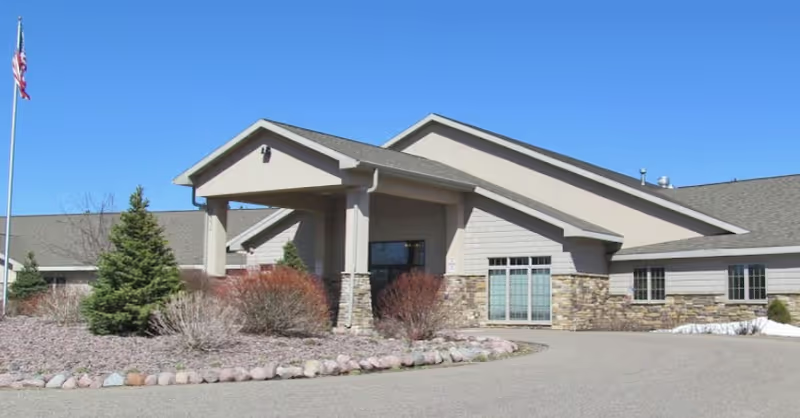
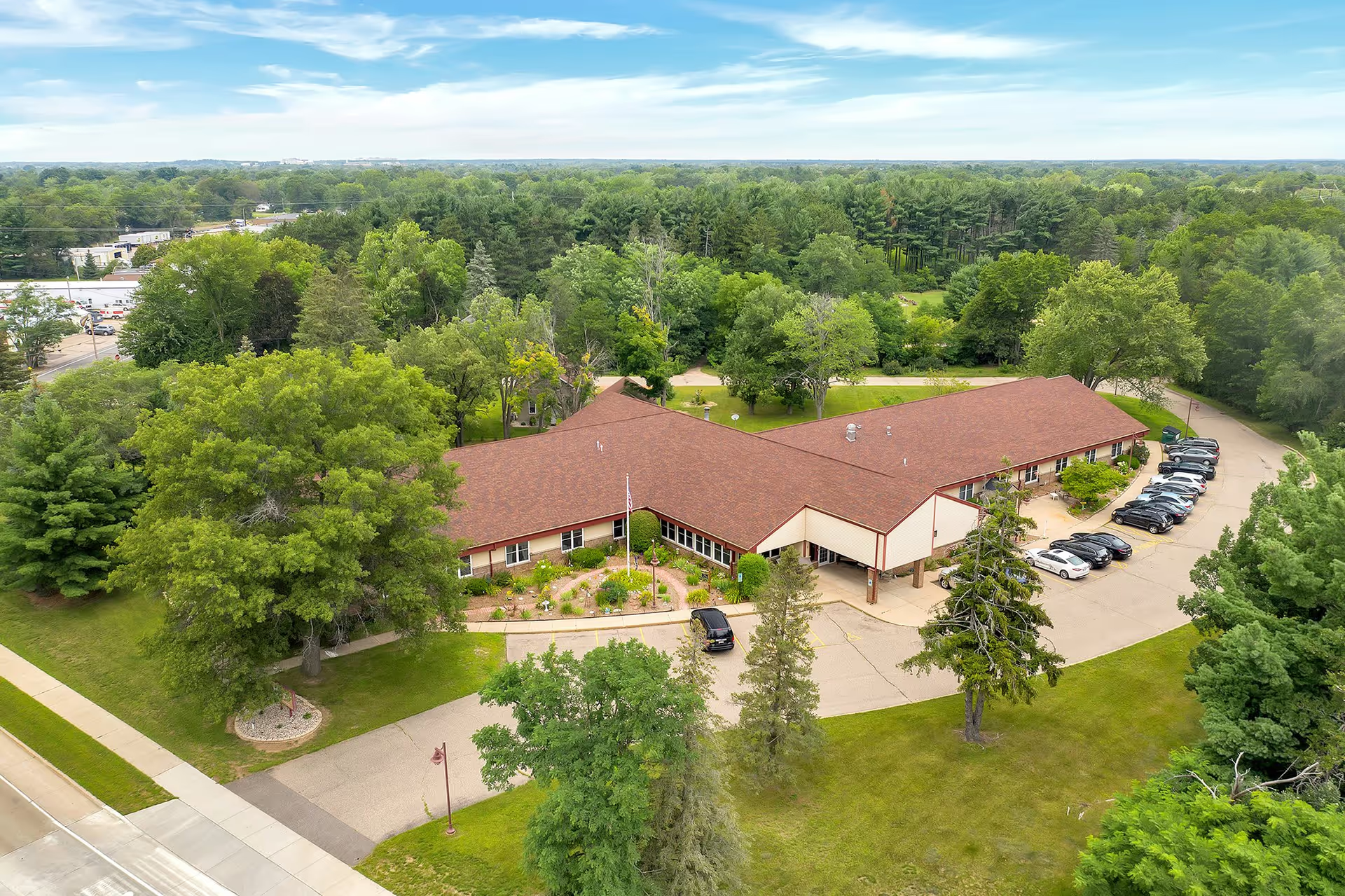
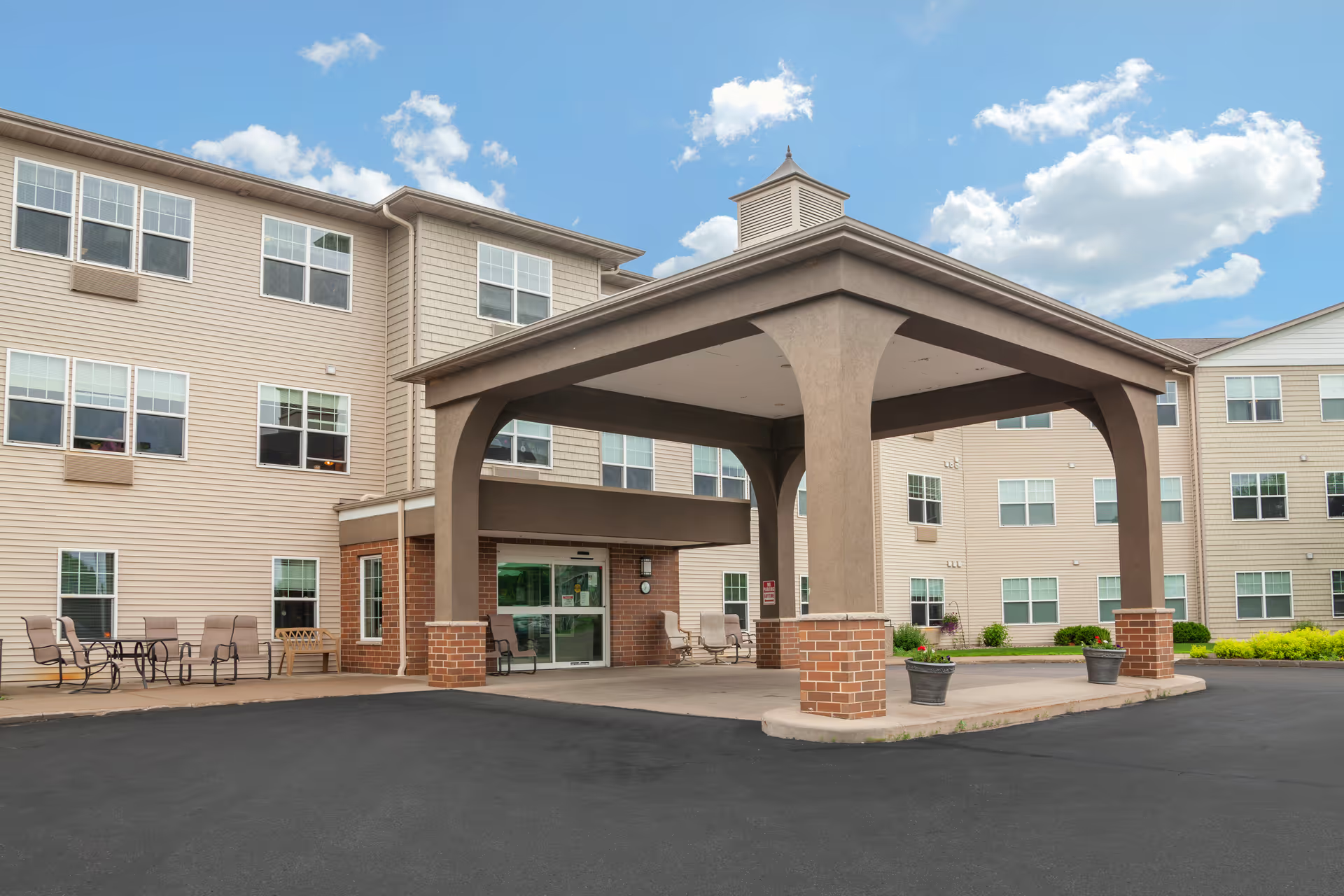
Facility condition and management impressions are also split. Several reviewers described clean, well-maintained rooms and an overall feeling of comfort and security, while others described dated equipment, dim lighting, and areas that appeared aged or in need of renovation. A small subset of comments raised sanitation and personal-care inconsistencies. Cost concerns were raised by some families who felt the service level did not match the price.
Notable patterns: the facility appears capable of delivering high-quality, compassionate care, but that performance is not uniformly consistent across all residents or shifts. Key operational areas to clarify during a visit are medication-management protocols, wound-care and infection-control procedures, emergency response times, hospice and end-of-life options, dining/therapeutic-feeding practices, and staffing/training measures. Prospective residents and families may benefit from targeted questions, review of clinical policies, and in-person observation at different times of day to assess variability in staff performance and facility condition.