The reviews present a polarized picture of care at this facility, with distinct clusters of positive and concerning themes. Many families described attentive, kind employees who helped new residents settle quickly, facilitated social connections, and organized family-oriented activities. These accounts highlight a warm interpersonal environment for some residents: staff who become close companions, successful social integration, and occasional events such as family picnics that support resident engagement.
At the same time, a set of significant operational concerns appears repeatedly. Staffing levels are a primary issue: reviewers describe high patient-to-staff ratios and overworked CNAs, which respondents link to delays in basic assistance and limitations on hands-on care. Several reviewers also raised concerns about staff conduct and tone, citing instances of rudeness from specific clinical leaders and nursing staff. A few families raised allegations of medication mishandling and improper disposal; more broadly, comments point to medication-management gaps and inconsistent clinical oversight.
Clinical services and rehabilitative care show mixed feedback. While some residents received attentive clinical care and support, others reported limited access to physical therapy and constrained rehabilitation resources. This variability contributes to an uneven picture of clinical outcomes, particularly for residents recovering from surgery or needing more intensive therapy.
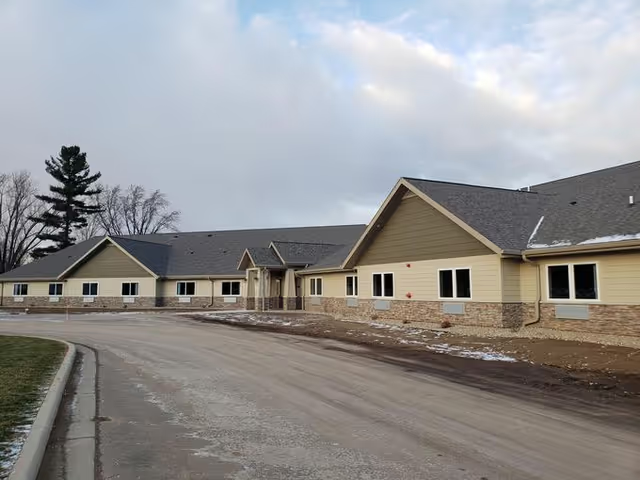
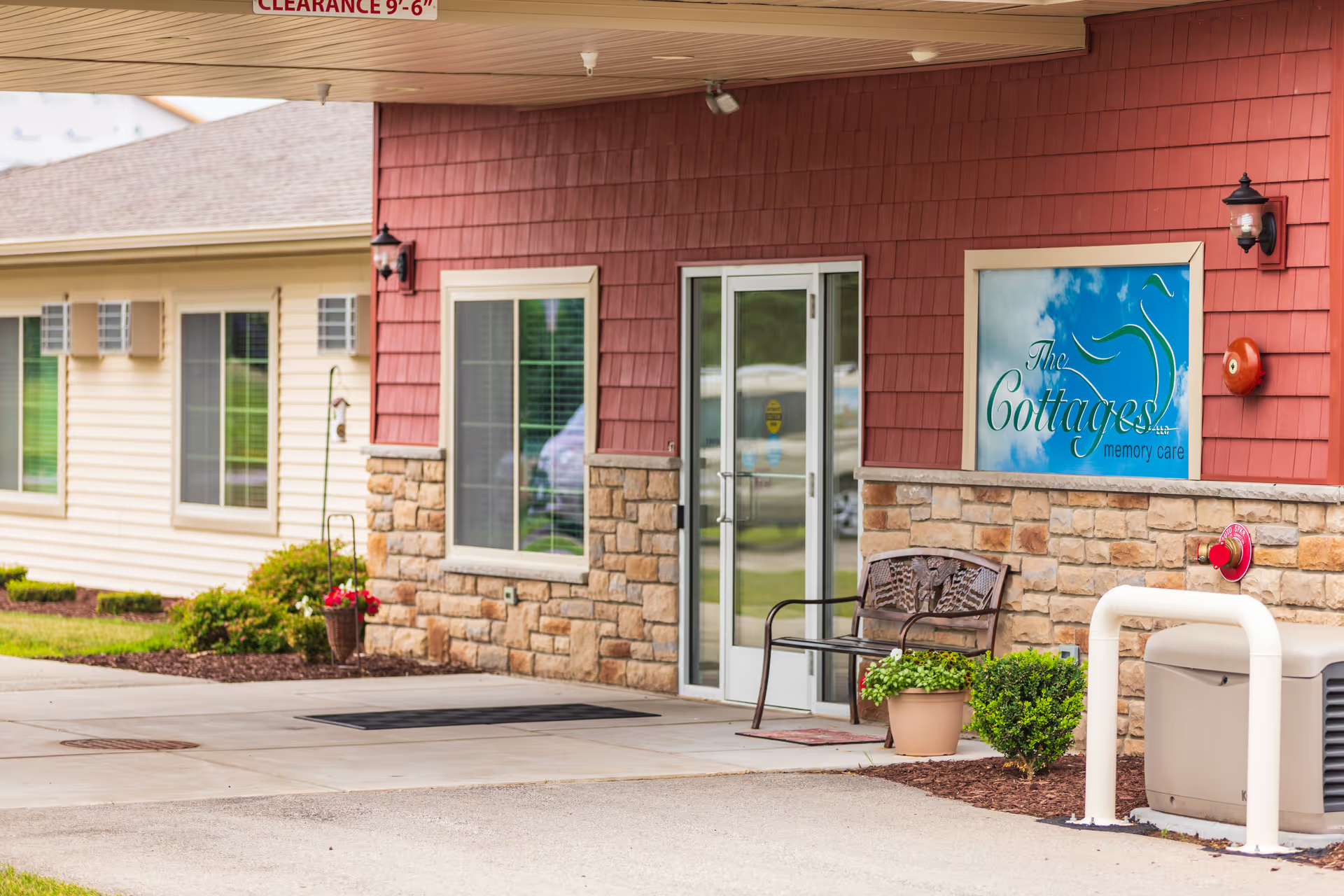
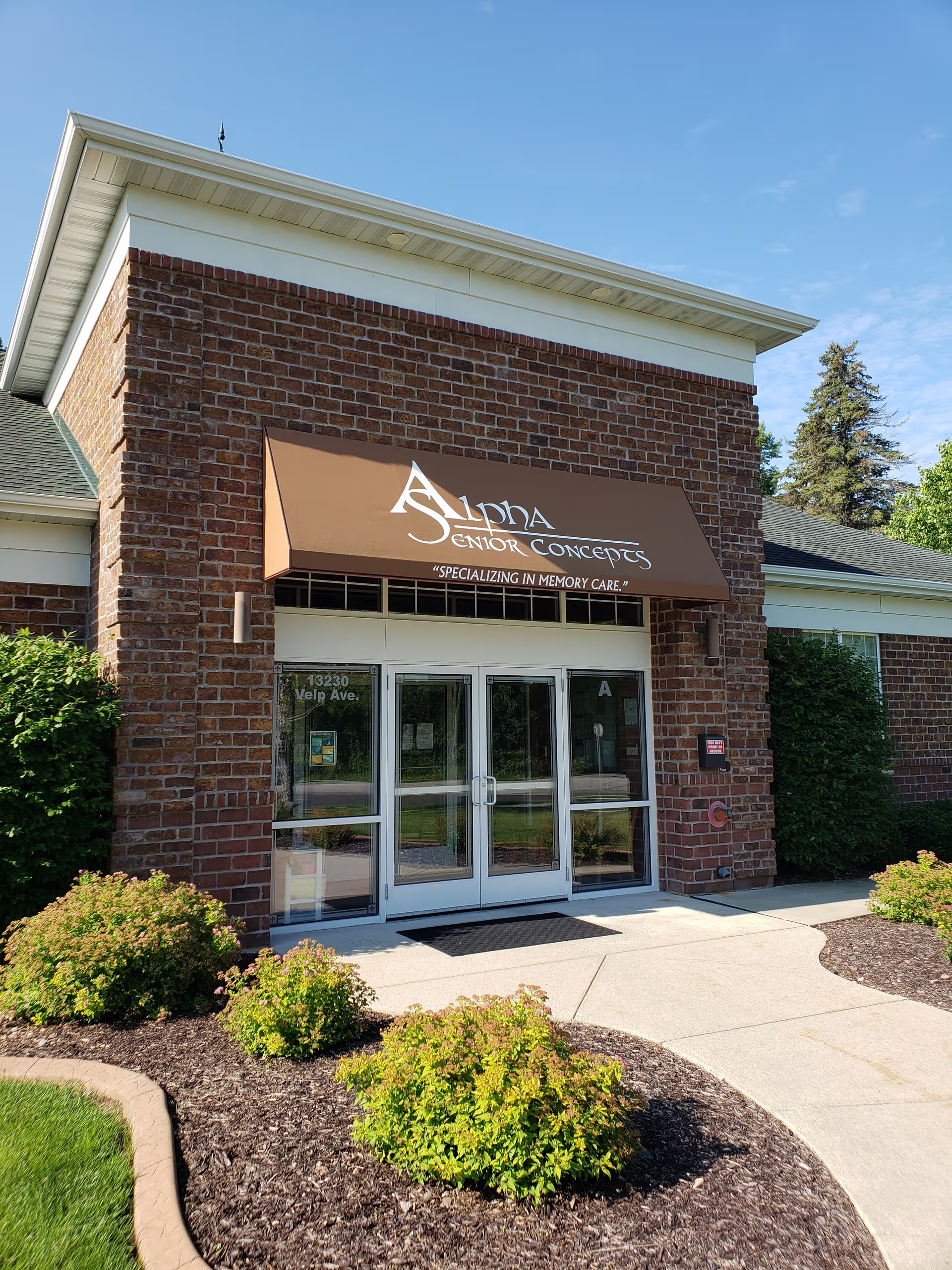
Dining and facility-condition feedback is limited in these summaries. Where facility features are noted, reviewers mention pleasant social areas and staff-led events, which suggests some capacity for community engagement, but there is insufficient detail to assess meal quality, menus, or physical plant consistently.
Management and leadership are another area of contrast. Positive interactions with front-line employees coexist with criticisms of departmental leadership and perceived lapses in responsiveness. Concerns about trustworthiness and reliability of certain staff members amplify family apprehension when clinical problems arise. These management issues appear tied to staffing patterns and to inconsistent enforcement of care protocols.
Notable patterns for prospective residents and families: experiences range from strongly positive—residents who felt loved, supported, and socially integrated—to concerning, where staffing shortfalls and lapses in medication and clinical processes affected confidence in care. Families considering this facility should plan an in-person visit, observe staffing levels (particularly during peak care times), ask for specifics about medication-safety policies and therapy availability, and request recent inspection or quality reports. Direct conversations with current families and a review of care-plan oversight procedures will help clarify whether the facility’s strengths align with an individual resident’s needs.