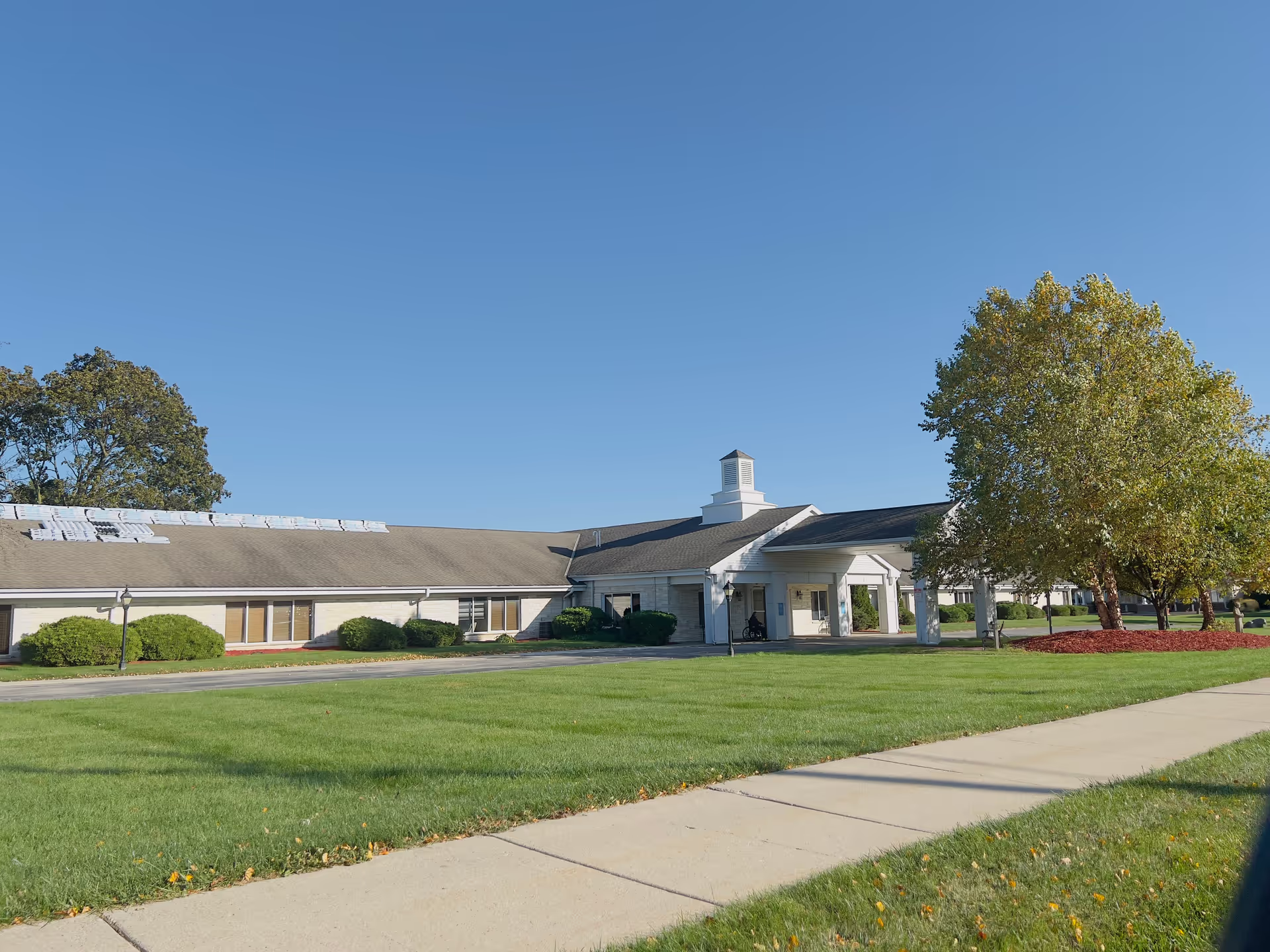
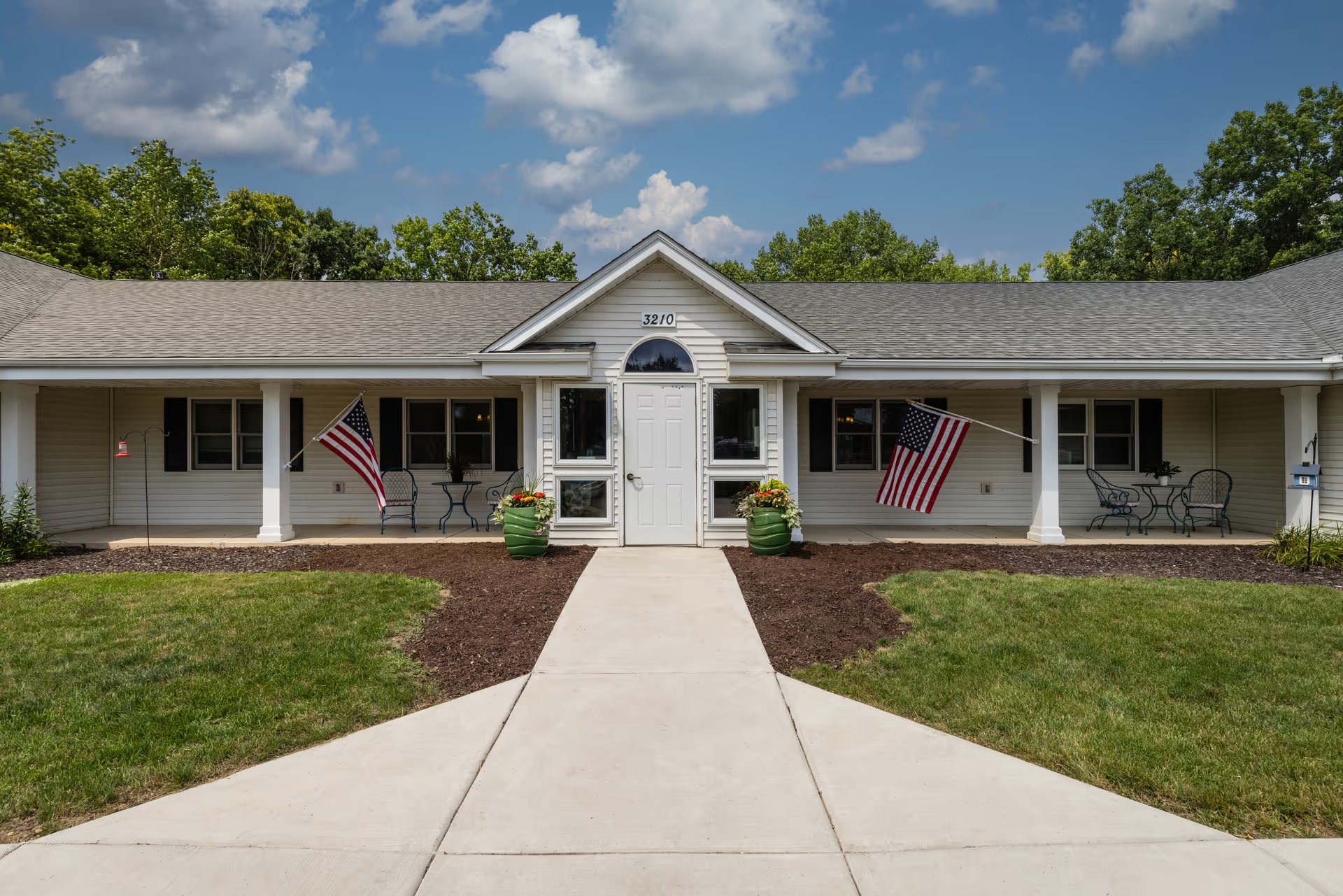
Franciscan Villa presents a mixed profile: many reviewers praise the facility’s physical environment, rehabilitation services, and the interpersonal tone of much of the staff, while others raise operational and clinical concerns. The site is consistently described as clean and well maintained, with modern, roomy private apartments, on-site amenities such as a chapel, salon, and library, and a visible emphasis on spiritual care. Rehabilitation and therapy services earn regular commendation for effectiveness and prompt access, and housekeeping and dining staff are frequently described as warm and attentive.
Care quality descriptions are variable. Positive accounts highlight compassionate caregiving, attentive nursing and CNAs, and strong therapy outcomes for residents in short-term rehabilitation. However, a persistent theme is inconsistency in medication administration and timing, with families describing missed or delayed doses and variable pain-management practices. Several comments also point to slow responses to call lights and clinical needs, and to gaps in supervision for residents with cognitive impairment — issues that elevate fall- and wandering-related risks and require attention to care protocols.
Staffing and communication emerged as prominent operational patterns. Multiple reviewers cited chronic understaffing and turnover, which reviewers linked to longer wait times, uneven staff continuity, and variability in service delivery (mealtime assistance, toileting/bathing schedules, and therapy continuity). Conversely, many family members and residents singled out individual staff, admissions personnel, and therapy teams as helpful and family-oriented; this suggests a core of committed employees working within a strained staffing context. Communication from administration to families is often described as inconsistent, with examples of delayed callbacks, ride- or appointment cancellations, and limited transparency following adverse events.
Dining and activities are generally strengths, with many noting nutritious, customizable meals, accommodating kitchen staff, and a robust activities calendar that includes outings and entertainment. At the same time, some residents experienced monotony or unmet dietary preferences, and others required encouragement to participate in activities — indicating variance in how programs engage different residents. Social spaces are appreciated, but a number of reviewers felt common areas are limited relative to occupancy, or that portions of the facility feel dated and in need of refresh.
Safety, oversight, and management issues are the most serious recurring concerns. A few reviewers described events that raised significant safety and compliance questions, including allegations of theft and subsequent regulatory action; other accounts raised concerns following a resident’s hospitalization and death and around infection-control practices during the pandemic. These reports point to opportunities for stronger oversight, clearer family communication following incidents, and tightened controls around resident property and medication processes.
In summary, Franciscan Villa offers many tangible strengths — clean, comfortable living spaces; well-regarded therapy and rehab; engaging activities; and numerous staff who families find compassionate and effective. Prospective residents and families should weigh these strengths against documented operational weaknesses: inconsistent medication and clinical response practices, staffing and continuity challenges, variable management communication, and occasional concerns about oversight and property controls. For families considering this facility, a focused tour that probes medication protocols, dementia-care staffing ratios, incident-response and family-notification practices, and examples of recent facility maintenance and infection-control audits will be helpful to assess fit and current performance.