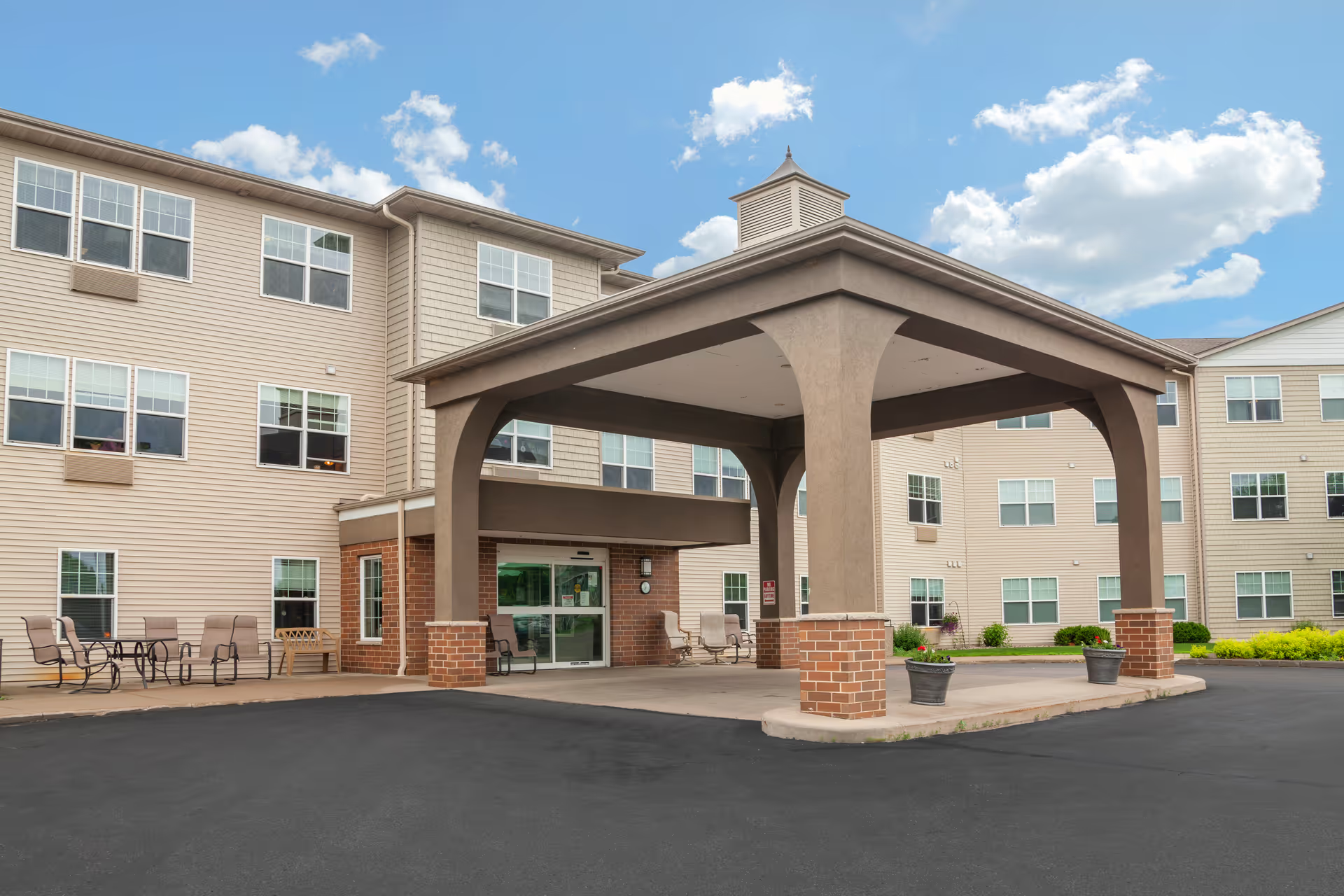
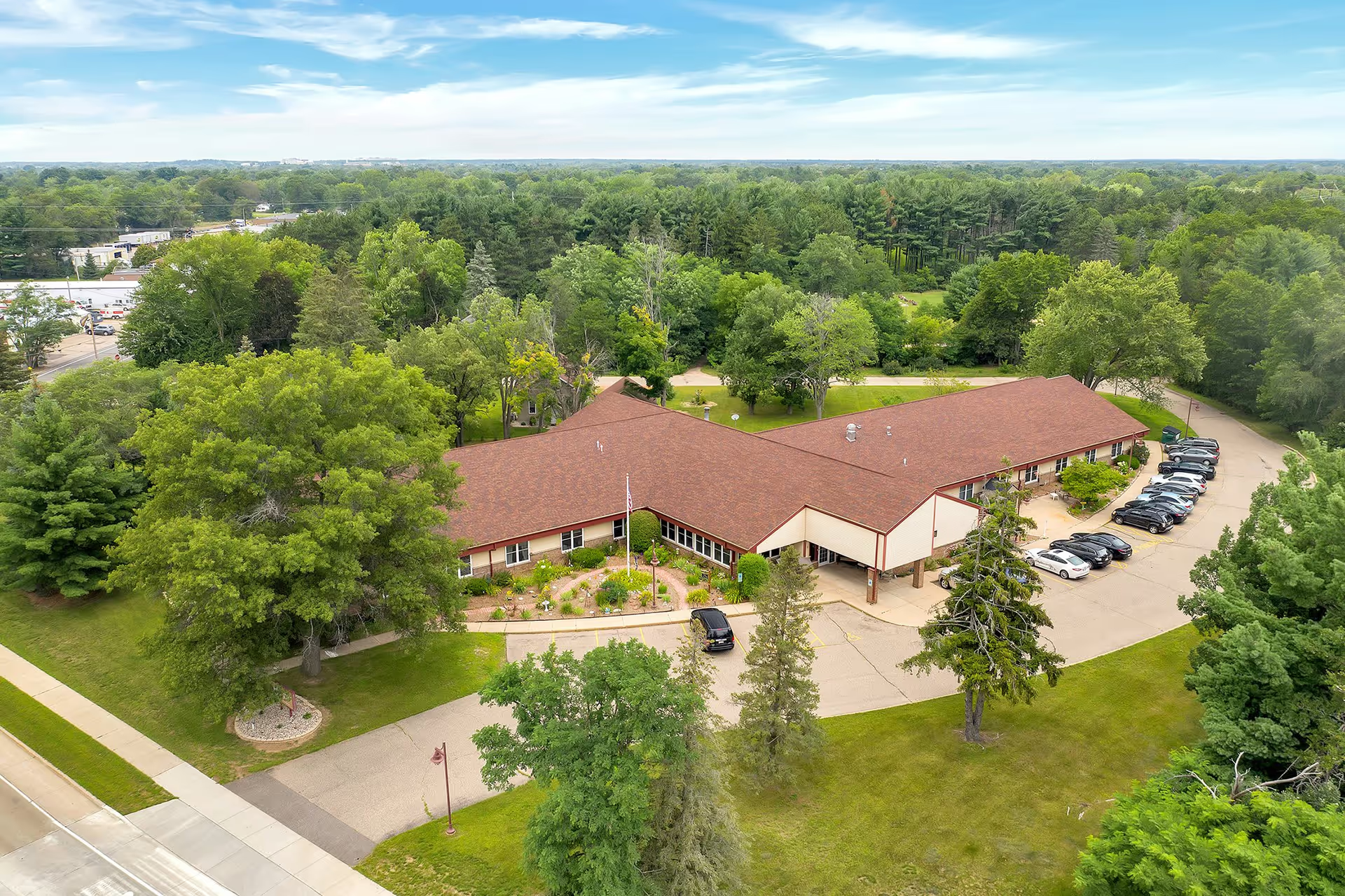
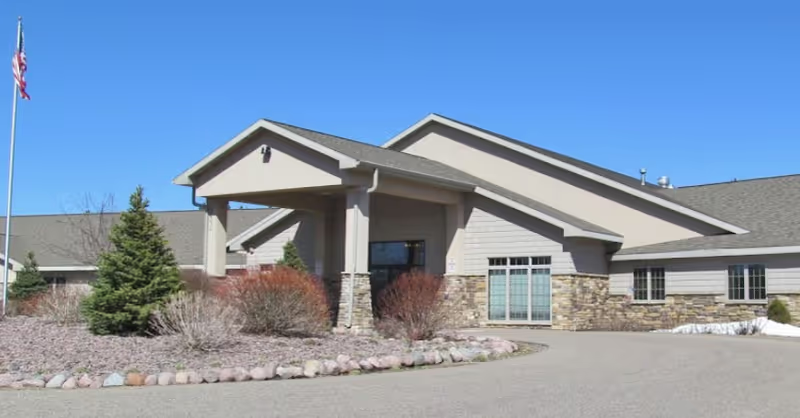
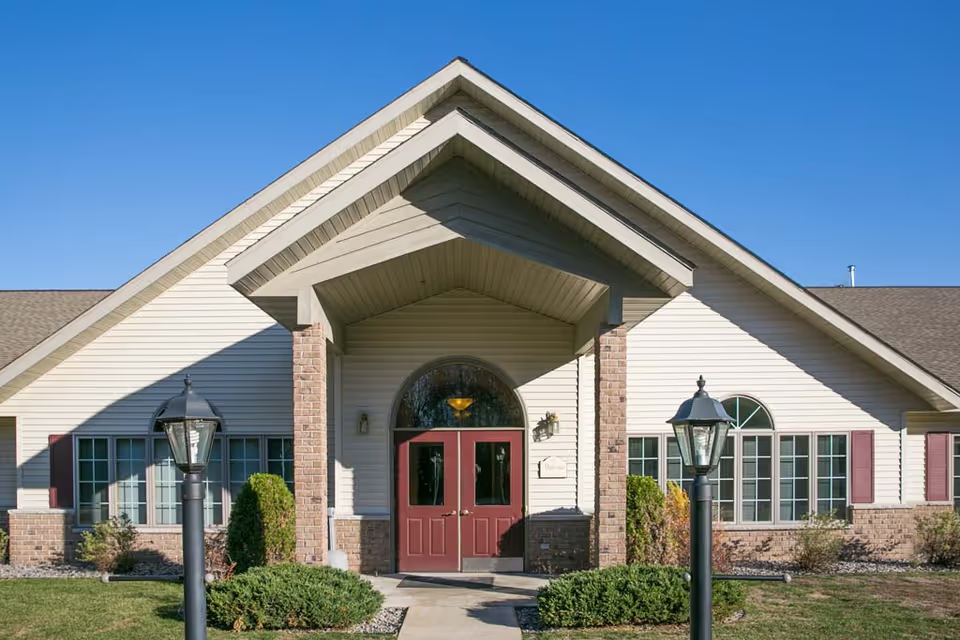
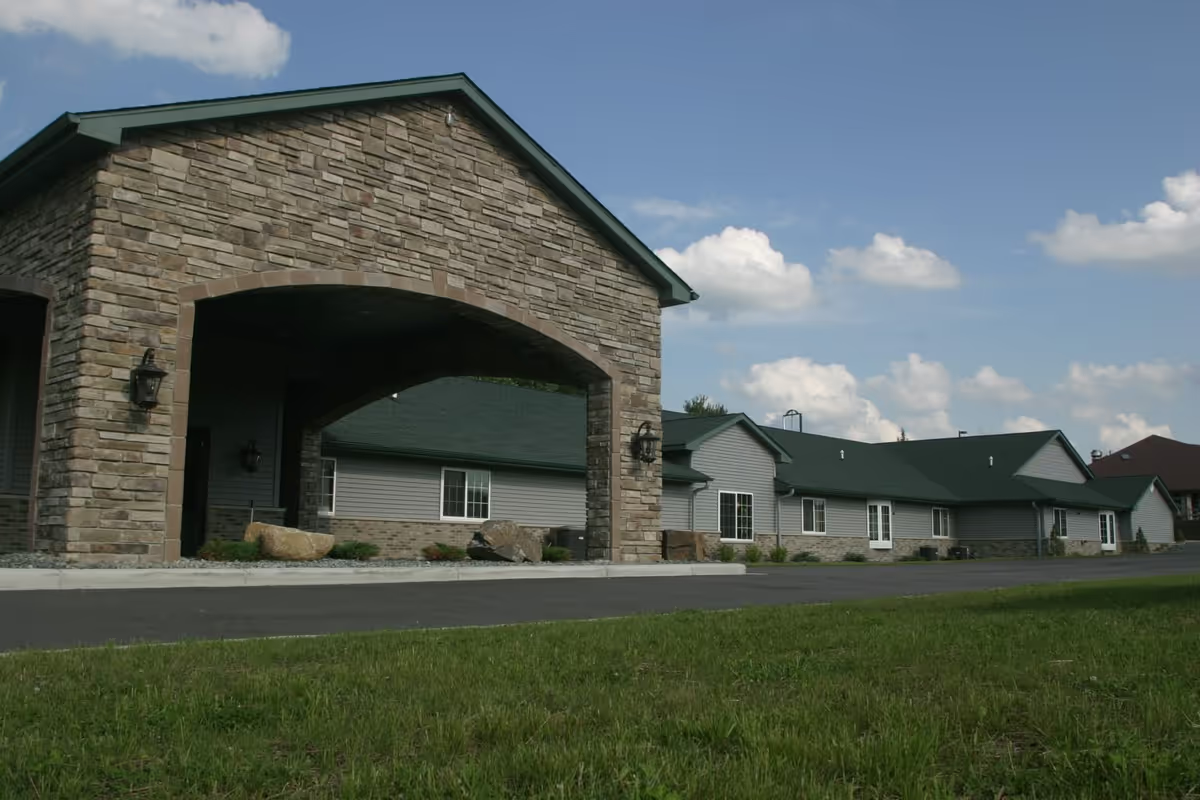
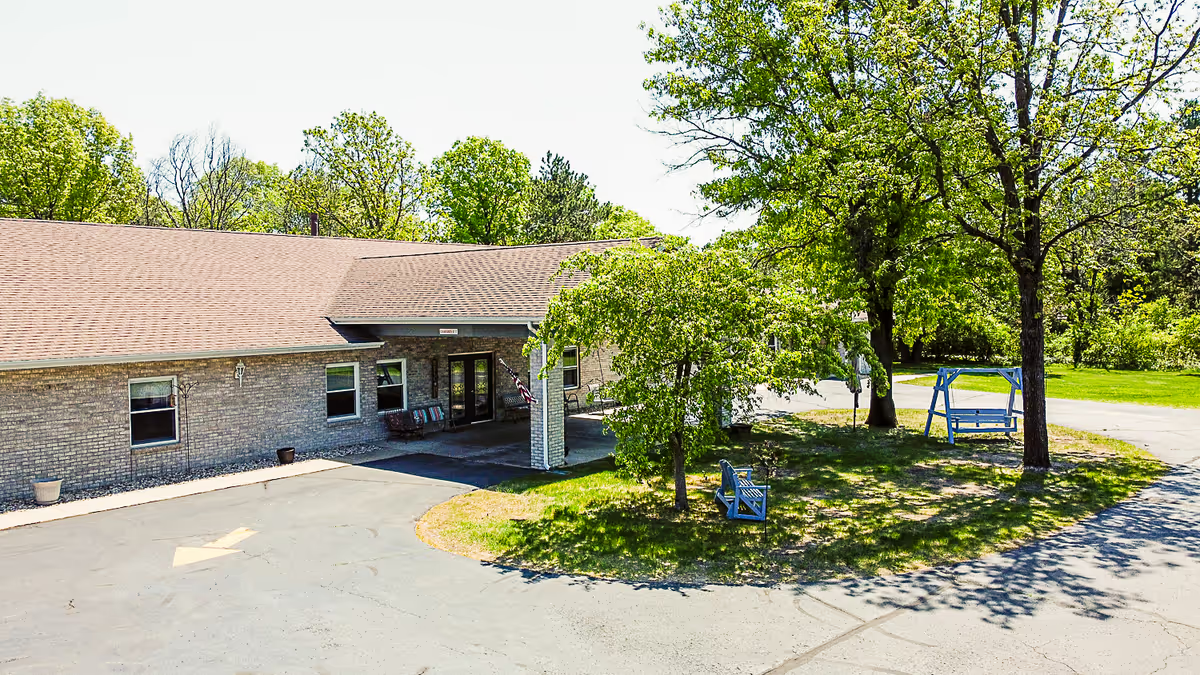
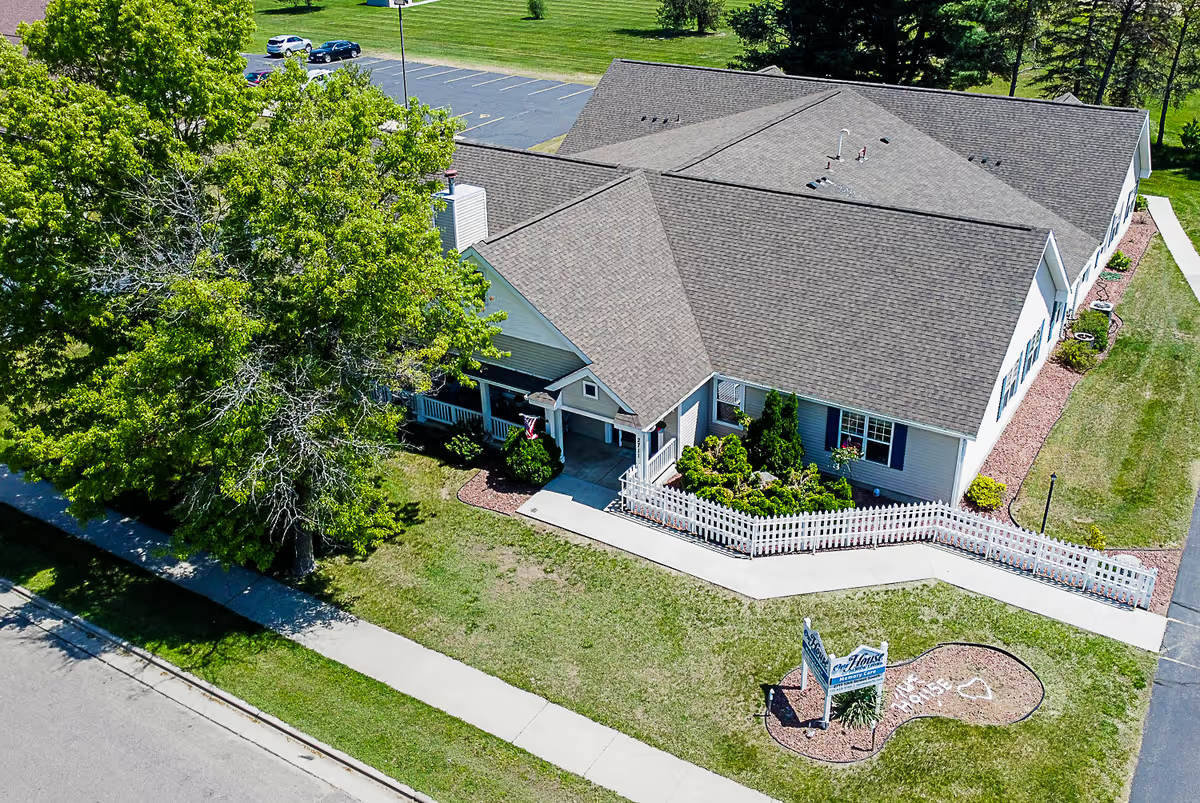
Overall impression: North Crest Assisted Living is described by many families and residents as a well-kept, attractive community with a strong emphasis on resident comfort and social engagement. The facility's apartment-style units, ability to personalize living spaces, accessible bathroom features (including large walk-in showers), and pleasant outdoor areas are consistently highlighted. Common spaces are characterized as clean and welcoming, and several families indicated they would recommend the community.
Care and staff: Staff are frequently described as caring, friendly, and attentive. Communication channels—phone, email, and in-person—are generally responsive, and frontline caregivers receive praise for warmth and direct resident interaction. These strengths support positive everyday care experiences and high family satisfaction. However, there are recurring concerns related to leadership and staffing: some reviewers cited inconsistent managerial responsiveness and insufficient staffing levels that appear to affect the timeliness and consistency of care delivery.
Dining and activities: Dining is often described positively, with several comments about high-quality, upscale meals and available healthy snacks. At the same time, a subset of reviewers noted variability in meal appeal and described occasions when food quality was less satisfactory. Activity programming is usually robust—regular entertainment, music, exercise, crafts, and outings to museums and events are cited as strengths—yet there are isolated reports of gaps in activity scheduling or periods with reduced programming.
Clinical readiness and operational gaps: A few accounts point to operational gaps in clinical-incident preparedness and supply management. While these appear to be individual incidents in the set of reviews, they indicate potential weaknesses in emergency readiness and logistics that the facility should address to ensure consistent clinical support. Relatedly, some families raised concerns about inconsistent attention to care details and expressed questions about adequacy of end-of-life care in at least one instance.
Conclusion: Prospective residents and families can expect a community with compassionate bedside staff, appealing living spaces, varied programming, and generally well-regarded dining. Those prioritizing consistent management responsiveness, robust staffing ratios, and tightly controlled clinical logistics should discuss these topics directly with administration during a tour and consider asking for specifics on staffing plans, incident-response protocols, and recent examples of how the facility has addressed service lapses.