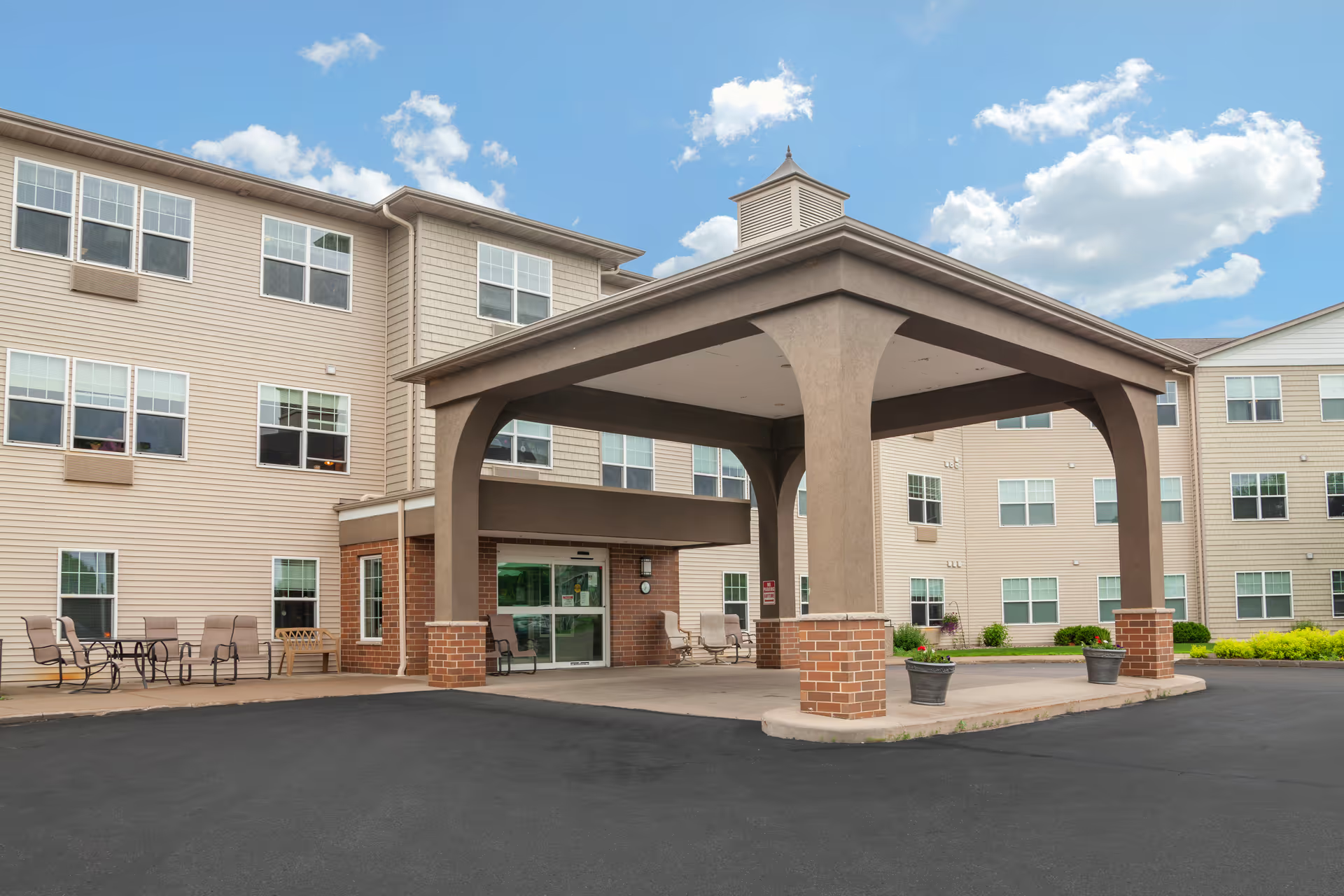
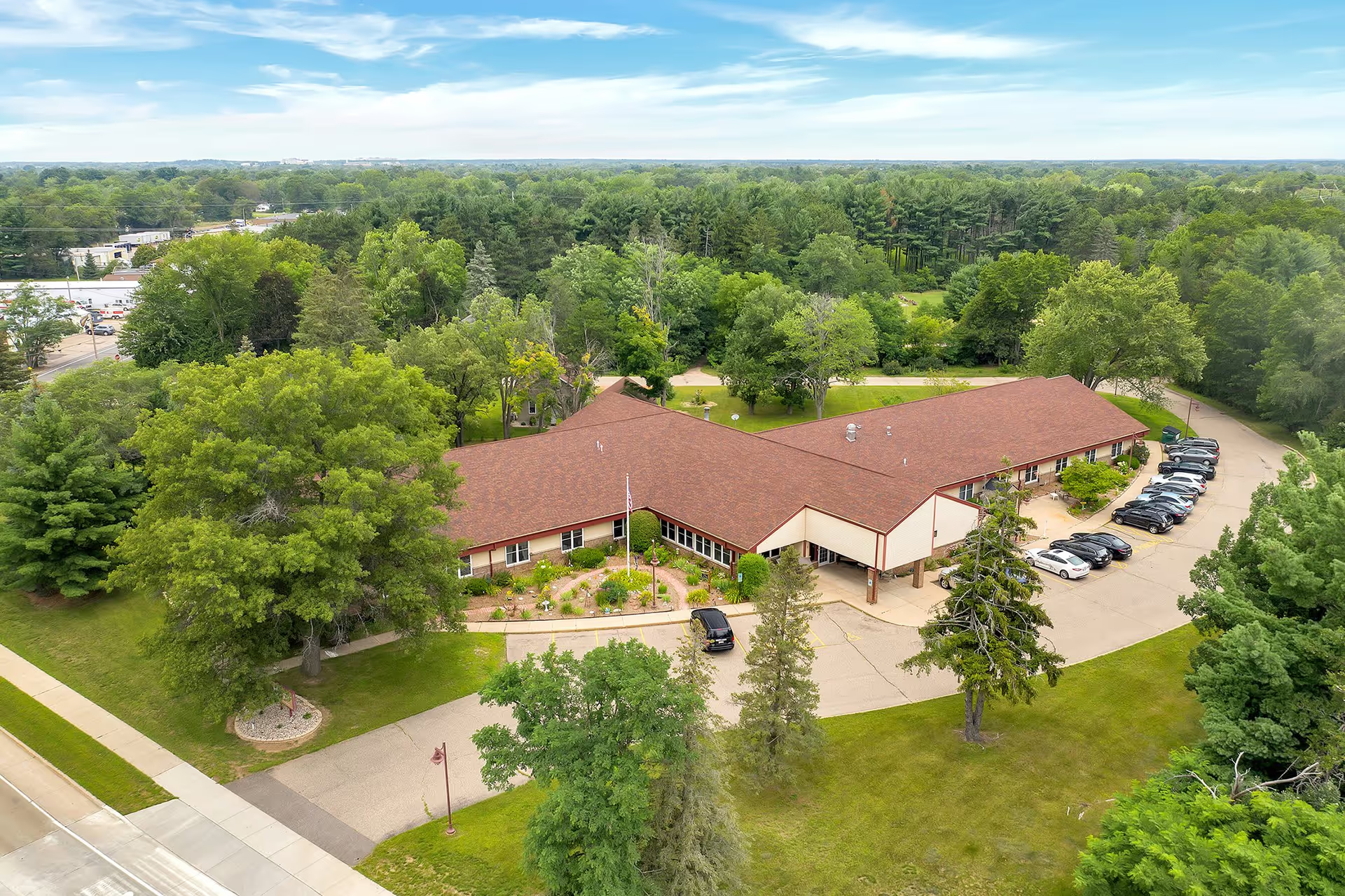
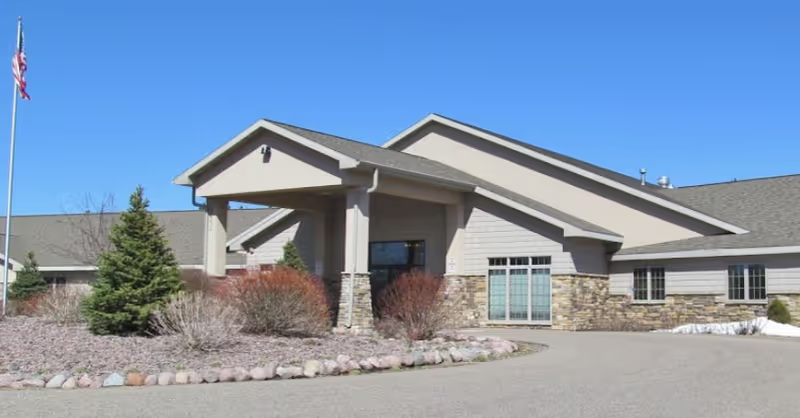
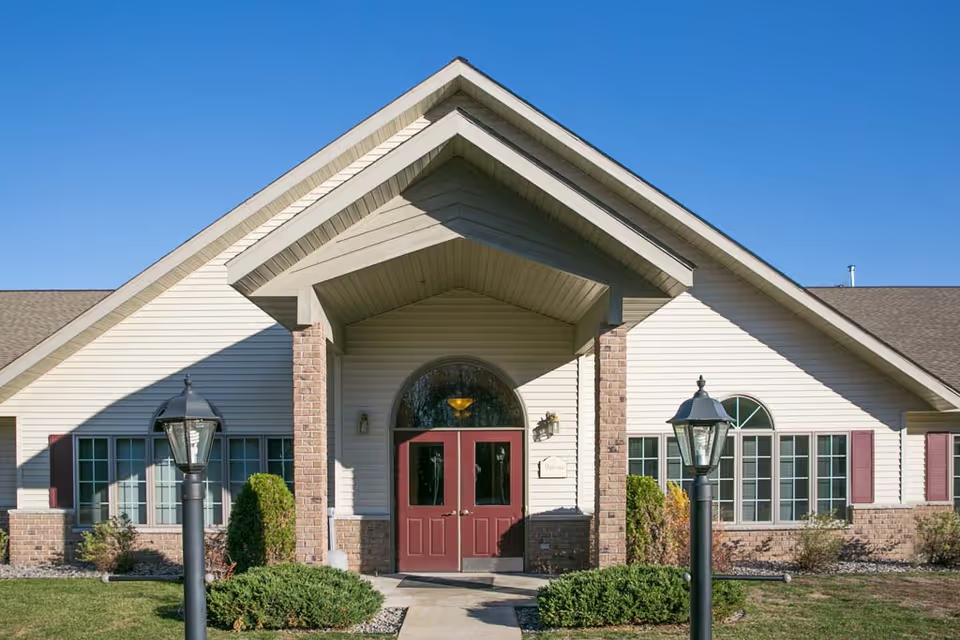
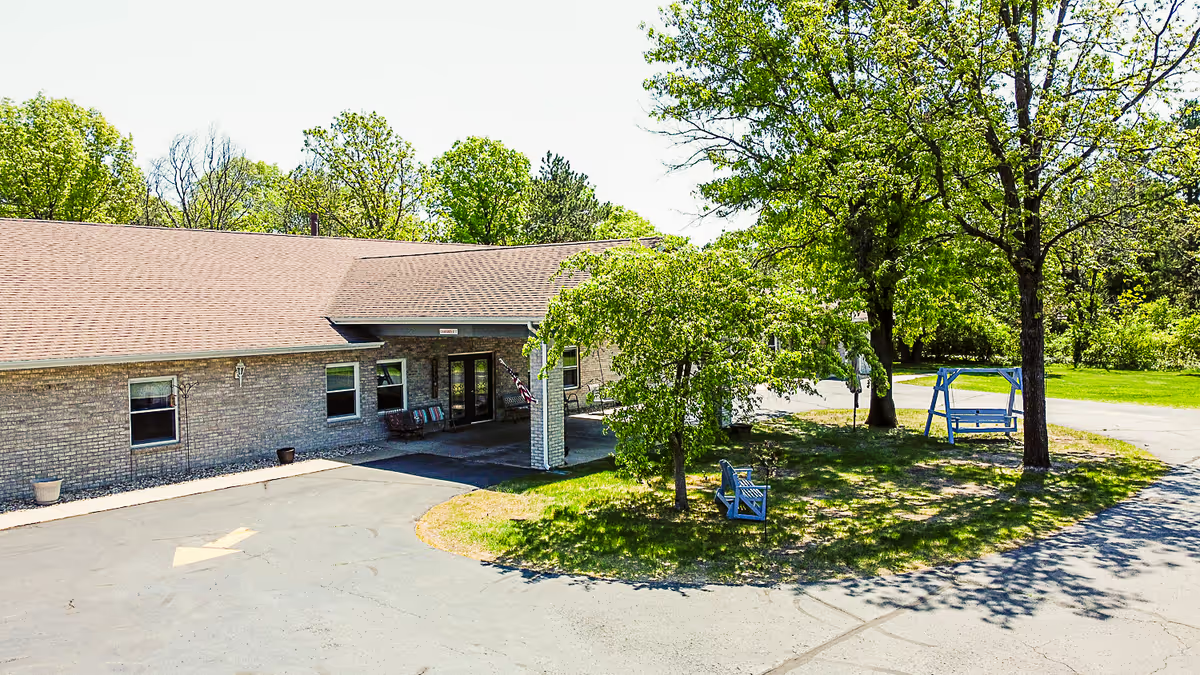
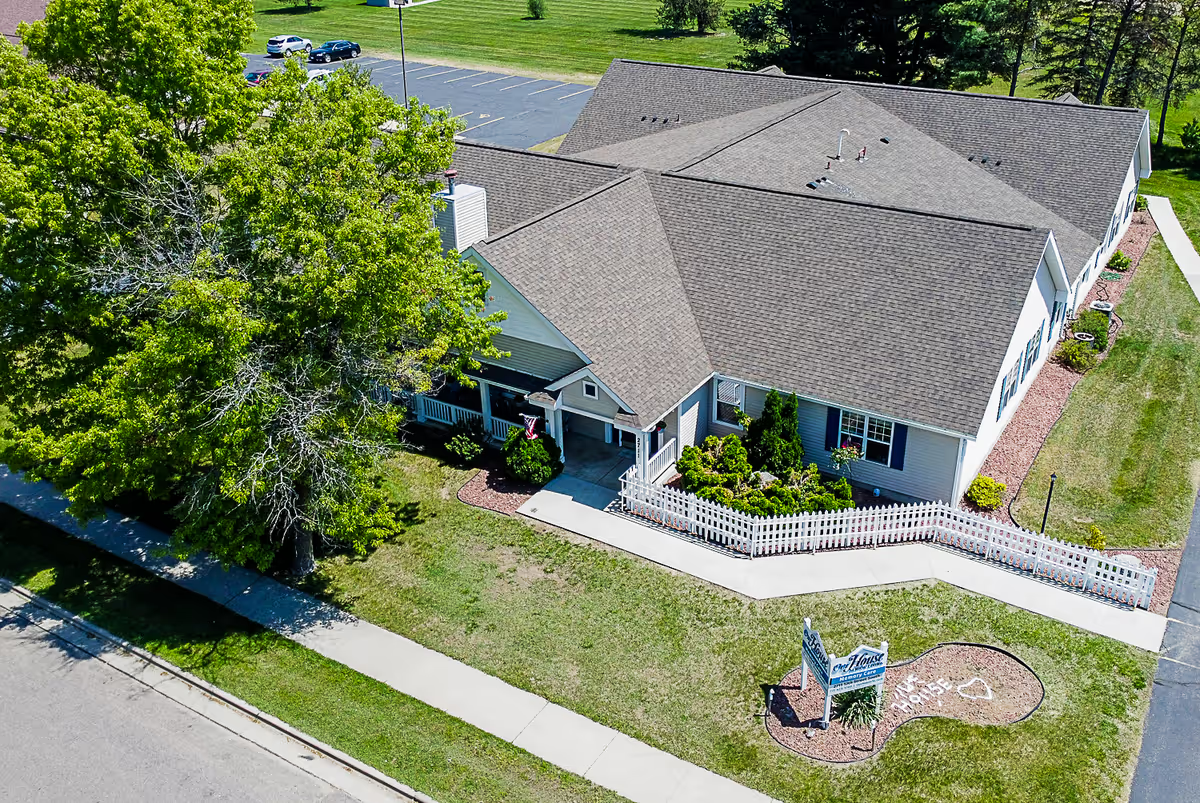
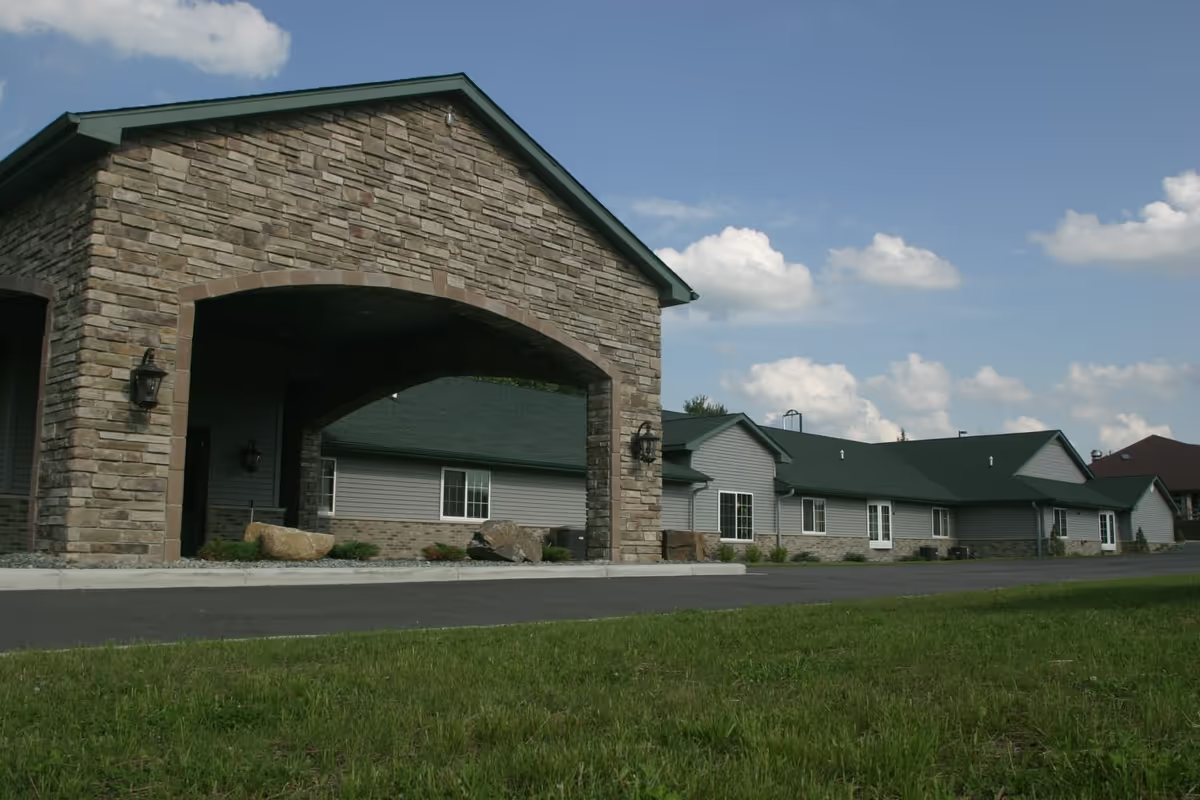
Reviewer feedback for Sylvan Crossings of Stevens Point is mixed but shows consistent themes. Many families describe a small, home-like setting with compassionate, family-oriented staff who provide personalized attention and regular communication. Several reviewers specifically noted dementia expertise, including an understanding of Huntington disease, and praised monthly dementia-support meetings for families. The facility's interior and bedding are frequently described as clean and well-kept, and a number of families reported that residents adjusted well, became socially engaged, and benefited from the facility's compact size and convenient location.
At the same time, there are recurring operational concerns that prospective families should weigh. Room sizes are repeatedly characterized as very small, which can affect comfort and suitability for residents who require more space or mobility equipment. Reviewers pointed to inconsistent on-floor staffing levels and occasional delays in responsiveness; this variability is presented as a pattern rather than isolated instances. Maintenance and repair shortcomings—examples include closet and window hardware and a need to update outdoor areas—suggest that some building systems and amenities are dated and may require attention.
Dining and activities receive both praise and criticism. Many reviewers complimented meal variety and dining service, calling meals good or excellent, while others indicated that food quality can be inconsistent and could be improved. Activity programming is described as limited at times; reductions due to COVID-19 were referenced but reviewers also noted that activities were being ramped back up. Overall, engagement appears adequate for residents who fit the facility's care profile, but families seeking a broad array of robust programming may find offerings constrained.
Care quality and fit appear to depend on resident needs. Several families reported attentive, watchful care and compassionate staff who advocate for residents; however, others described experiences they found unsatisfactory, citing inconsistent care quality or a lack of adequate supervision for residents with higher dependency or mobility needs. In short, the facility often suits residents who benefit from a smaller, more personal environment and dementia-aware staff, but may be less appropriate for individuals requiring extensive mobility support or higher-intensity clinical supervision.
Management and atmosphere are likewise mixed: many reviewers praised friendly, helpful management and staff responsiveness, while a subset described experiences of poor responsiveness or disengagement. The overall pattern is polarized—strong positives around staff attitude, cleanliness, and a home-like environment, contrasted with operational limitations around space, maintenance, staffing consistency, and programming breadth. Prospective residents and families should consider an in-person tour focused on room size, staffing coverage at different times of day, specific mobility and safety accommodations, and current activity and dining schedules to determine fit.