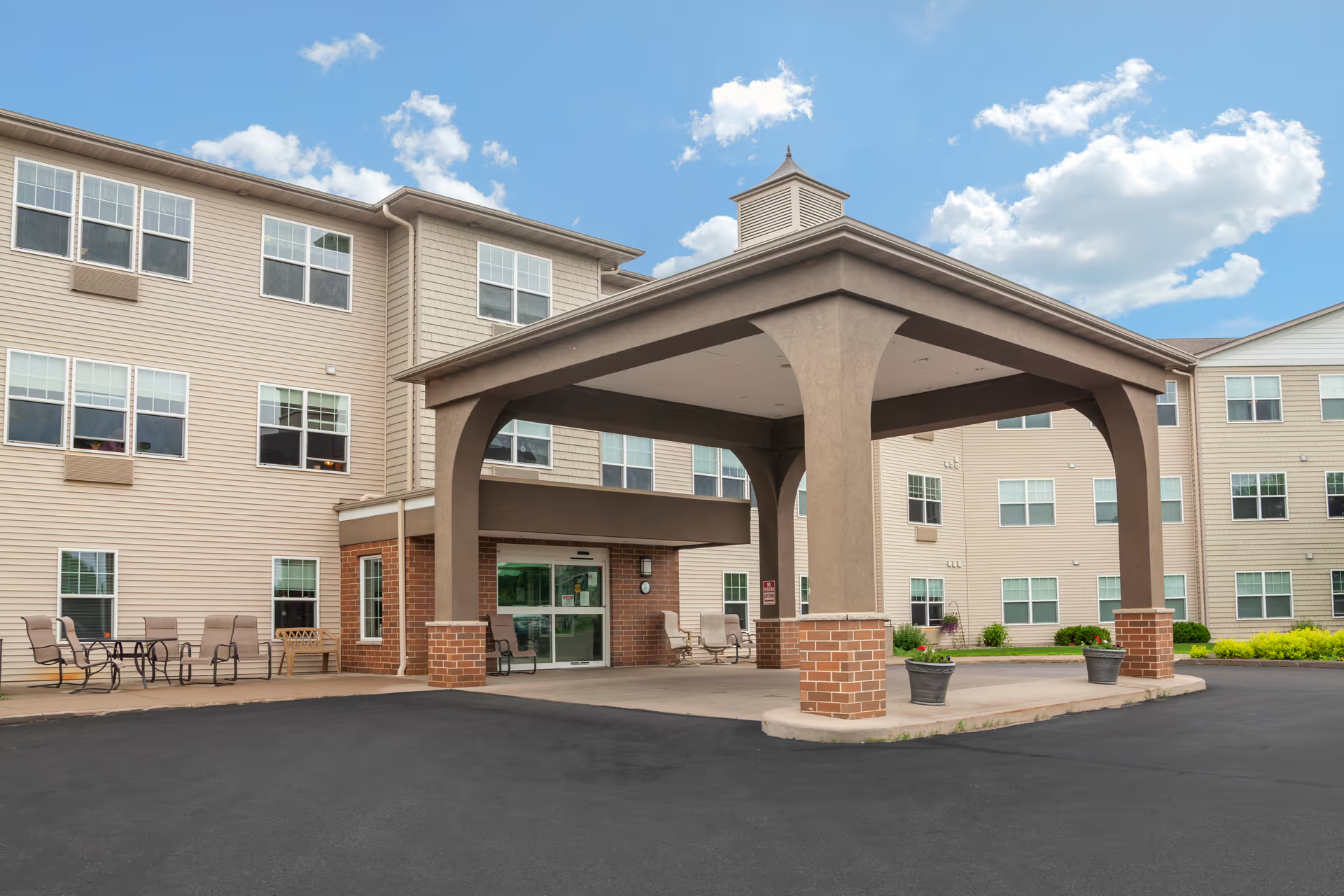
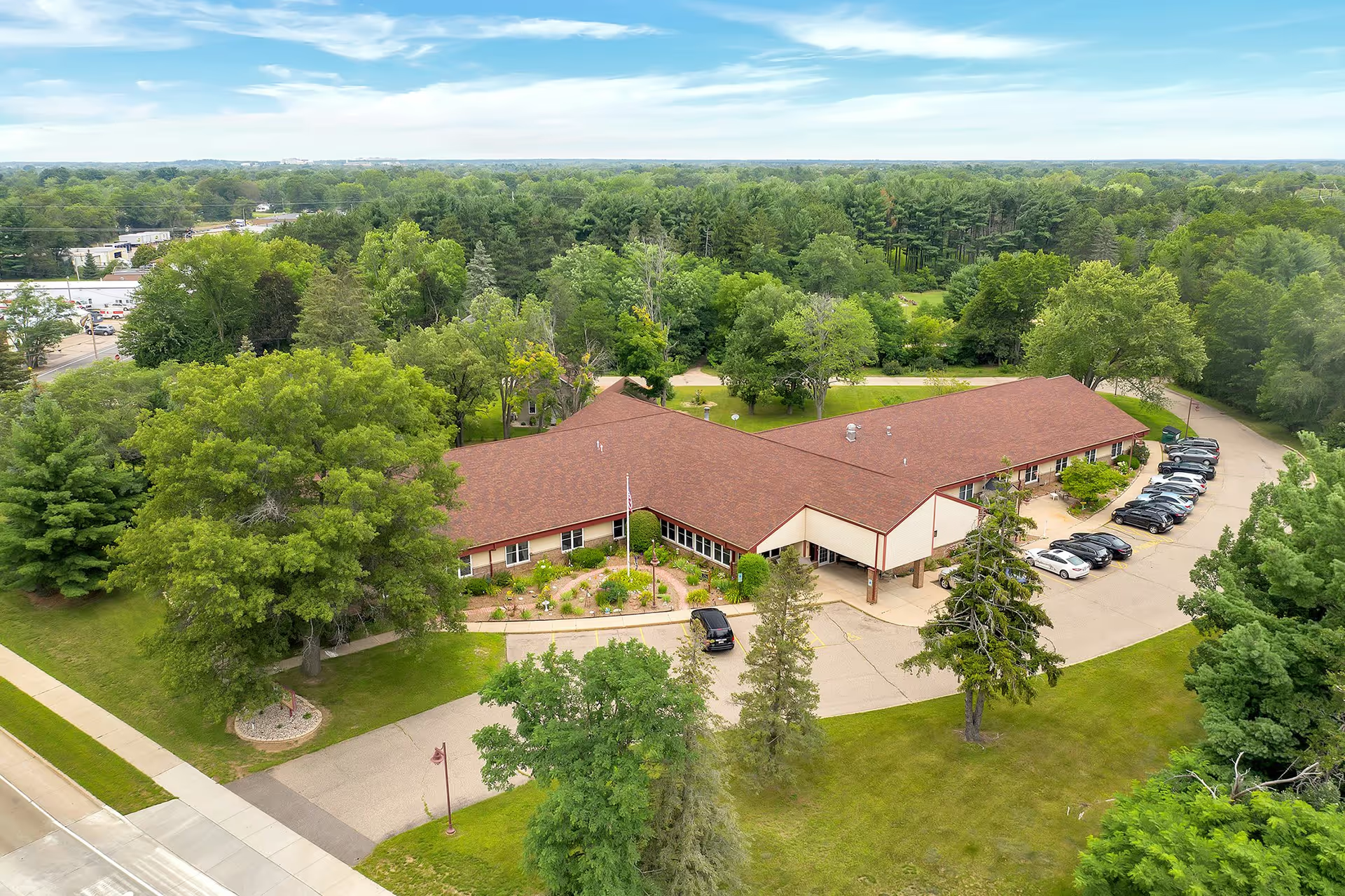
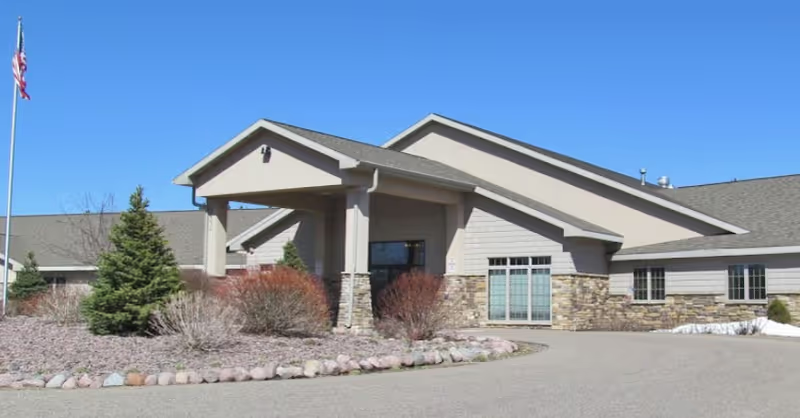
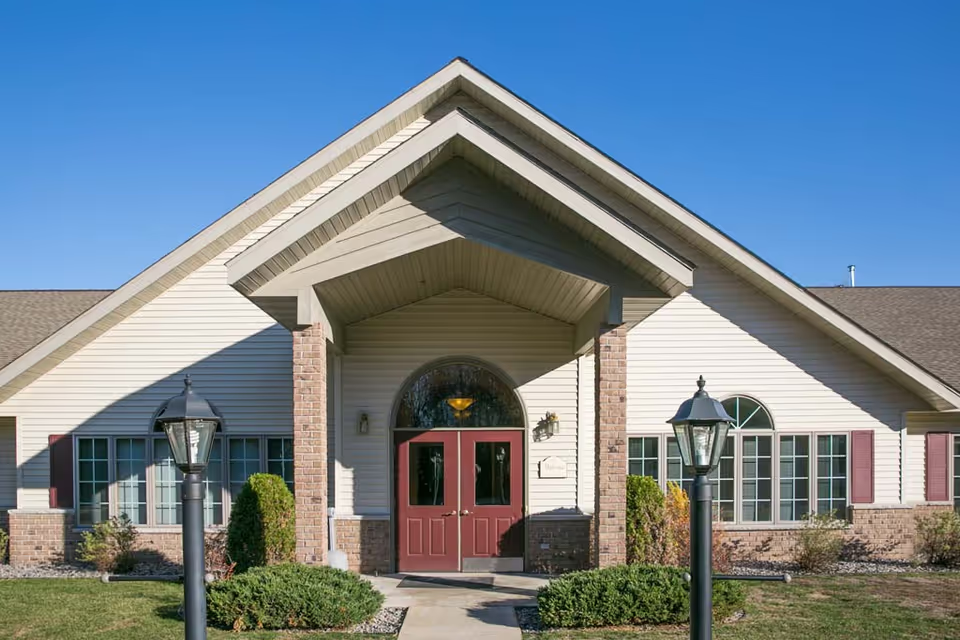
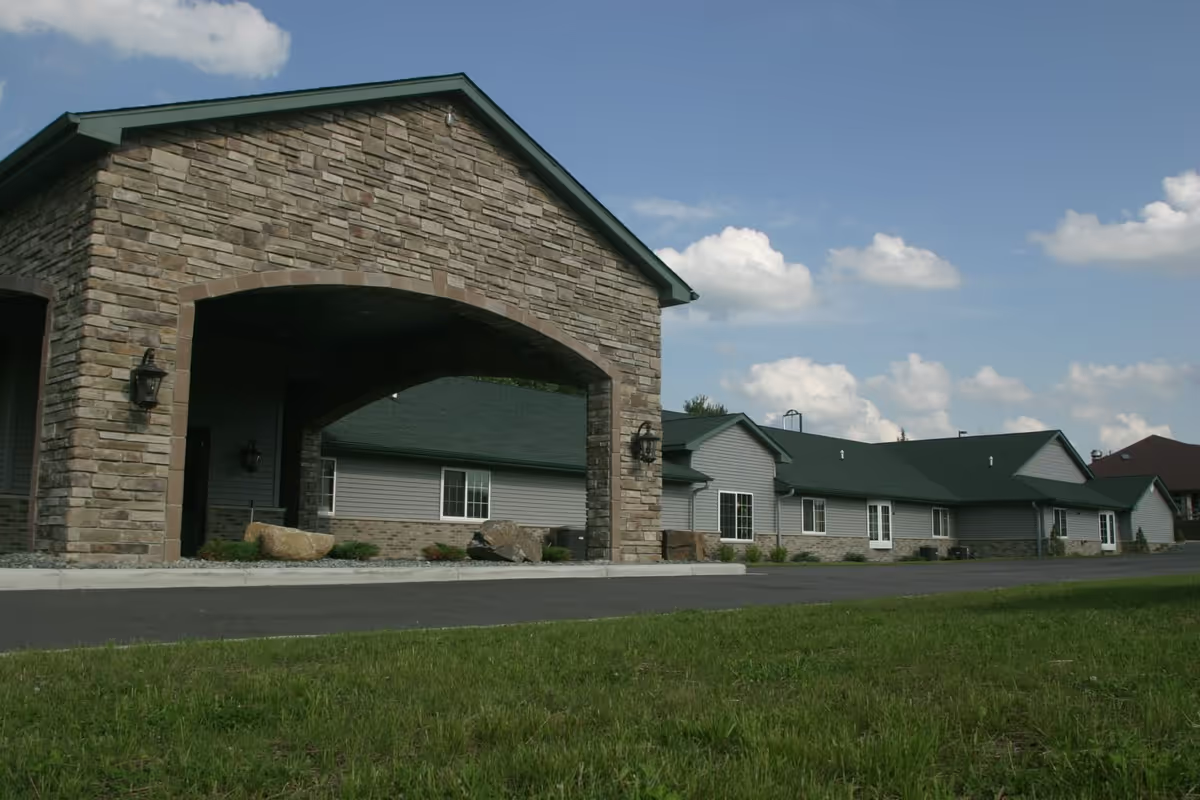
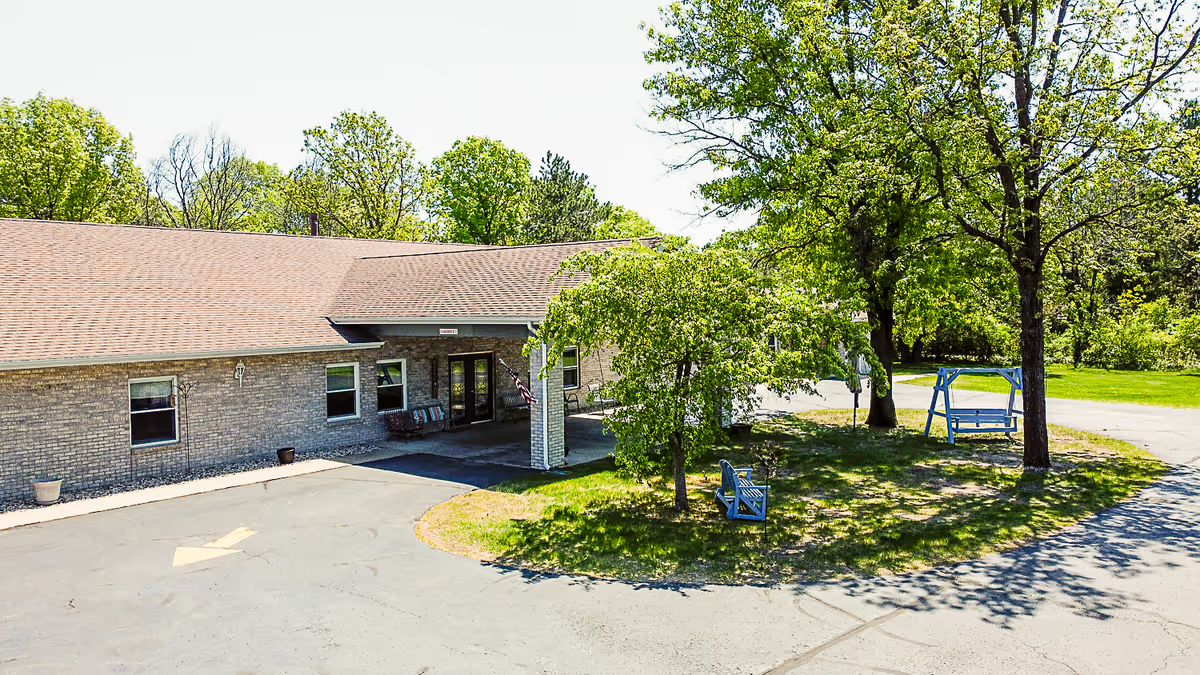
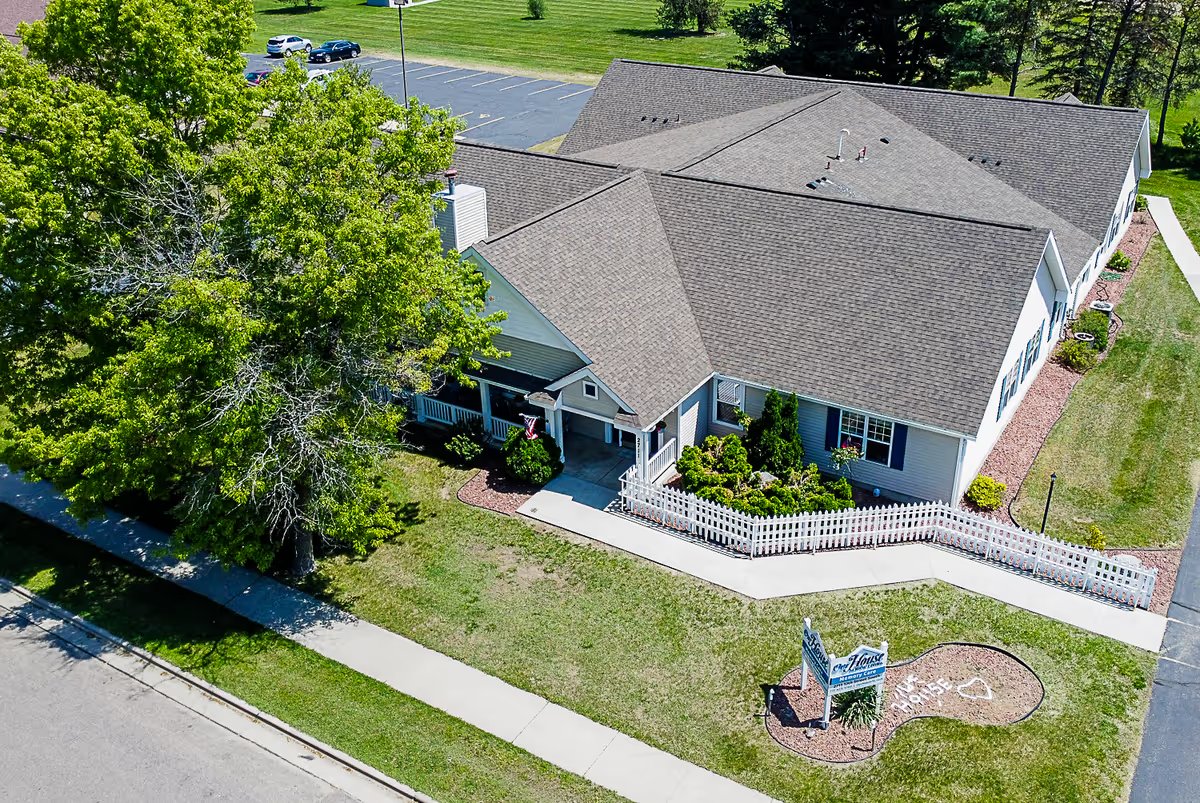
Overall impression: Reviews reflect a mix of positive elements—particularly in hospitality, amenities, and aesthetic presentation—and recurring operational challenges. Many families and residents commented favorably on the staff’s personal demeanor, the bright rooms and views, and the availability of independent-living suites with kitchenettes. The community offers standard social programming (bingo, live music, scheduled activities), a beauty salon, transportation services, and pockets of well-maintained, remodeled common space.
Care and staffing: Staffing stability and clinical oversight are the most frequently cited weaknesses. Reviewers described periods where caregiver coverage was thin, call lights were delayed, or medication administration was inconsistent. There are specific concerns about how medication and clinical tasks are coordinated—examples include constrained on-site clinical coverage and uneven nursing follow-through. At the same time, multiple accounts praise individual caregivers for compassionate, attentive interactions when staff are present. The net impression is that caregiving quality can be strong but is highly dependent on staffing levels and leadership support.
Dining and activities: Dining experiences were inconsistent across reports. Positive notes include a bright dining area and some appealing meals and social dining opportunities. Conversely, complaints include cold or unappealing meals, inconsistent meal service, and logistical inconvenience because of the facility’s layout (requiring residents to walk between buildings or outdoors in inclement weather to access dining). Activity programming exists and is appreciated by many residents, but families report limited meaningful options for residents with mobility or cognitive impairments and occasional gaps in activity staffing or leadership.
Facilities and safety: The property presents well in many respects—large windows, pond views, and some remodeled spaces—but reviewers also raised facility-level concerns. Studio apartments are described as small and there are limited one-bedroom alternatives. Therapy and rehabilitation space is reported as compact or limited, and some bathing/transfer fixtures were described as not optimized for resident independence. Sanitation and odor-control issues were reported in certain areas and with vacated rooms, indicating inconsistencies in housekeeping standards. Safety-related patterns cited include falls and transfer-safety weaknesses tied to staffing and equipment setups rather than single isolated incidents.
Management and operations: A consistent theme is a contrast between effective marketing/admissions and uneven operational follow-through. Families noted a streamlined tour and admissions experience but described lapses in management responsiveness, high administrative turnover, and billing or payment practices that feel onerous (for example, early payment requirements). Hospice and end-of-life coordination was another area of mixed experience—some families found coordination adequate while others described confusion around paperwork and communication. Several reviewers also noted improvements over time in cleanliness and care after management changes, suggesting that operational performance may be sensitive to leadership and staffing adjustments.
Patterns to consider: Prospective residents and families should weigh the facility’s strong hospitality attributes and available amenities against recurring operational risks: staffing inconsistency, medication-management gaps, variable meal quality, and some cleanliness and layout limitations. For residents who require regular clinical oversight, reliable therapy, or extensive dementia-specific programming, these patterns suggest the value of direct, detailed conversations with management about current staffing models, on‑site clinical coverage, transfer and bathing supports, meal-service logistics, and hospice coordination before committing. Conversely, for those seeking independent-living apartments with active programming and scenic grounds, the community offers attractive features that several families endorsed.
Recommendations for decision-making: Ask management for current staffing ratios, nursing coverage schedules, examples of recent corrective actions addressing housekeeping or food-service complaints, and written policies on medication administration and hospice coordination. Visit during meal service and an activity period, request a unit tour of the specific apartment type you would occupy, and speak with families or residents about recent operational changes to assess consistency over time.