Overall impression Nazareth Health and Rehabilitation Center is characterized by a strong caregiving core and a pronounced rehab focus alongside an older physical plant. Many families and former residents praised the compassion and hands-on attention of CNAs, nurses, and therapy teams; reviewers frequently credited the facility with meaningful functional gains and effective post-acute transitions. Infection-control measures and pandemic-era protocols were also repeatedly described as stringent and well managed.
Care quality and staff Clinical strengths include energetic physical and occupational therapy services, thorough nursing documentation, responsive acute-care intervention, and social work involvement that supports discharge planning and family communication. CNAs are often described as the backbone of daily care, and several accounts highlight third-shift nursing strength. At the same time, reviewers also describe variability in staffing and responsiveness: there are recurring comments about delays responding to call lights, long waits for assistance with personal care, and uneven conduct or tone from some staff members. These items suggest operational inconsistency rather than uniformly poor skill level.
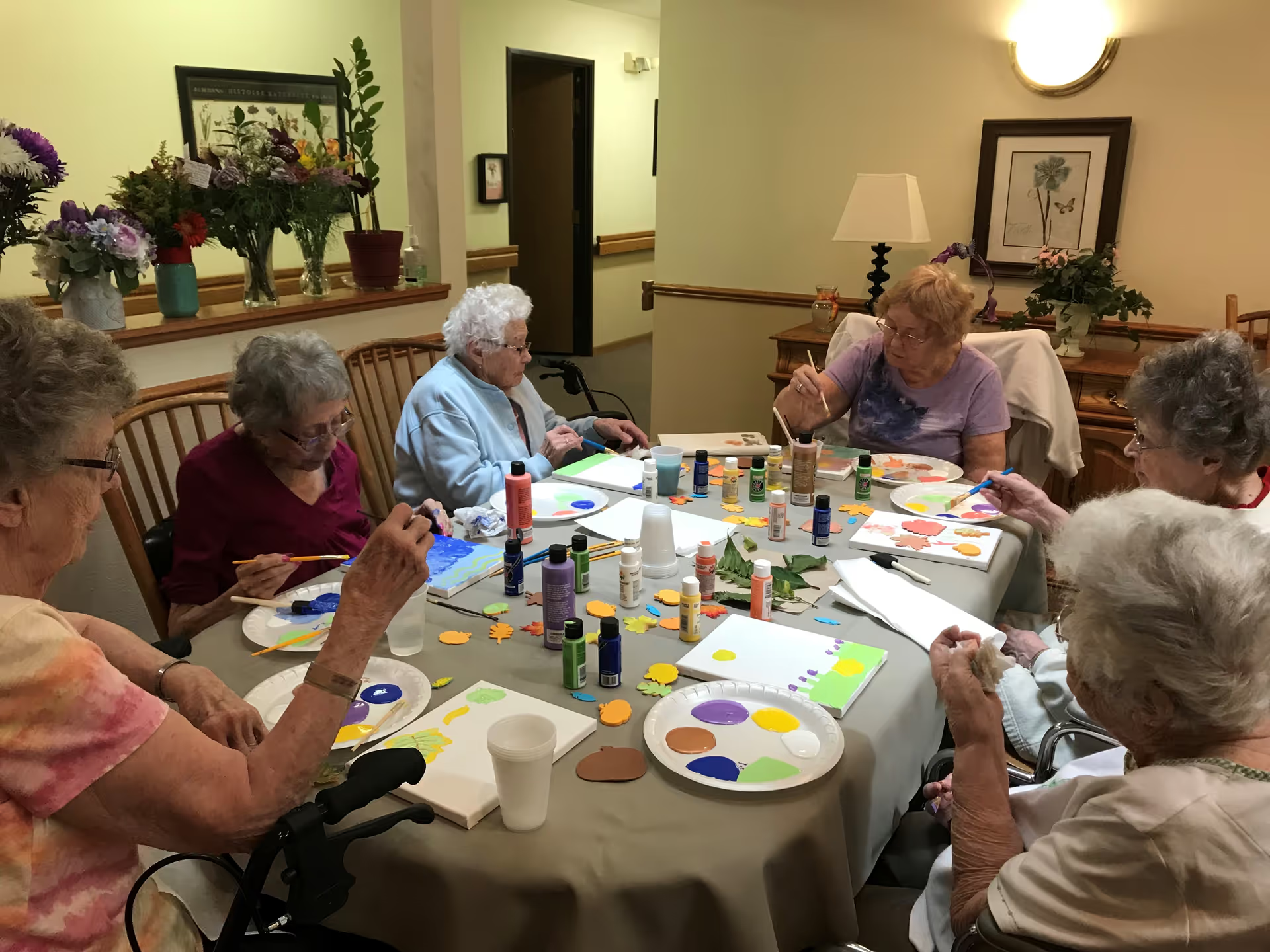
Dining and activities The facility offers a range of activities and social programming, and many reviewers found the environment engaging. Dietary staff who know resident preferences were singled out positively. Feedback on meals is mixed: some note hearty, well-balanced selections and individualized accommodations, while others cite temperature, carbohydrate-heavy menus, and a desire for healthier options or more consistent meal delivery.
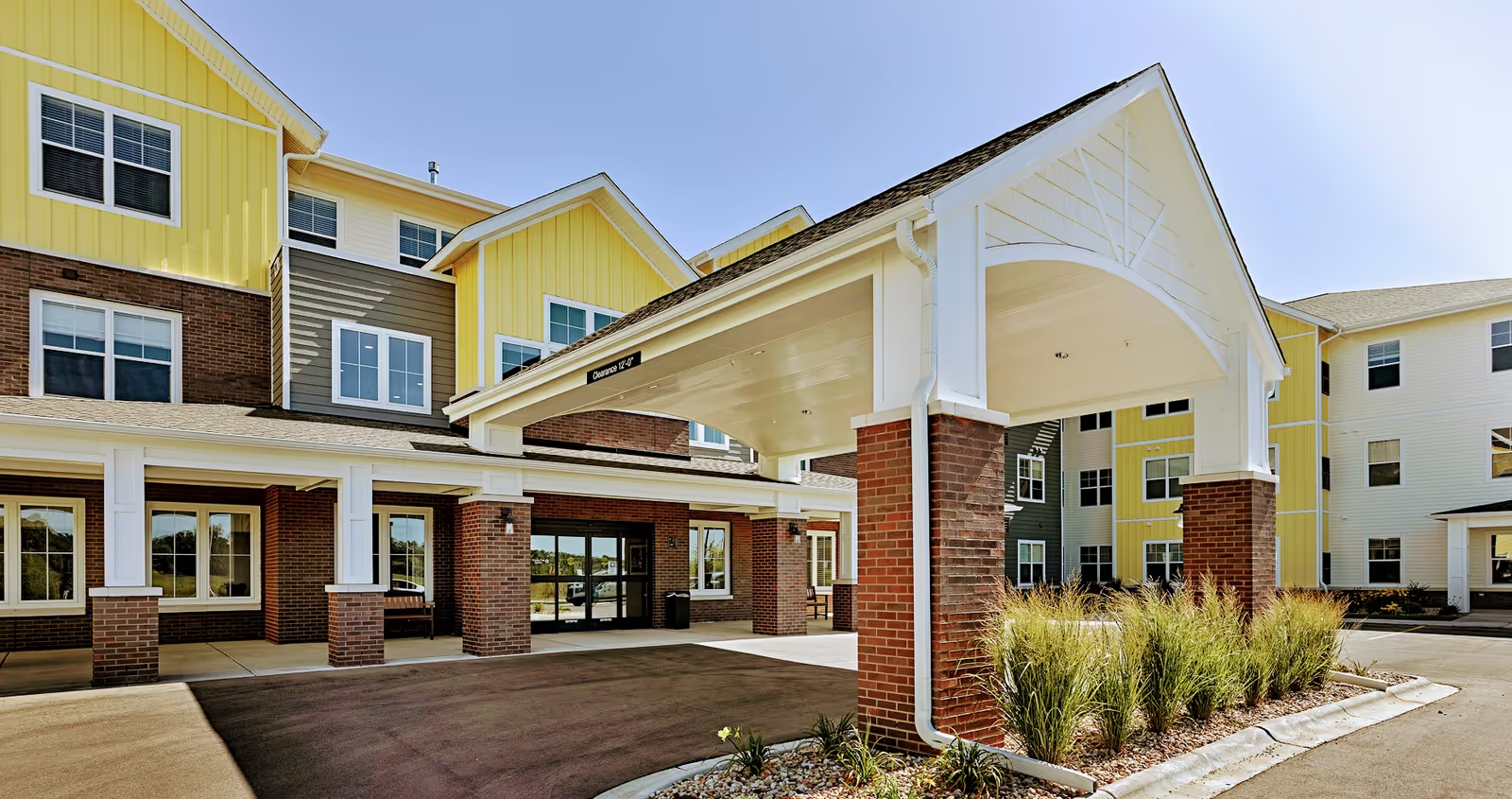
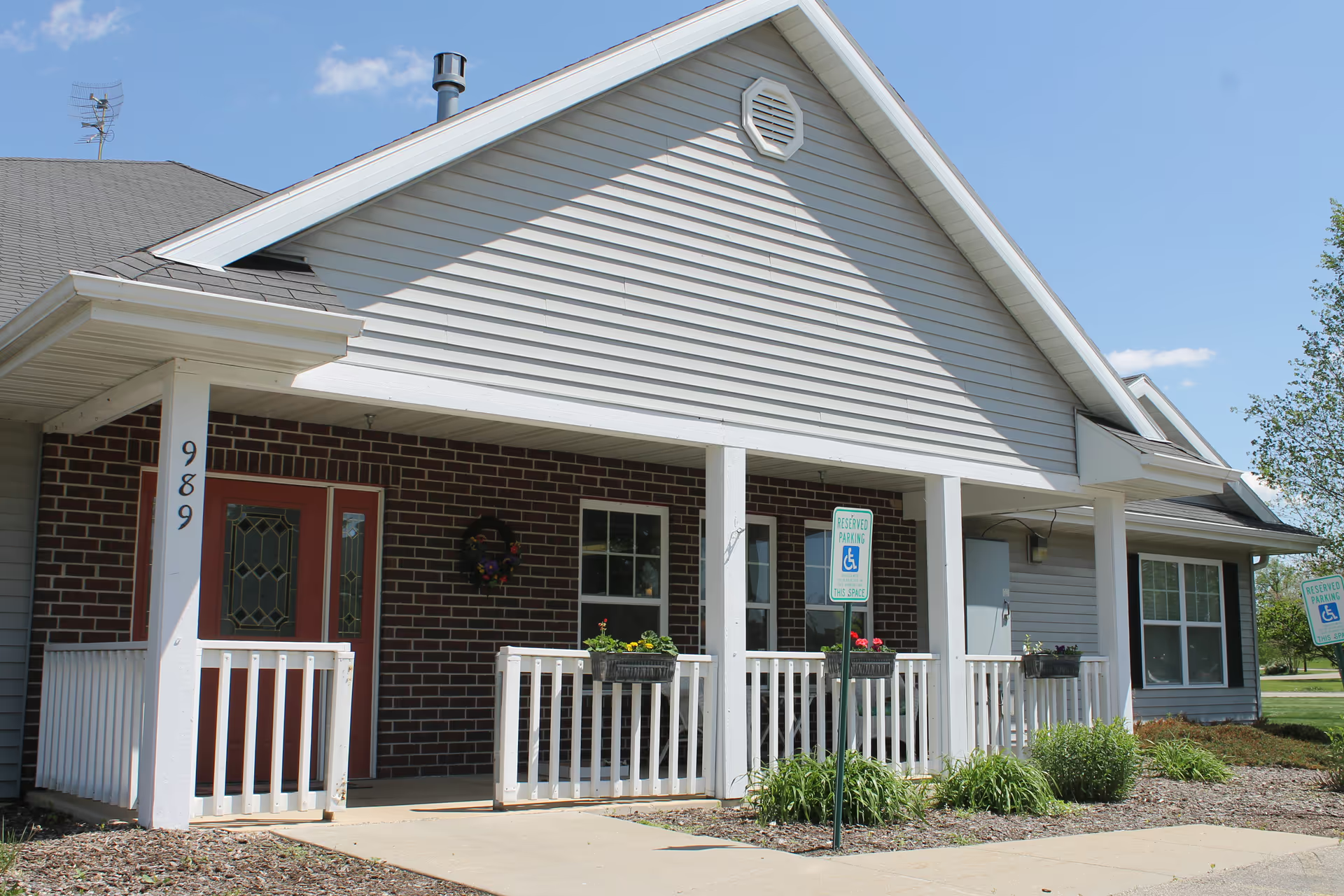
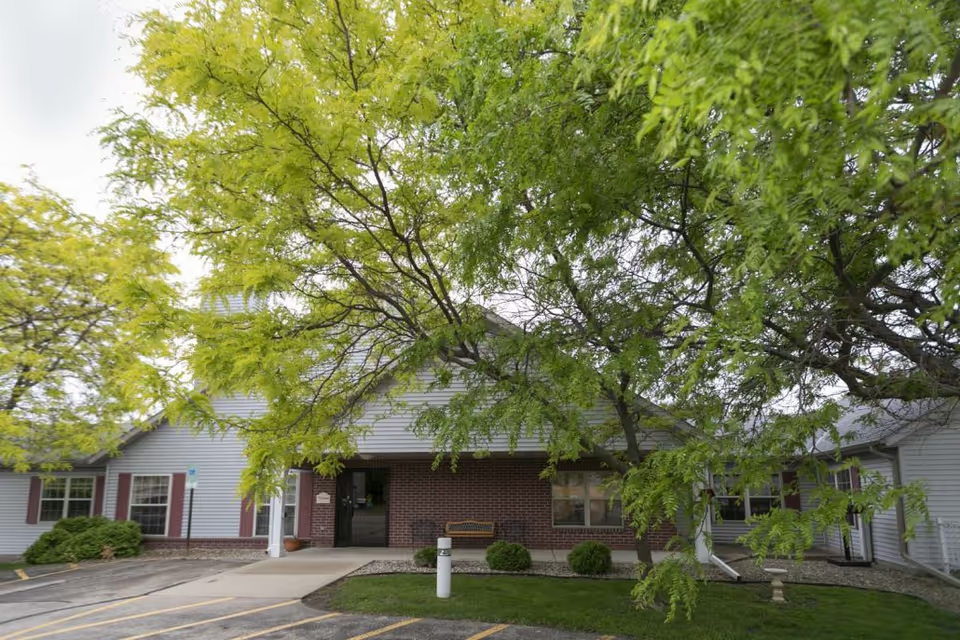
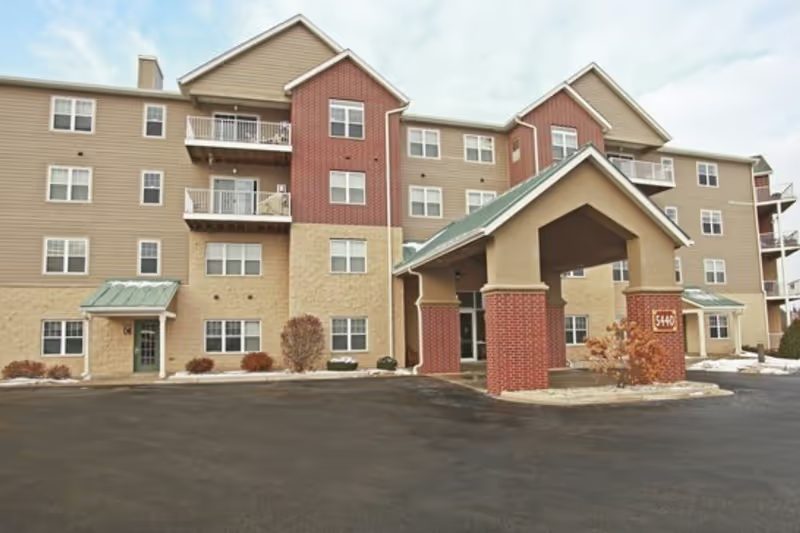
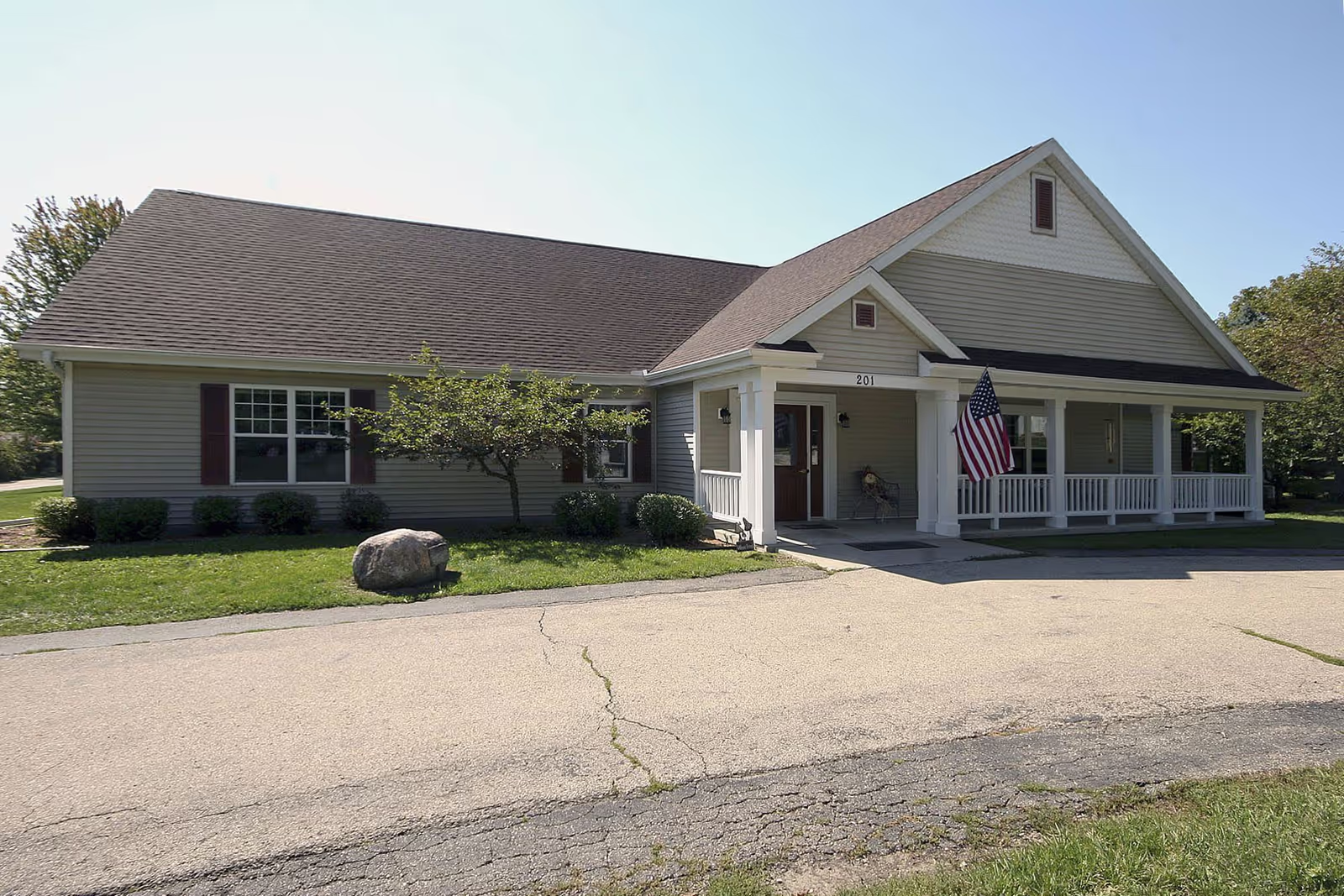
Facilities and cleanliness Common areas are frequently described as clean and bright with ample natural light. However, the building is older and multiple reviewers recommended renovations — citing dated rooms, bathrooms in need of updating, lighting issues, and bed/equipment upgrades. There are also intermittent sanitation and incontinence-care concerns that point to areas where housekeeping and direct-care workflows may require strengthening.
Management, safety, and regulatory patterns The leadership profile is mixed: reviewers appreciate visible administrators and staff accessibility, but there are notes about leadership turnover and an aggressive admissions/marketing approach consistent with a for-profit operator. A recent state inspection history was cited, suggesting the facility has documented regulatory deficiencies that prospective families should review. Several accounts point to gaps in treatment continuity and clinical-incident oversight (missed treatments, wound-care and infection-control lapses, and safety-incident follow-up). Concerns about staff conduct and communication tone also appear across reviews and are best interpreted as variability in professional behavior and supervisory enforcement rather than a singular pattern.
Notable patterns and guidance for families The dominant strengths are compassionate front-line staff, effective rehab services, and visible infection-control practices. The dominant risks are operational: inconsistent staffing/response times, areas of the building in need of renovation, variable meal quality, and documented regulatory issues that merit review. Prospective residents and families should tour relevant care units, review the facility’s most recent inspection report, ask about staffing ratios and incident reporting processes, observe mealtime service, and speak with the unit social worker or therapy lead about individualized care plans. These steps can help reconcile the facility’s clear caregiving strengths with the operational variability noted in several reviews.