Overall impression: The reviews describe BeeHive Homes of Oregon as a small, community-oriented assisted living provider with consistently strong hands-on caregiving. Families emphasize compassionate, attentive staff and involved ownership, and there is repeated praise for personalized care plans and a family-centered approach. The facility is commonly characterized as clean, home-like, and safe, with active community engagement and a positive local reputation.
Care and staff: Care quality is the most frequently praised aspect. Caregivers are described as patient, respectful, and genuinely caring; several families highlighted exceptional individuals and pronounced support during end-of-life transitions. The provider is credited with coordinating hospice support and practical bedside arrangements (for example, enabling couples to remain together), indicating flexibility and sensitivity in clinical and emotional care. Staffing appears trained and experienced, and housekeeping/cleaning staff receive separate positive mention.
Dining: Review text did not focus on dining services. There are no consistent comments to confirm meal quality, menu variety, or dietary accommodations. Prospective families should request sample menus and discuss dietary and dining arrangements during a visit.
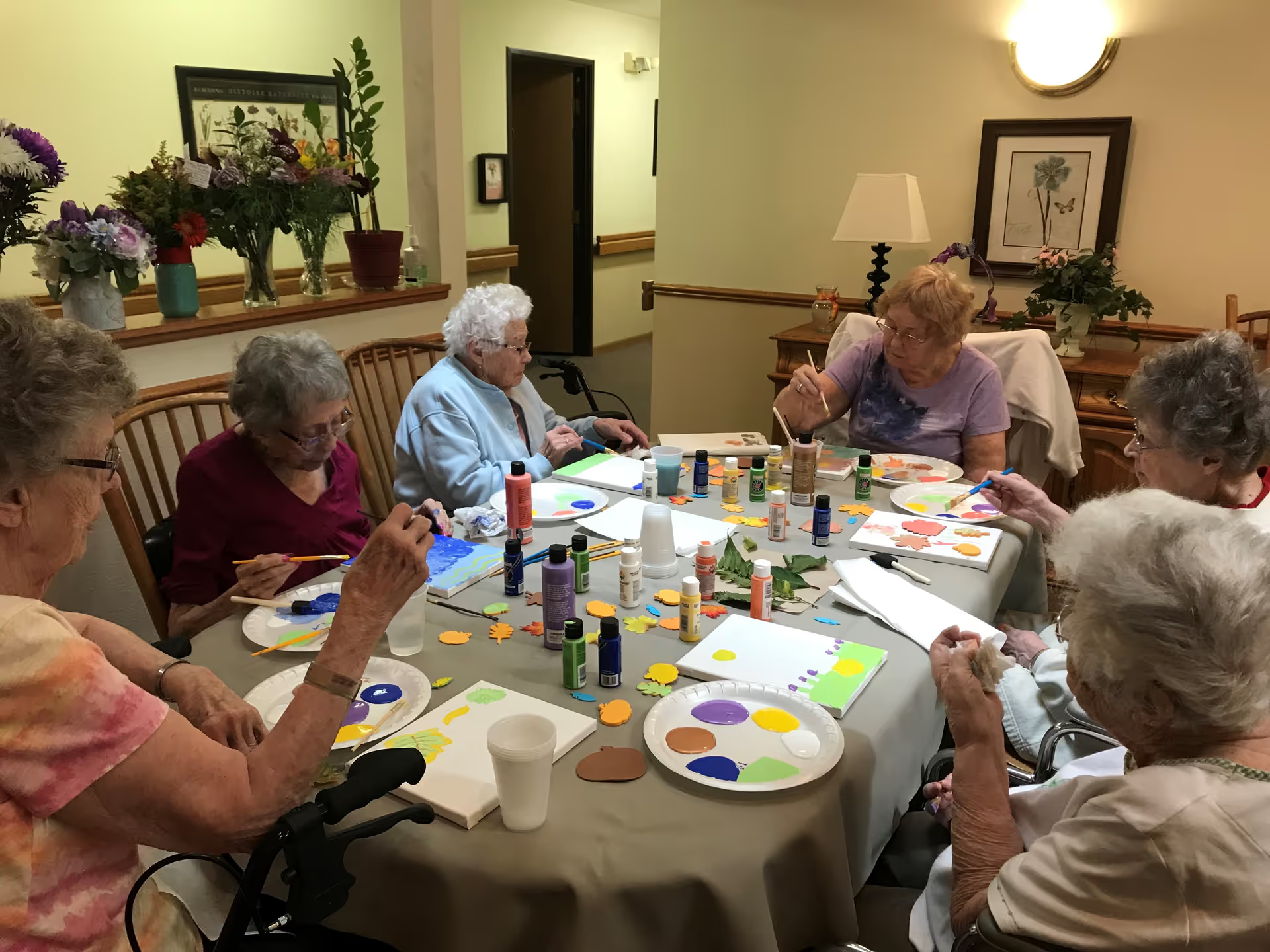
Activities and social life: Reviews note engaging daily activities and programming that contribute to a home-like, family atmosphere. The community size and active local involvement are seen as strengths that help maintain personalized attention and social opportunities for residents.
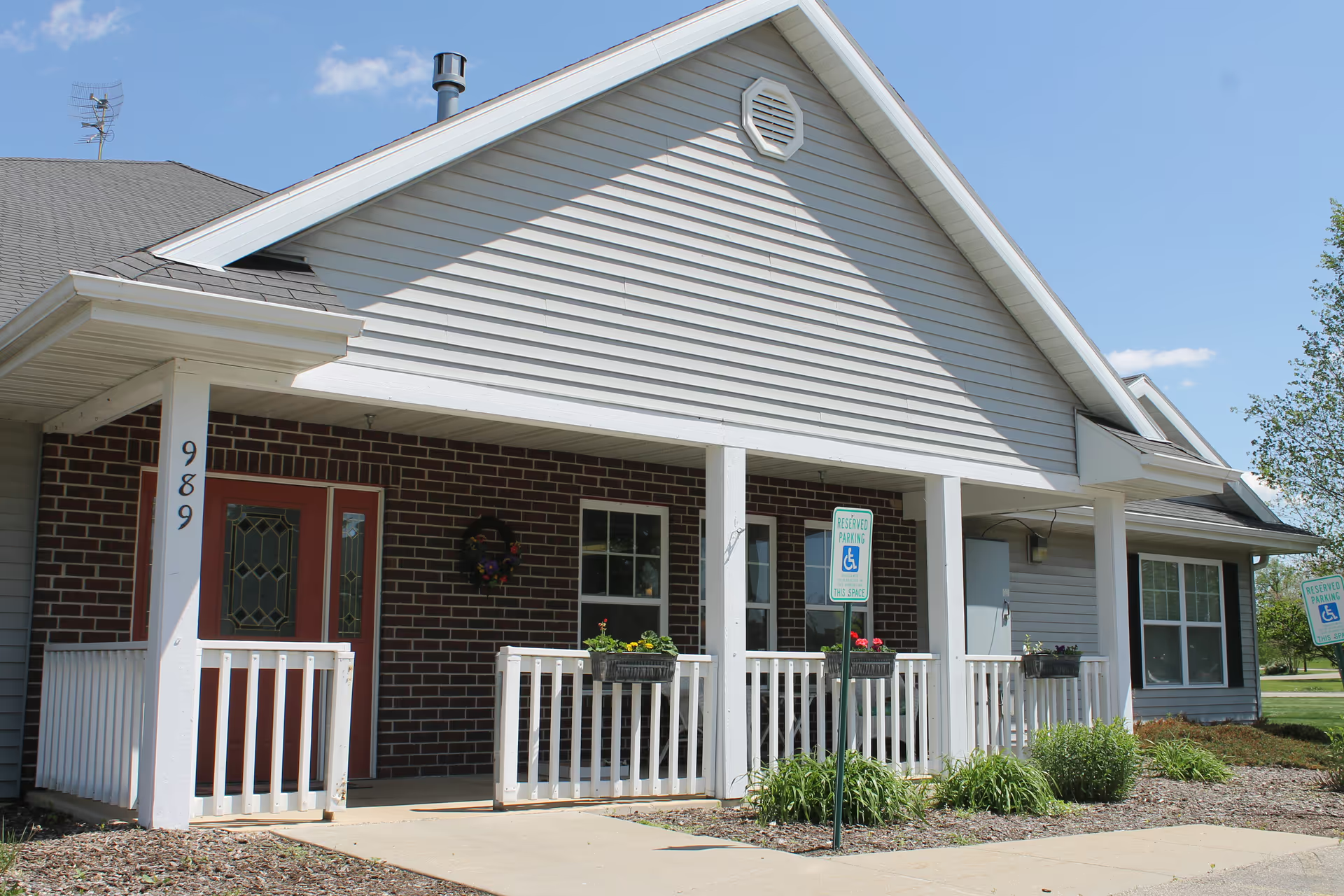
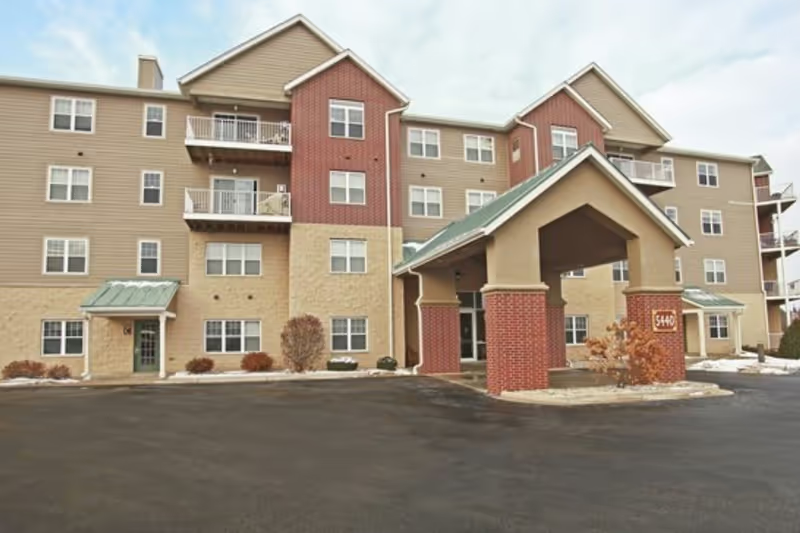
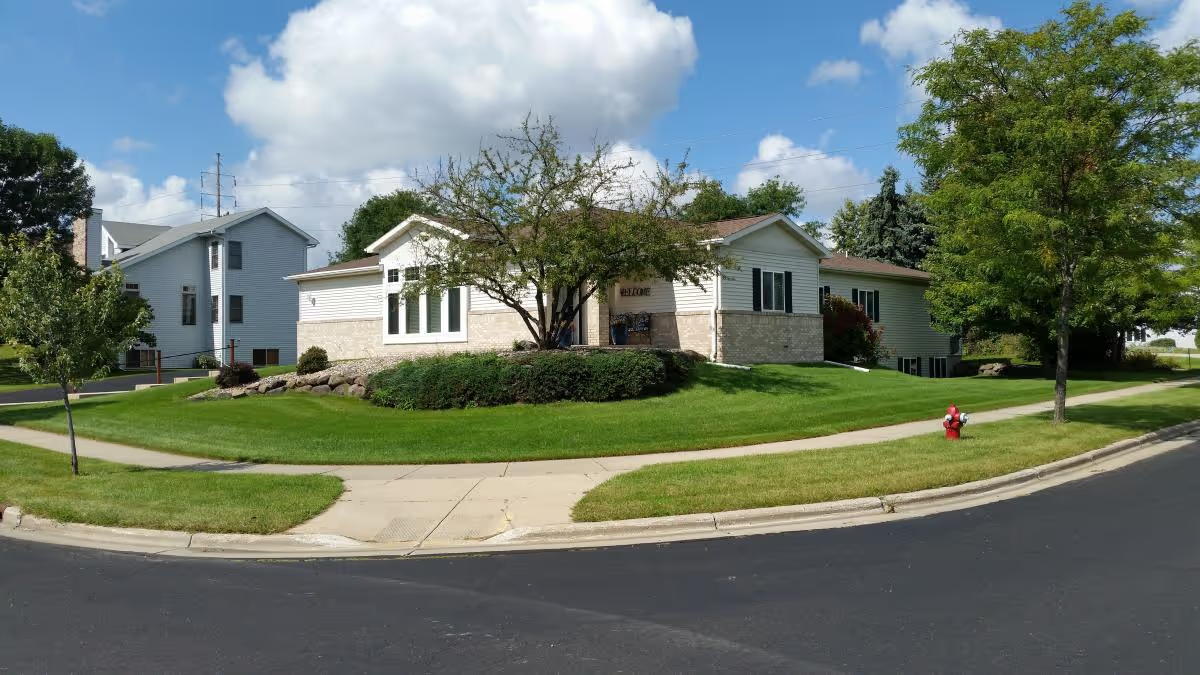
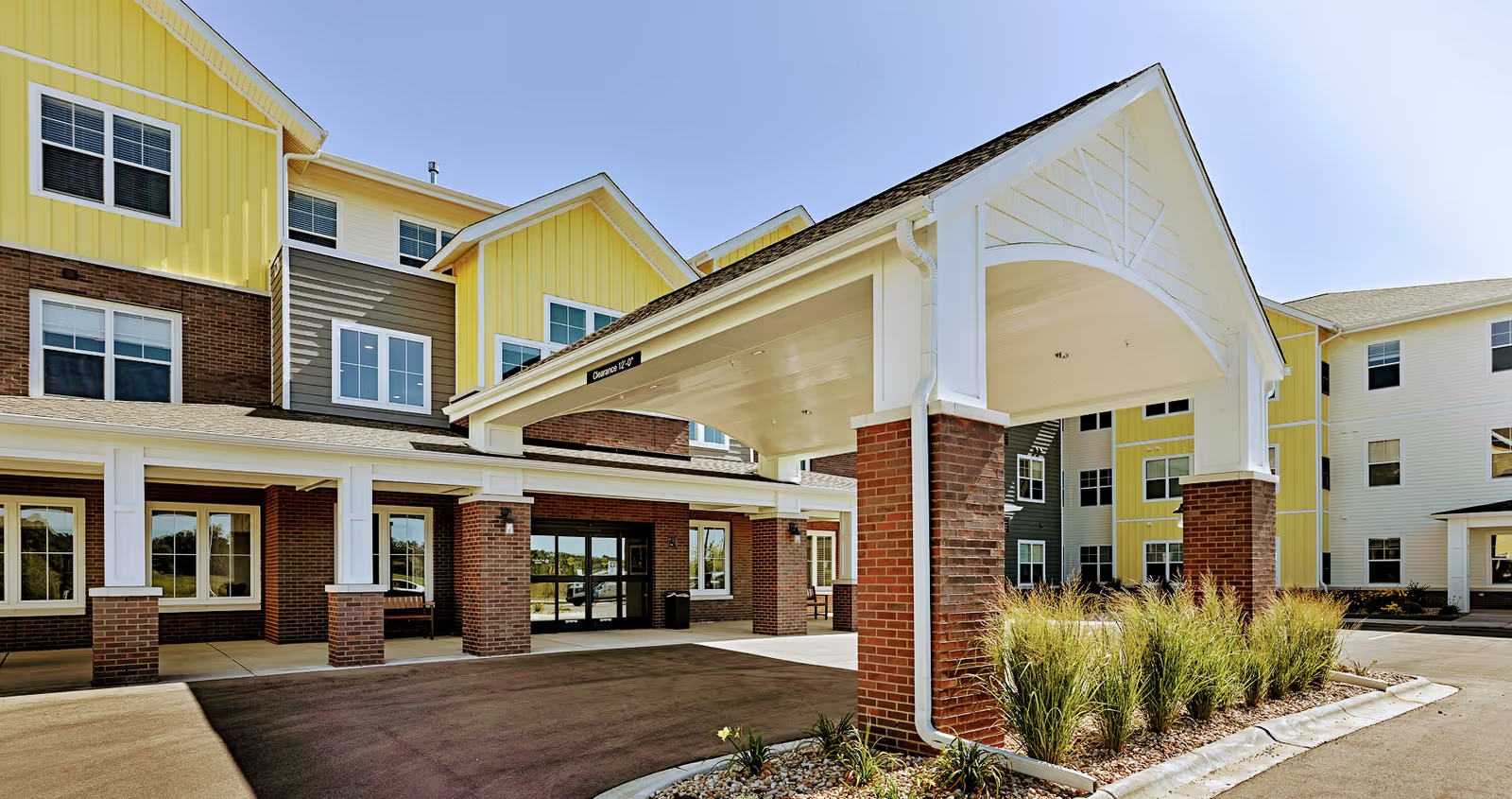
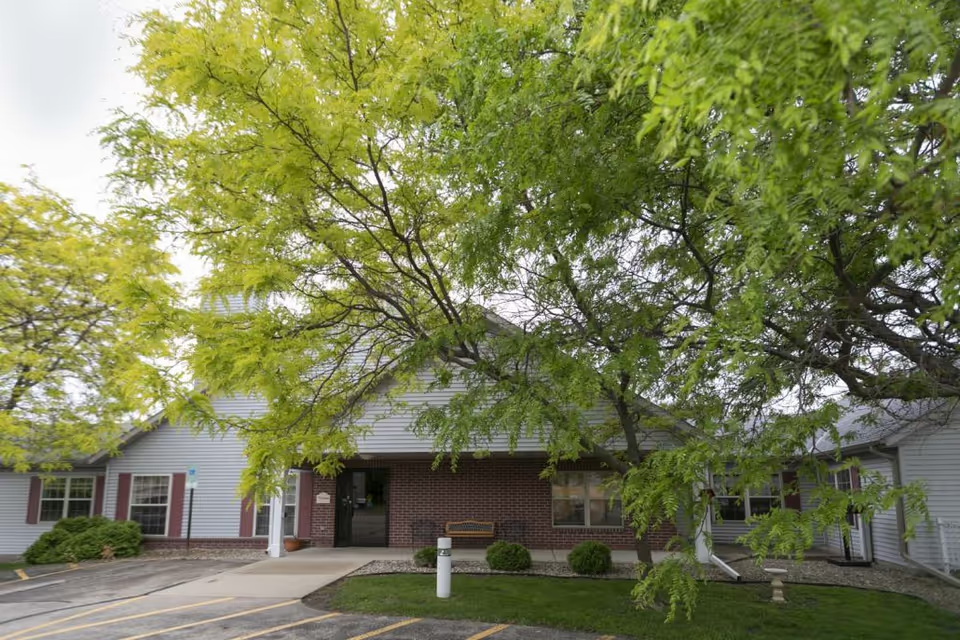
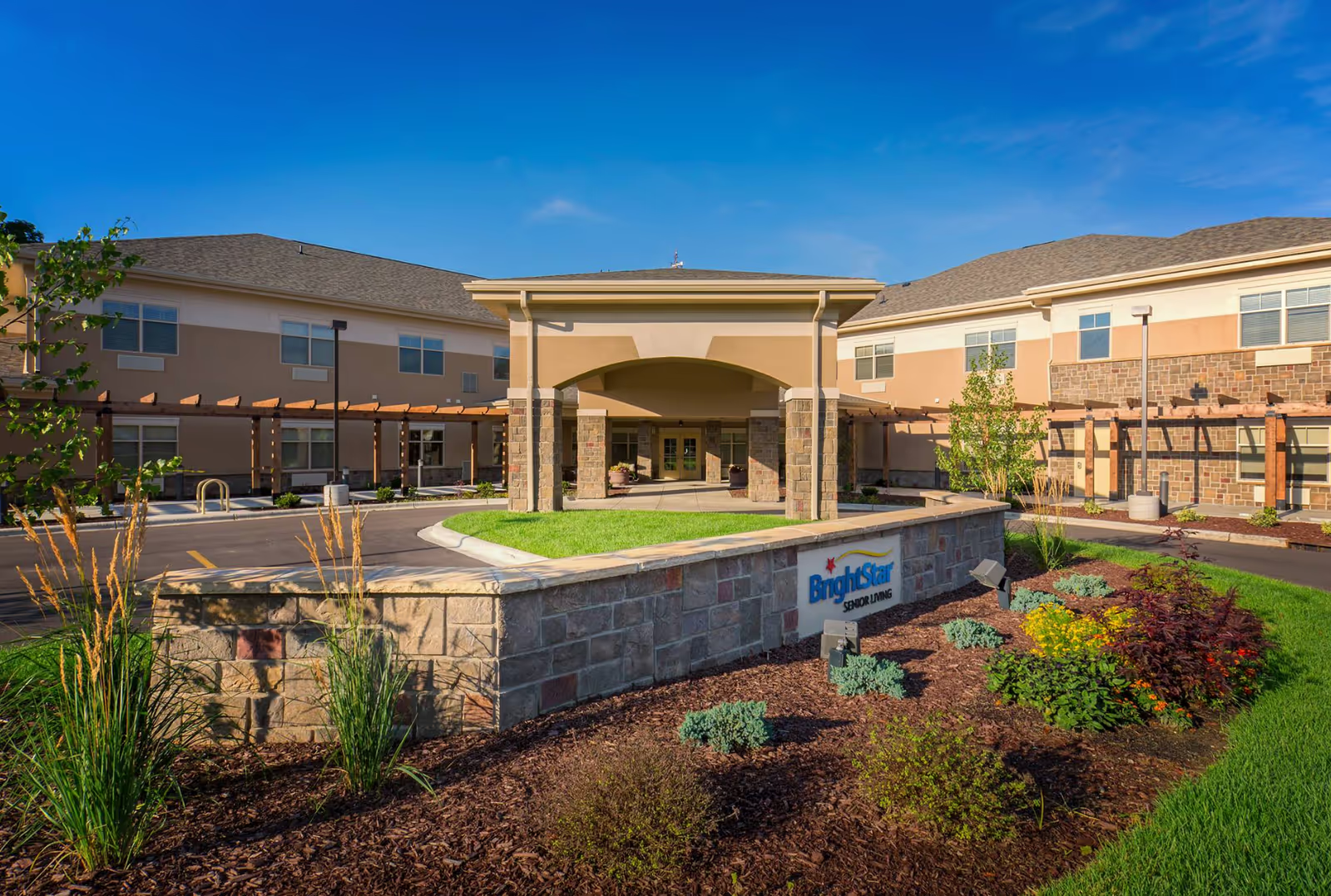
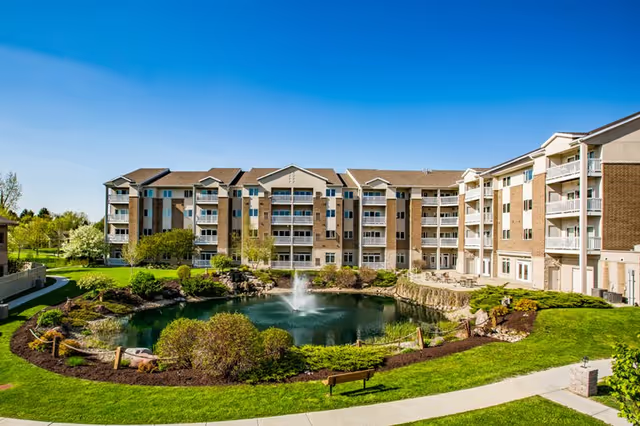
Facilities and environment: The physical environment is repeatedly described as clean, cozy, and well maintained, with pleasant interior and exterior spaces. Reviewers emphasize a homelike setting and a secure environment, supporting a sense of comfort and safety for residents.
Management and operational patterns: Ownership is generally viewed as accessible and accommodating, which appears to reinforce the facility’s family-centered culture. However, there are indications of operational weaknesses: at least one account describes unresponsiveness and a missed weekend assessment, suggesting occasional lapses in administrative follow-through and assessment continuity. These comments point to intermittent gaps in scheduling, communication, and managerial responsiveness rather than pervasive clinical-care deficits.
Notable patterns and recommendation: The dominant pattern in these reviews is strong person-centered care and supportive end-of-life services delivered within a small, well-kept community. The primary operational concern to vet further is consistency of administrative responsiveness and assessment follow-through. When evaluating this facility, families may want to ask about routine assessment schedules, on-call or weekend clinical coverage, and the facility’s communication policies for families to ensure expectations for follow-up and administrative responsiveness are clear.