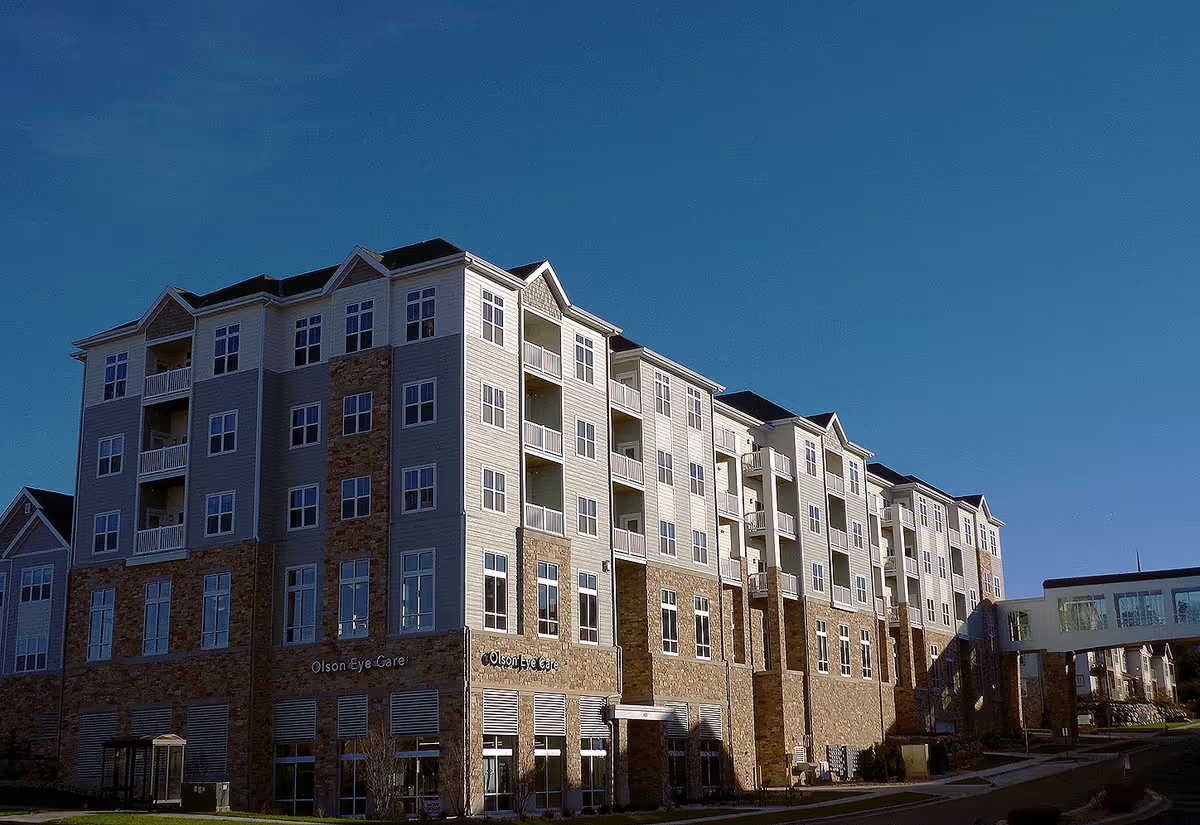
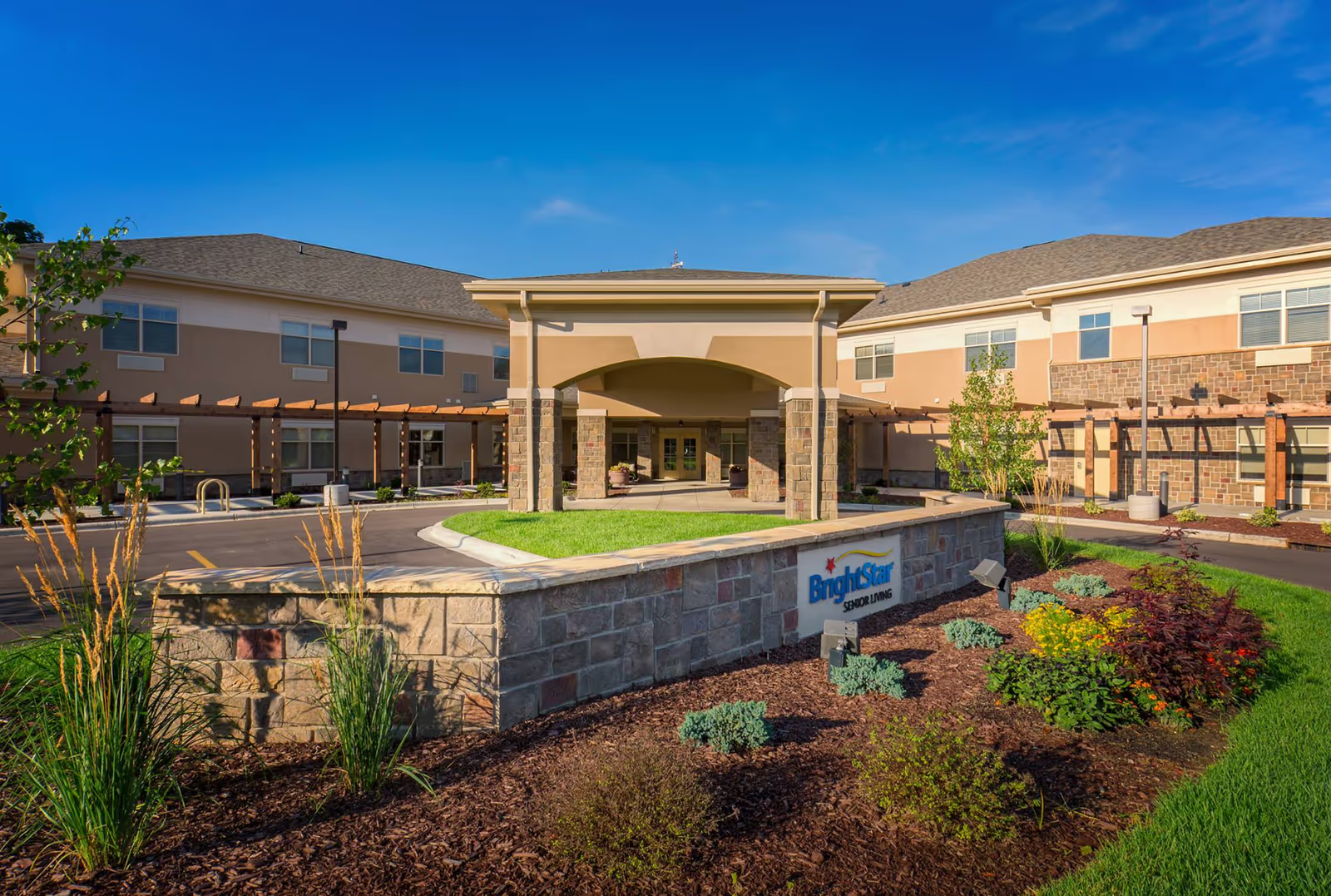
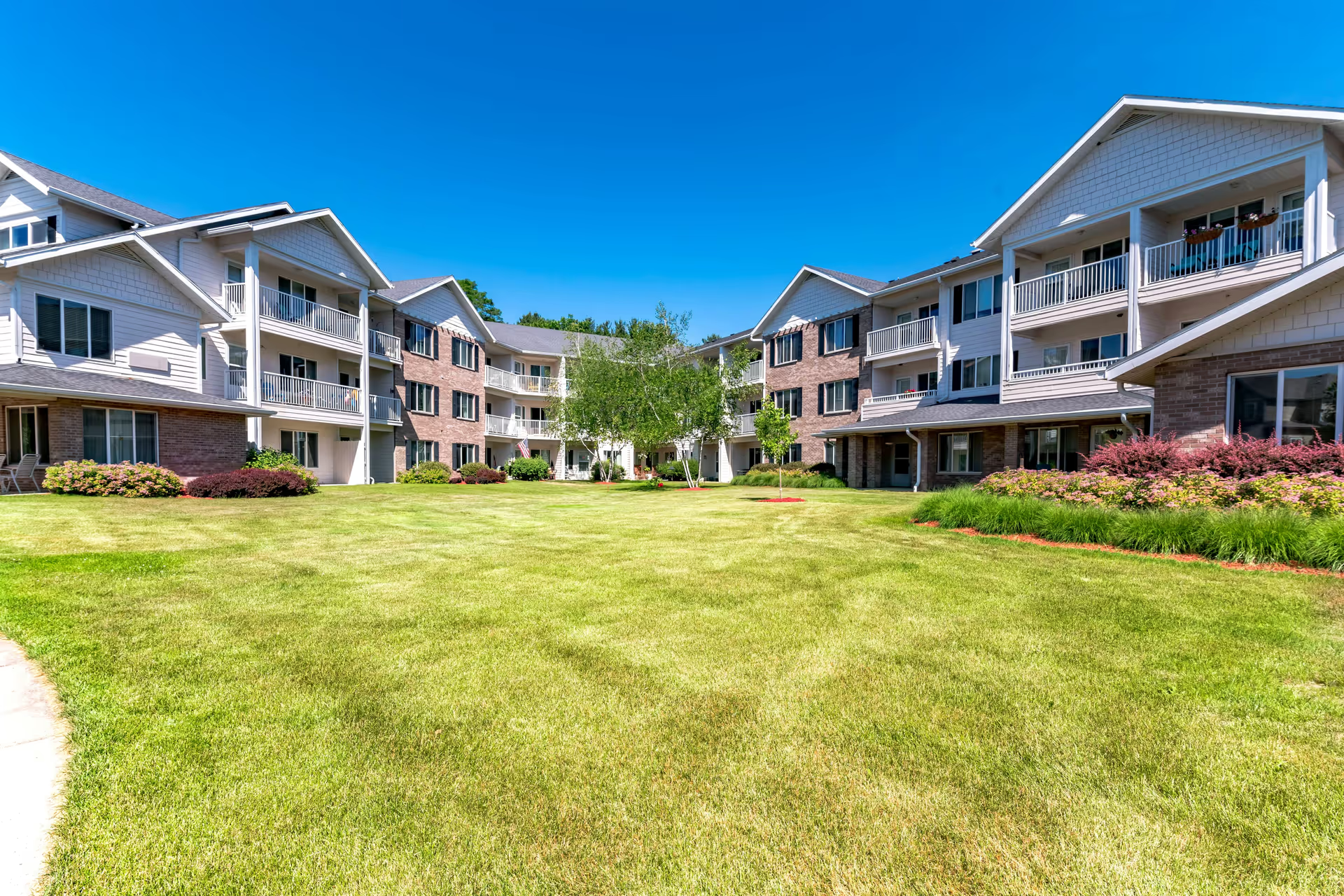
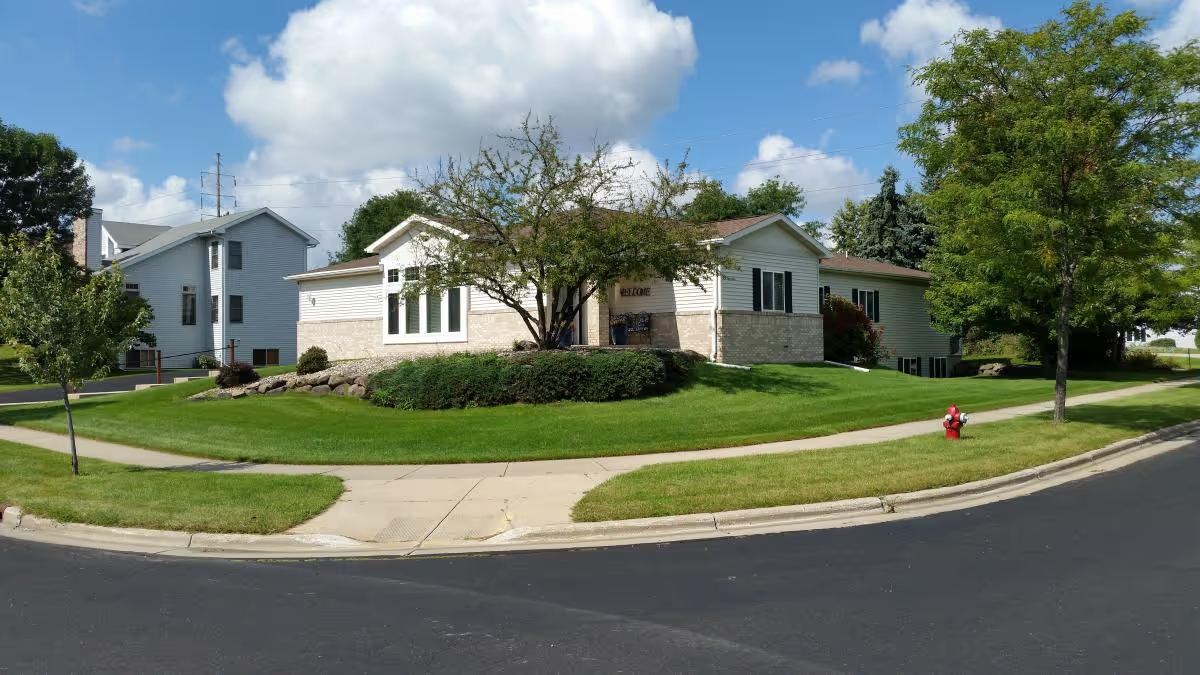
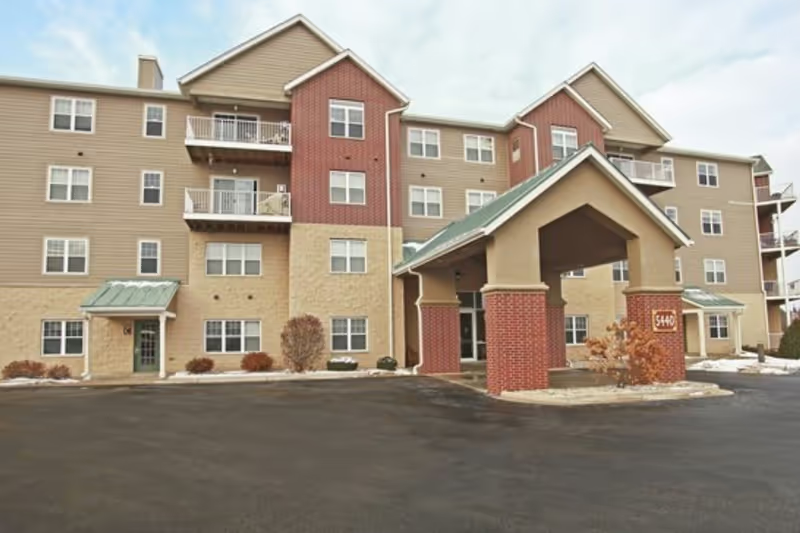
Coventry Village presents as a large, well‑maintained campus with many attributes that attract independent older adults and families seeking an active, social community. Physical amenities are frequently praised: apartments are described as spacious, bright, and accessible, with common areas that include a library, computer room, pub, and well‑kept outdoor features such as a pond and walking paths. Maintenance and groundskeeping receive consistent positive feedback, and the facility offers on‑site transportation and clear floor‑plan and pricing information that families find helpful during tours.
Programming and community life are among the facility's strongest features. Reviewers highlight a wide and varied activity schedule (clubs, arts, exercise classes, choir, mini golf, and regular social events), strong spiritual care and chaplain involvement, and memory‑care programming that uses engagement‑focused approaches such as Montessori techniques. These elements support a socially vibrant environment and contribute to residents’ sense of connection and purpose.
Dining and daily living services earn generally positive comments for home‑style meals and friendly dining staff, but reviewers also note limitations. Dinner options are described as narrow and dietary accommodations (particularly vegetarian choices) are not always well met. Families should clarify current menu variety and special‑diet procedures during a visit.
Care quality and clinical operations show mixed signals. Many reviewers praise individual caregivers and named nursing staff for compassion and competence, and some families report improved mobility and regained independence. At the same time, there are repeated operational concerns: understaffing and high turnover, delays in responding to call lights, gaps in overnight clinical coverage, and inconsistent adherence to individualized care plans. There are also specific mentions of assistive‑device management lapses (for example, devices not placed or charged) and instances where families engaged hospice for additional support. Prospective residents with higher medical or supervision needs should verify staffing ratios, night coverage, and the facility’s escalation protocols.
Sanitation and maintenance issues are generally localized but notable. While grounds and many interiors are well cared for, reviewers indicate bathroom maintenance and some common‑area cleanliness concerns that should be reviewed in person. Administrative concerns appear intermittently as well: several reviewers point to billing inconsistencies (including discount application), variable management presence, and an occasional perception that marketed services exceed on‑the‑ground capacity.
In summary, Coventry Village offers a compelling option for independent older adults who prioritize social engagement, spiritual programming, and a well‑appointed campus. The facility’s strengths include active, resident‑centered programming, responsive maintenance, and a supportive community culture. Families considering higher levels of care or memory support should perform targeted due diligence: ask for current staffing levels and turnover statistics, overnight clinical coverage plans, examples of care‑plan enforcement, dining accommodation policies, and documentation of administrative/billing practices. Those steps will help determine whether the facility’s operational capacity matches the prospective resident’s medical and supervision needs.