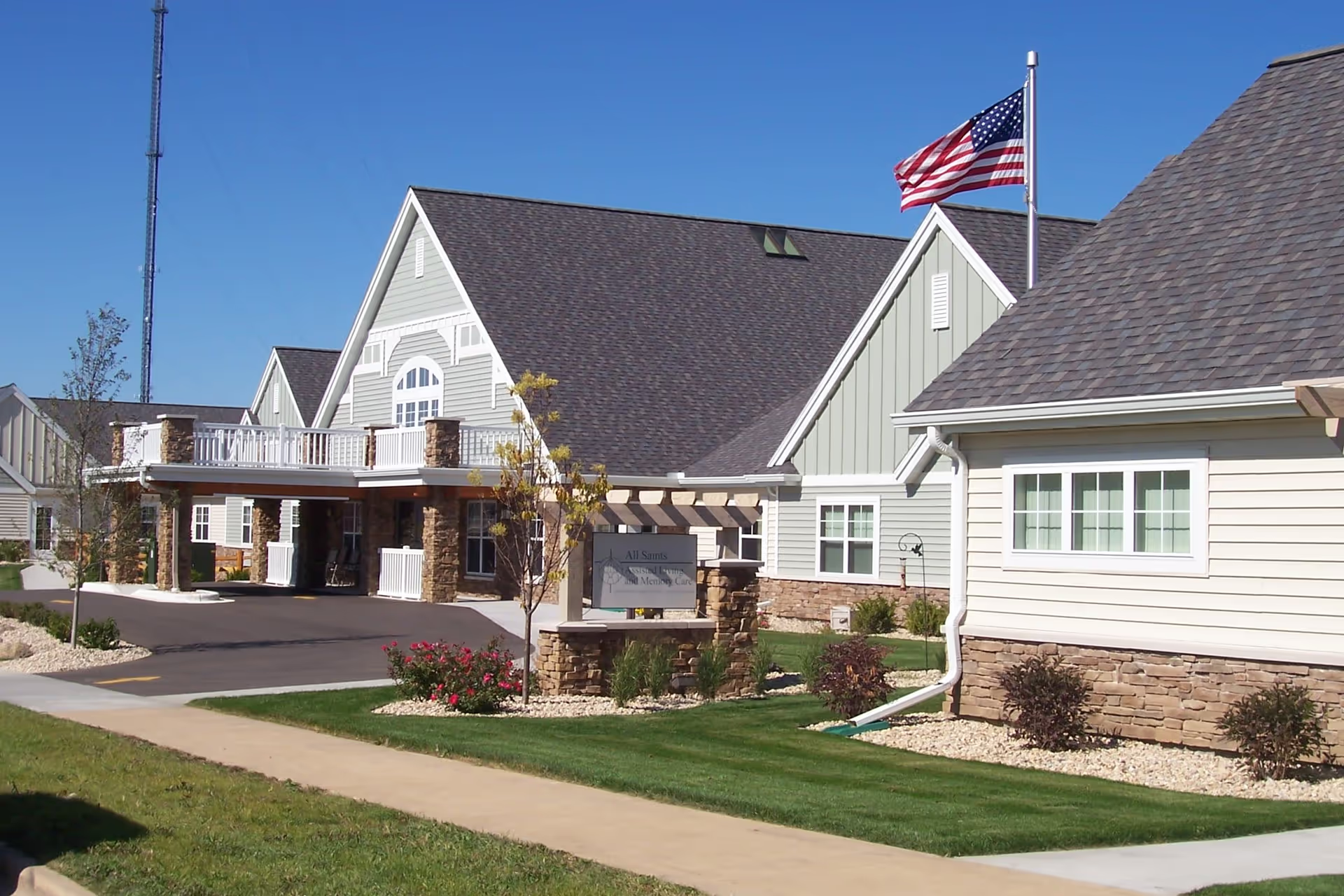
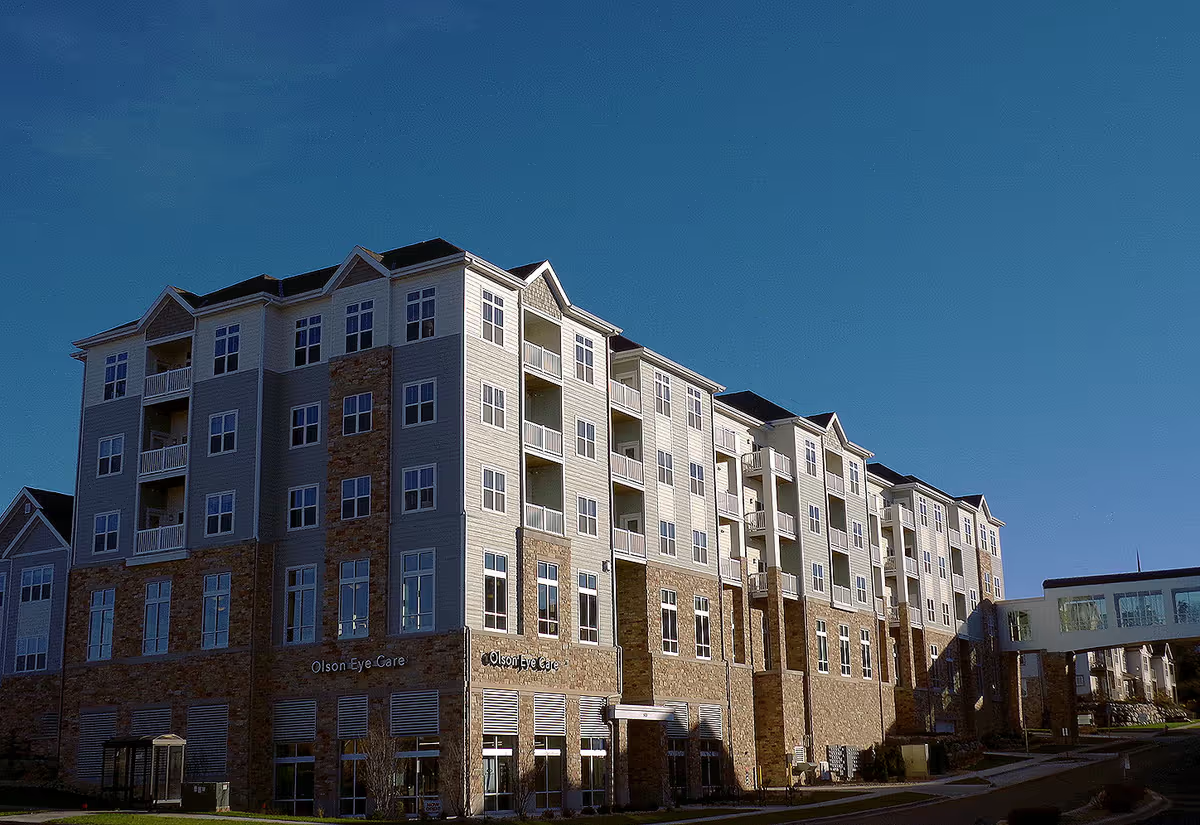
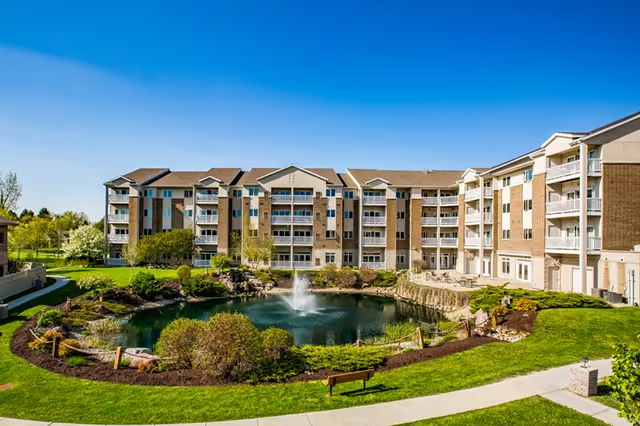
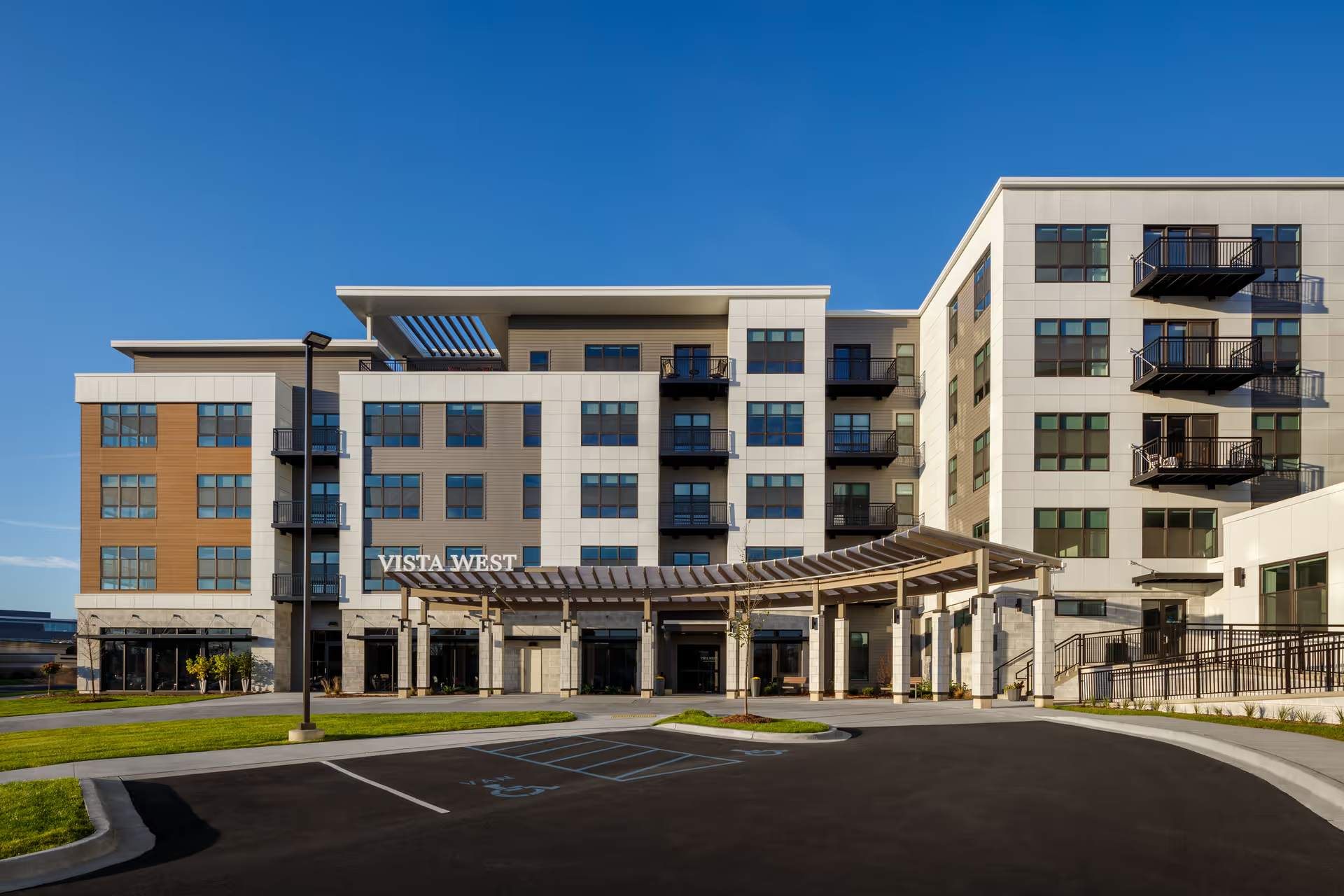
Overall impression: The community is frequently described as warm, social, and well-appointed, with many residents and family members highlighting strong interpersonal connections between staff and residents. The facility projects an inviting, hotel-like ambiance in its public spaces; reviewers commonly note bright dining rooms, outdoor seating, and multiple activity rooms. Many families cited successful transitions and a real sense of community for residents who are independent and socially active.
Care and staff: Staff are the most consistently cited strength. Caregiving personnel, managers, and servers are described as attentive, compassionate, and relationship-oriented; cross-trained staff and long-tenured caregivers are also noted. At the same time, reviewers describe staffing instability in some departments (notably dining and housekeeping), which has produced service delays or reduced support at times. There are also isolated concerns about timeliness of responses and privacy practices (for example, unannounced entry into apartments), which prospective families should clarify during tours and intake.
Dining and meal service: Dining is a prominent feature of the community. An on-site chef, restaurant-style service, and a three-meal-a-day model with multiple menu choices draw strong praise. Where concerns arise they center on inconsistency over time: menu changes after chef turnover, occasional cold or underprepared dishes, shortened meal-service windows, and buffet formats that can be difficult for mobility-impaired residents. Prospective residents should ask about meal-service cadence, accommodations for dietary restrictions, and how menu changes are communicated.
Activities and transportation: Activity programming is broad and generally robust—regular lectures, live music, art classes, exercise, religious study options, and frequent off-site trips via a community shuttle are commonly mentioned. The shuttle and transportation services enable social and medical appointments, though some reviewers flagged limited hours, coordination problems, or missed pickup incidents. Those relying on facility transportation should confirm schedules and contingency plans.
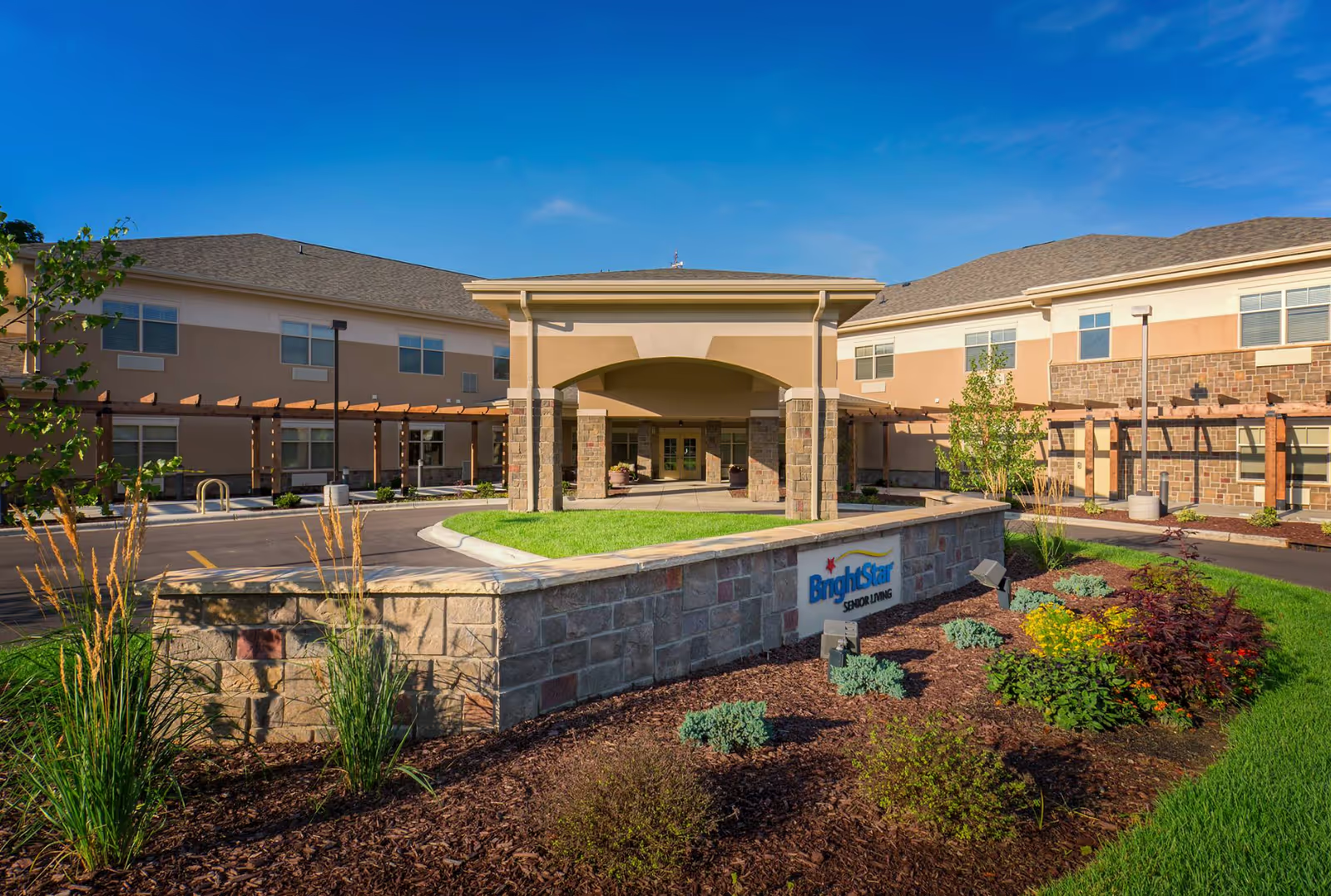
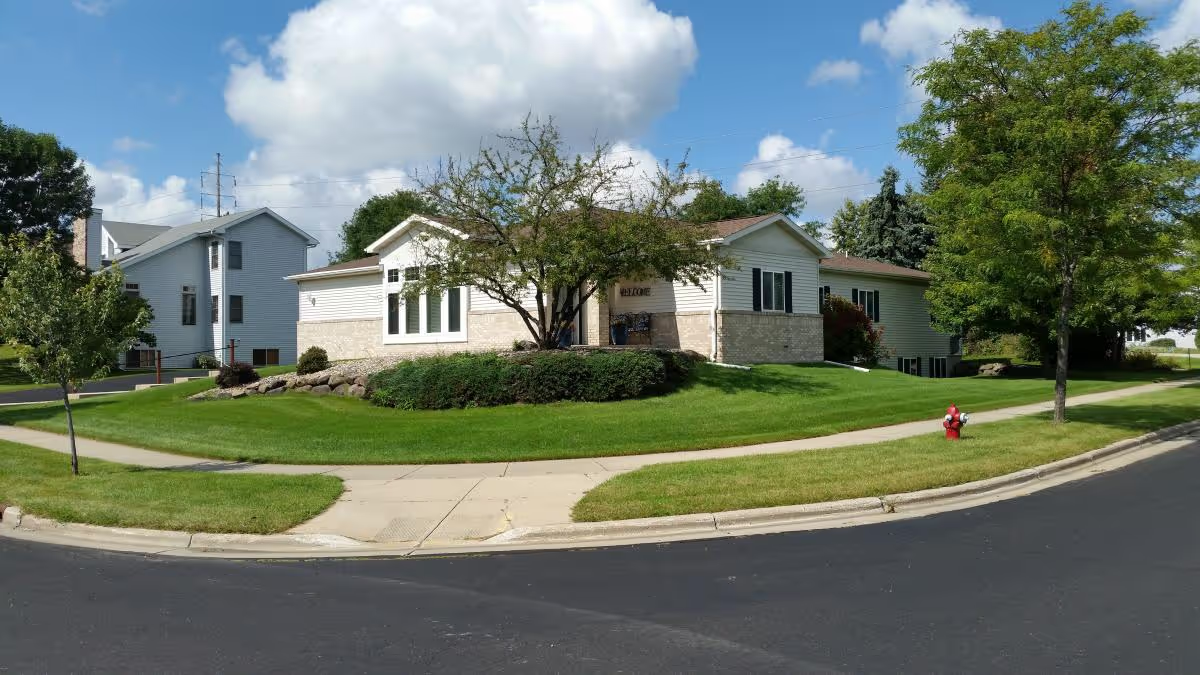
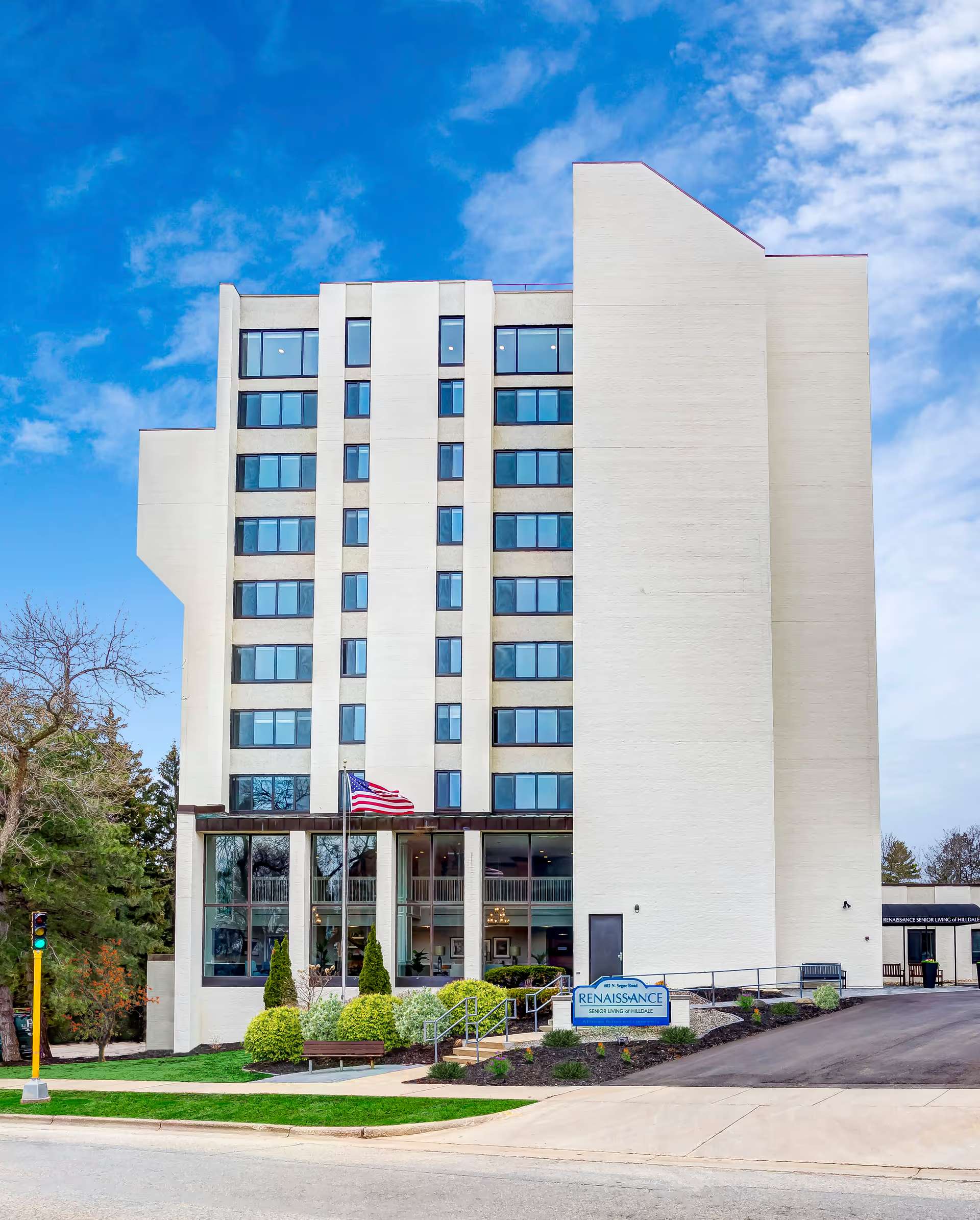
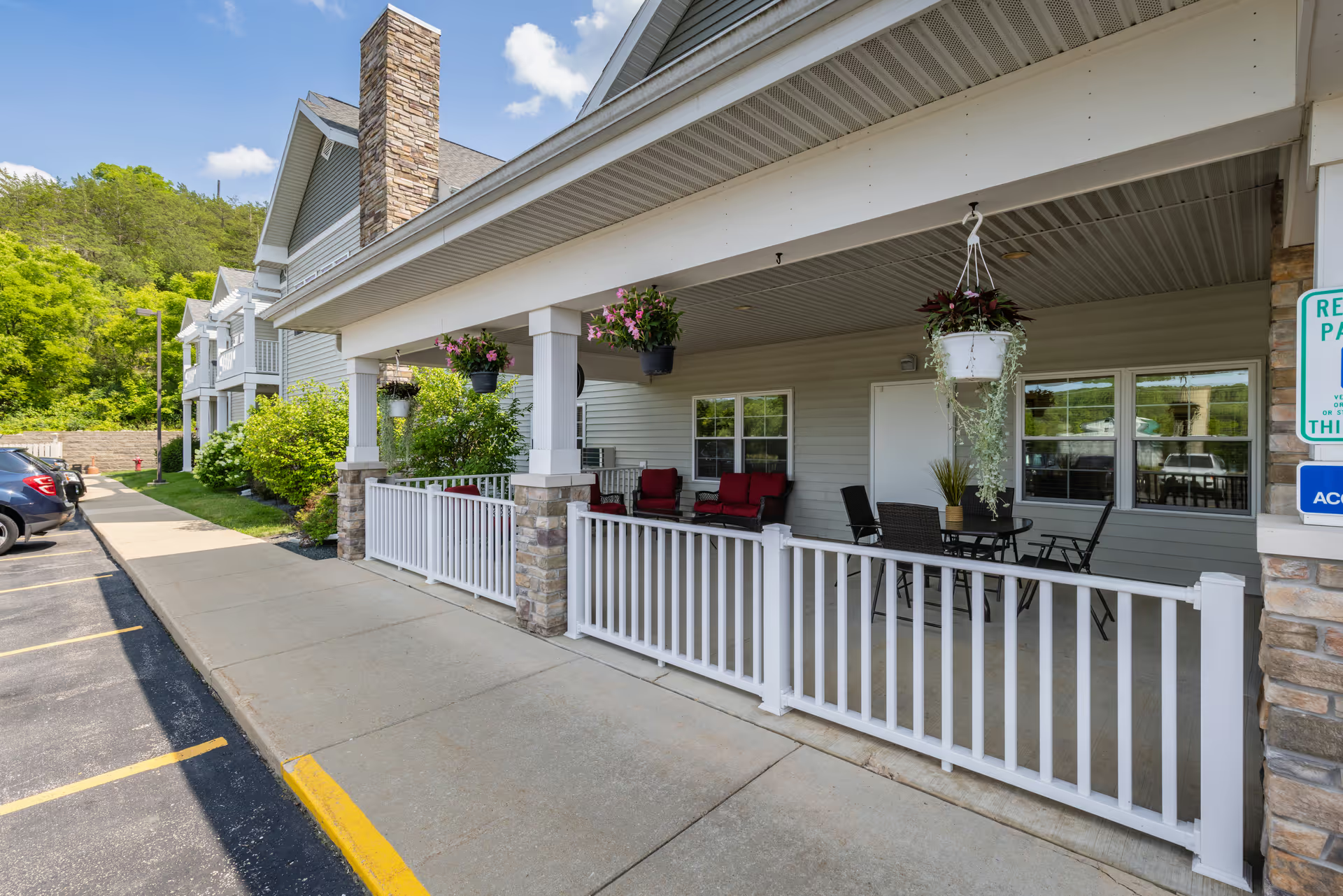
Facilities and apartments: The campus and grounds are often described as attractive and well-kept, with multiple common areas, salon services, and onsite therapy options cited as conveniences. Apartment size and layout are recurring trade-offs: many one-bedroom units are described as bright but compact and lacking full kitchens; two-bedroom units are available but at higher cost. Physical-plant issues are intermittent in reviews—carpeting, aging finishes, a single small elevator that can cause waits, and variability in housekeeping frequency—so a site visit to inspect a prospective unit and common areas is advisable.
Management, fees, and operational patterns: Management impressions are mixed. Several reviewers praise responsive managers and a personalized onboarding experience; others describe turnover in management, inconsistent communication, and disputes around invoices, VA eligibility assistance, or transfer and activity fees. Fee transparency and contract terms are a recurrent concern—undeclared or unclear fees, potential rent increases, and pressure around lease timing have been raised. Prospective residents should request an explicit fee schedule, written policy on rent/fee adjustments, and copies of sample leases and move-out/transfer charges.
Notable risks and recommendations: Strengths center on people—staff warmth, an active social environment, and a strong dining focus. Risks are operational: inconsistent staffing levels, variability in meal and housekeeping quality, limits to clinical continuum-of-care on-site, transportation coordination issues, and occasional facility maintenance or sanitation concerns. Families should validate clinical capabilities and aging-in-place policies, confirm how the community handles dietary restrictions and care escalations, review billing and fee disclosures in writing, and do an on-site inspection of the exact apartment and common areas they would occupy. For socially engaged, independent seniors who value dining and activities, the community offers many positives; for residents with progressive clinical needs or those requiring tight budget predictability, additional due diligence is warranted.