All Saints Memory Care presents as a well-maintained, professionally run memory-care community with a clear emphasis on respectful, compassionate caregiving. Families describe staff as attentive and accessible; multiple accounts highlight specific employees who provide helpful, honest communication and supportive supervision. The community operates an established memory-care program with daytime RN coverage and 24/7 on-call nursing support, and offers hospice and end-of-life coordination when needed.
Clinical and daily-care observations are generally positive. Reviewers emphasize attentive supervision, dignity and respect in staff–resident interactions, and active family involvement. The facility's clinical model appears to rely on on-site RN availability during business hours with on-call coverage overnight; this provides clinical oversight but indicates limited continuous on-site skilled-nursing staffing. Reviewers expressed appreciation for the hospice support and communication around end-of-life care.
Dining and programming are notable strengths. The dining program is described as plentiful and tasty by many families, with optional paid-meal choices for assisted-living residents. At the same time, there are intermittent comments about food quality inconsistencies. The activity schedule is broad and varied — exercise classes, crafts, dominoes, bingo, Wii bowling, guest speakers, movies, and community events — and appears effective at promoting socialization and friendships. Religious programming (daily Mass, visiting pastor, chapel) and practical on-site services (hair salon, vision services, banking visits) add convenience and support resident preferences.
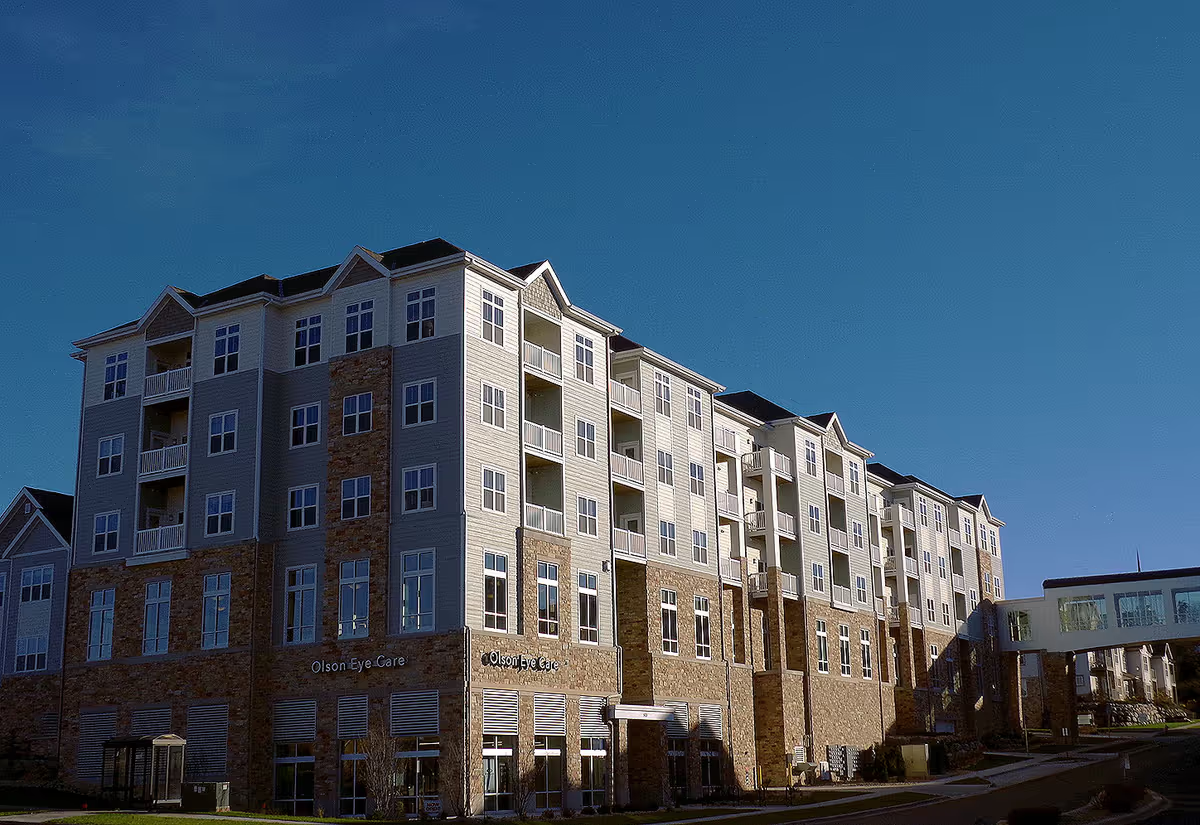
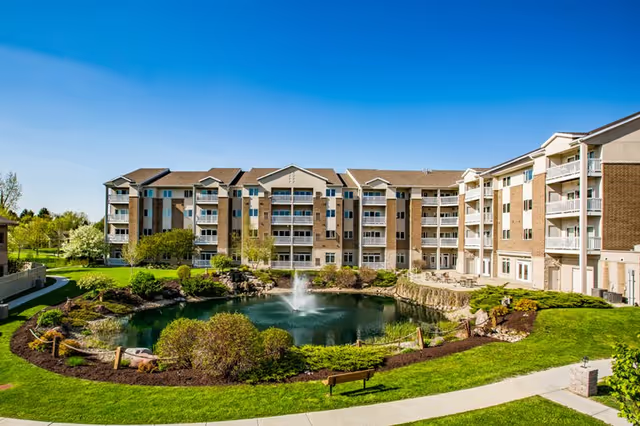
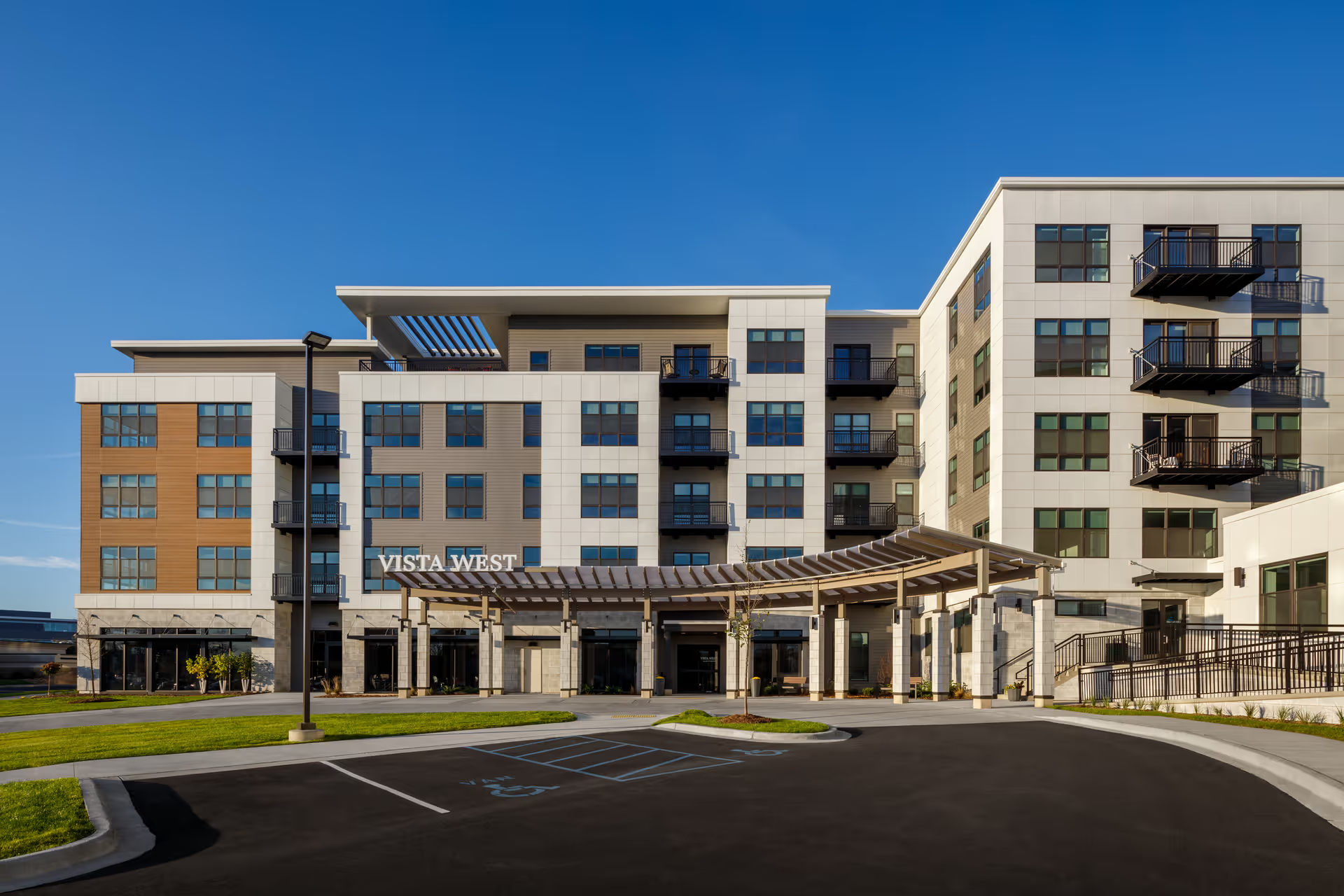
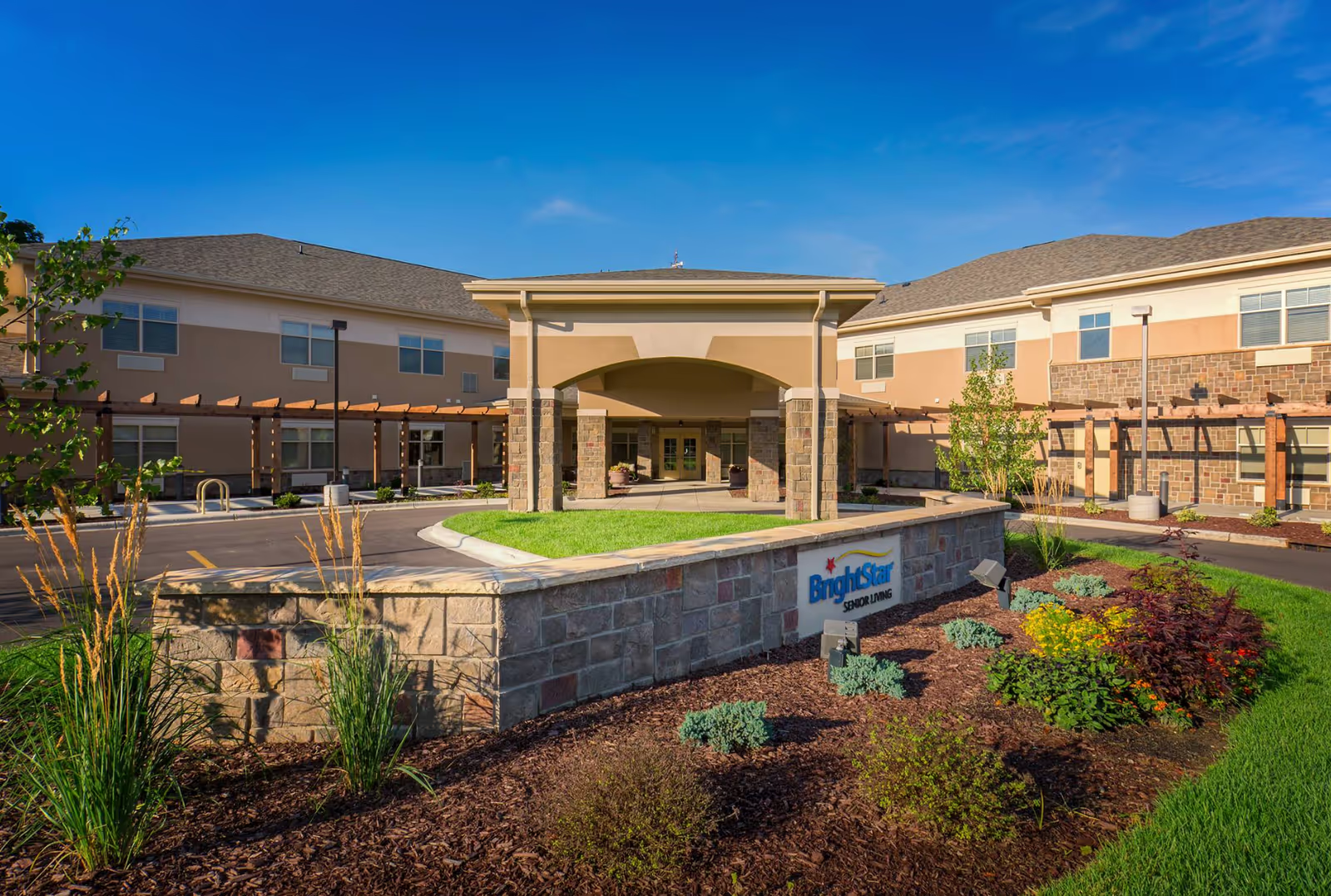
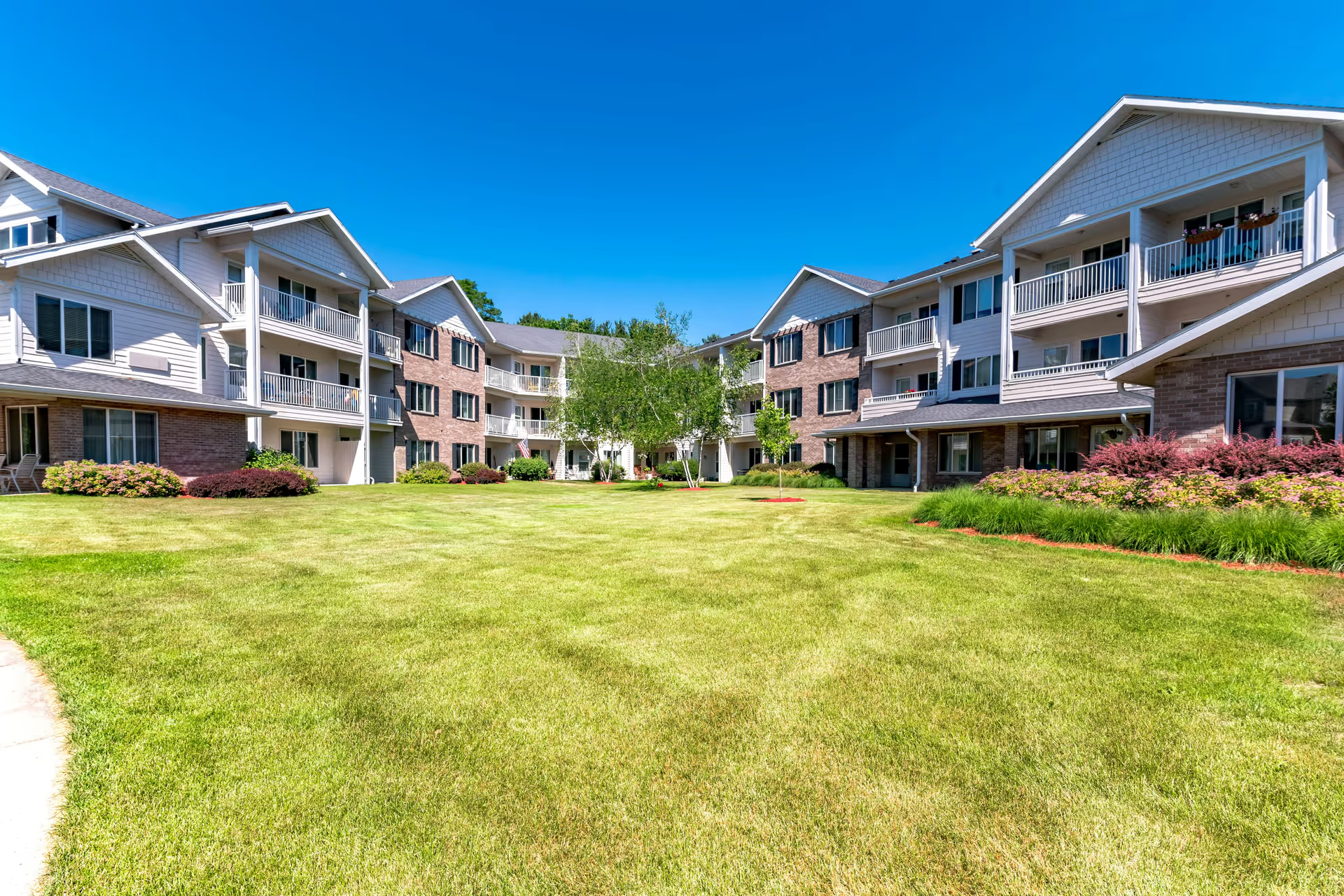
The physical plant is described as clean, modern, and attractive, with large rooms and an open cafeteria. However, the facility layout draws mixed reactions: a newer footprint and good room size are positives, while long hallways and a spread-out floorplan may feel less homelike for some and can increase the need for transfers across common areas. Several comments point to bathroom locations that require residents to walk across the hall, which, together with other notes, suggests opportunities to strengthen falls-prevention and mobility-assistance practices.
Management and operations receive generally favorable comments about communication and responsiveness — quick work-order handling and proactive updates are noted. Still, there are occasional instances of inconsistent non-clinical maintenance responsiveness and disruptive events related to construction. Cost and demand are practical considerations: the community is described as relatively expensive and may have a waiting list, which could affect access and timing for prospective residents.
Overall, All Saints Memory Care appears to deliver a high level of person-centered memory-care services with strong programming, supportive spiritual services, and a clean, modern environment. Prospective families should balance those strengths against operational considerations such as limited continuous on-site skilled-nursing coverage, dining-room acoustics for residents with hearing loss, layout-related mobility issues, and potential construction or maintenance disruptions. A focused assessment of individual mobility needs, hearing accommodations, and insurance/cost expectations is recommended during a tour and clinical intake discussion.