Overall impression: Reviews emphasize a high level of hands-on, person-centered care at All Saints Neighborhood. Families repeatedly highlight compassionate, patient, and creative staff who prioritize resident dignity and quality of life; several accounts describe consistent caregivers, timely communication about daily life, and leadership that contributes to a family-like atmosphere. Activity programming and resident social interactions are described as engaging and beneficial to wellbeing, while the facility environment is characterized as clean and well-maintained with generally good food service.
Care and staff: Strengths center on the caregiving team. Staff are frequently described as responsive, kind, and attentive to individual needs, with examples of proactive reporting and collaborative teamwork. Consistent assignment of caregivers is noted to support continuity of care and relationship-building, and families report that their relatives were treated as unique individuals. At the same time, a few reviews indicate operational gaps: specifically, communication about changes in incontinence care decisions can be unclear, and some families have experienced privacy intrusions when staff enter rooms without sufficient notice.
Dining and activities: The activities program receives strong praise for being stimulating and creative, contributing positively to resident engagement. Meal quality is generally described as acceptable to good, with regular service and a welcoming dining environment. One recurring operational concern is the facility's dining policy, which some families view as restrictive; prospective families may want to ask about how dining rules are implemented and whether accommodations can be made for individual preferences.
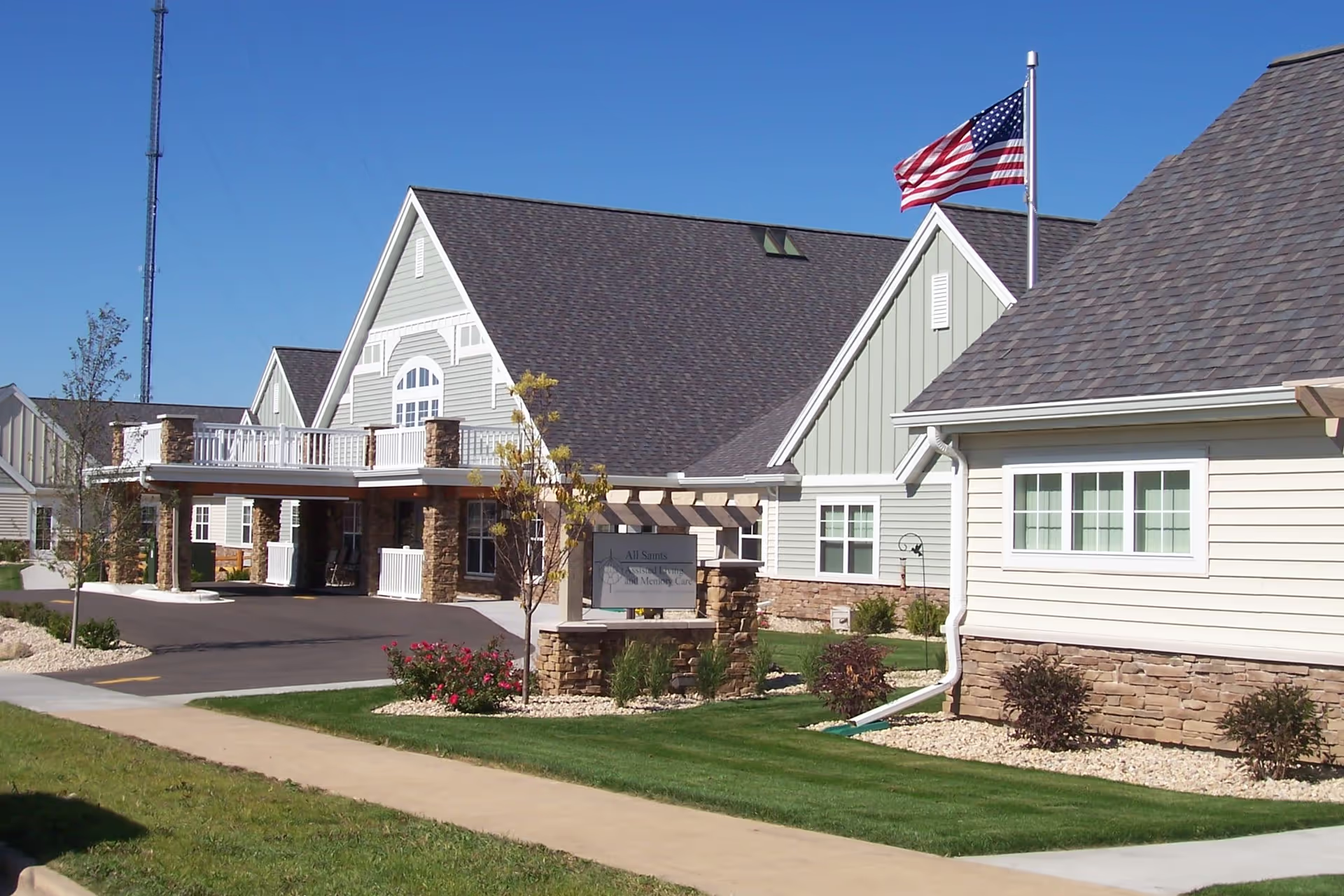
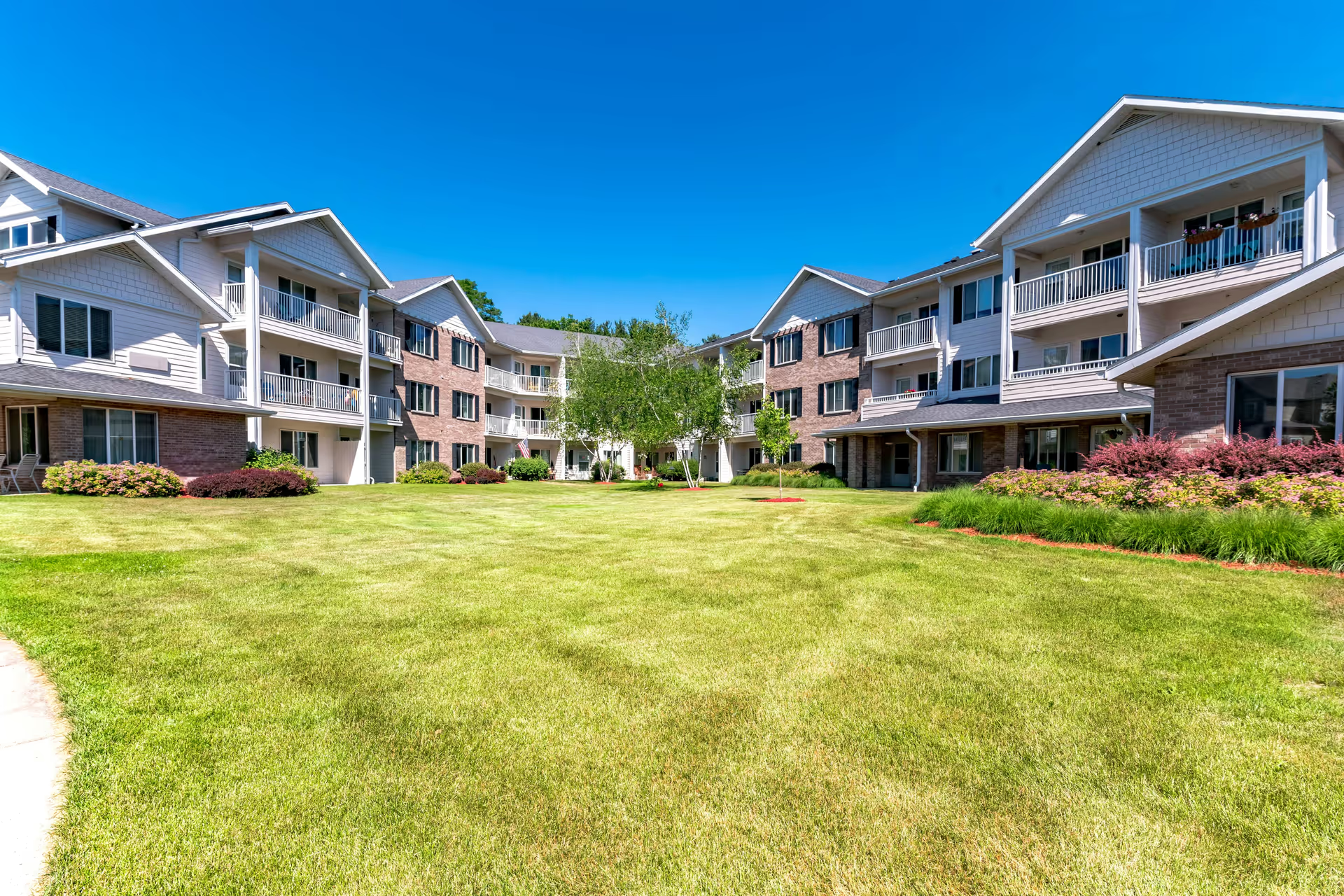
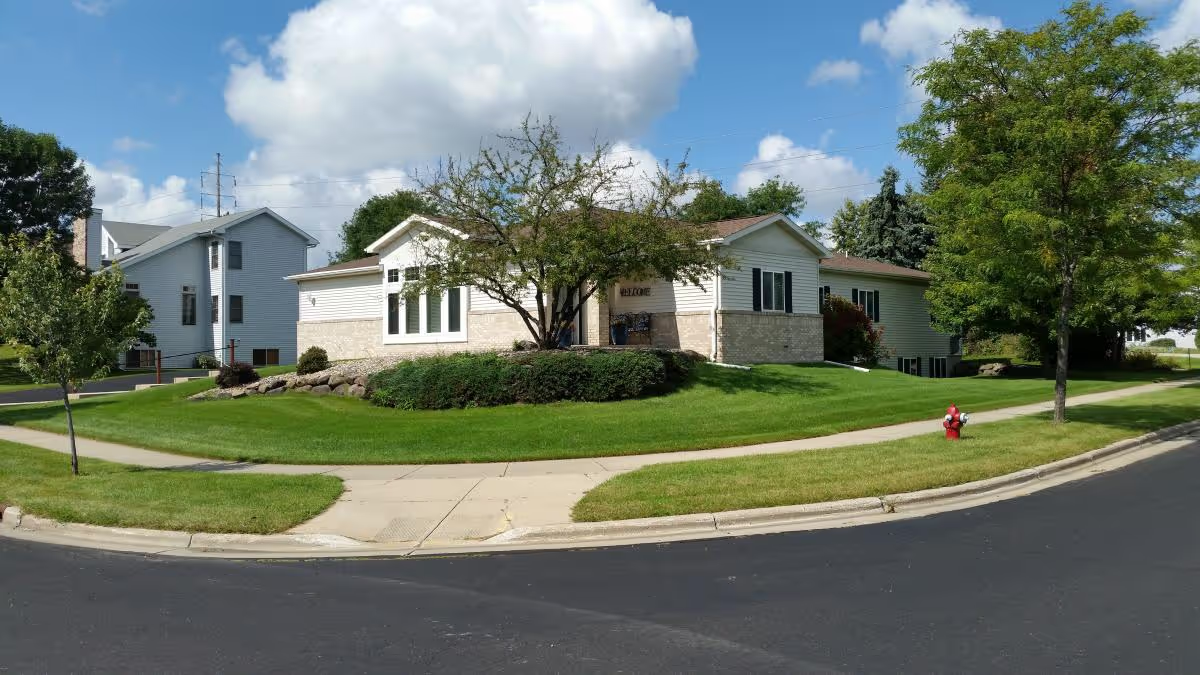
Facilities and management: The physical facility is reported as clean and well-kept, and reviewers note attention to detail in housekeeping. Management impressions are mixed: many families credit leadership with creating a positive culture and effective clinical oversight, while others raise concerns about management support for frontline staff and a businesslike administrative tone. A small number of families mentioned specific administrative issues — for example, timing and transparency of final billing and how billing matters were handled at emotionally sensitive moments — suggesting that billing practices and administrative communication could be clarified.
Notable patterns and guidance for families: The dominant pattern is strong direct care and an engaging community life balanced against a handful of operational issues around privacy, communication about personal-care changes, dining policy flexibility, and administrative transparency. Prospective residents and families should consider visiting during program hours to observe staff–resident interactions, ask about caregiver continuity, inquire about protocols for privacy and in-room care, request the written dining policy, and clarify billing practices and points of contact for administrative questions. These targeted inquiries can help determine whether the facility’s strengths align with a family’s priorities and whether the noted operational concerns are addressed to their satisfaction.