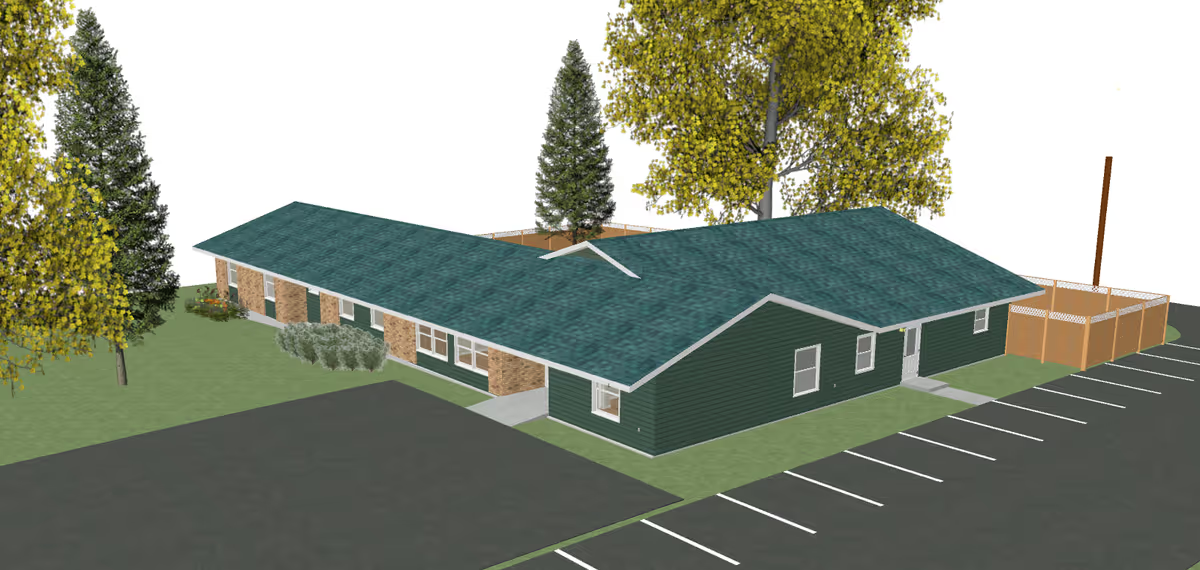
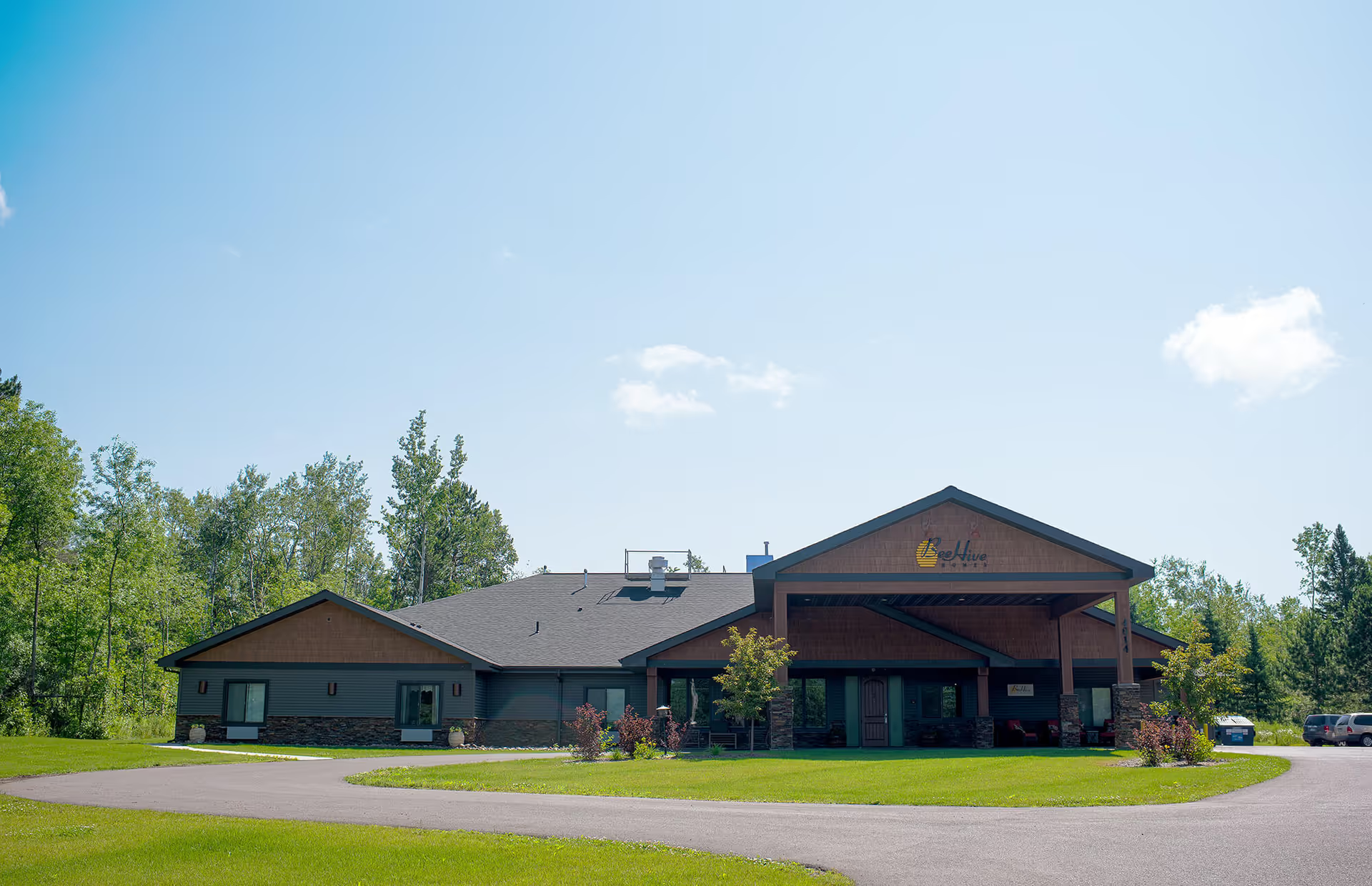
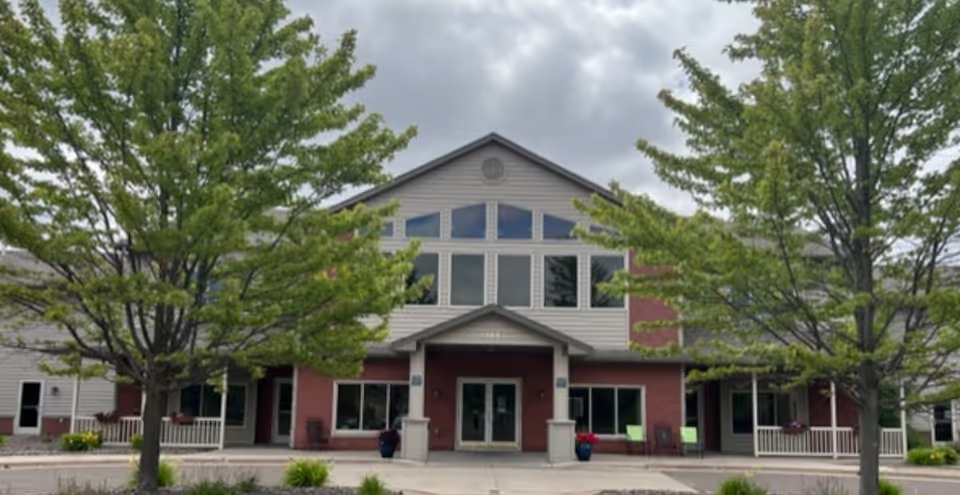
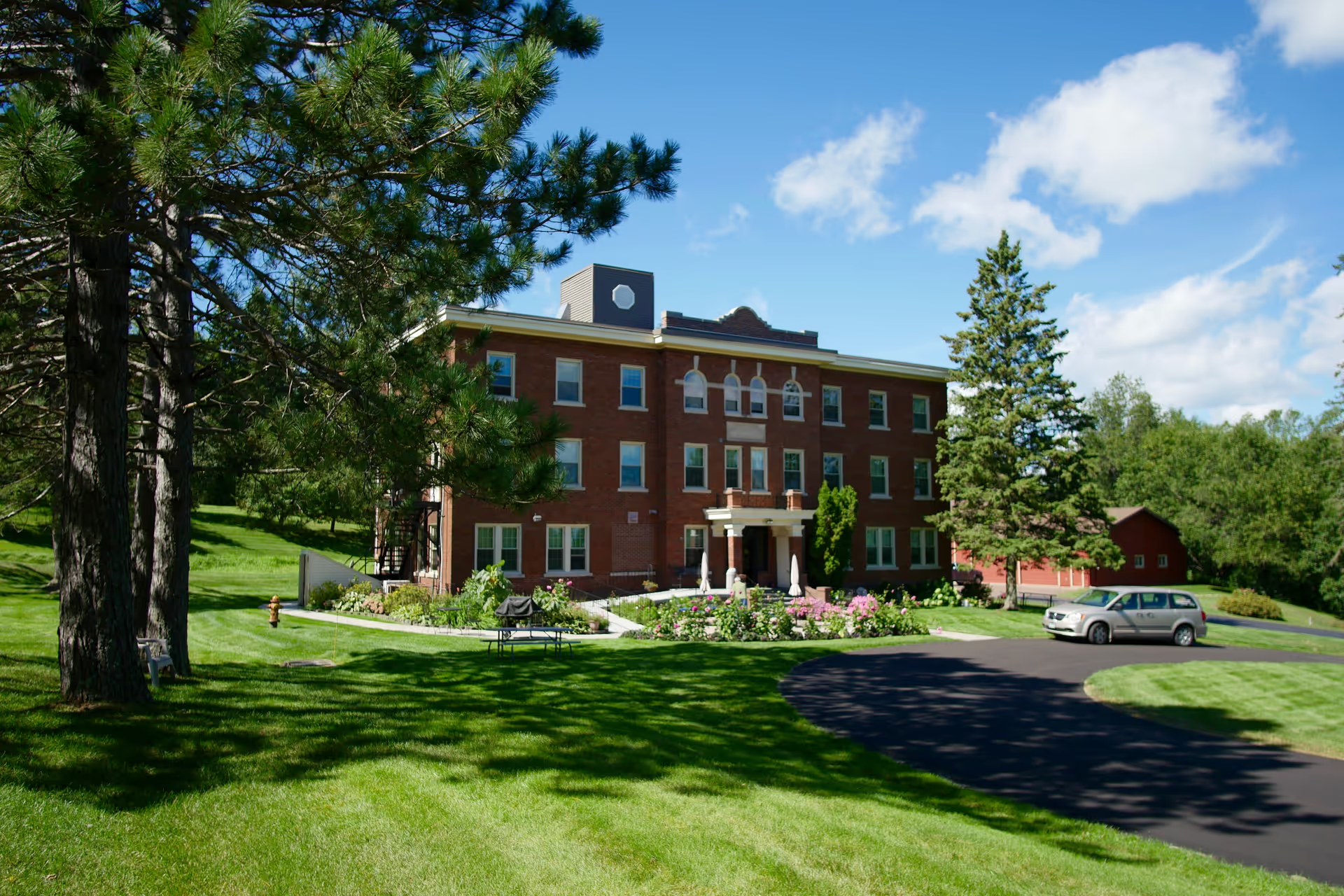
Overall sentiment across the reviews is mixed but clustered around two major narratives: the facility's physical environment and program offerings are widely praised, while operational and clinical execution (especially nursing and management) receive recurring criticism. Many reviewers highlight an upscale, hotel-like atmosphere with warm décor, comfortable dining rooms, and high-quality amenities such as a swimming pool, beauty shop, cafe/bar, restaurant-style dining, on-site therapy/rehab, and a well-laid-out building. Families frequently note the community is clean, attractive, and offers multiple levels of care including assisted living and memory care. The availability of on-site therapy, scheduled exercise, church services, and varied social events (coffee & donuts, ice cream socials, BBQs, Mardi Gras parties, movie nights, music programs, puzzles, and baking activities) is repeatedly cited as a strength that supports resident engagement and quality of life.
Care quality and frontline caregiving produce a split picture. Certified nursing assistants (CNAs) and many caregiving staff are consistently described as caring, helpful, and hardworking — several reviews call them "amazing" or "rock star" team members and note smooth transitions from hospitals or rehab. These staff members are often credited with creating a welcoming, supportive environment, particularly in memory care. However, nursing and clinical supervision are the most commonly reported weaknesses. Multiple reviewers describe unreliable or "awful" nurses, poor supervision of medications, and situations where residents were hurt or hospitalized. Several accounts suggest overnight or clinical shifts are short-staffed, and caregivers are stretched thin, which contributes to concerns about safety, inconsistent care, and lack of timely responses to needs.
Management, leadership, and organizational practices emerge as another frequent and significant concern. Reviews point to absent or ineffective management, inconsistent leadership quality (some managers described as not fit for their roles), and what many perceive as a lack of accountability. Specific operational failures tied to management include lost laundry, disengaged reception staff, wandering or unproductive staff, and billing irregularities — notably an allegation of attempted billing after a resident's death. These failures amplify family frustration because they affect resident dignity, privacy, and trust. Several reviewers explicitly call for stronger, more present leadership to address staffing, oversight, and consistency.
Dining and food service provoke sharply divided opinions. Several reviewers praise healthy choices, a pleasant dining environment, and family members who say their relatives "like the food." In contrast, a substantial number of negative comments focus on cold meals, poorly cooked or inedible food, and menus that are inappropriate for memory care residents. These inconsistencies point to variability in kitchen performance and meal delivery (temperature/quality), which is often tied back to staffing and service execution problems.
Activities and community life are generally regarded as a positive aspect of the facility. The breadth of programming — from exercise and pool times to social parties, music, and religious services — is a frequent positive mention. Some reviewers would like more encouragement for resident participation and better seating/hosting in dining spaces, indicating room for improvement in engagement strategies rather than program availability.
Safety, privacy, and cost concerns are notable patterns. Several reviewers raised alarms about residents entering other residents’ rooms, insufficient supervision, and incidents resulting in injury or hospitalization. Privacy concerns such as camera placement were also mentioned. Cost is another recurring theme: many reviewers feel the rent and fees are high relative to the level or consistency of clinical care provided, and billing practices (including a report of billing after death) contributed to perceptions of being overcharged or taken advantage of.
In summary, New Perspective Senior Living | Twin Ports is widely recognized for a high-quality physical environment, robust amenities, and many caring frontline staff who create a warm, activity-rich community. However, persistent issues with nursing reliability, staffing ratios, management presence and competence, food service consistency, billing practices, and safety oversight produce considerable dissatisfaction for a portion of families. The most actionable takeaways are that the community's strengths (facility, amenities, activities, and many dedicated caregivers) could be significantly amplified — and negative patterns mitigated — by stronger leadership, improved nurse staffing and supervision, better quality control in dining and laundry services, clearer billing transparency, and focused policies to ensure resident privacy and safety. Families considering this community should weigh the attractive environment and strong activity program against the reported variability in clinical care and management responsiveness, and ask specific questions about nurse staffing levels, supervision practices, recent leadership changes, incident reporting, billing procedures, and how the community ensures food quality and resident safety.