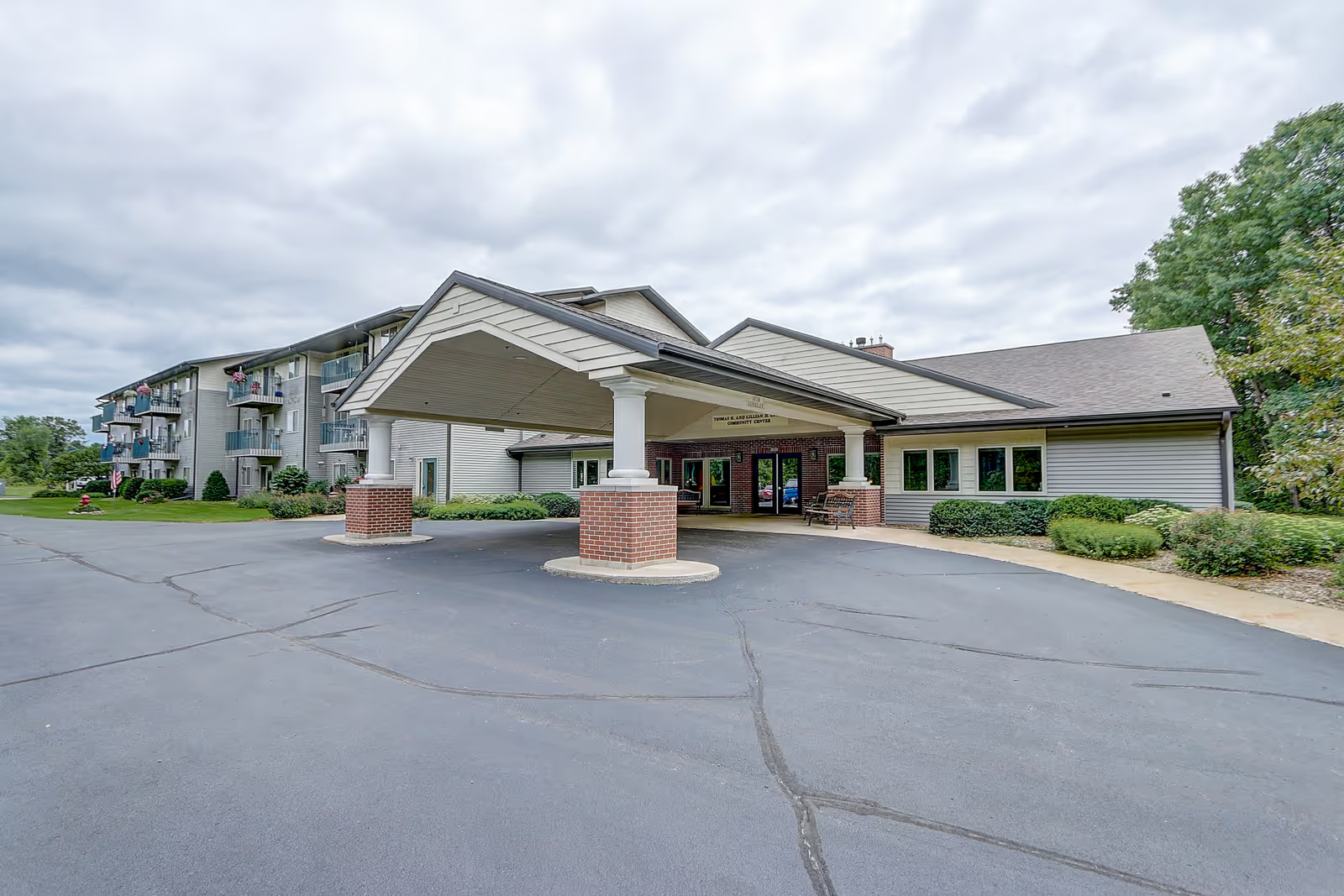
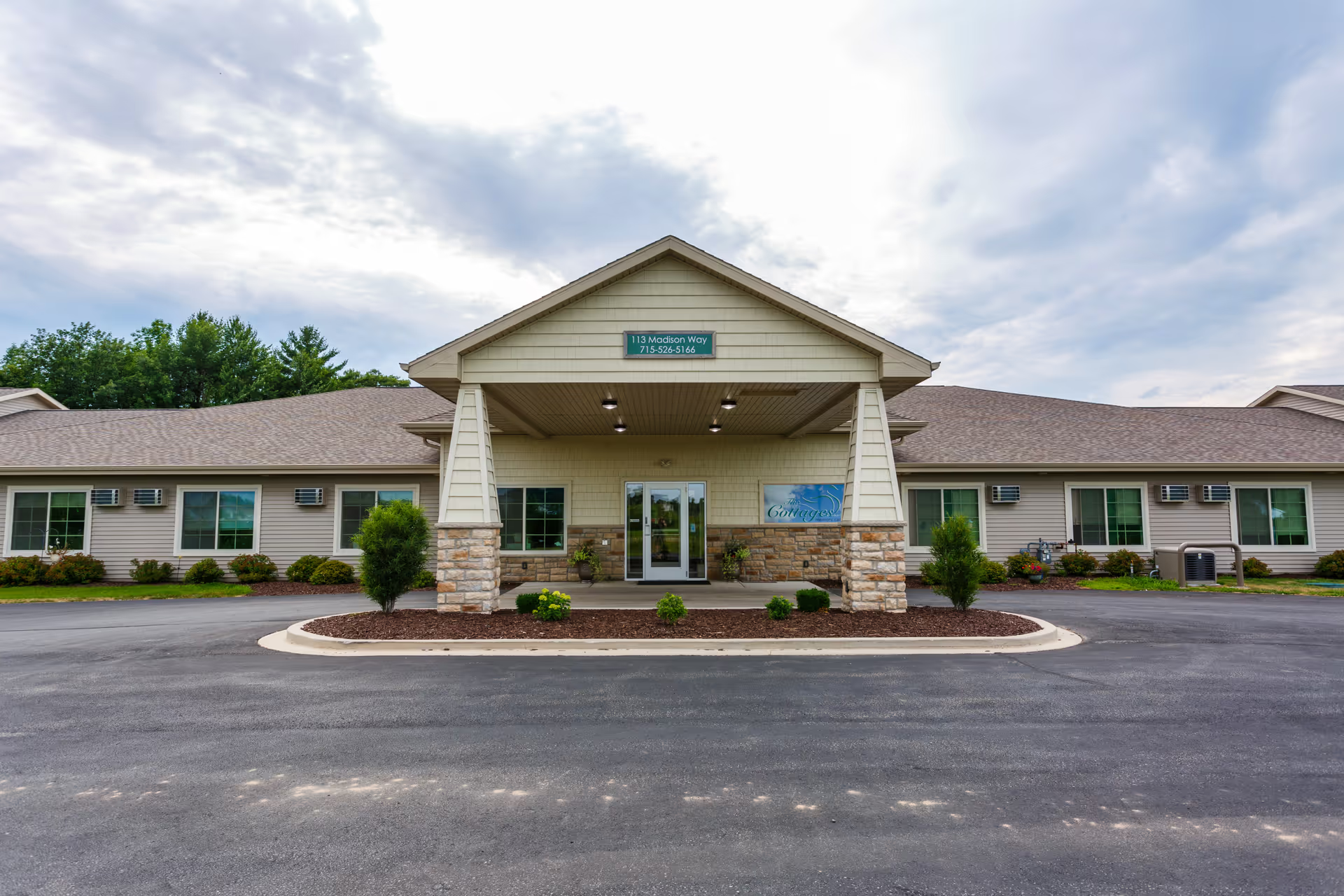
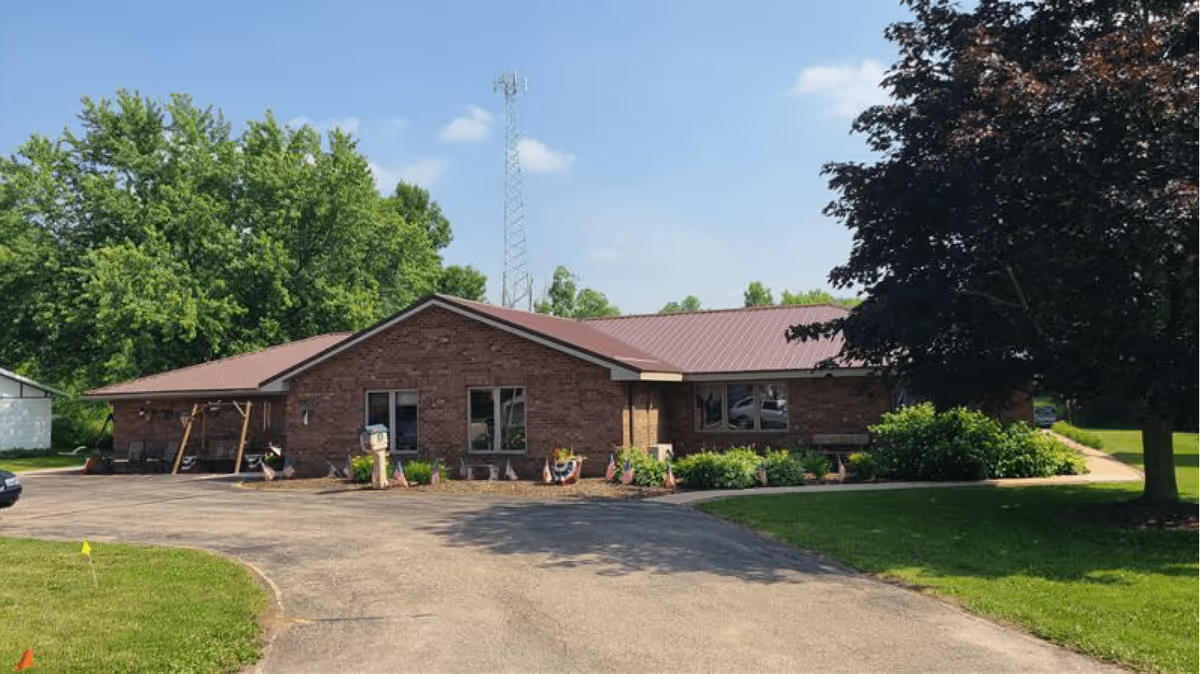
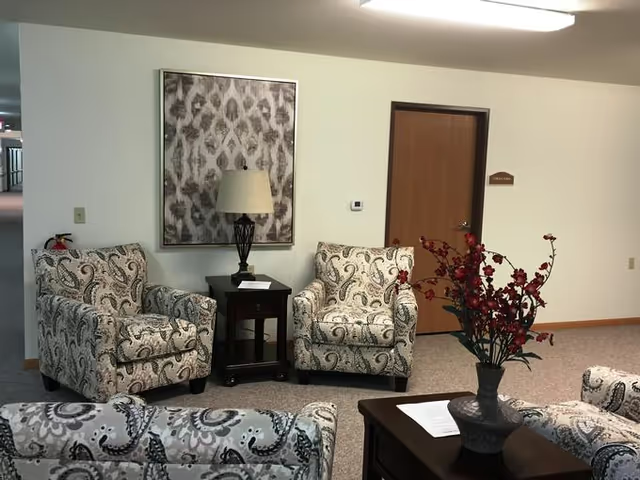
Reviewer impressions of Suring Health and Rehabilitation Center are strongly mixed, with distinct patterns of praise and serious operational concerns. On the positive side, many accounts emphasize a compassionate caregiving culture and a highly capable rehabilitation program. Therapy staff are frequently singled out as a strength — clinicians described as effective, motivational, and able to deliver measurable short-term rehab gains. Families and long-term residents also note warm interpersonal interactions, a family-like atmosphere, and friendly housekeeping and laundry services that contribute to a comfortable, home-like environment. The facility's quiet, wooded location and clean, pleasant common areas are additional aspects that attract favorable comment.
At the same time, a number of reviews raise important concerns about core clinical operations and facility management. Staffing levels and shift coverage are described as inconsistent, which reviewers connect to delays in responding to resident requests and uneven assistance with activities of daily living such as feeding and transfers. Several comments raise issues with medication-administration timing and oversight. Reports of sanitation concerns in certain rooms and with some equipment, and more broadly described food-quality and dietary-accommodation inconsistencies, indicate gaps in daily-care processes and food-service controls. A subset of accounts also describe food-safety concerns that warrant attention.
Management and administrative practices receive mixed feedback. While some reviewers describe welcoming and efficient interactions with administrative staff, others identify inconsistent oversight, billing- and financial-transparency issues, and variable front-desk communication professionalism. Security and property-safeguarding concerns are also raised in a few accounts; some reviewers go further, alleging theft and security lapses. Infection-control communication and documentation are another area where reviewers indicate inconsistencies, including a desire for clearer communication when infectious incidents occur.
For prospective residents and families, the notable pattern is variability: strong clinical and rehabilitative strengths coexist with operational vulnerabilities. If considering this facility, visitors should observe staffing at multiple shifts, inquire about care and medication protocols, review food menus and dietary accommodations with the dietitian, and ask management about sanitation, infection-control practices, staffing ratios, and financial-billing procedures. Engaging directly with the therapy team and meeting frontline caregivers can help clarify whether the facility’s strengths align with an individual’s care priorities.