Reviews present a mixed picture: several accounts describe strong clinical rehabilitation, attentive nursing and hospice involvement, and supportive social-work and activities programming, while other accounts raise substantive operational and safety concerns. Positive experiences emphasize effective daily physical therapy, medication administration, dietary adherence for specific needs (for example, kidney-diet restrictions), holiday and family-oriented activities, and staff members who became "like family." Department-level follow-up and coordinated discharge planning were also noted as strengths in some cases.
Care quality shows polarization. On the positive side, families described meaningful clinical gains from the rehabilitation program, healed pressure injuries in at least one case, reliable medication delivery, and compassionate end-of-life nursing. Conversely, reviewers raised concerns about responsiveness and safety: delays attending to call lights and toileting requests, long waits after falls, and gaps in supervision. There is also at least one serious allegation about medical-record discrepancies; that type of concern stands apart from routine complaints and merits specific inquiry by regulators or family representatives.
Staffing and communication are recurring themes. Many reports praise individual caregivers as caring and helpful, and some staff receive recognition for going beyond expectations. At the same time, reviewers described inconsistent staffing levels, shortened staff hours, unavailability of personnel at times, and variability in staff conduct and tone. Misidentification and confusion about resident presence or assignments, along with inconsistent inter-staff communication, contributed to family frustration. Several accounts noted constructive follow-up from department heads, but others described weak leadership and insufficient accountability.
Dining and activities are similarly mixed. Positive comments highlight good food, adherence to dietary needs, well-organized activity rooms, and successful family events and photo sessions. Negative comments cite cold meals, inconsistent meal delivery, and questions about feeding practices for residents with impaired awareness. The activity program appears to be a genuine strength where it is well supported.
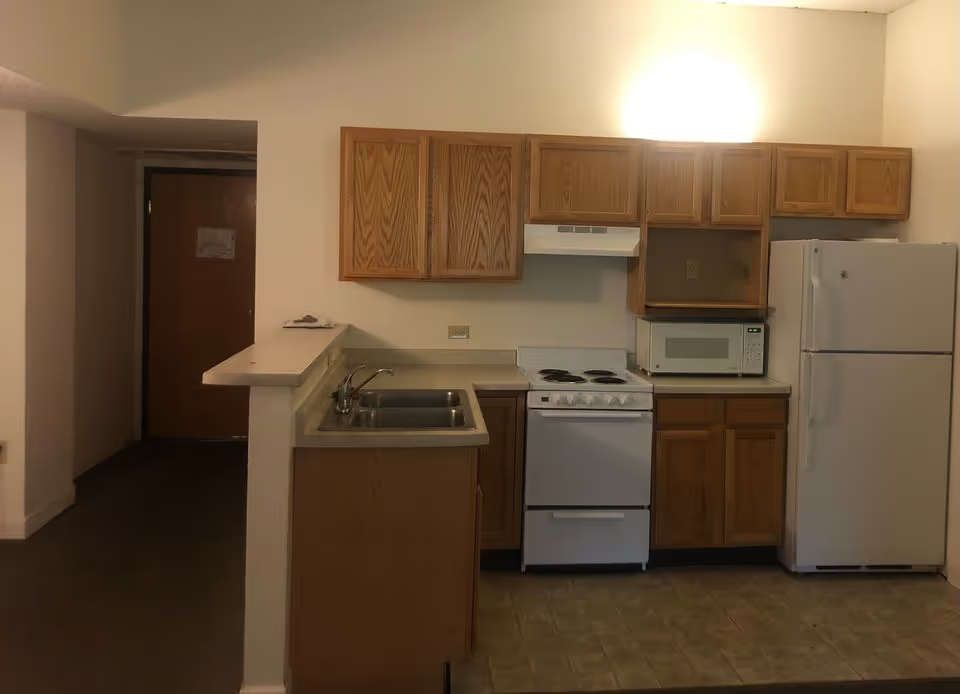
Facility condition and housekeeping vary across reports. Some families described clean, spacious rooms and an improving atmosphere; others cited sanitation concerns, broken or uncomfortable furniture, mattress issues, and signs of general wear. Pest-control concerns and inconsistent housekeeping were raised in multiple accounts and represent operational areas needing attention.
Overall pattern and recommendations: the facility appears capable of delivering strong rehabilitation and compassionate nursing care in many cases, but there are recurring systemic issues—principally inconsistent staffing, slow response times for assistance, communication breakdowns, and variable cleanliness—that undermine reliability and family confidence. The presence of a serious medical-record allegation and repeated safety/responsiveness concerns suggest prospective residents and families should directly assess operational particulars: observe call-light response times, confirm staffing levels and shift coverage, review medication and documentation practices with clinical leadership, tour resident rooms and dining service during a meal, and speak with the administrator or social worker about follow-up procedures and incident escalation. These steps will help determine whether the facility’s strengths align with an individual resident’s clinical and safety needs.