Edenbrook Wisconsin Rapids elicits strongly mixed impressions: many families emphasize a core of compassionate, hardworking staff and effective rehabilitation resources, while others describe operational weaknesses that materially affect day-to-day resident experience. Staffing and responsiveness are the most consistent dividing lines. Numerous accounts praise caregivers for respectful, attentive treatment, individualized explanations, and a warm, family-like culture; these positive reports are often paired with specific staff names and descriptions of staff going "the extra mile." At the same time, there are repeated concerns about staffing levels, slow answers to call lights, and long waits for assistance, which appear to lead to variability in the timeliness of care.
Clinical care and therapy similarly show a broad range of experiences. Several reviewers describe strong physical-therapy programs, successful rehab outcomes, and engaging equipment that supports recovery and functional gains. Conversely, other families reported limited therapy engagement and minimal therapeutic activity during stays, suggesting inconsistency in rehabilitation delivery. Medication management and pain-control timing were also flagged: some residents received effective pain control, while others experienced delays in medication or perceived under-treatment. These mixed reports indicate unevenness in clinical processes rather than a uniform standard of care.
Dining and activities are likewise variable. The facility offers a range of social options (karaoke, cards, puzzles) and some families praised the activity staff and a strong sense of community. However, outreach to engage residents and simple recreational resources in common areas were described as limited in places, reducing participation for some residents. Meal quality drew divergent feedback—some reviewers liked the food, others described it as substandard—and operational issues such as delayed service or missed meal assistance (for example, not receiving dentures or assistance in time for breakfast) were raised.
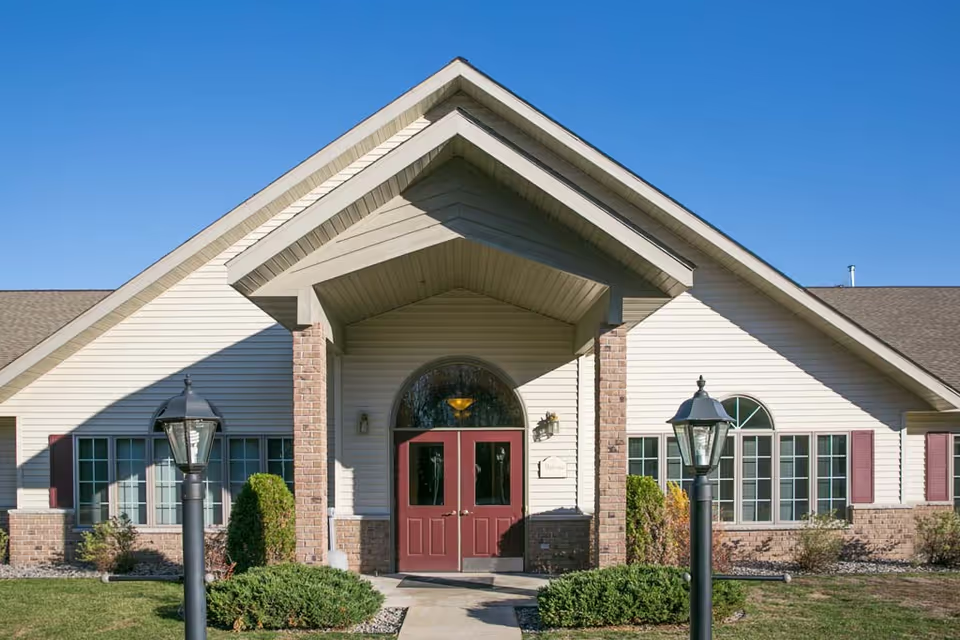
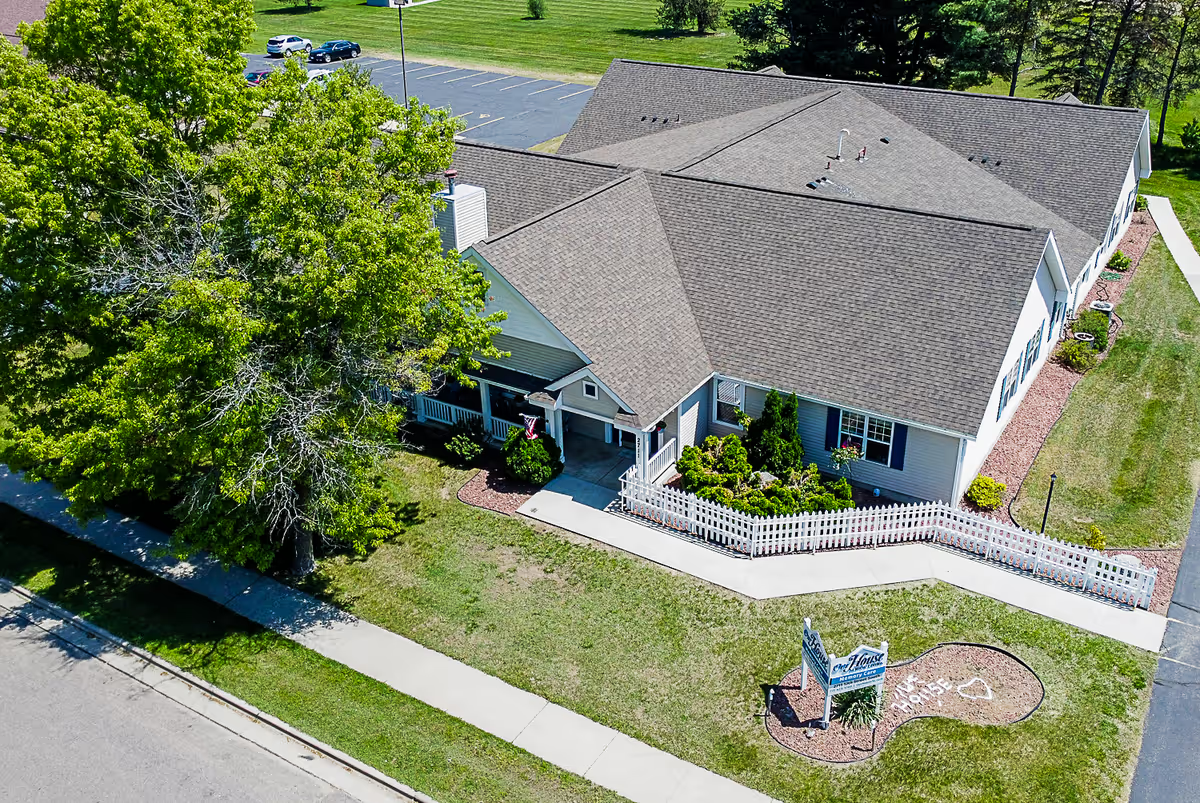
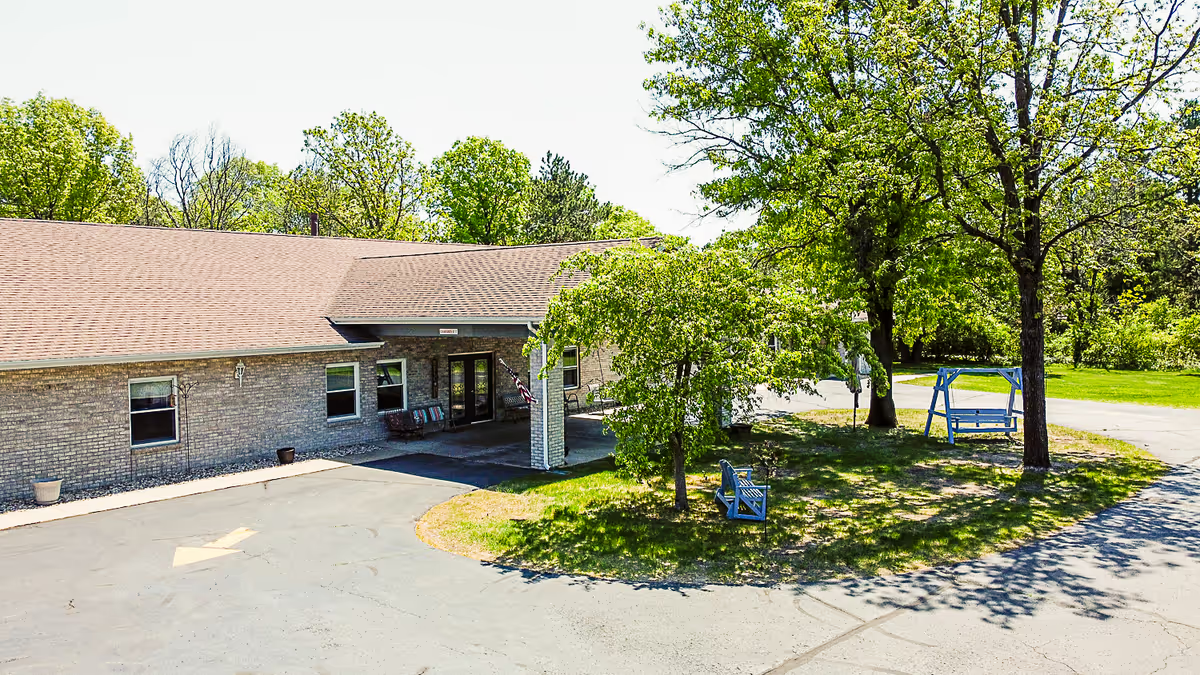
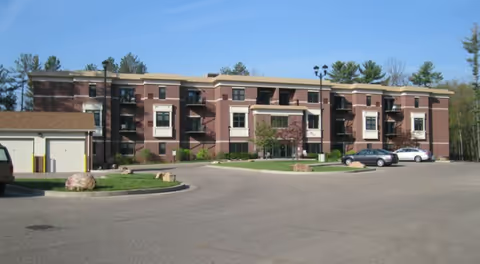
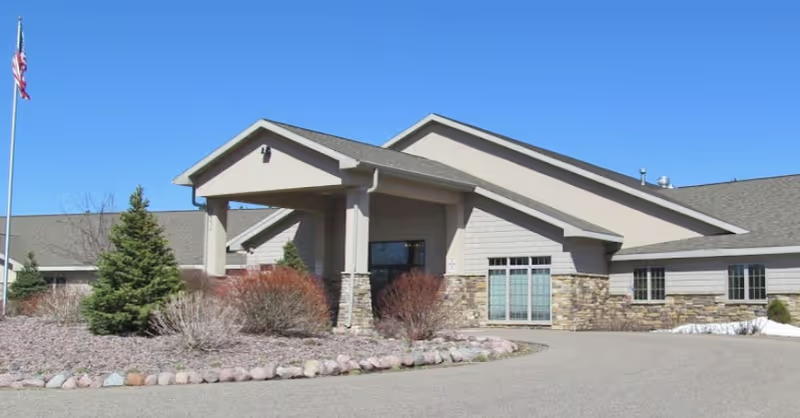
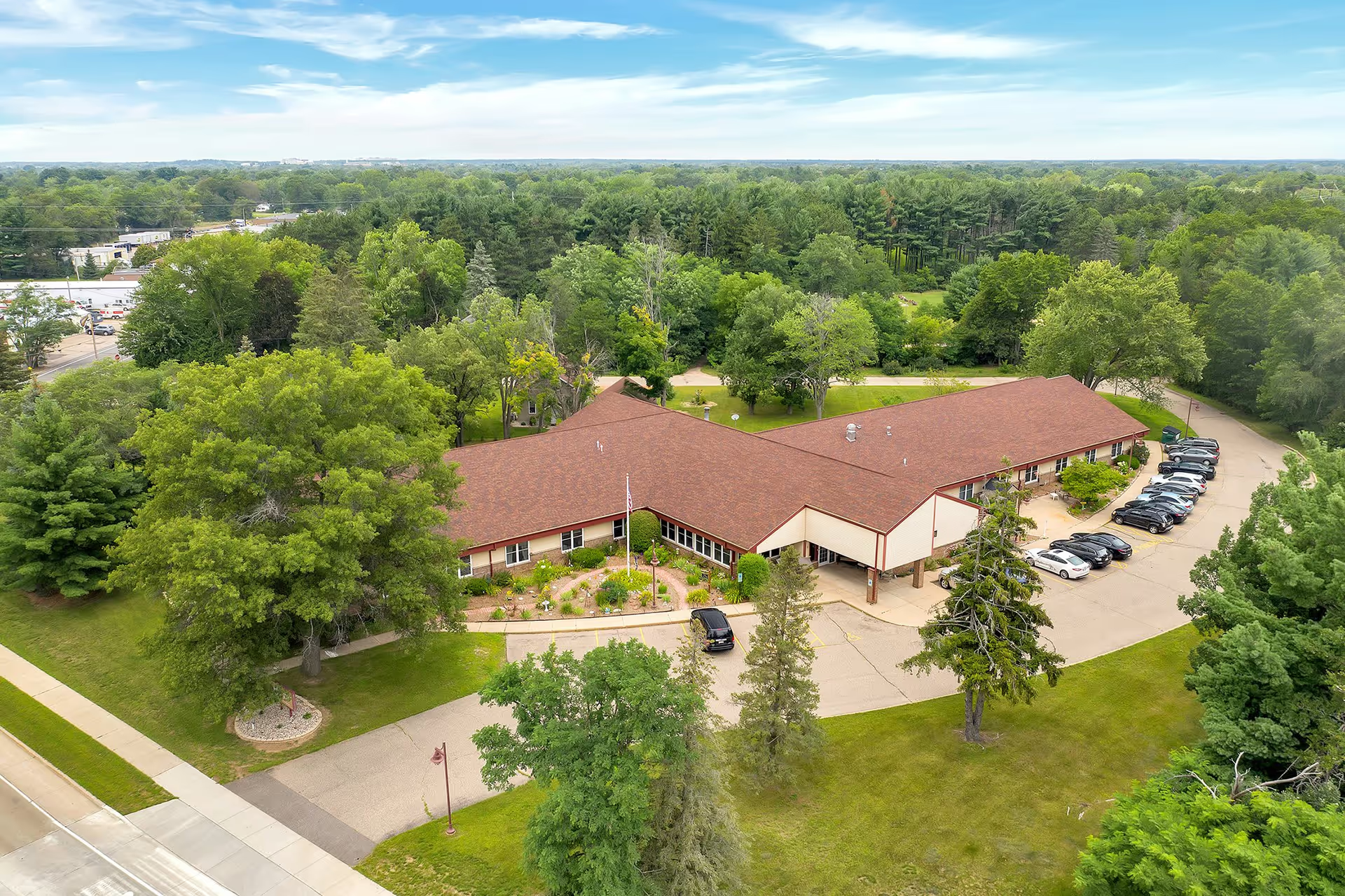
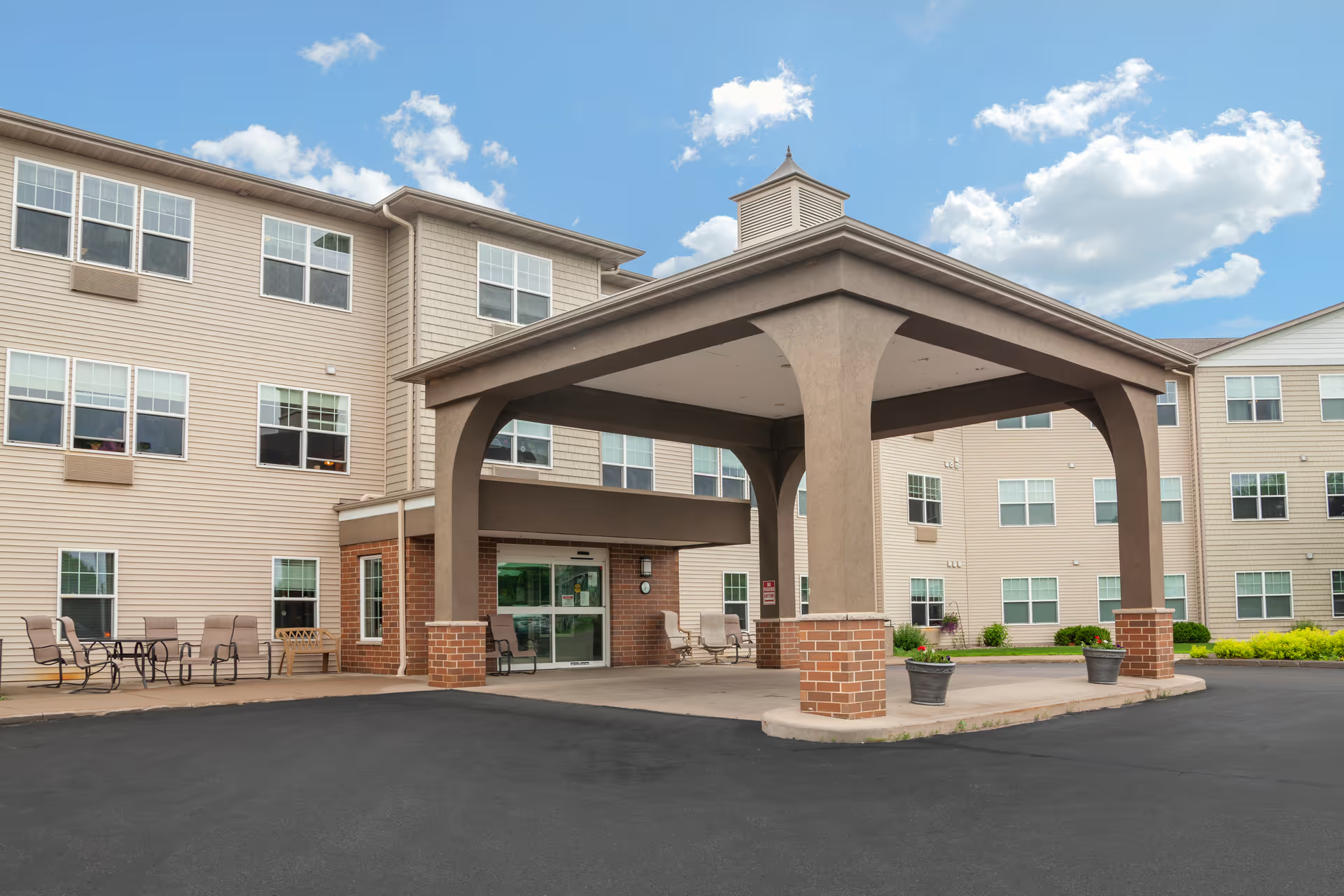
Facility condition and management reflect a mix of recent improvements and remaining maintenance needs. Positive notes include a pleasant outdoor setting, fresh paint, and attentive housekeeping in many common areas. At the same time, reviewers cited outdated rooms or common areas in need of refreshing, localized cleanliness or sanitation concerns (for example, needed cleaning of shared equipment), and instances where the property appearance differed from online imagery. Administrative strengths were also reported: several families praised management for coordination, helpful discharge resources, and smooth transitions home. Nevertheless, communication weaknesses surfaced repeatedly—delays in phone responses, errors in discharge paperwork, and inconsistent handoffs—indicating opportunities to strengthen administrative processes.
Notable patterns for prospective residents and families: the facility appears to have a strong core of committed staff and capable therapy services, but outcomes and daily experience can vary depending on shift, staffing levels, and individual care plans. Key areas to address when evaluating placement include asking about typical staff-to-resident ratios by shift, average response times to call lights, specifics of the therapy plan and expected participation, meal-assistance protocols, and recent facility updates. A tour that verifies current room conditions and asks for examples of recent quality-improvement actions will help align expectations with the variable experiences described by families.