Reviewer impressions of Renaissance by Rennes – Wisconsin Rapids are mixed, with clear patterns of both strengths and operational weaknesses. Many families and residents praise the direct caregiving: staff are frequently described as attentive, kind, and involved in resident care, with 24/7 assistance available. Several commenters highlight that private, apartment-style units (bedroom, living area, private bathroom, and a small kitchen or kitchenette) are roomy and support resident privacy. Social life is another commonly noted strength: scheduled activities, card games, outings, and an active peer community contribute to resident engagement.
Care and staffing generally receive positive remarks. Reviewers repeatedly mention helpful caregivers and nursing involvement; some families report that their relatives feel comfortable and at home. At the same time, there are inconsistent accounts about front‑line communication and admissions interactions. Specific concerns include long or unpredictable placement processes, last-minute denials without clear explanations, and instances where the reception or admissions communication felt unwelcoming. These patterns suggest variability in consistency of administrative communication and transparency during the intake process.
Dining and programming show variability across accounts. Some reviewers describe meals as delicious and praise the dining experience, while others rate the food less favorably. There is also a structural element to note: certain meal services are optional and billed separately, and a number of reviewers mention additional charges for meal plans or amenities. Activities and amenities — including a salon, library, and billiards — are cited positively by many, but a few reviews indicate that advertised amenities are not always available or consistently accessible.
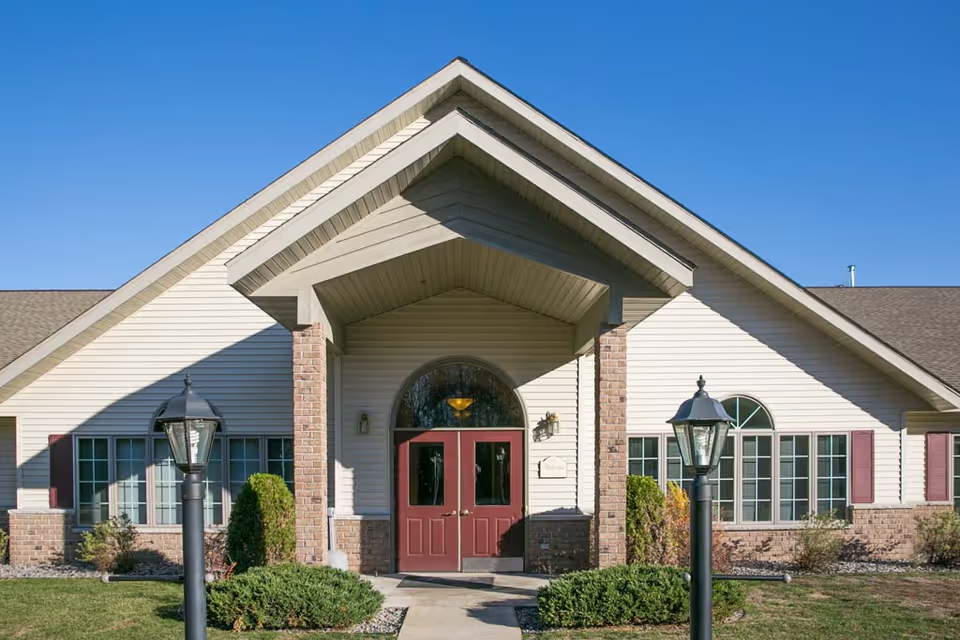
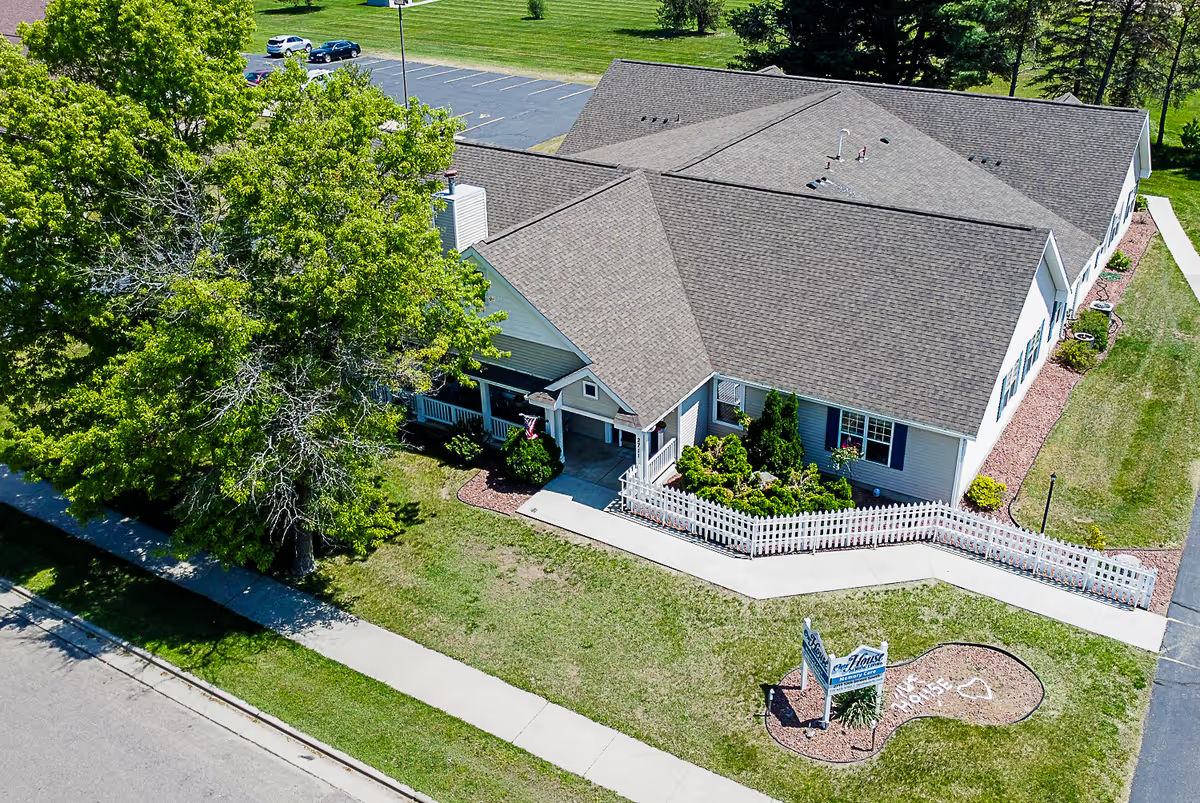
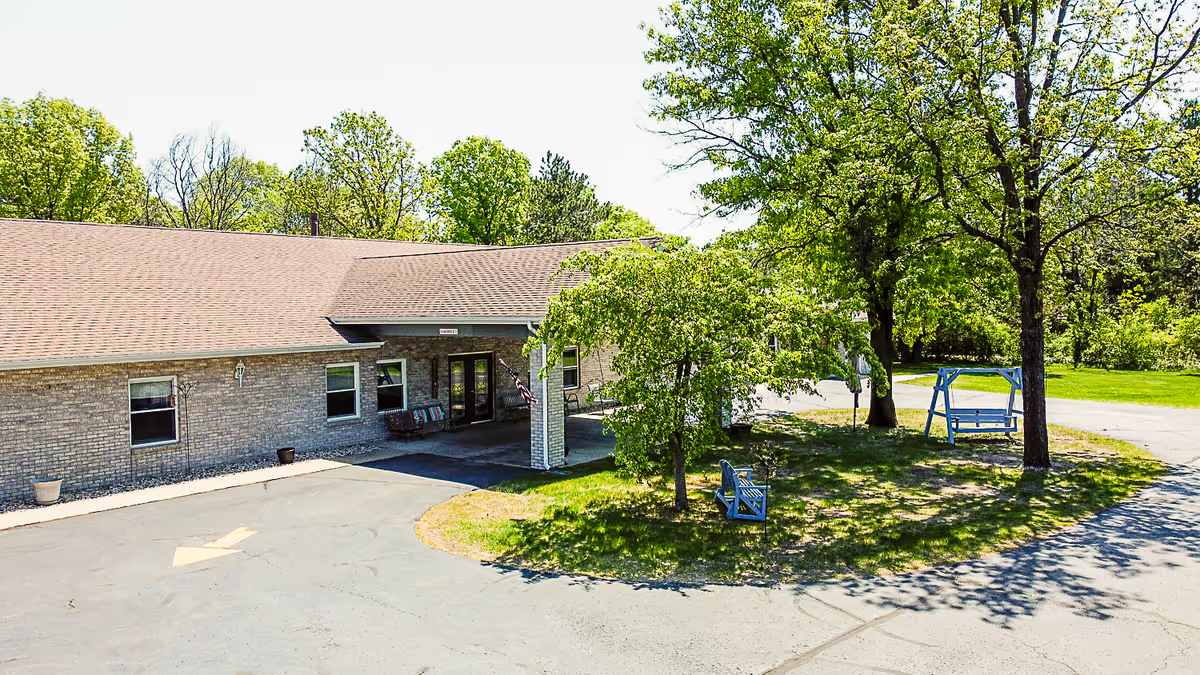
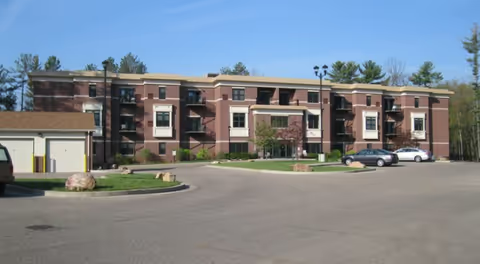
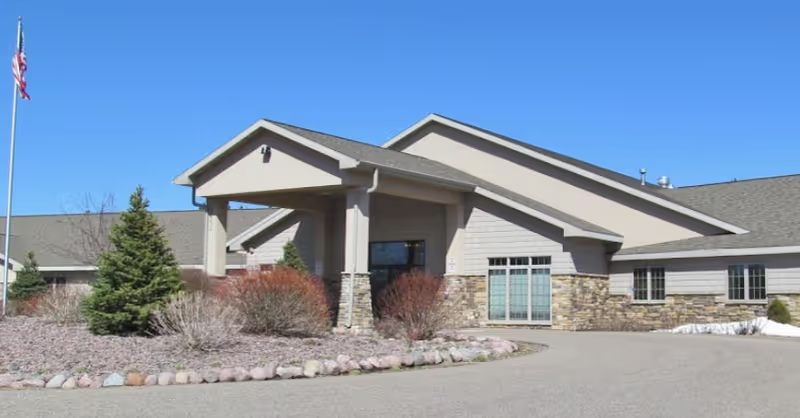
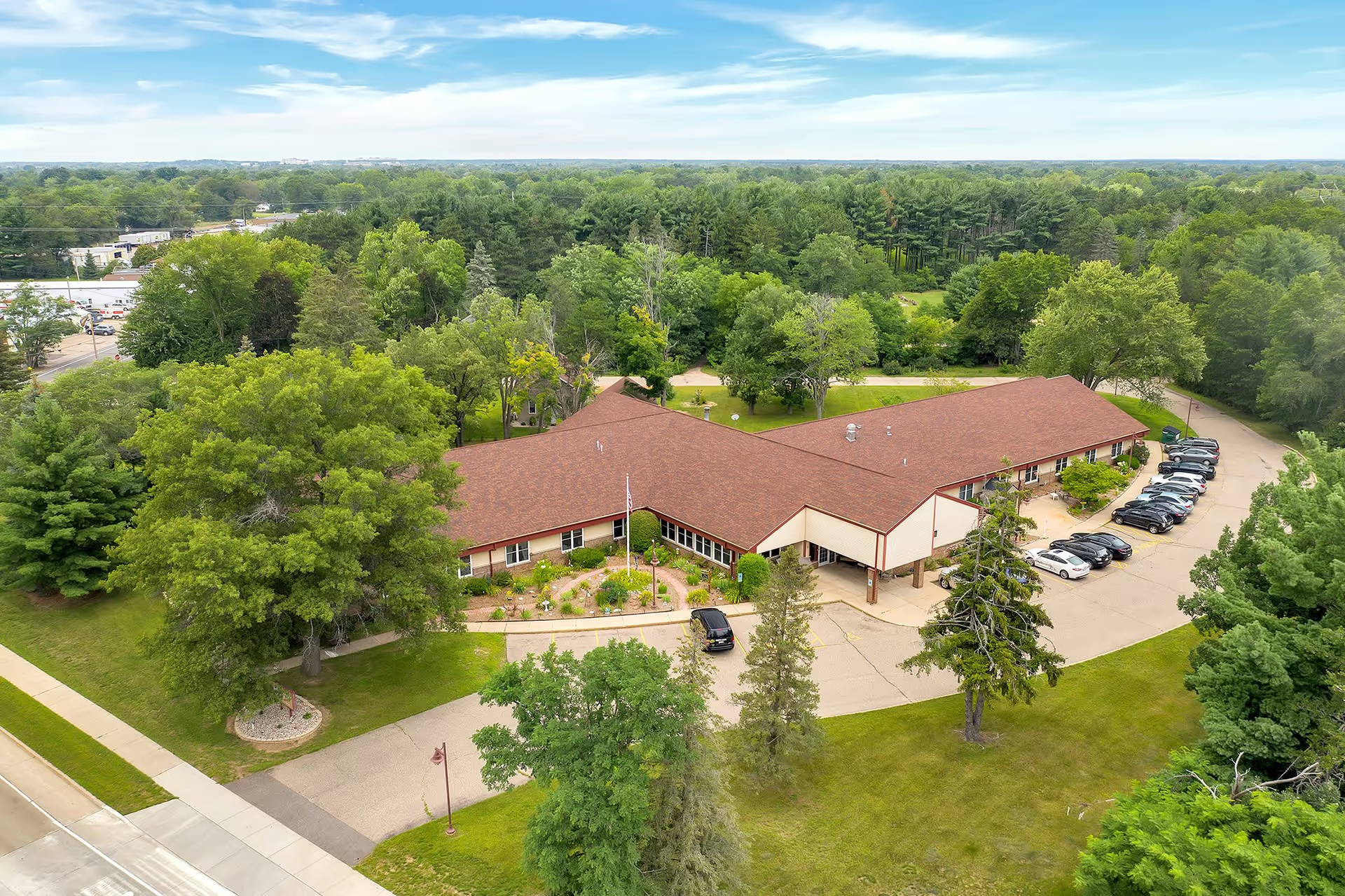
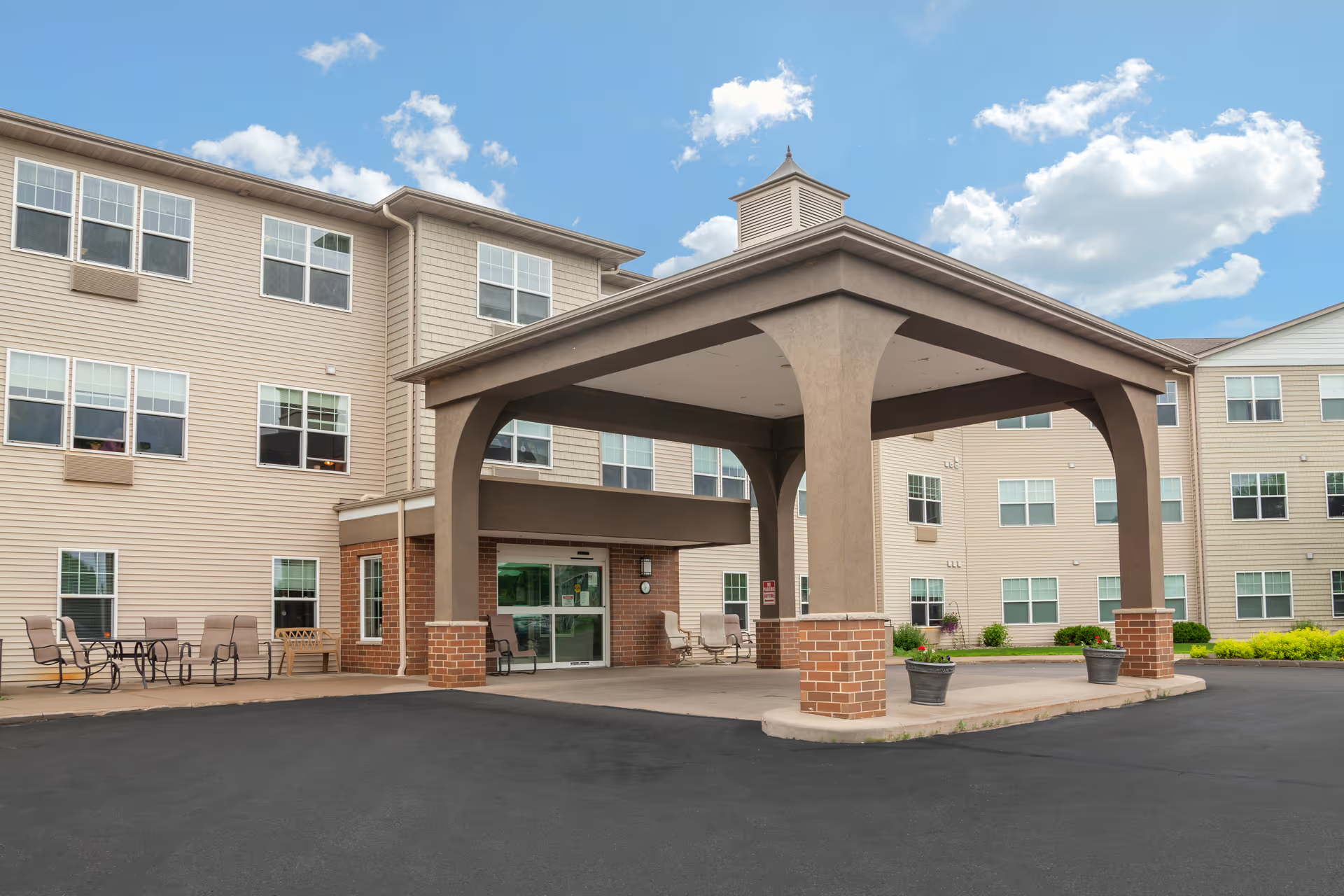
Physical facilities elicit contrasting impressions. Many accounts emphasize well-sized, private apartments and comfortable common areas; a subset of reviewers describe the facility as elegant and well-appointed. Conversely, other reviewers observe areas with older, institutional-style decor (dating to earlier decades) and raise cleanliness and maintenance concerns in some common spaces and rooms. Communication infrastructure is another recurring operational issue: a lack of resident-accessible phone options and possible extra charges for portable phones were mentioned and may affect residents’ ability to stay connected.
Management and financial transparency are important areas for prospective residents to probe. Reviewers note annual rent increases and variability in what is included in base fees versus optional services. Admissions communication—timelines, eligibility criteria, and last-minute placement decisions—appears to be uneven, which can be stressful for families seeking timely moves. Given the mix of reports, prospective residents and families would be advised to tour the specific unit they would occupy, ask for written fee schedules (including meal and amenity charges), confirm which amenities are currently operational, request copies of staffing ratios and care-level policies, and observe dining and common areas during peak activity times to form a calibrated impression.