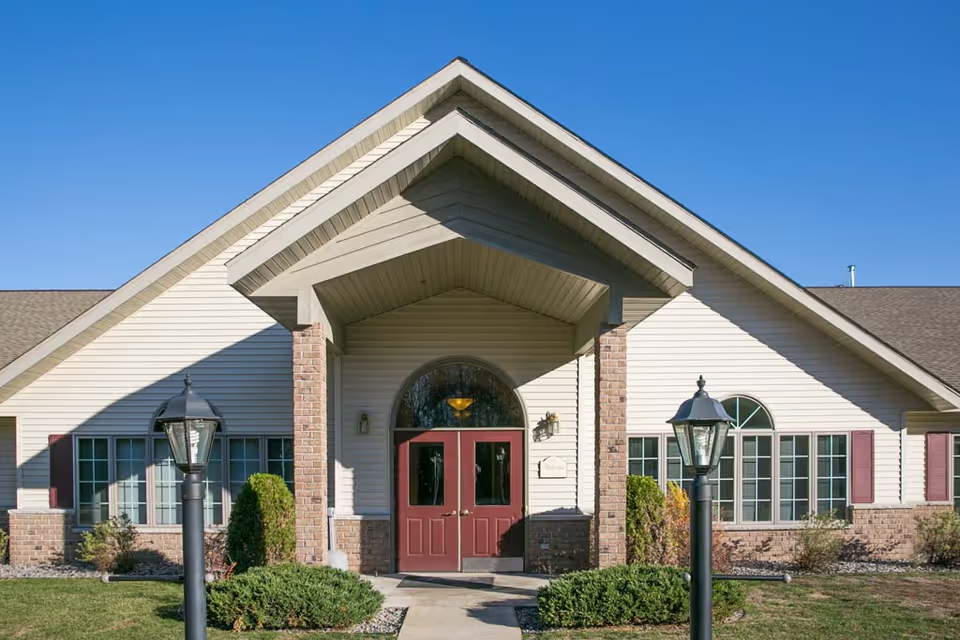
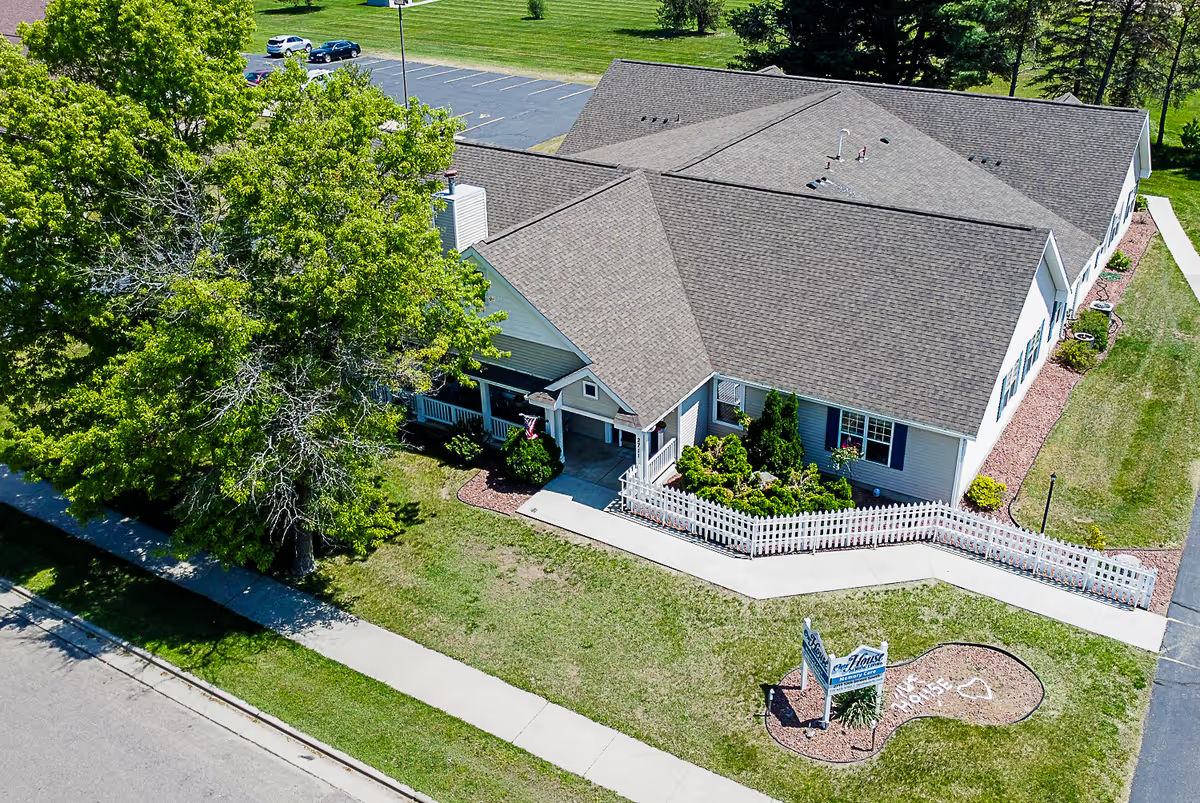
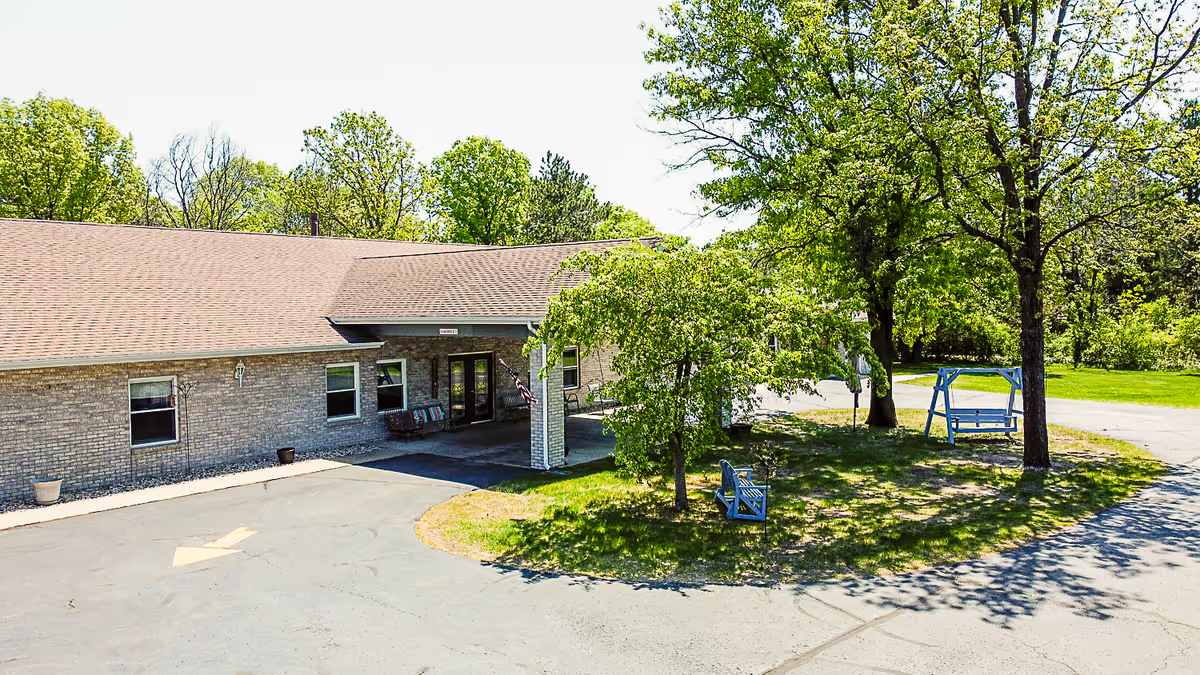
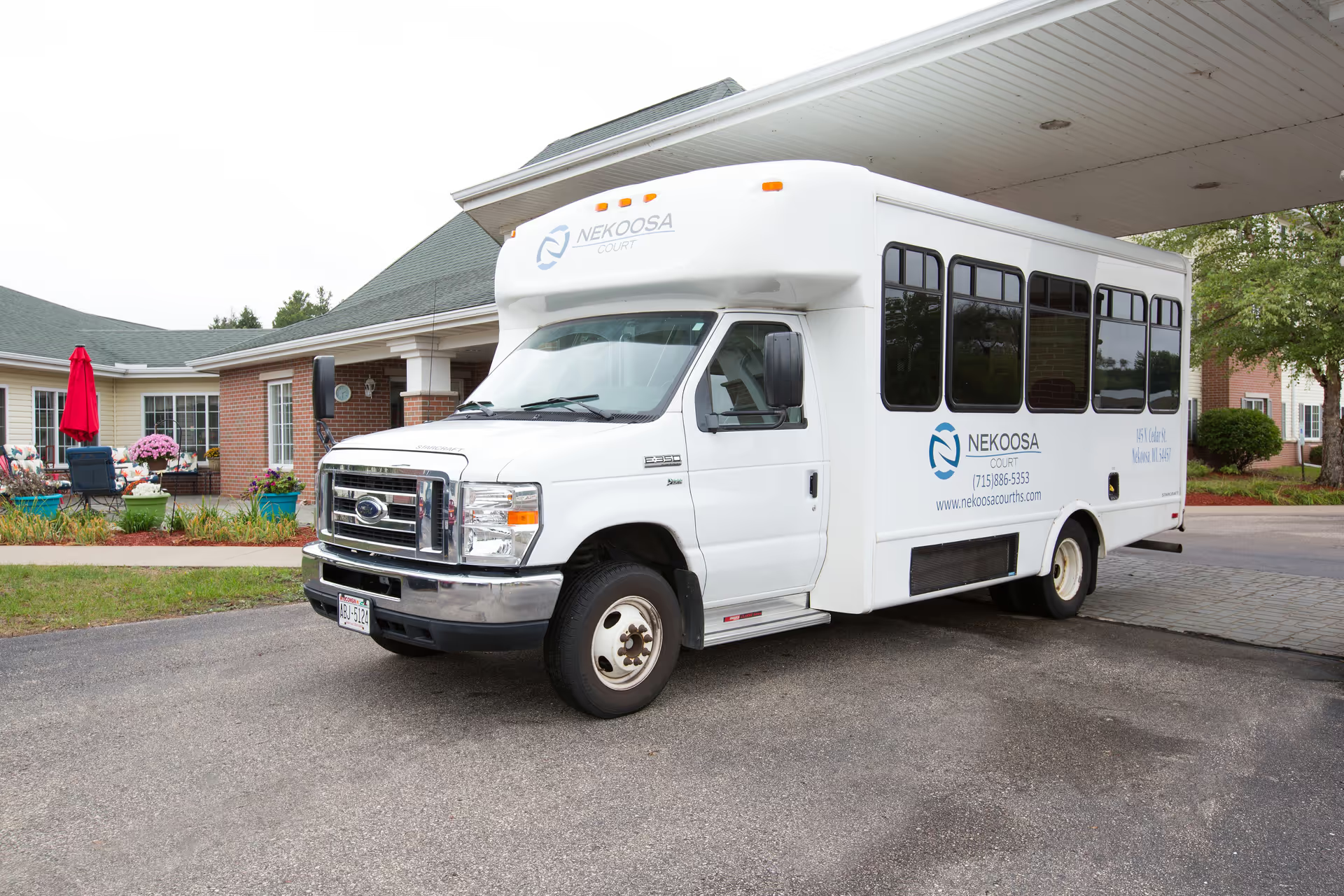
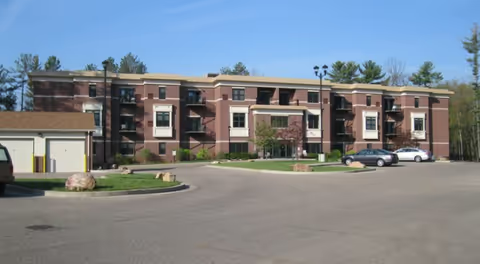
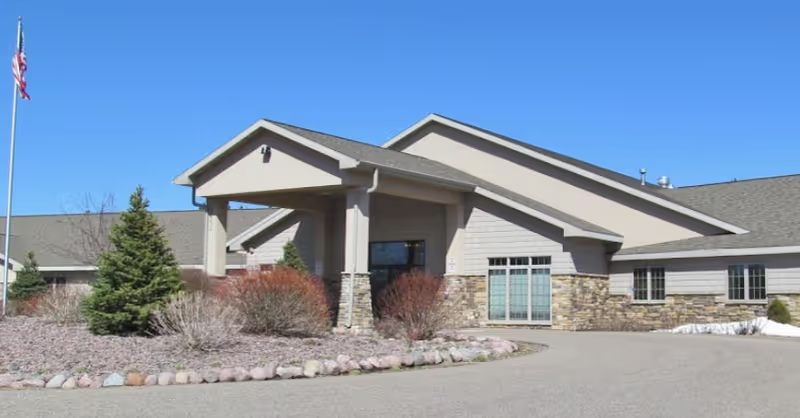
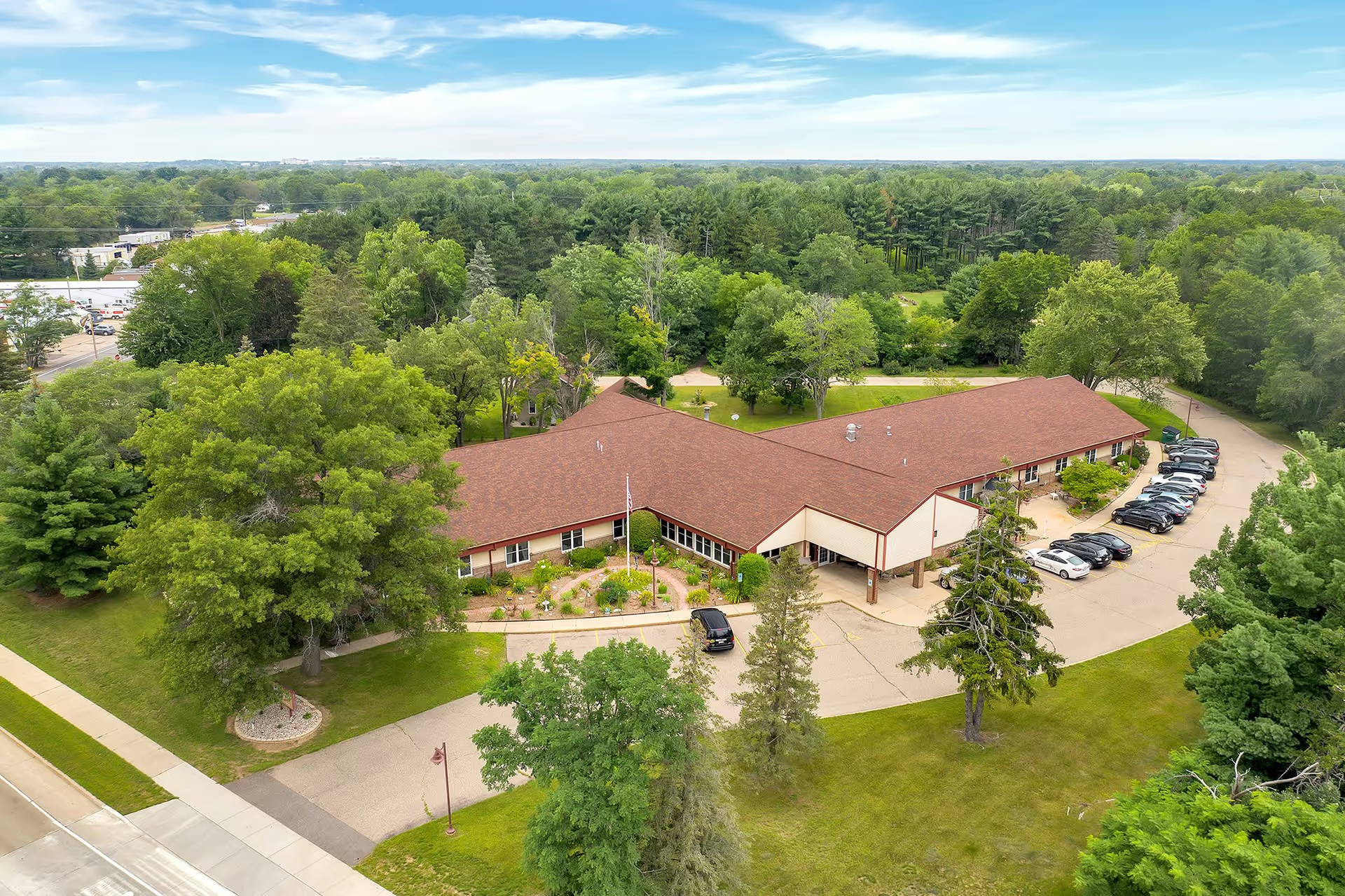
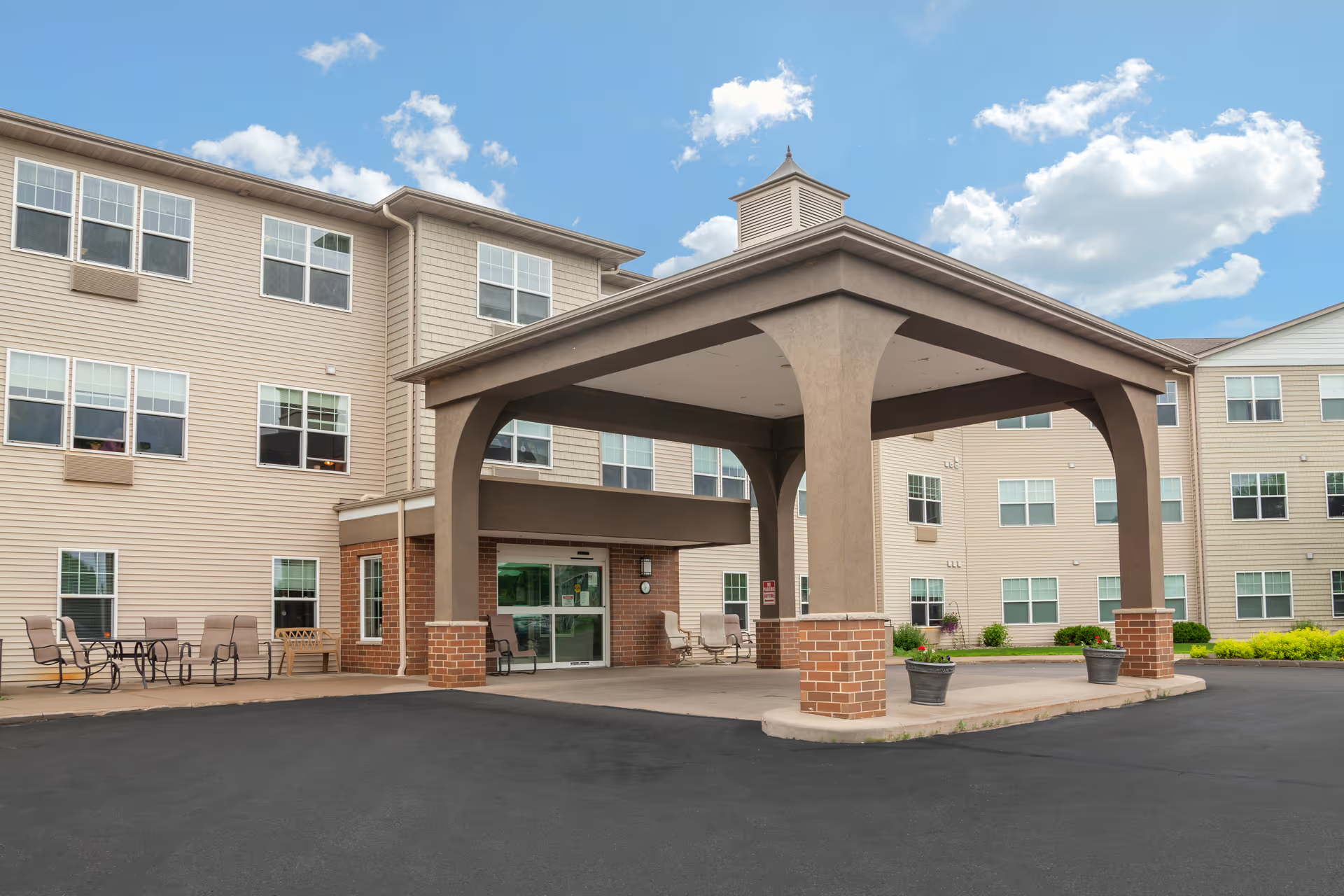
Overall impression: Reviews describe a facility with a generally attractive physical plant and a convenient community location but with noteworthy operational inconsistencies. The building and grounds are frequently characterized as modern, relaxing, and walkable, with apartment-style units, pleasant outdoor areas, birds and other calming features, on-site parking, and proximity to shops, a high-school pool/performing-arts center, a YMCA, and senior-center transportation. At the same time, clinical care, staffing, and service delivery emerge as uneven across different stays and shifts.
Care quality and clinical services: Several accounts indicate inconsistent clinical and personal-care delivery. Positive comments about competent individual nurses and caring staff contrast with reports of delayed medication administration, limited rehabilitation benefit, and insufficient help with activities of daily living such as grooming and dressing. Reviewers cite gaps that suggest weaknesses in medication-tracking processes, therapy-program coordination, and routine ADL assistance. These patterns raise concern about the facility’s ability to provide consistently reliable clinical oversight for residents with higher care needs.
Staff and management: Feedback on staff behavior is mixed. Multiple reviewers praise kind, attentive caregivers and describe supportive leadership and a family-friendly culture. However, other accounts point to variable staff training, inconsistent staffing levels, and intermittent lapses in supervision — for example, unstaffed nursing stations and unanswered calls. Communication challenges with families were also noted, including difficulty making contact and perceived delays in incident reporting. Taken together, the pattern indicates pockets of strong leadership and compassionate employees alongside operational gaps that affect continuity of care and family confidence.
Dining and activities: Dining options are described as varied, and some residents enjoy the meals. Conversely, there are repeated notes about missed meals or drinks and inconsistent dining support for residents who need assistance, which suggests meal-service continuity issues. Activity offerings appear limited or insufficient to engage some residents; although the facility’s location provides easy access to external amenities and transportation to community programs, on-site programming and engagement do not appear uniformly robust.
Facilities and housekeeping: The facility’s public areas and grounds receive positive comments for being attractive and walkable. Yet some residents reported dreary rooms, inconsistent linen and furnishing quality, and areas that felt run-down — indicating variability in room maintenance and environmental upkeep. Laundry/linen practices and furnishing standards may differ between units or over time.
Notable operational patterns and implications: The reviews present a polarized picture: the same attributes that make the site appealing (location, atmosphere, and some very caring staff) coexist with operational weaknesses (inconsistent clinical care, medication and rehabilitation shortfalls, limited night supervision, and communication gaps). These patterns suggest the facility may be appropriate for residents with lower, more predictable care needs who can benefit from the location and environment, while families of higher-acuity residents should verify clinical protocols and staffing stability.
Practical recommendations for prospective families: During a tour, observe the nursing station and call-response procedures, ask for specifics on medication administration and documentation, request details and outcomes for the rehabilitation program, review elopement-prevention and night-supervision protocols, and inspect a sample apartment for linen and furnishing condition. Inquire about staff turnover, training programs, activity schedules, and family-communication practices. Confirm transportation options to community resources if external engagement is important. These checks can help determine whether the facility’s strengths align with a prospective resident’s care needs and priorities.