Overall impression: Reviews present a mixed and polarized view of the facility. Many accounts praise individual caregivers, hospice support, and certain units that provide attentive, compassionate care; at the same time a substantial set of observations point to systemic operational problems that appear to affect resident safety, daily care, and family communication.
Care quality: Clinical concerns center on inconsistent execution of basic care processes. Reviewers described delayed responses to call buttons and long waits for toileting and bathing assistance, which they link to increased fall risk and frequent hospital transfers. Several accounts identify gaps in diabetes management and medication administration (missed blood-sugar checks, missed insulin without clear orders), pressure-related skin issues, and incidents during transfers or lifts. These accounts suggest variability in clinical reliability across shifts and units rather than uniform performance.
Staffing and staff conduct: Staffing levels are a dominant theme. Reviewers characterize staff as overworked and fatigued due to chronic understaffing and long shifts; many note that these staffing pressures degrade responsiveness and routine care. At the same time, multiple reviews emphasize that individual caregivers can be highly compassionate and skilled, creating a polarized picture where quality often depends on the specific staff on duty. Separate but important concerns relate to interpersonal conduct and workplace culture: complaints include unprofessional behavior, allegations of discriminatory or harassing interactions, confidentiality concerns, and inconsistent supervisory responses.
Dining and daily living services: Meal service and ancillary routines are described as inconsistent. Common complaints include cold or lukewarm food, incorrect or limited menu items, slow service for hair/shower appointments, and long waits for bathroom assistance. Conversely, some families reported satisfactory interactions around meals and helpful dining staff. These descriptions indicate variability in both food quality and service timeliness.
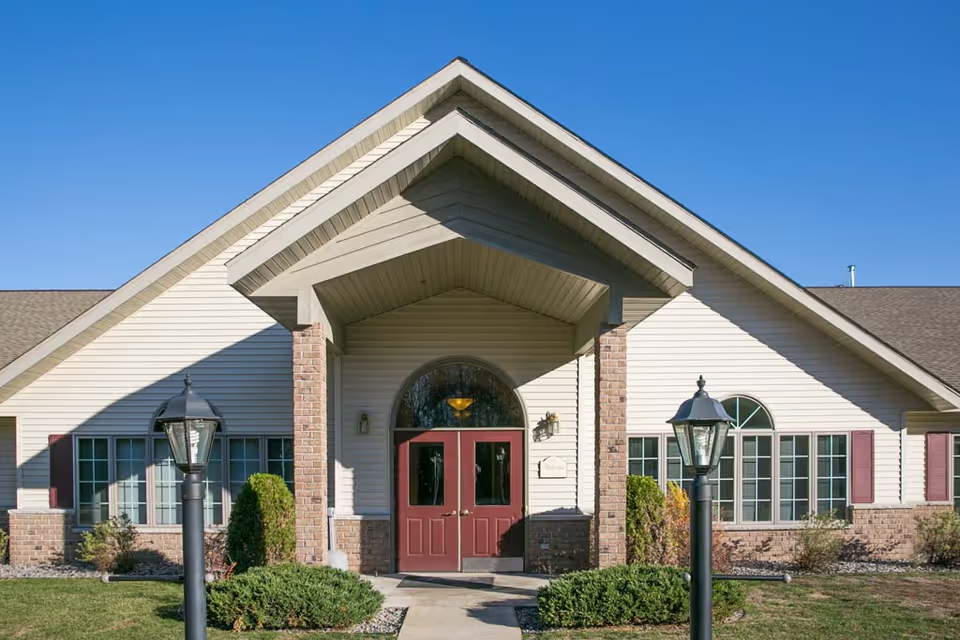
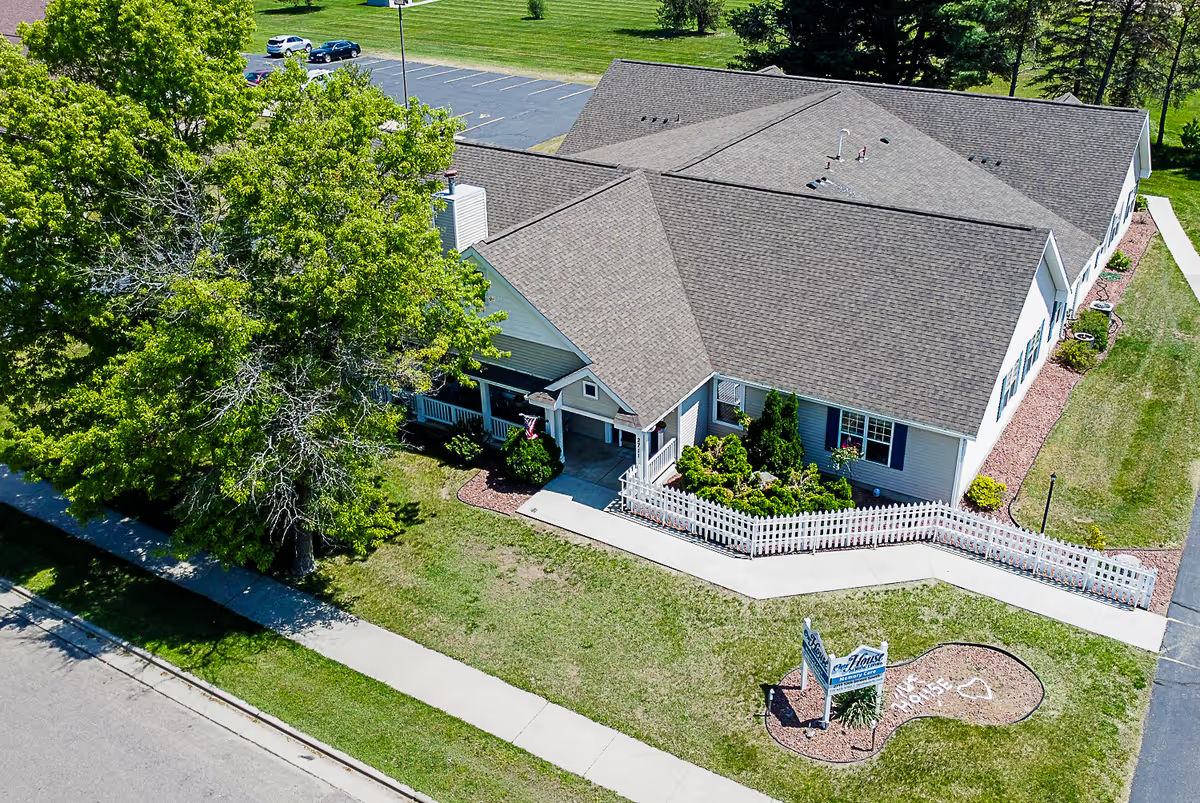
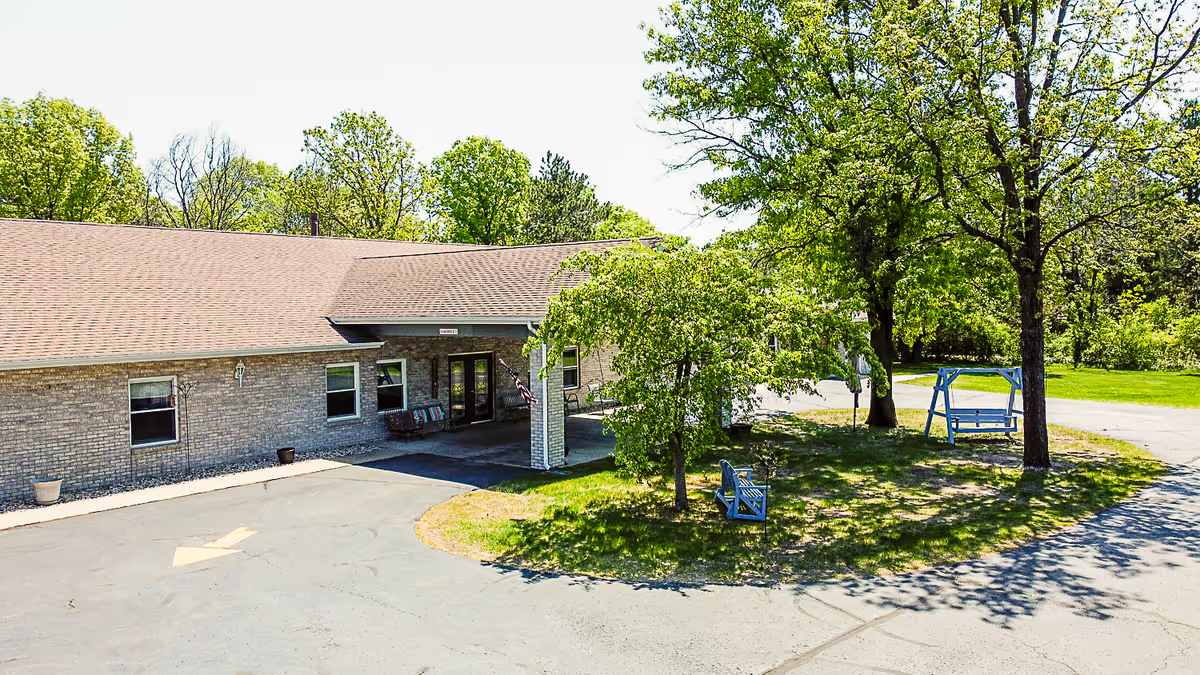
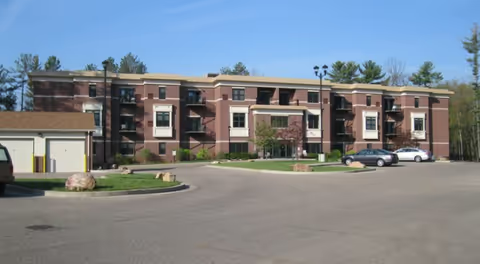
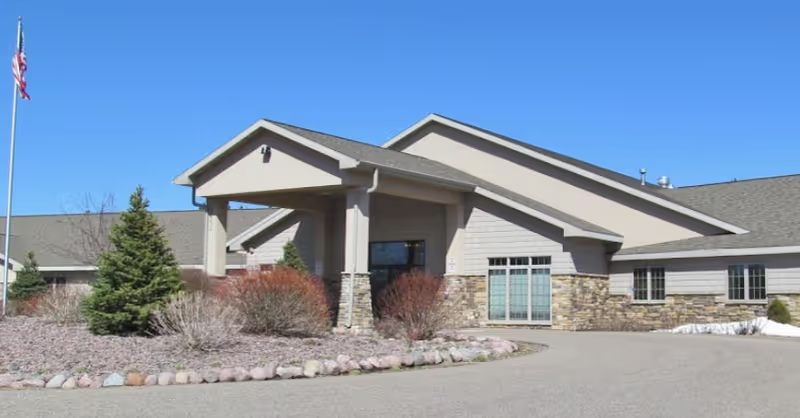
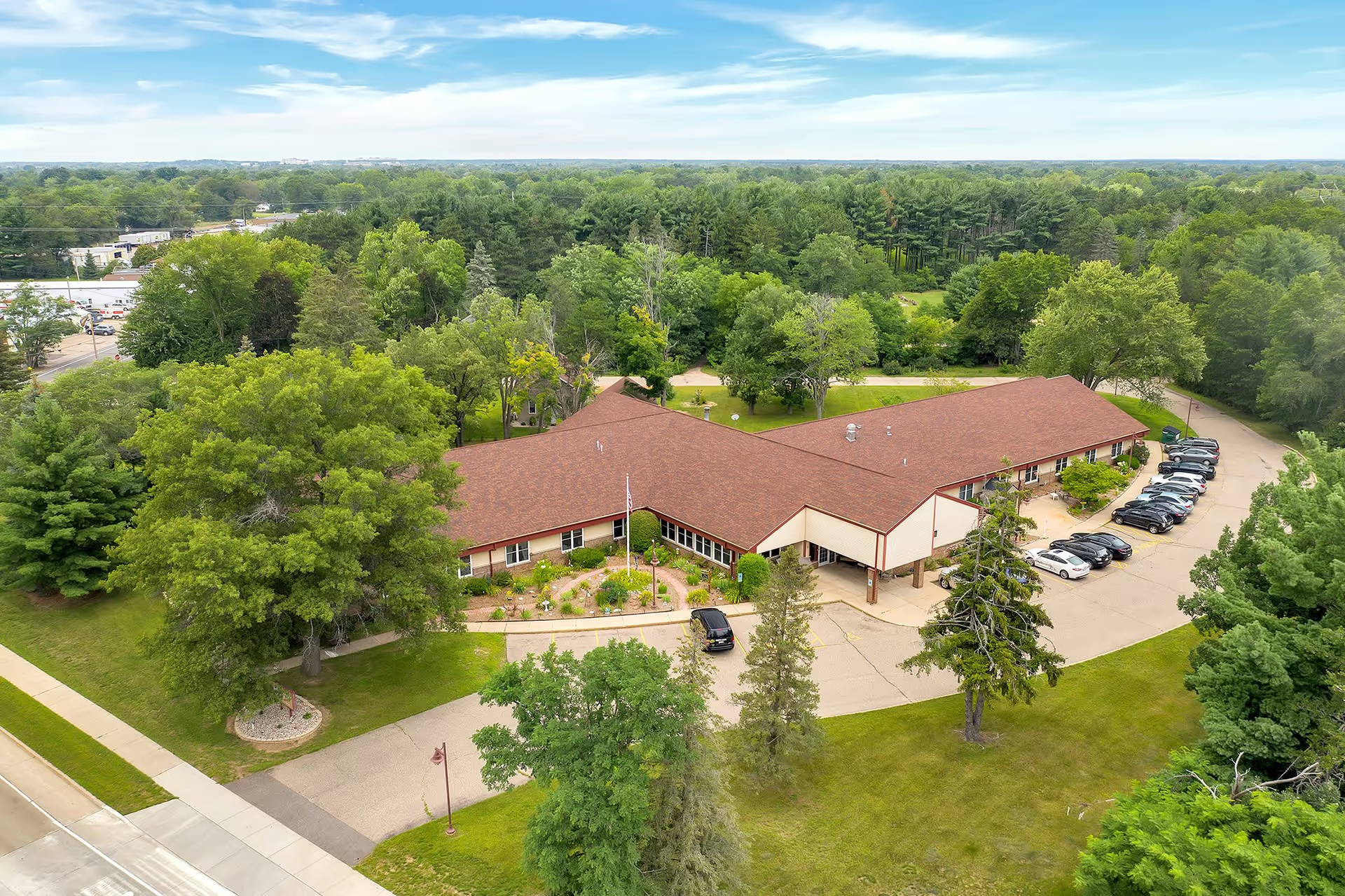
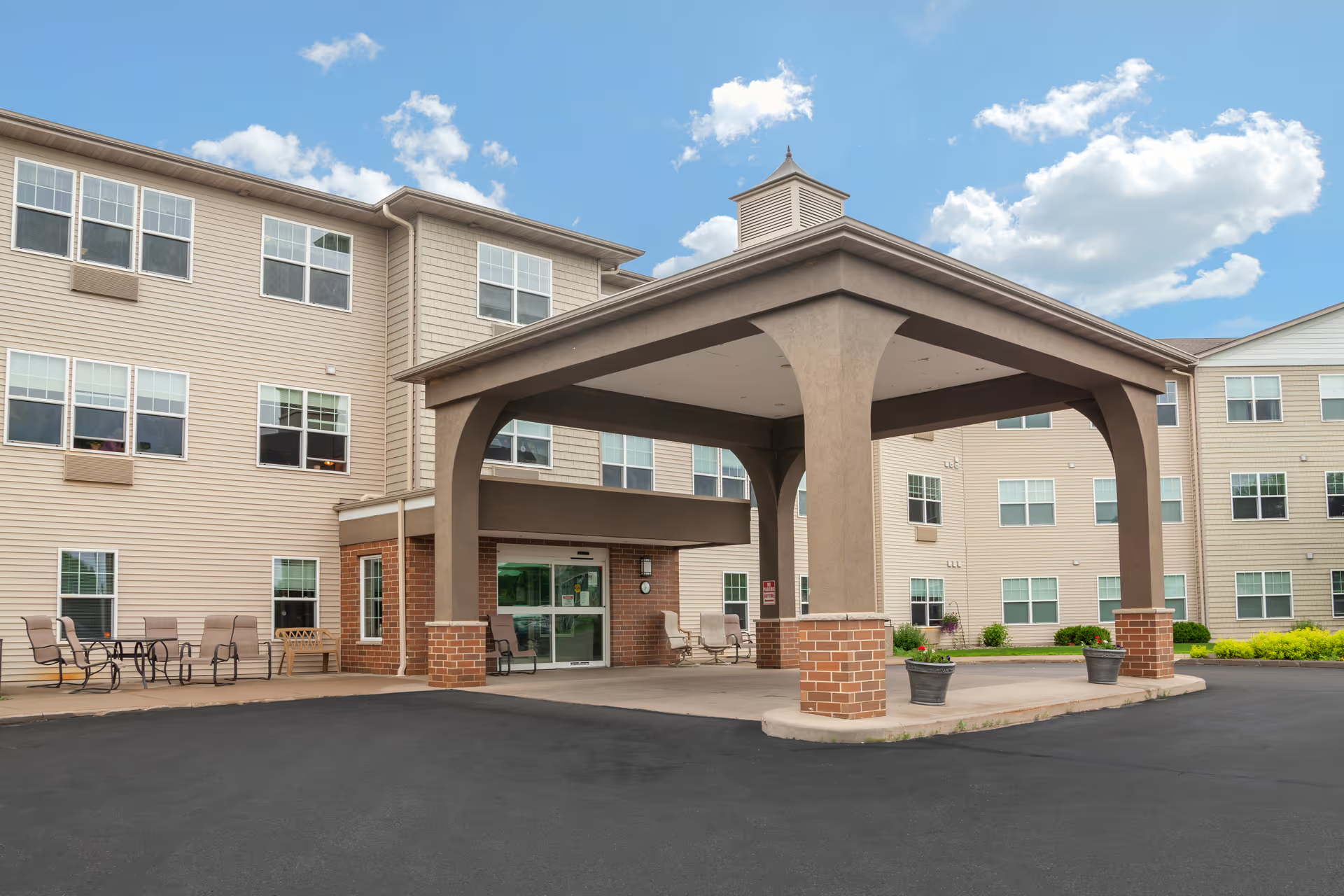
Facilities and maintenance: The facility receives mixed comments on the physical environment. Several reviewers praise the building’s appearance and certain units’ cleanliness, while others report maintenance delays (including a reported water leak and limited maintenance response), inconsistent linen changes, and odor concerns in some areas. Overall, the physical plant appears well-appointed in parts but affected by lapses in upkeep and sanitation protocols in others.
Management, communication, and administration: Reviews indicate concerns with leadership and administrative practices. Noted issues include poor follow-up from case management or social-work staff, inadequate family notification after incidents, billing or overbilling problems, and defensive or insufficient corporate responses to complaints. Where management is described positively, reviewers attribute better outcomes to clearer communication and responsive leadership, reinforcing the idea that management practices materially affect resident experience.
Notable patterns and takeaways: The recurring pattern is variability by unit and shift combined with chronic staffing constraints. Positive experiences often reflect specific compassionate staff or well-organized units; negative experiences cluster around understaffed times, leading to delays in assistance, medication and clinical-management lapses, and maintenance/back-office failures. For prospective residents and families, key topics to evaluate in person include staffing levels at different times of day, fall-prevention and transfer protocols, medication and diabetes-management procedures, frequency of personal-care routines, incident-notification policies, and the facility’s process for addressing complaints and billing questions.
In summary, the facility demonstrates clear strengths in individual caregiver compassion, hospice capability, and attractive physical spaces, but these are offset in many accounts by operational weaknesses—principally staffing, communication, clinical consistency, and maintenance—that can affect safety and daily comfort. Experiences appear highly unit- and shift-dependent, so direct inquiries and multiple visits focused on the operational areas above are advisable for families considering placement.