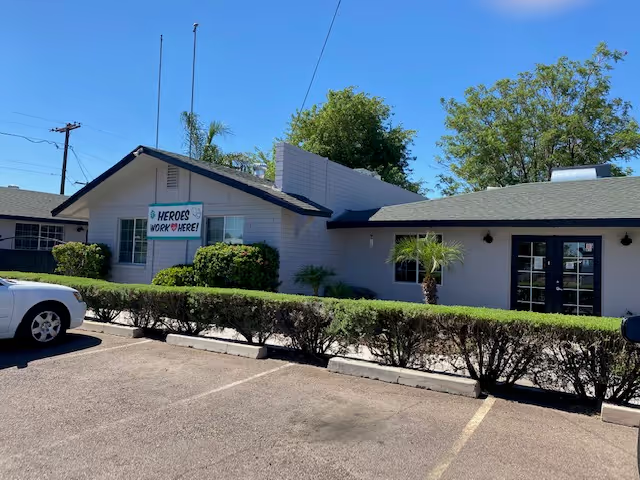
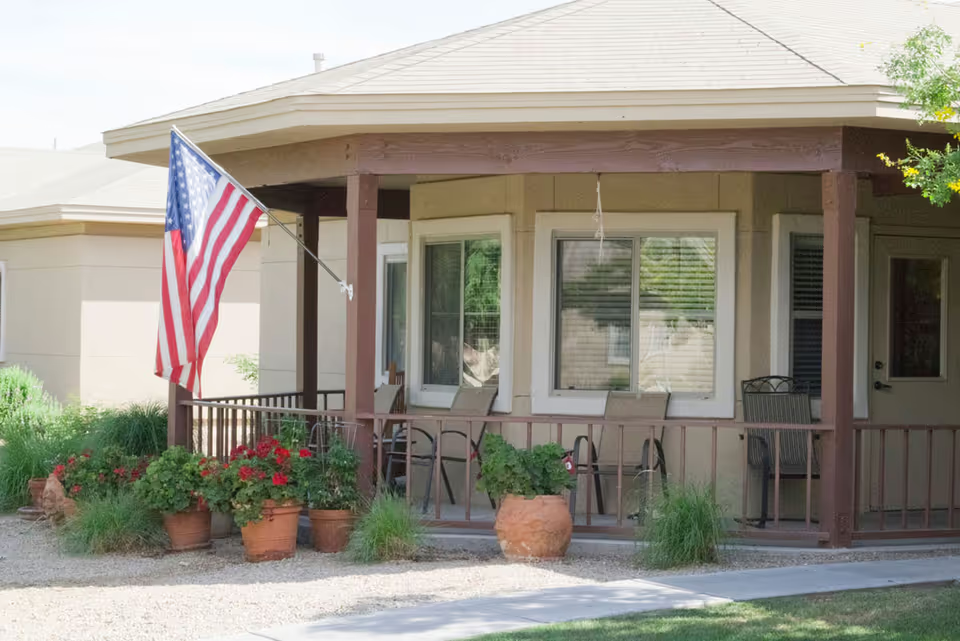
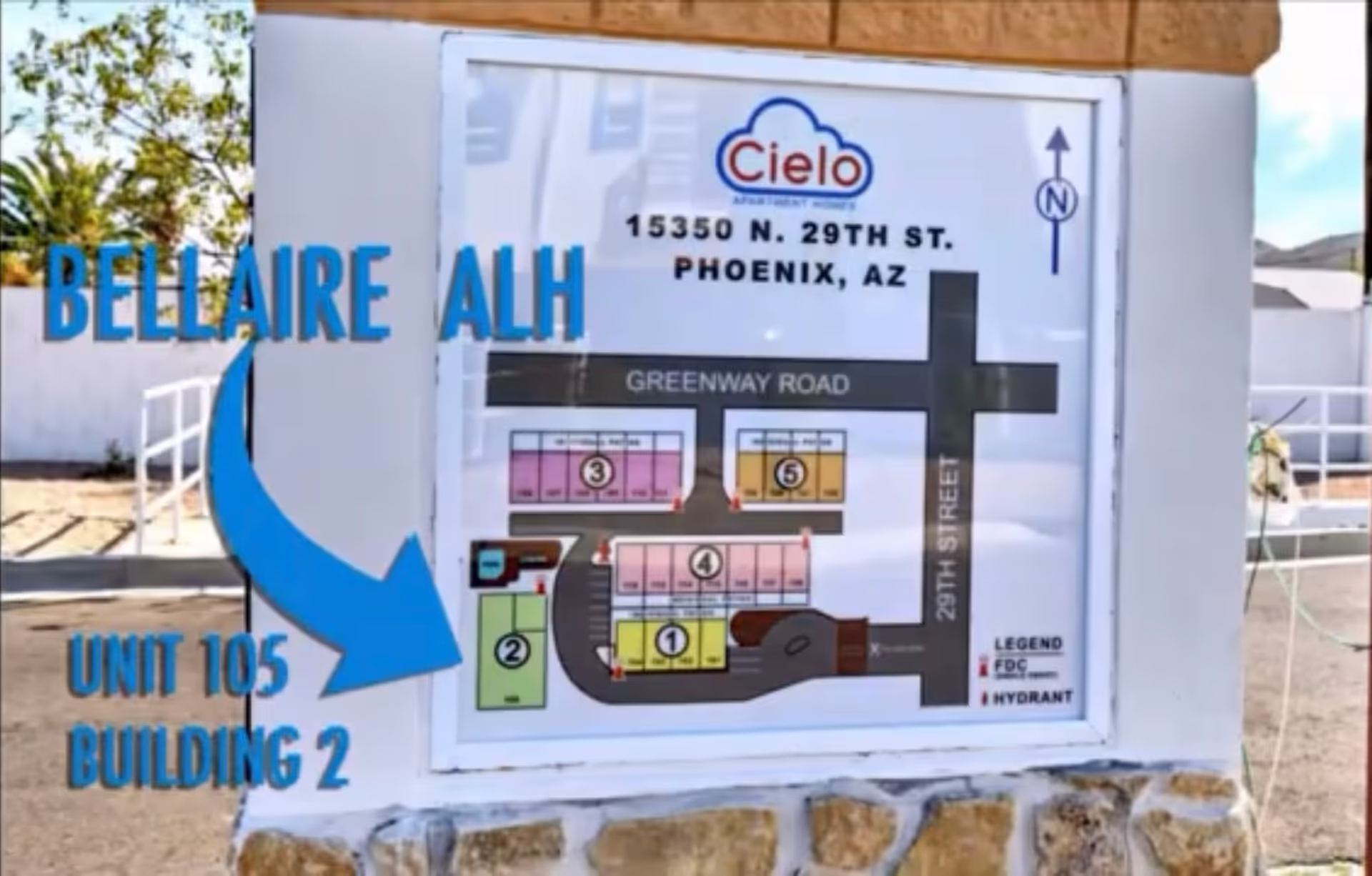
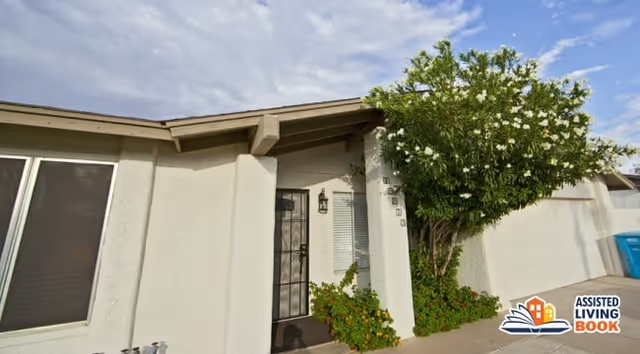
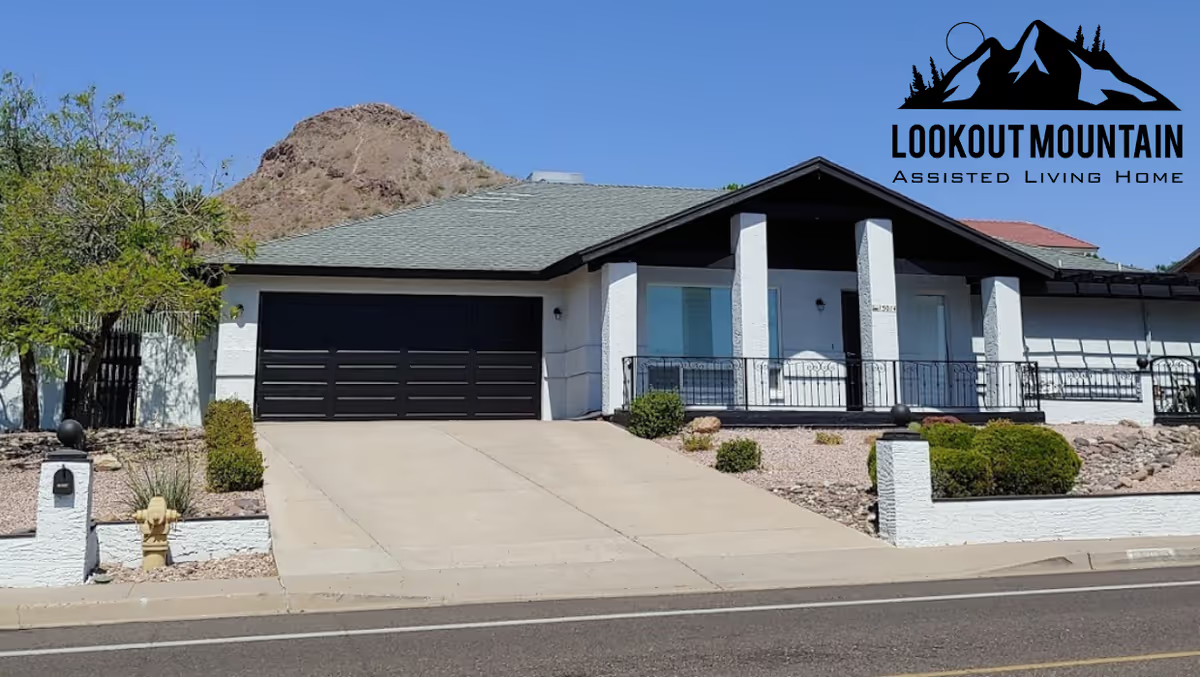
Overall impression: Reviews present a mixed but distinct pattern. Many families describe a clean, well-maintained, home-like facility with a welcoming atmosphere and staff who provide attentive, personalized support. At the same time, a subset of experiences highlights operational and clinical gaps that are significant for prospective residents who require close medical oversight or who are sensitive to billing practices.
Care and clinical oversight: Positive comments emphasize compassionate caregivers, supportive nurses and physicians, and individualized attention during anxiety or end-of-life transitions. Several reviewers credited the staff with attentive hospice coordination and smooth transitions to end-of-life care. Counterbalancing those positives are repeated concerns about clinical consistency — specifically, limitations in 24-hour nursing coverage, lapses in medication administration (including blood-pressure medication), and absence of routine vital-sign checks for residents who require them. These items point to gaps in clinical staffing model and in medication/vital-sign monitoring processes that families should verify before placement.
Staff and management: Staff are frequently described as caring, dedicated, and family-oriented; owners and managers are directly involved and are perceived as welcoming by many visitors. However, perceptions of management responsiveness and transparency are mixed. Some families raised concerns about communication tone, responsiveness to clinical questions, and accountability when problems arise. Prospective families should request clear written policies on staffing levels, on-call clinical coverage, and escalation procedures.
Dining, activities, and facilities: Dining receives consistent praise for home-cooked meals and accommodations of dietary preferences. The facility’s physical environment is commonly described as spotless, well-organized, and home-like. Reported programming includes game nights, yoga, and on-site personal-care services such as haircuts and nail/pedicure services; these offerings appear to enhance quality of life when they are consistently provided. Reviewers who had positive experiences highlighted celebratory touches (birthdays, cakes) and visible resident engagement.
Billing, fees, and transparency: A recurring operational concern involves financial practices. Reviews reference substantial upfront deposits, mandatory service fees, and additional charges (for linens, agency staffing, or other services) that were not always clearly explained in advance. One noted incident involved a cleaning fee following an incontinence event; more broadly, families reported unclear policies about extra charges and interactions with outside agencies and Medicare. These indicate a need for clearer, written fee schedules and signed agreements detailing refundable deposits, service fees, and billing responsibilities.
Notable patterns and guidance: The strongest positive signals are cleanliness, a family-like culture among staff, and meaningful hospice coordination. The strongest cautions concern clinical oversight, medication/vital-sign monitoring, and transparency around fees and advertised services. Prospective families should: (1) confirm the facility’s 24-hour clinical staffing model and on-call nursing arrangements, (2) request written medication-administration and vital-sign-monitoring protocols, (3) obtain a detailed, itemized fee and deposit schedule, and (4) seek recent references from current families and, if relevant, hospice partners. Observing the facility across a full-day visit and asking to review the resident agreement in detail can help reconcile the positive environment many describe with the operational gaps others have experienced.