Overall impression: Reviews present a mixed but specific pattern. Many families and residents compliment the daily care environment — describing staff as attentive and welcoming, clinical needs as generally well met, meals as nutritious and pleasant, and communal areas as clean and well maintained. At the same time, a subset of reviews raises operational and management concerns that are distinct from the daily caregiving strengths.
Care quality and staff: Clinical responsiveness is frequently cited as a strength; reviewers describe staff who address medical needs and seek feedback from families about care plans. Staff interactions are characterized as courteous and helpful in routine situations. However, several accounts point to lapses during critical transitions (for example, handoffs or urgent moments), suggesting that staffing reliability and transition protocols may not be consistent at all times.
Dining and activities: Dining receives positive remarks — meals are described as both nutritious and tasty. Activity programming is a recurring gap: reviewers commonly request more frequent or varied activities for residents. This points to an opportunity for expanding recreational offerings and engagement options.
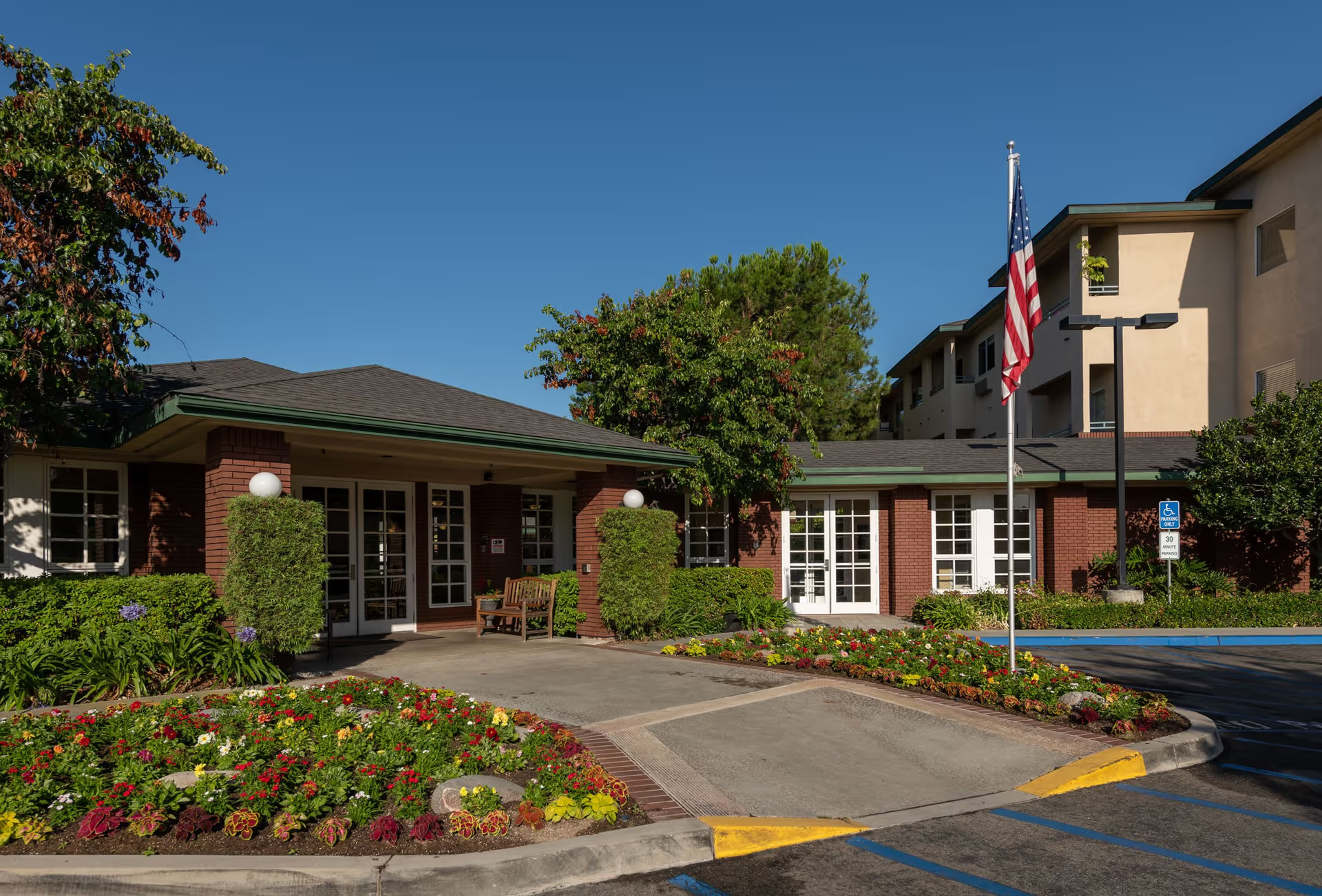
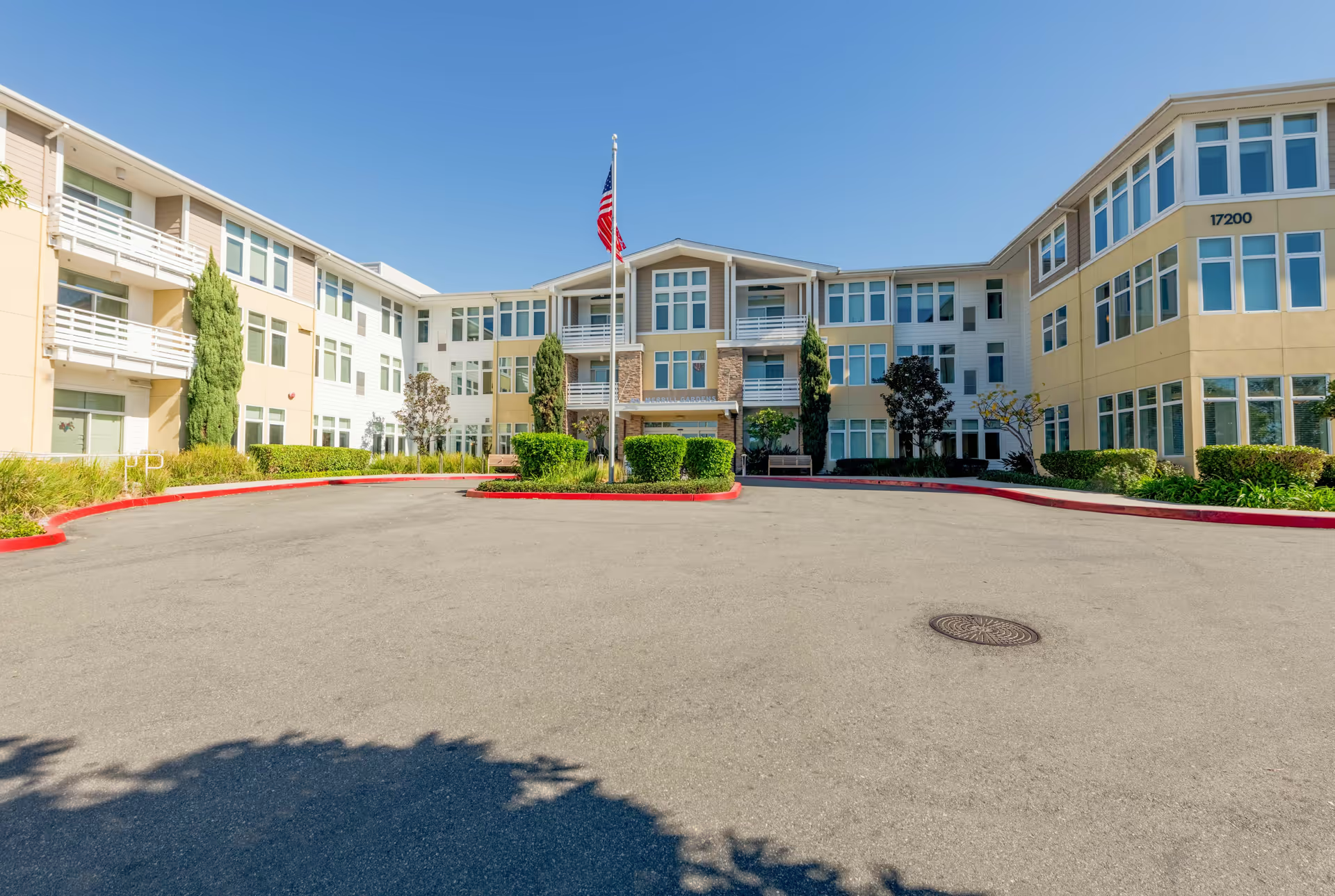
Facilities and resident property: The facility's cleanliness and upkeep are praised, indicating generally good environmental standards. Conversely, there are concerns about how resident belongings and property handling are managed during moves or transitions; one review referenced belongings being relocated in a manner that families found troubling, which implies procedural gaps in property handling.
Management, communication, and external coordination: Management practices draw mixed commentary. Some families felt management lacked compassion in specific interactions and raised disputes over room charges and billing processes. There are also recurrent issues around coordination with external providers — notably hospice — where transitions between providers have been described as problematic. A few reviews reference regulatory matters; these are significant and are best treated as allegations that warrant direct inquiry with the facility and regulators.
Notable patterns and guidance for prospective families: The pattern suggests a facility that delivers solid day-to-day care, clean surroundings, and satisfactory meals, with staff who can be responsive and engaging. Prospective residents and families should ask targeted questions about staffing levels during shift changes and urgent events, hospice and external-provider coordination procedures, billing and room-charge policies, property-handling protocols during moves, activity schedules, and the facility’s record or response to any regulatory complaints. Doing so will help clarify whether the operational gaps noted by some reviewers have been addressed.