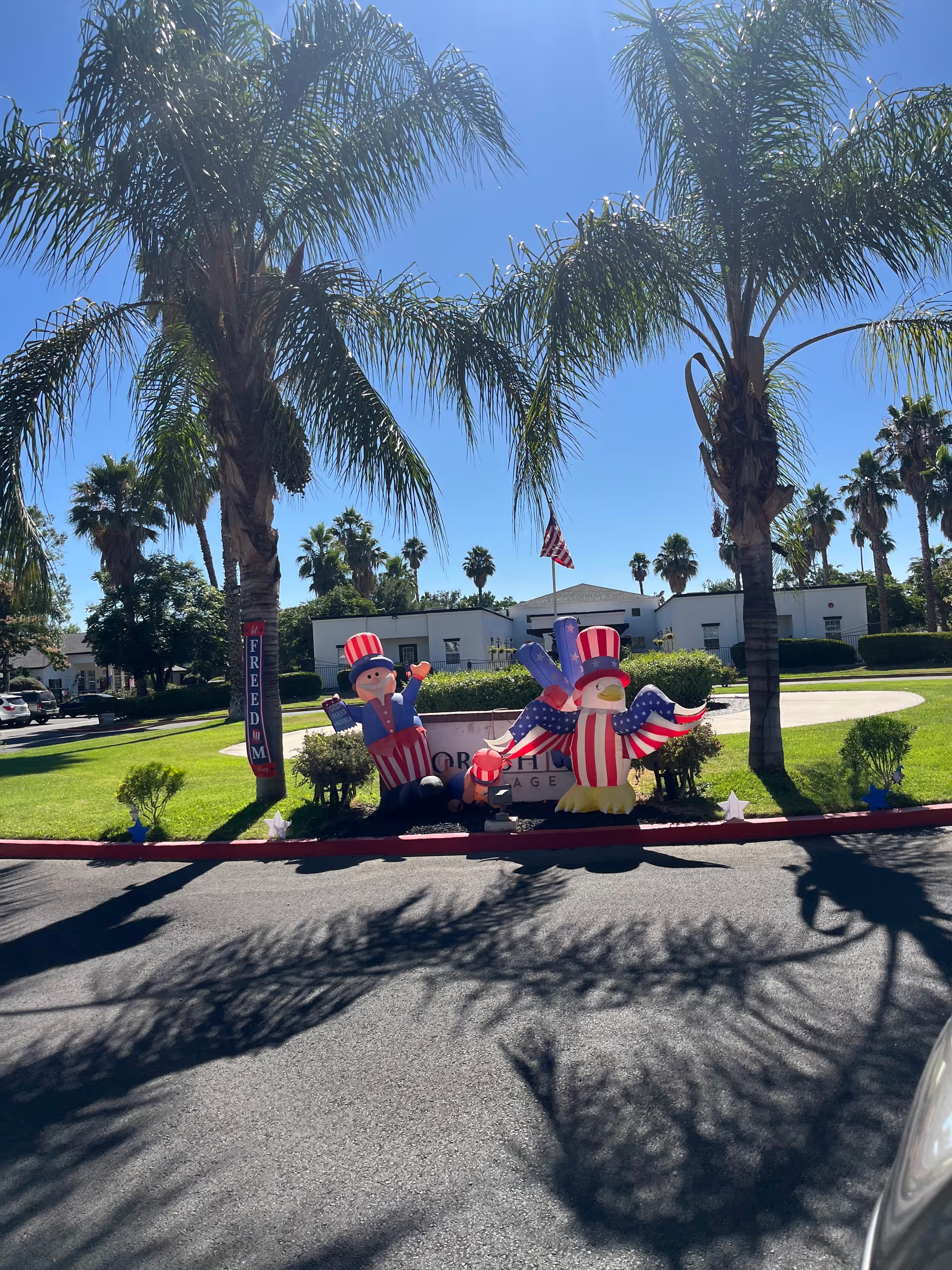
Overall impression: Amrik Elderly Care presents as a relatively new, well-kept small facility with a home-like environment and a friendly resident community. Many families highlight a clean interior, a functional floorplan, and a neighborhood they find pleasant. Staff are frequently described as warm, approachable, and capable of building close rapport with residents, which contributes to a socially engaged atmosphere and a sense of value.
Care and staffing: Multiple accounts emphasize attentive caregivers who assist with appointments and provide support that families find helpful. Staffing is characterized by friendliness and professionalism in many interactions, and some individual caregivers receive strong praise. However, reviewers also describe variability in caregiver conduct and responsiveness: there are reports of occasional rude interactions that were addressed, and there are recurring remarks about slow responses to family inquiries or requests. Taken together, these items suggest generally positive caregiver engagement with episodic variability in professionalism and response times. Families considering the community should ask about staffing consistency, turnover, and communication protocols.
Dining: Dining is commonly cited as a positive element in terms of portion size and general satisfaction. At the same time, there are concerns about menu consistency and food sourcing—specifically the presence of processed or canned entrees and a perception that some items are represented as homemade when they are not. This indicates a mismatch for some families between expectations and culinary practice; prospective residents may wish to review sample menus and ask about meal preparation and ingredient sourcing.
Activities and social life: The community offers games, board activities, and outdoor options, and many residents are described as socially engaged. That said, a number of remarks indicate that programming can sometimes feel underengaging or that resident involvement varies. This points to an opportunity for more consistently stimulating or tailored activities to better match differing resident interests and abilities. Prospective families should request activity schedules and examples of participation levels during a visit.
Facilities and management: The building condition and cleanliness receive positive comments, and several reviewers describe the facility as well-run. Conversely, there are periodic descriptions of a hectic atmosphere or operational disorganization, which can create moments of inconsistency in daily routines or responsiveness. There is also at least one expressed concern about cultural sensitivity toward a resident of color; while this appears to be an individual concern rather than a pattern that has been fully documented, it warrants direct inquiry into staff training and nondiscrimination practices.
Notable patterns and recommendations: The dominant strengths are staff–resident relationships, a clean facility, and a generally warm, home-like culture. The dominant weaknesses center on communication timeliness, variability in caregiver professionalism, and inconsistent dining experiences. Before committing, families should tour at different times of day, meet direct-care staff, review sample menus, ask about communication protocols (who is the point of contact, expected response times), inquire about staff training on cultural sensitivity, and observe activity periods. These steps will help determine whether the facility’s prevailing strengths align with a prospective resident’s priorities and whether any operational inconsistencies can be managed to their satisfaction.