Overall sentiment across the reviews is mixed but leans positive on the direct caregiving, the living environment, and the dining program, with notable operational concerns that could be decisive depending on a resident’s clinical needs.
Care quality and staff: Multiple reviewers highlight the staff as a major strength — described as excellent, wonderful, and providing great care. The small size of the home (up to six residents) appears to support personalized attention and close relationships between staff and residents. Dementia care is singled out positively, suggesting staff have experience or training to manage memory-care needs in many cases. However, despite strong day-to-day caregiving impressions, there are recurring operational weaknesses (see below) that negatively impact perceived overall quality for some families.
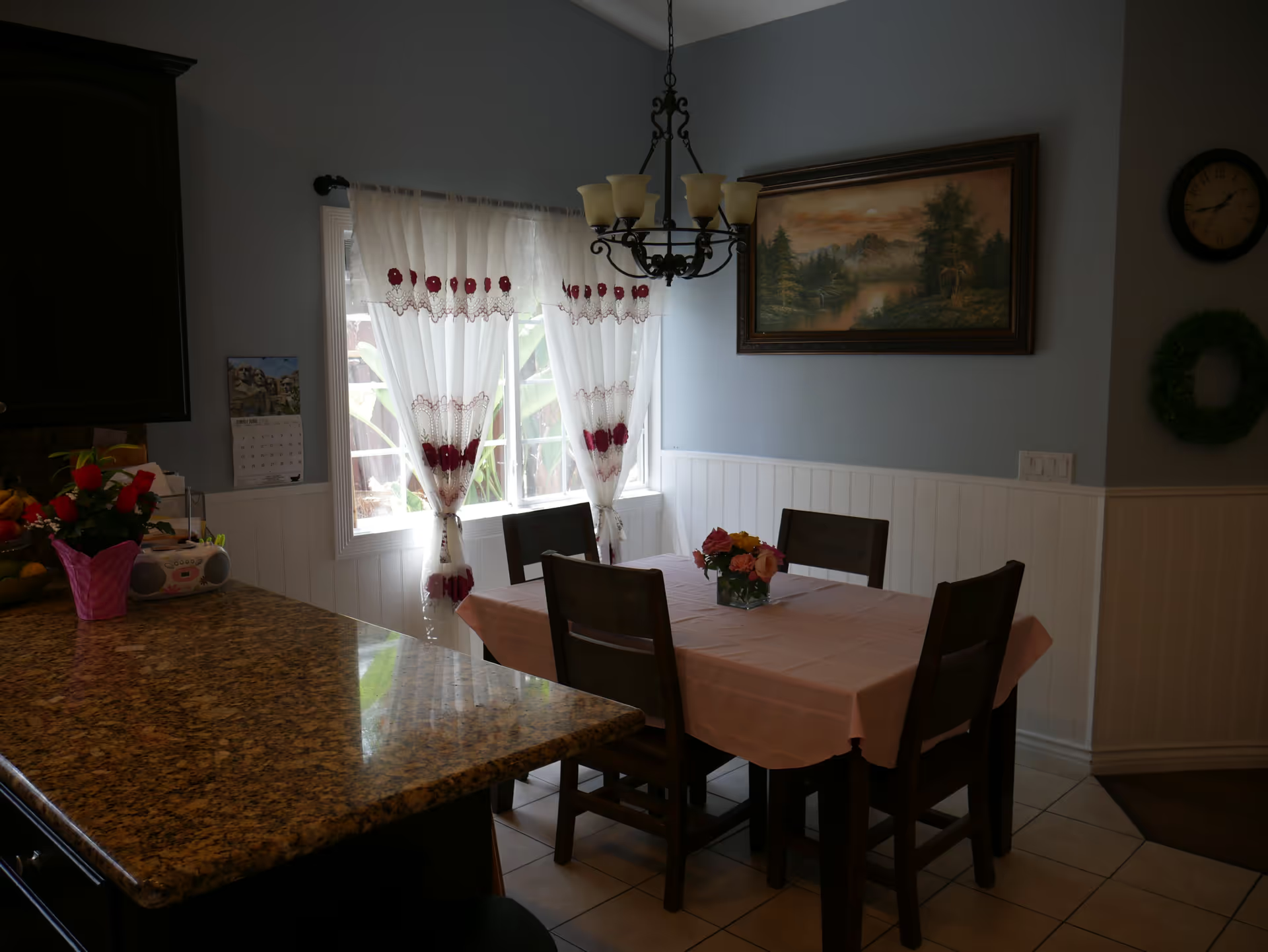
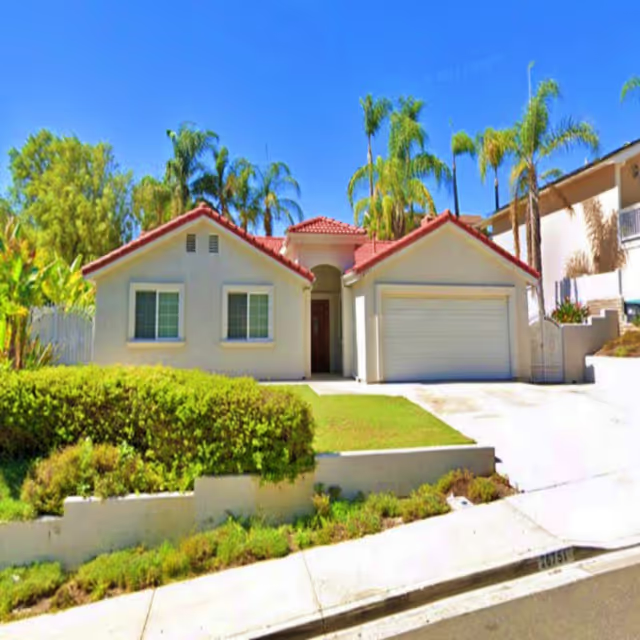
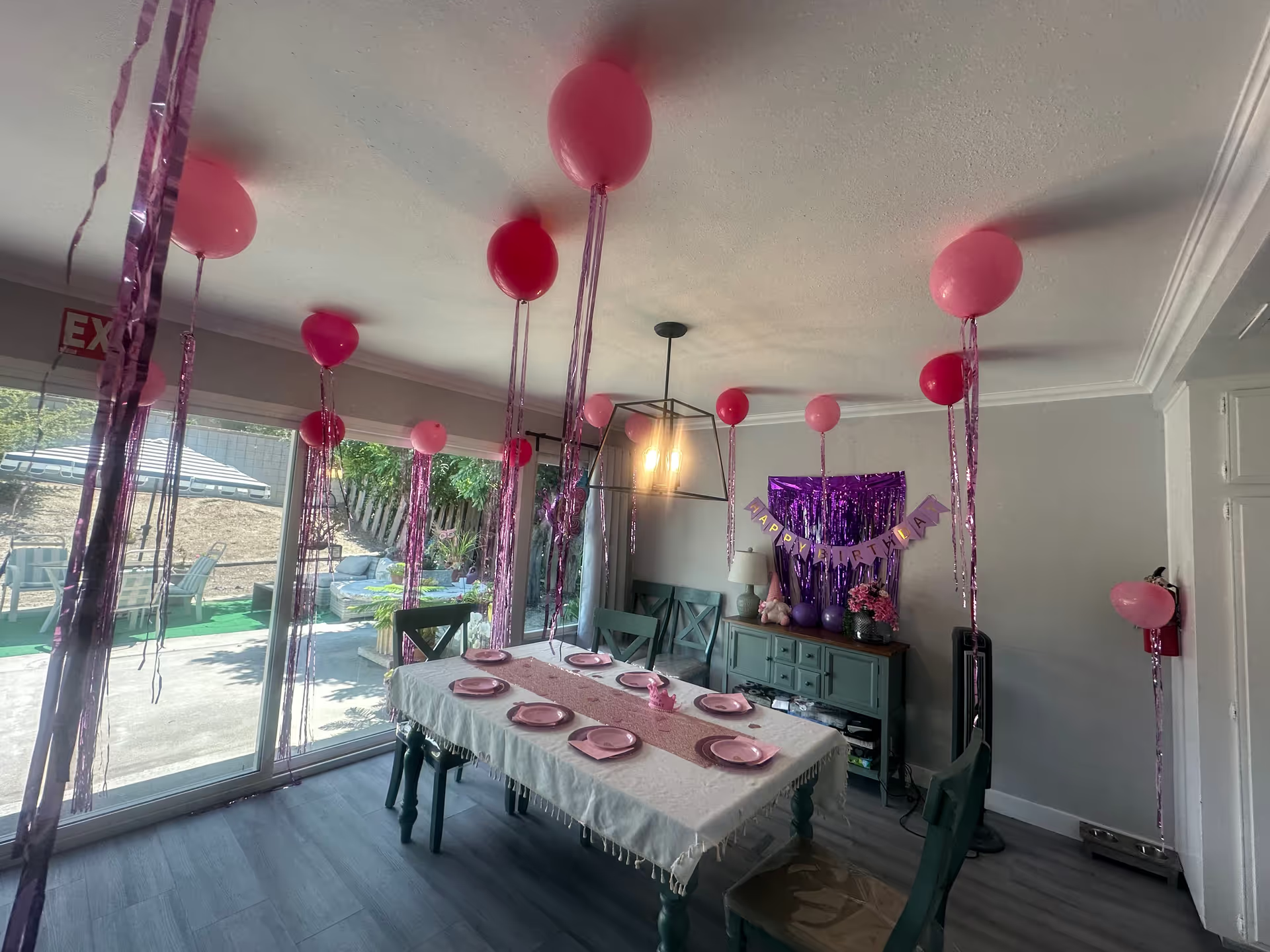
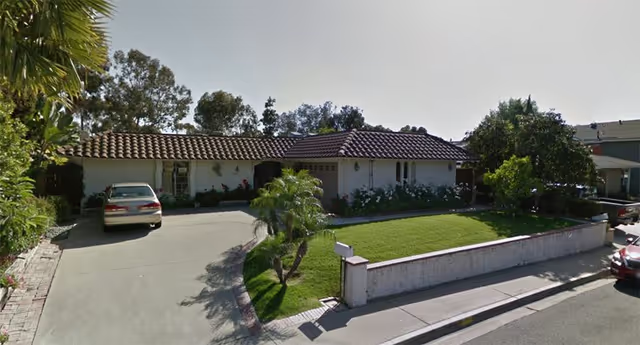
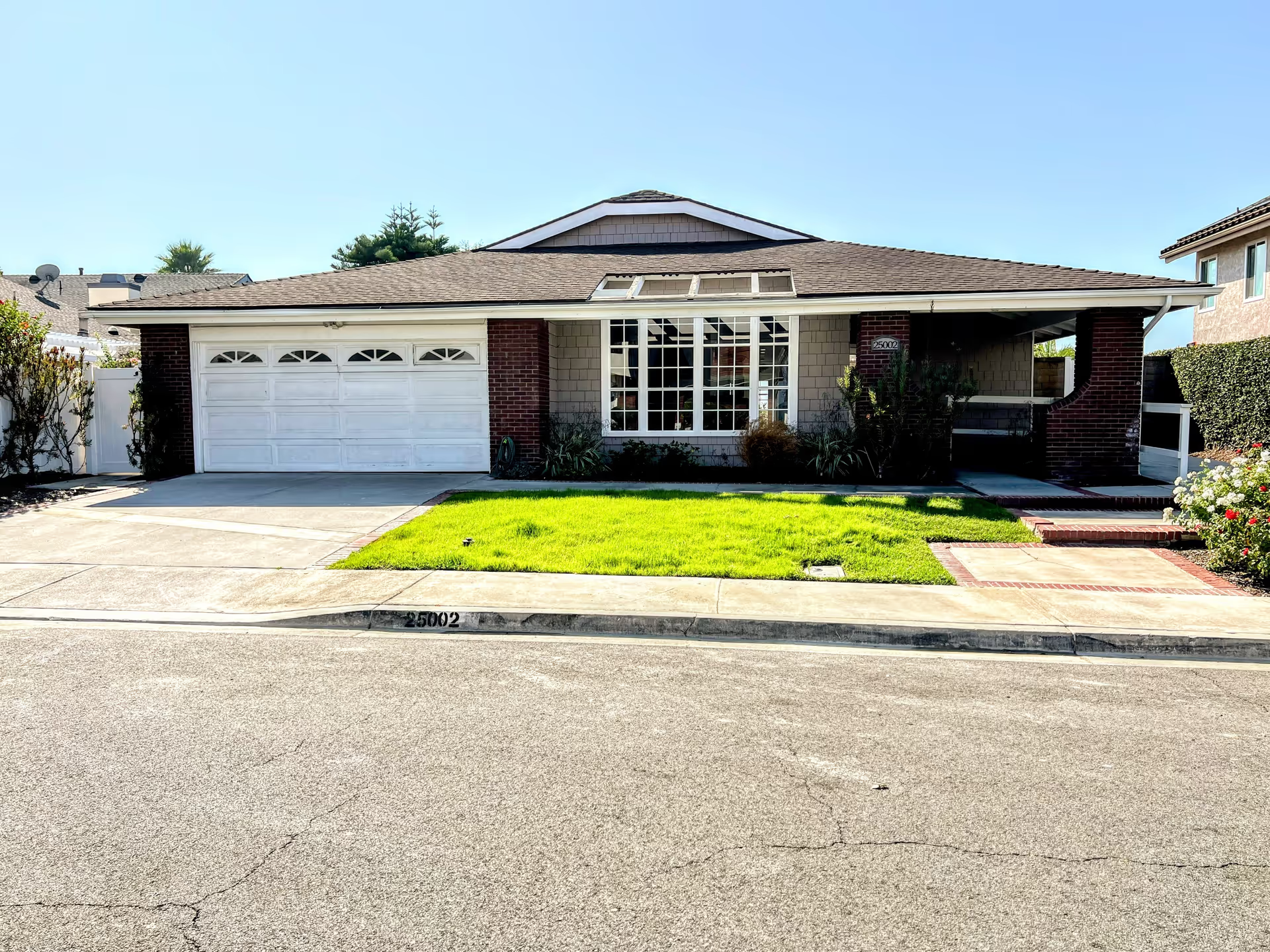
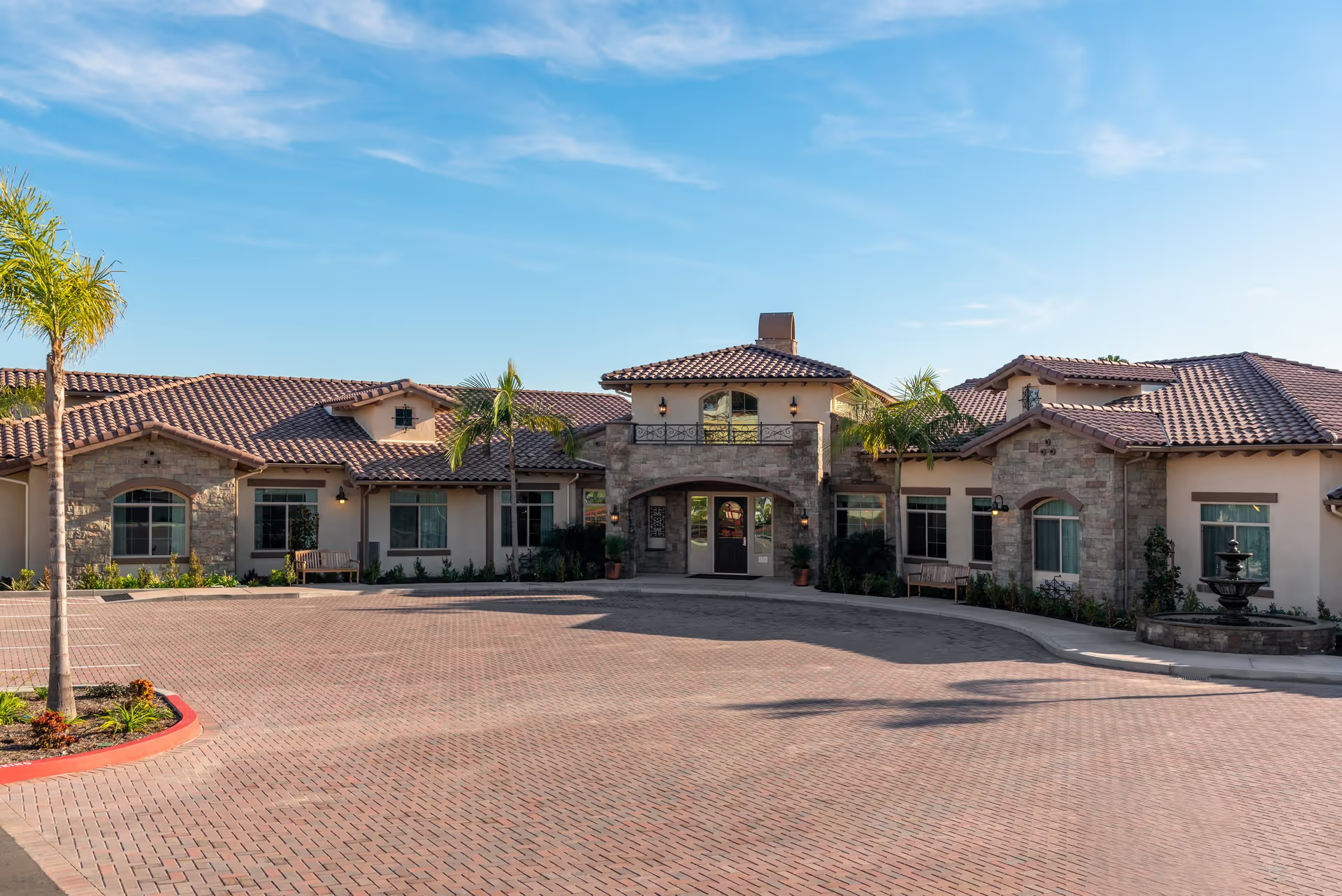
Facilities and atmosphere: The house itself receives consistent praise: beautiful, very clean, comfortable, with large bright rooms and a quiet neighborhood setting. Reviewers emphasize the home-like feel created by the small scale and by the facility’s cleanliness and aesthetics. For families valuing a homely, low-density environment rather than an institutional setting, this property appears to meet expectations.
Dining and nutrition: Meals are a clear strength. Multiple reviewers note daily home-cooked meals with variety, describing the food as delicious. A manager who is nutrition-minded is mentioned specifically, which suggests that meal planning is thoughtful and tailored to resident needs. Dining emerges as a standout service that reinforces the positive impression of everyday life at the home.
Management and organization: This is where reviewer opinions diverge. While the manager is credited for nutrition focus, other areas of operations show weaknesses. Medication management is described as poorly organized — a critical concern because medication errors or poor tracking can directly affect resident safety. Communication with families is another repeating complaint; poor communication contributed to at least one family concluding the placement was not a fit and leaving early. The absence of an awake night staff member is emphasized in multiple summaries and is a significant safety and care-appropriateness issue for residents who may require overnight monitoring or assistance.
Suitability and cost considerations: The small, attentive setting and strong meal program make the home attractive for many seniors, especially those with mild to moderate dementia who do not require overnight staffing. However, the lack of awake night staff, medication organization problems, and spotty family communication make this facility a poor fit for residents with higher medical needs or those who require close monitoring at night. Several reviewers mention that the facility is not cheap; one summary says "value for money not cheap," indicating families perceive good value but also note a relatively high price. Prospective families should weigh the cost against the specific services they need (especially night coverage and medication administration practices).
Overall recommendation/patterns: If a family’s priority is a small, clean, comfortable, home-like environment with attentive daytime staff, strong dementia care during the day, and high-quality, home-cooked meals, this home is likely to be a strong option. If, however, a resident needs awake night supervision, tightly managed medication routines, or highly proactive family communication, this facility may not meet those needs without operational changes. The recurring themes suggest strong person-to-person care and an appealing environment, offset by management and safety-related shortcomings that some families found significant enough to end placements early.