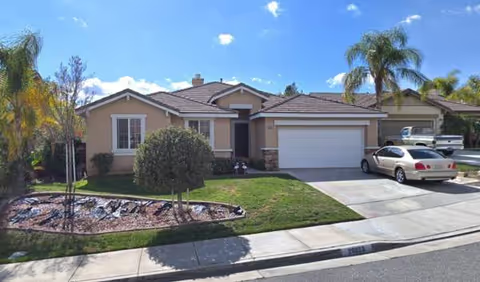
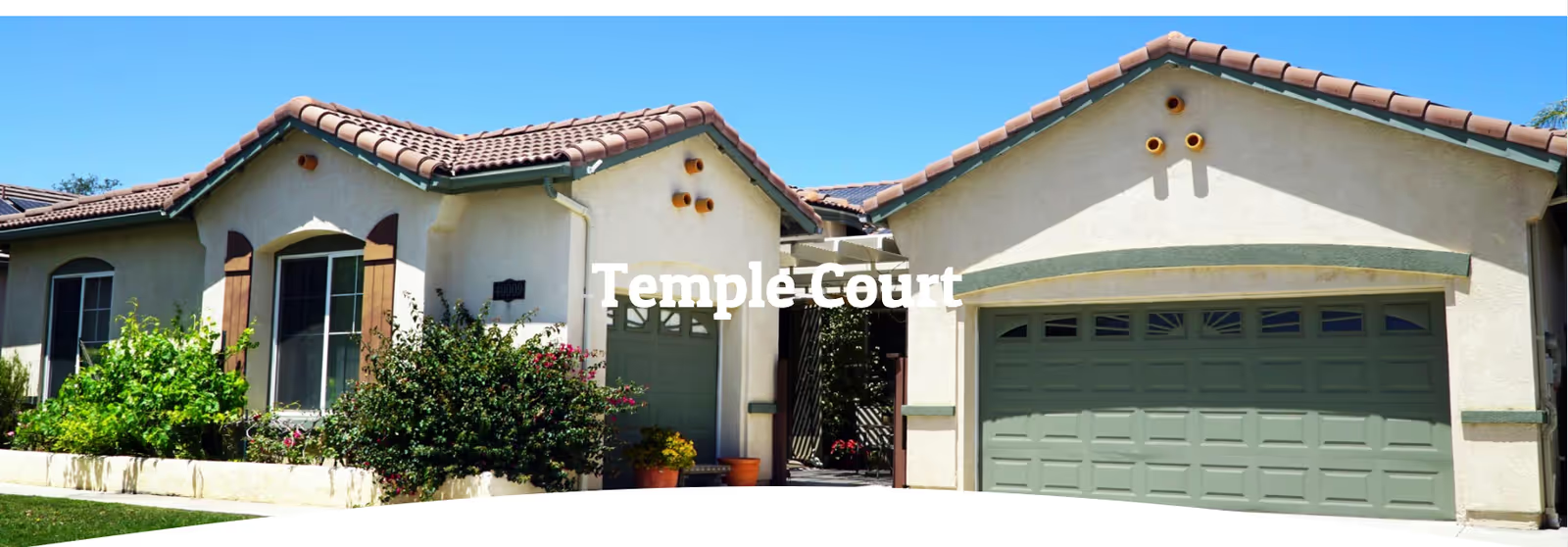
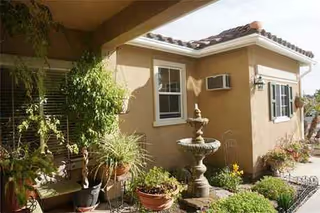
New Hope Residential Elder Care presents as a small, home-like assisted-living option with an emphasis on personal compatibility and a family atmosphere. Families consistently noted a clean, recently updated interior and private bedrooms located close to bathrooms, which supports privacy and convenience. The facility positions itself as value-oriented: pricing is described as affordable and inclusive of medications and meals, and in-room amenities such as a large TV with cable were called out positively.
Care and staff interactions are a clear strength. Multiple accounts describe staff and management as caring, attentive, and knowledgeable; reviewers used language indicating that staff engaged with residents and helped alleviate family concerns, including resolving hospice-related questions. The small-staff model appears to enable individualized attention and close relationships between caregivers, residents, and families.
Dining and medication arrangements are presented as straightforward through an all-inclusive plan for meals and medications, which simplifies budgeting and logistics for families. However, there is at least one noted concern about the facility’s medication-administration practices and related consent or timing policies; this suggests the need for prospective families to clarify medication procedures and documentation during intake.
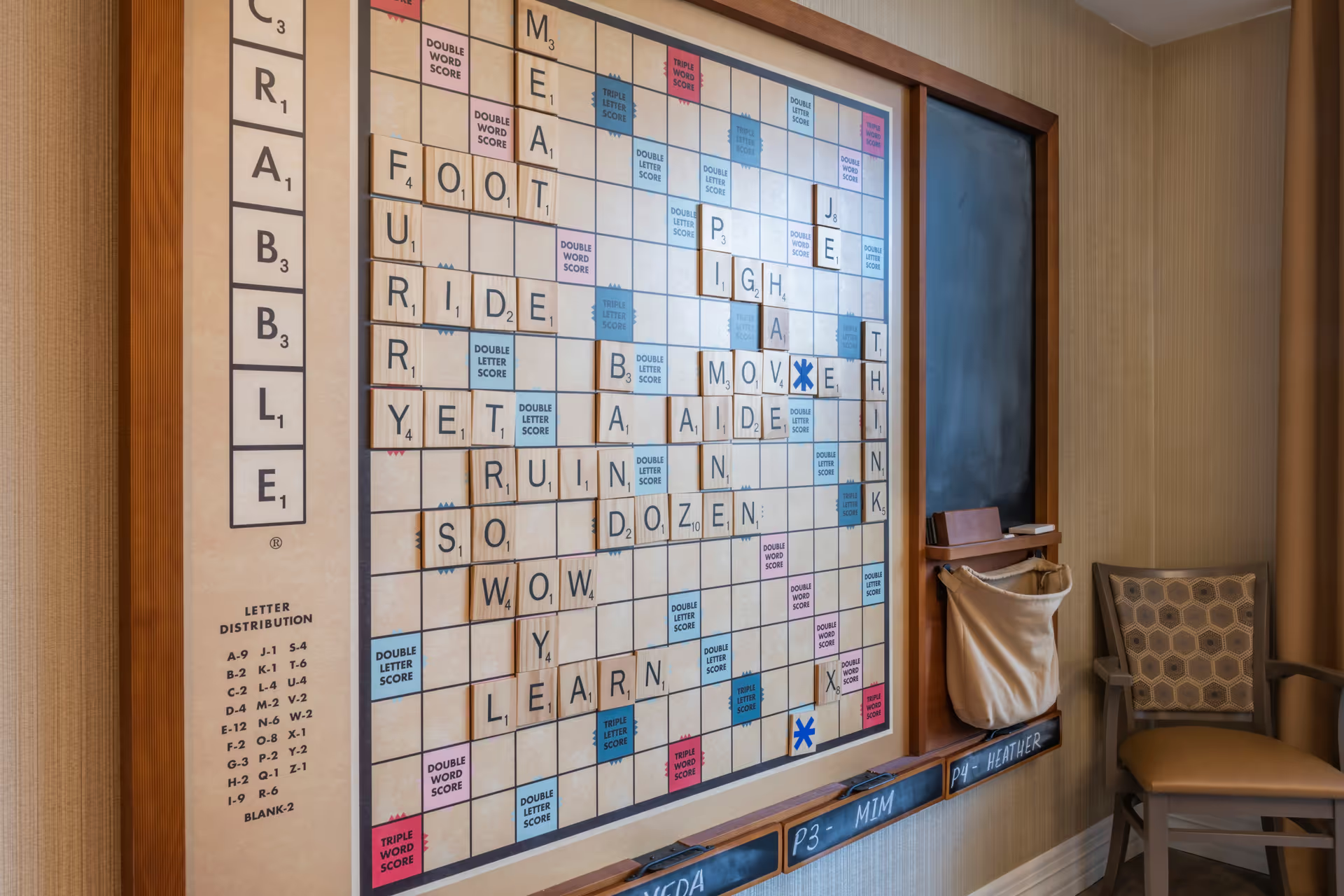
Activity programming appears limited. Several comments indicate a lack of organized activities, so prospective residents who require more structured engagement or therapeutic programming should ask specifically about schedule options and alternatives. The pet-friendly environment is a mixed feature: while some families appreciate the presence of dogs and the home-like atmosphere they contribute, others raised issues with barking and with door/access management related to pet areas, pointing to pet-related noise and entry-control considerations.
Management and safety practices warrant attention during the tour and admission process. Although admissions emphasize compatibility screening, a few observations describe initial unease during visits and examples of entry or supervision lapses (for example, entryways being handled by unsupervised children). Prospective families should review visitor procedures, entry supervision, and emergency protocols to ensure they match expectations. Finally, the facility’s small size is a double-edged characteristic: it supports individualized care and a quiet environment but may limit on-site access to more specialized clinical services; families with higher-acuity needs should confirm available clinical capabilities and transfer procedures.
Overall, New Hope is positioned as a clean, affordable, and attentive small residential option that prioritizes personal fit and hands-on caregiving. Prospective residents and families will benefit from on-site visits that specifically address medication policies, activity programming, pet management, and safety/entry procedures to determine alignment with individual care needs.