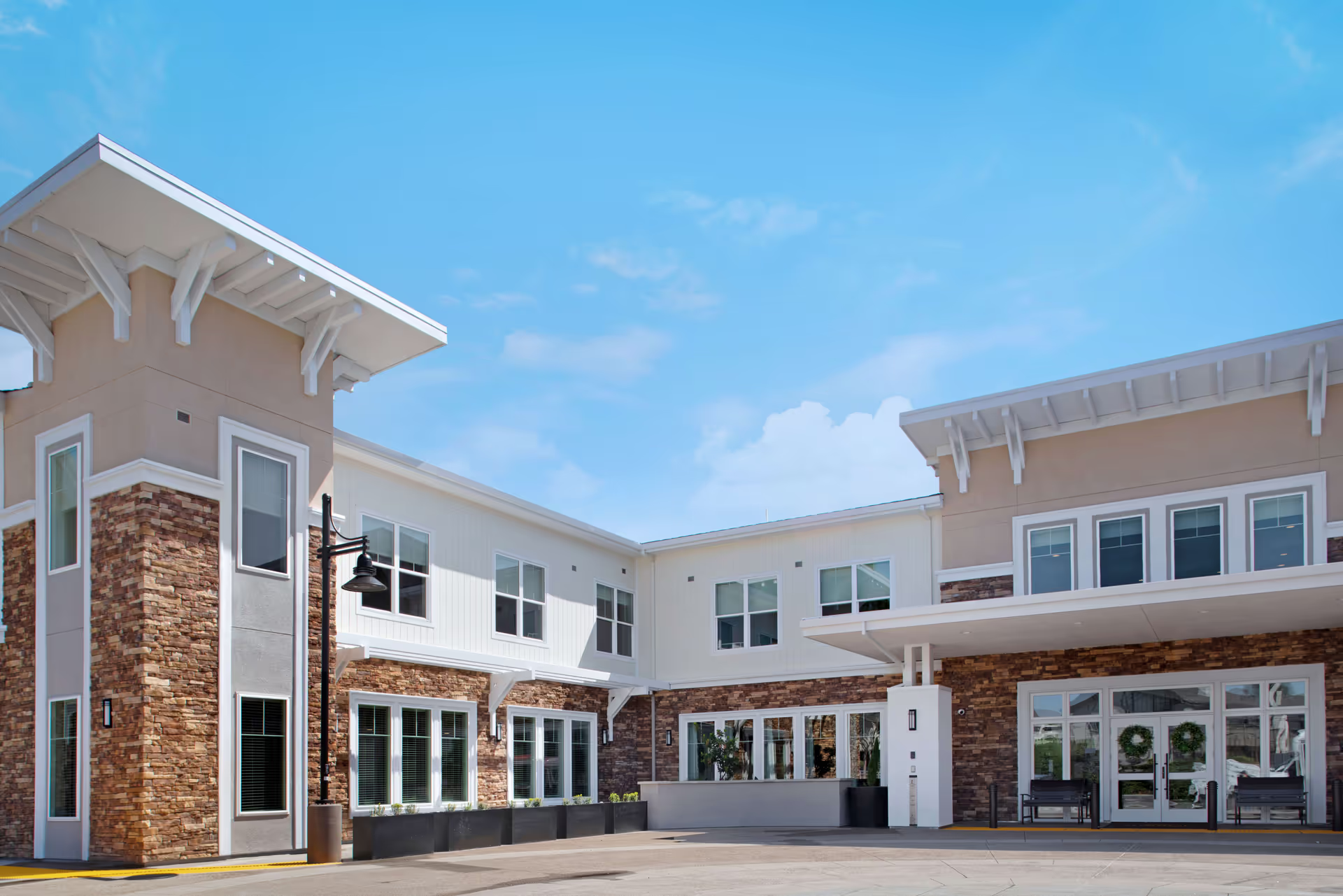
The set of reviews presents a mixed but consistent picture: interpersonal and day-to-day care strengths are frequently highlighted, while programmatic and clinical-practice concerns recur. Families emphasize that staff are warm, accommodating and supportive—many describe transitions as well-managed and residents as treated with respect and kindness. The community ambiance and the quality of onsite dining are repeatedly described positively, with particular praise for the cook and residents' enjoyment of meals.
In terms of basic care, reviewers indicate the facility delivers reliable assistance with activities of daily living and has a focus on preventing injury. However, multiple accounts point to limited offerings for cognitive and social engagement. There is a pattern of residents described as having low mobility and reduced verbal engagement, and reviewers explicitly desire more structured activities and mental-stimulation programming to address those needs.
Several comments raise operational concerns related to clinical practice and individualized care. These include unease about the facility's use of restraints and medication for behavior management, and instances where requested care preferences were not met. Taken together, these indicate potential gaps in medication-management oversight, restraint-use protocols, and adherence to individualized care plans. Some reviewers also associated these gaps with setbacks in residents' physical or emotional well-being, suggesting a need for closer monitoring and care-plan follow-through.
Management and staffing show clear strengths in bedside manner and transition support: staff are repeatedly described as helpful, gentle, and understanding. At the same time, management-level attention could help address programmatic shortfalls. Priority opportunities include expanding activity and cognitive-stimulation programming, strengthening rehabilitative and mobility-support services, reviewing restraint and medication policies for clearer oversight, and improving mechanisms to ensure individualized care requests are consistently implemented.
For prospective residents and families, the facility appears to offer a warm community and dependable basic personal care with well-liked dining and a supportive staff culture. Families weighing placement should balance these interpersonal strengths against the programmatic limitations highlighted—particularly the need for more robust activity programming and clearer clinical-practice safeguards around mobility support, medication management, and individualized care-plan adherence.