Overall impression: Reviewers present a mixed but actionable picture. The facility receives consistent praise for day-to-day caregiving from its regular staff, a balanced activities program, and a kitchen that provides varied, generally nutritious meals. Physical accommodations are frequently described as comfortable — private rooms with en-suite bathrooms and a generally well-maintained interior. Management is often characterized as professional and proactive, and several accounts emphasize perceived value relative to cost.
Care quality and staffing: Primary caregivers and long-term staff are viewed positively for kindness, patience, and responsiveness. At the same time, the facility appears to rely on substitute caregivers at times; substitutes have been described as less familiar with individual resident routines. Review content suggests the staffing model may be strained for residents with higher dependency or mobility needs, and families should assess current staffing ratios and how substitutes are oriented to care plans.
Dining and activities: The dining program is a clear strength in the summaries — meals are described as healthy, varied, and generally well liked by residents. Activities are characterized as well balanced and the daily schedule is workable for most residents. These programs appear to contribute to overall resident engagement and satisfaction when staffing levels support them.
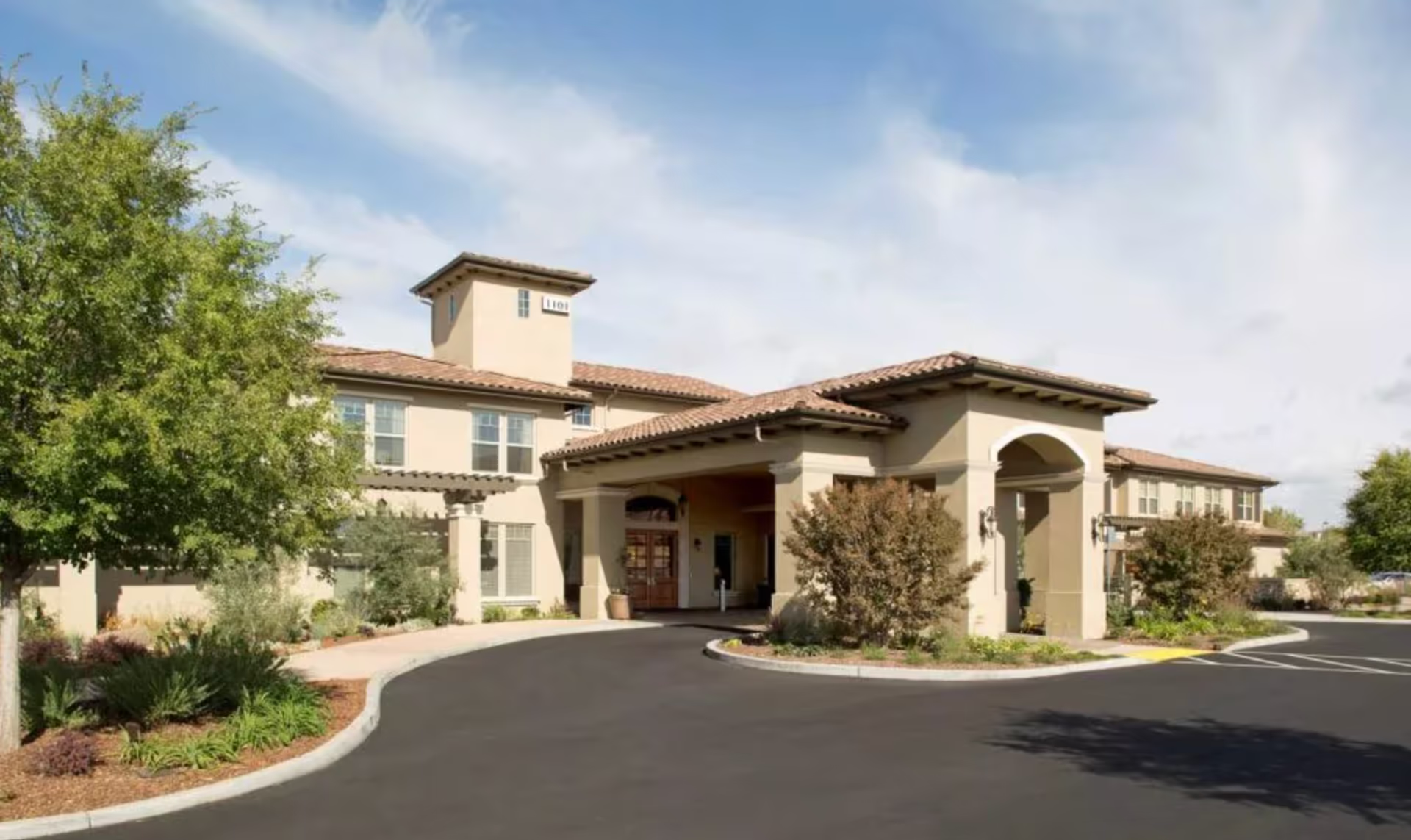
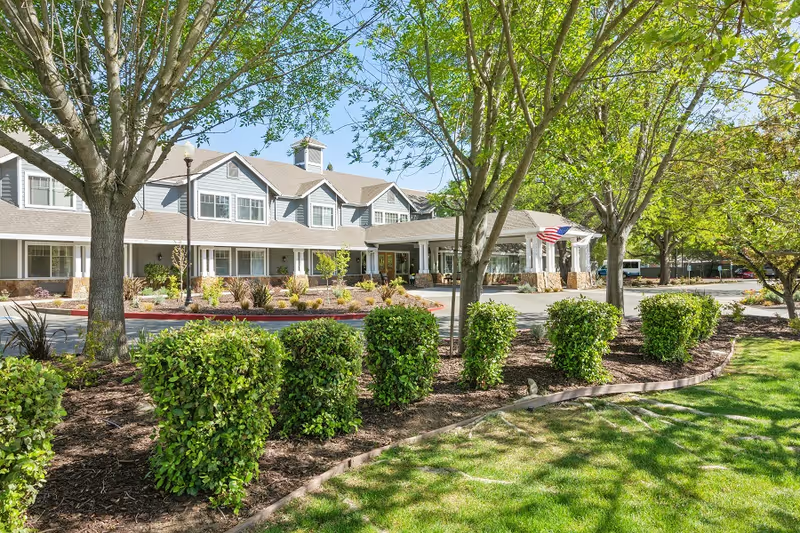
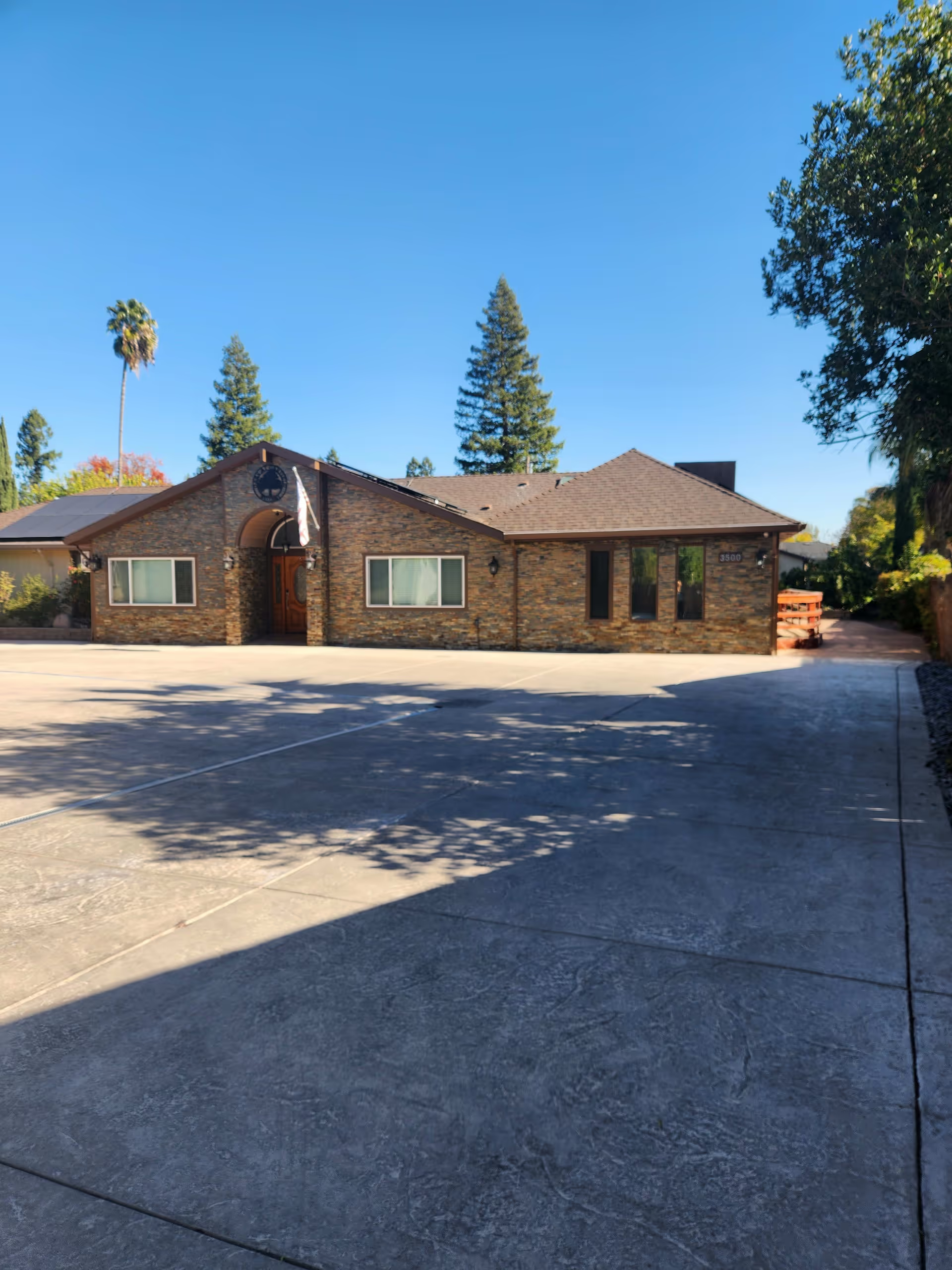
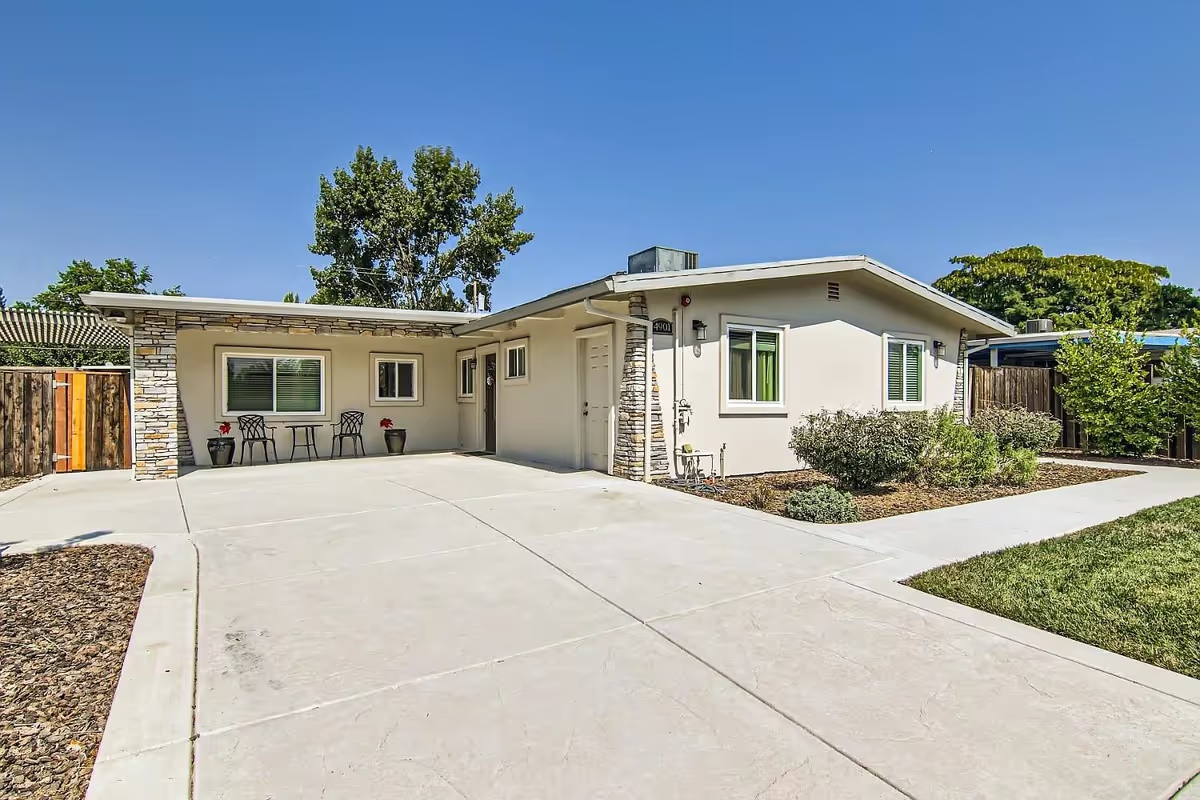
Facilities and cleanliness: The facility is generally described as clean and pleasant, with adequate room size and private bathrooms. However, reviewers also note localized odor concerns in some common areas; prospective visitors should confirm sanitation and housekeeping protocols on a tour.
Management, communication, and compliance: Management style is frequently described in positive terms — professional, communicative, and proactive. Nevertheless, there are operational gaps in message handling and timely communication with families (for example, messages not consistently checked). Additionally, there are active licensing complaints and pending regulatory investigations; this raises a governance and compliance issue families should follow up on directly with the provider and licensing authority.
Notable patterns and recommendations: The dominant themes are competent primary staff and good programming, counterbalanced by staffing continuity issues, communication lapses, and regulatory questions. Prospective residents and families should (1) confirm current staffing levels and how substitute staff are trained and briefed on individual care plans, (2) ask about housekeeping and sanitation protocols for common areas, (3) request details and outcomes related to any active licensing complaints, and (4) speak with current families or an independent advisor to gauge resident satisfaction and day-to-day consistency. These steps will help clarify whether the facility’s strengths are reliably sustained for a particular resident’s needs.