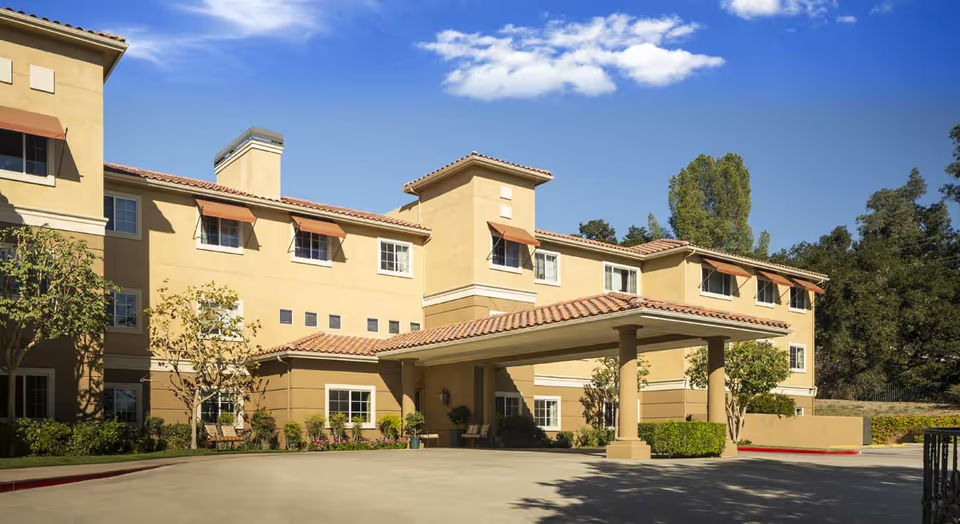
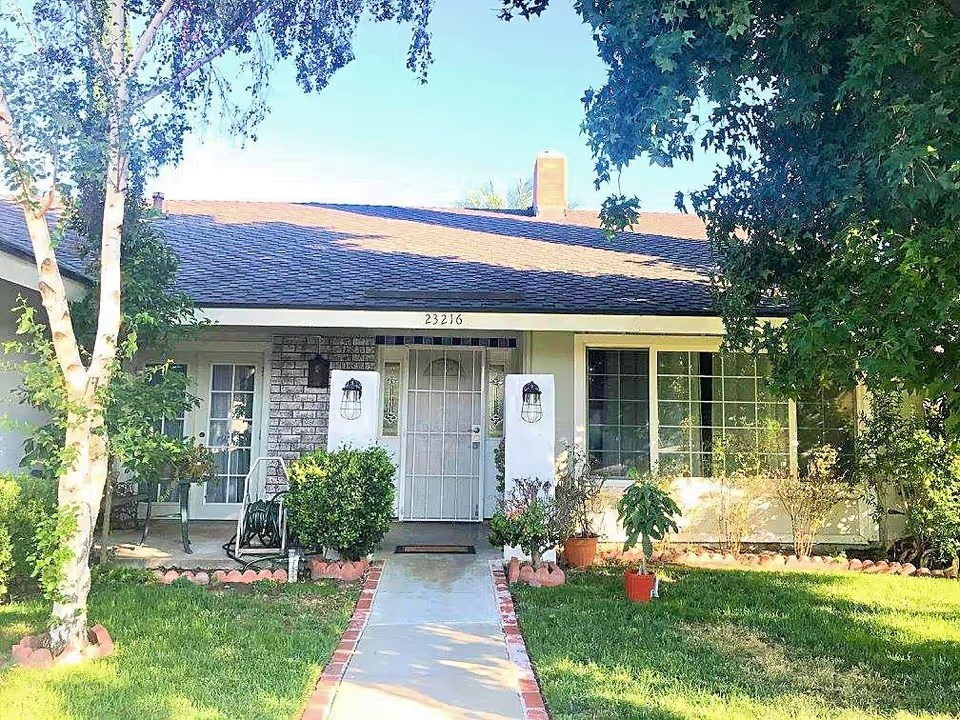
The Cromwell Home presents as a small, home-style assisted living setting characterized by a high degree of personalized attention and a clinically informed ownership presence. Review content consistently highlights compassionate, attentive caregivers and an RN-owner who provides visible clinical oversight. Several comments point to specific clinical strengths, including care for residents with dementia, Parkinson’s disease, and diabetes, as well as around-the-clock safety measures. These features suggest a care model oriented toward individualized support rather than high-volume institutional care.
Staff and day-to-day care receive strong praise: reviewers emphasize kindness, patience, and regular caregiver-led activities such as walks and outdoor time. The environment is described as clean, well maintained, and homey, with a relaxed country atmosphere that supports outdoor access and seasonal sunshine. Dining is frequently mentioned in positive terms—home-cooked meals and generally well-rated food service—adding to residents’ comfort and perceived quality of life. Administration is described as informative and knowledgeable, and the facility’s pricing is noted as budget-friendly, which may be important for families balancing cost and care needs.
Because the community operates as a small residential home, prospective residents and families should weigh that model’s trade-offs. The small-staff structure and owner-led operation support continuity and personalized attention but can also limit staffing redundancy and the presence of on-site high-acuity clinical resources (for example, extended skilled nursing or daily physician coverage). Activity offerings described in the reviews tend toward informal, resident-focused options (walks, outdoor time) rather than a broad roster of formal therapeutic or recreational programs. The rural/country setting contributes to a relaxed atmosphere but may have implications for proximity to specialty medical services and public transportation.
Overall, The Cromwell Home appears well suited to people seeking a respectful, home-like environment with hands-on caregiving and clinical oversight for common chronic conditions. Families considering placement should ask management about contingency staffing plans, the facility’s capabilities for higher-acuity or rapidly changing clinical needs, transportation/medical-appointment support, and policies around end-of-life care and family communication to ensure alignment with their expectations and long-term care needs.