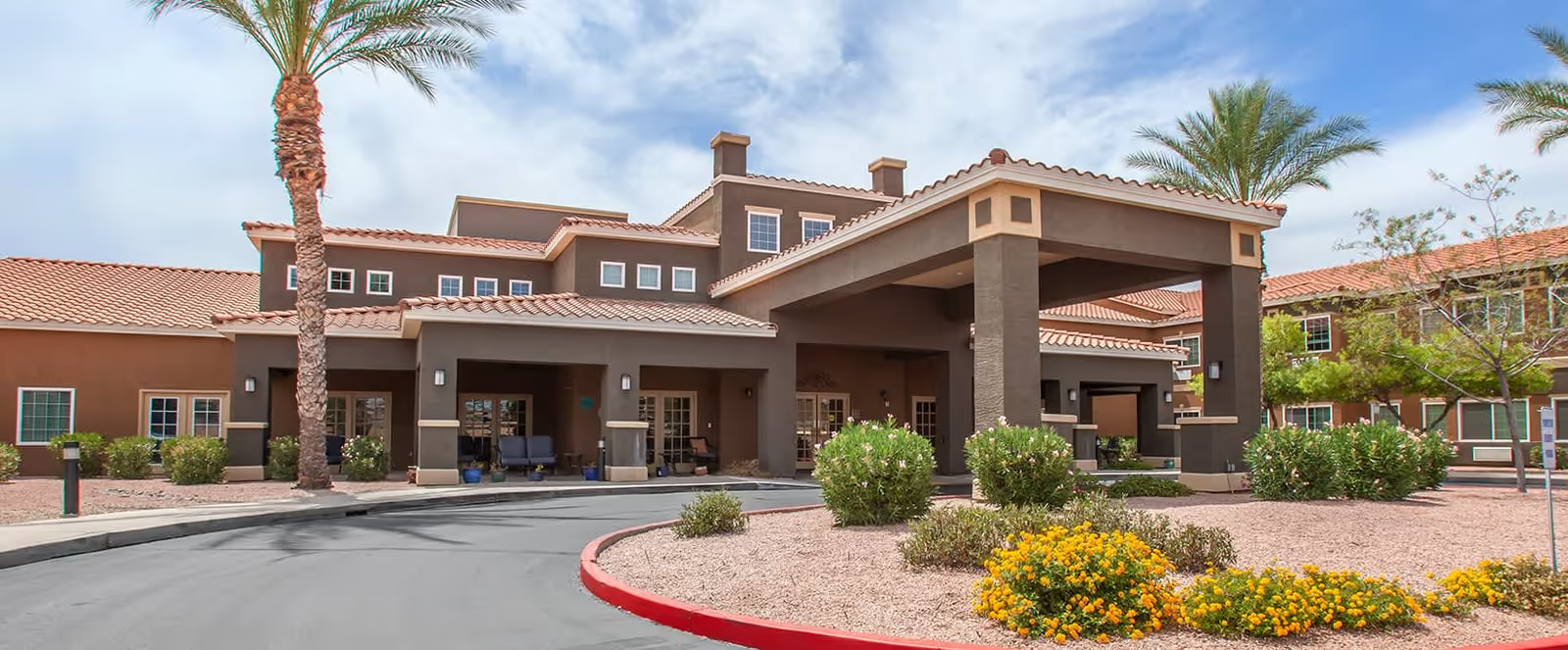
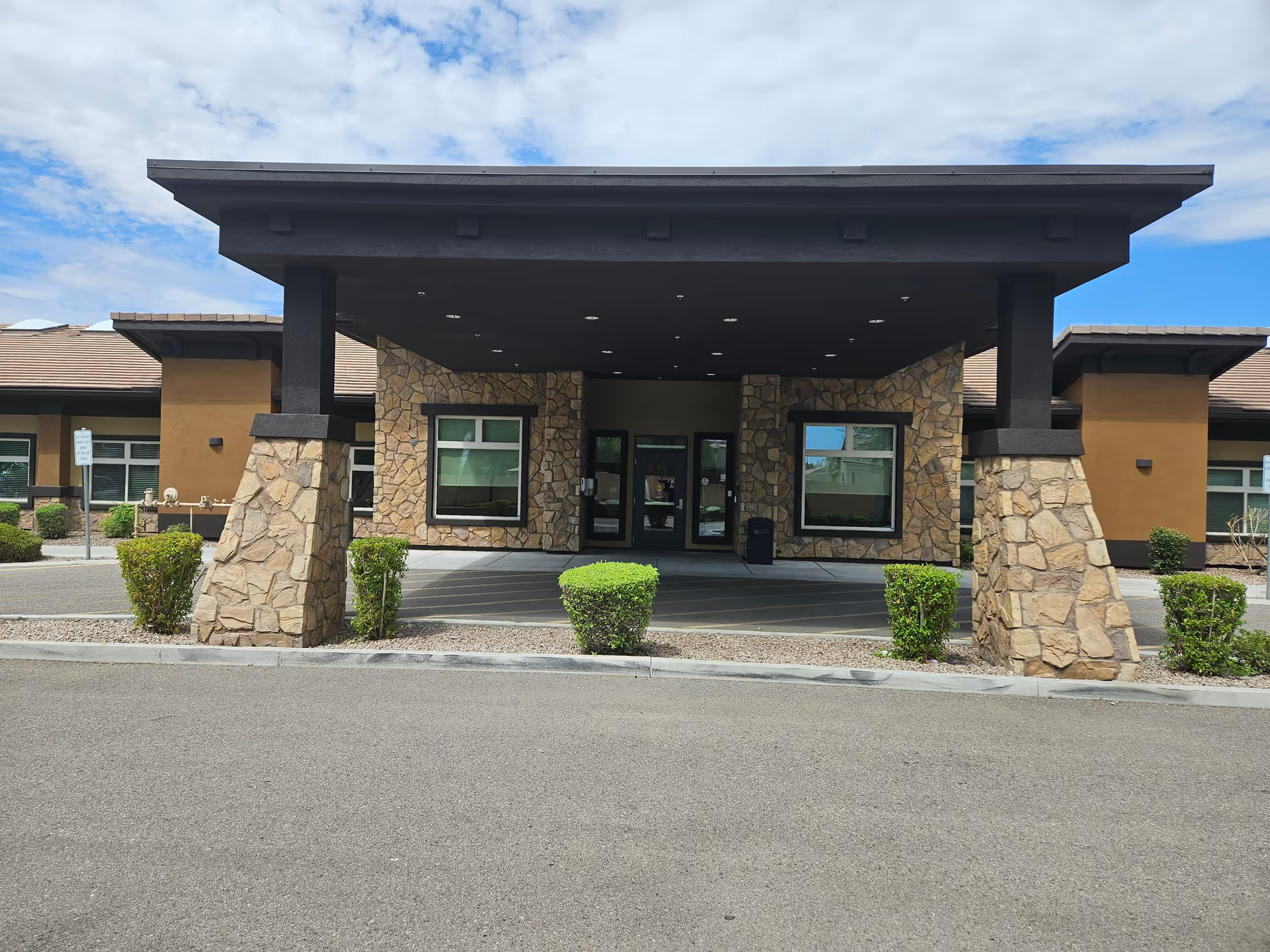
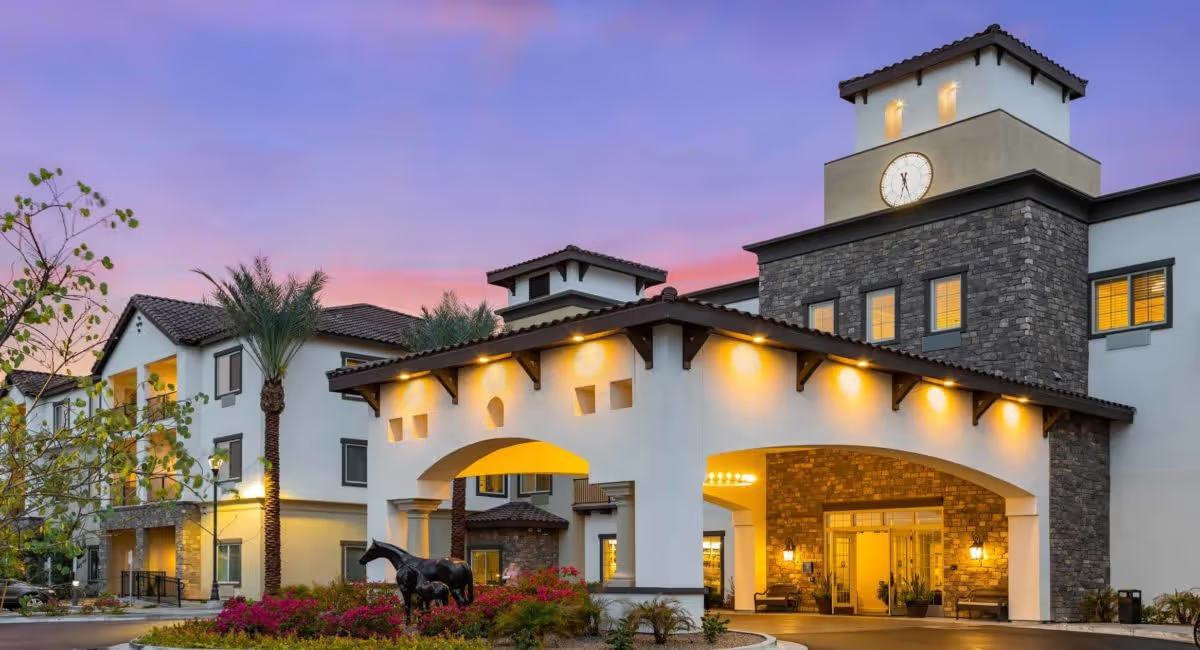
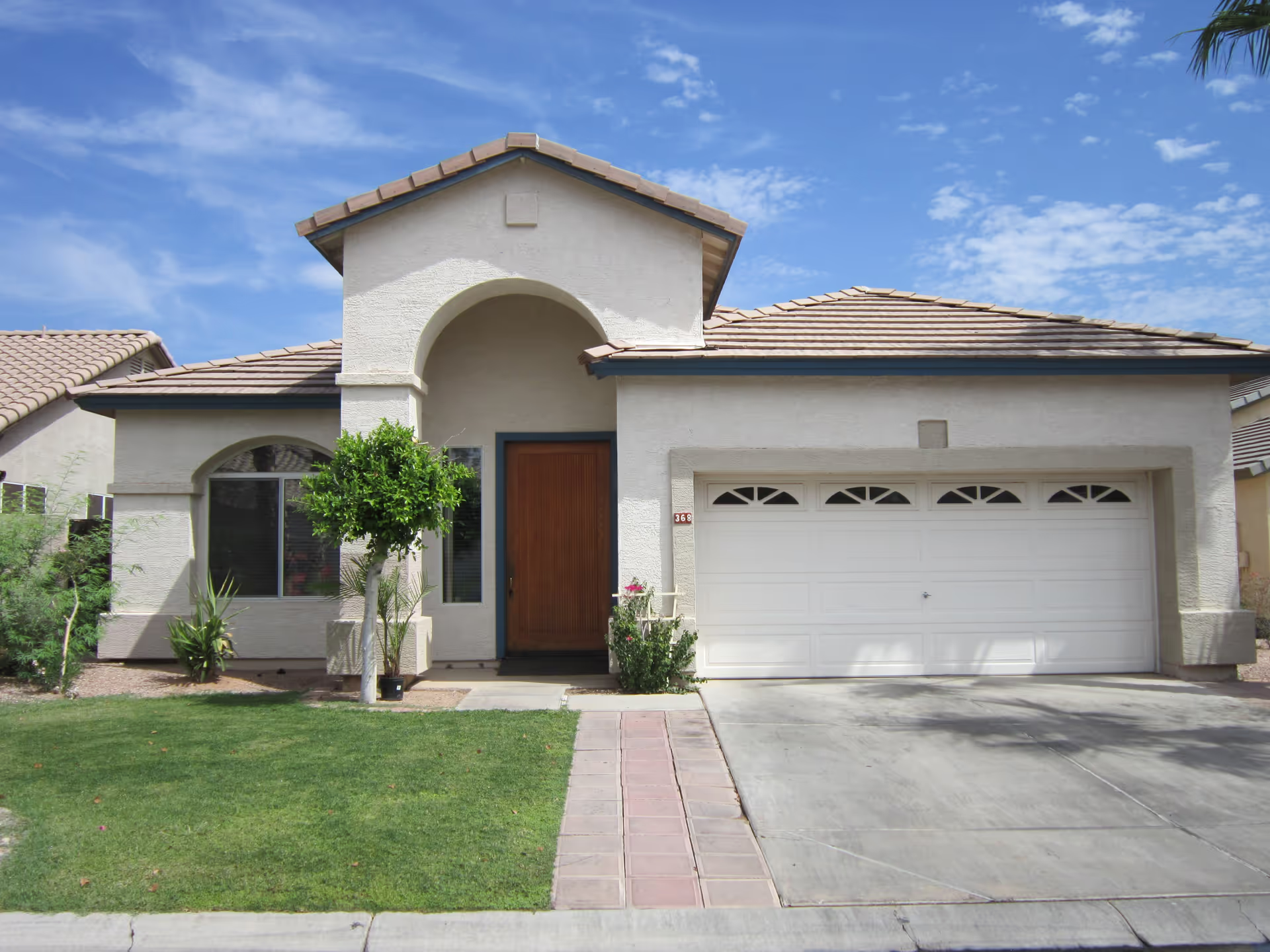
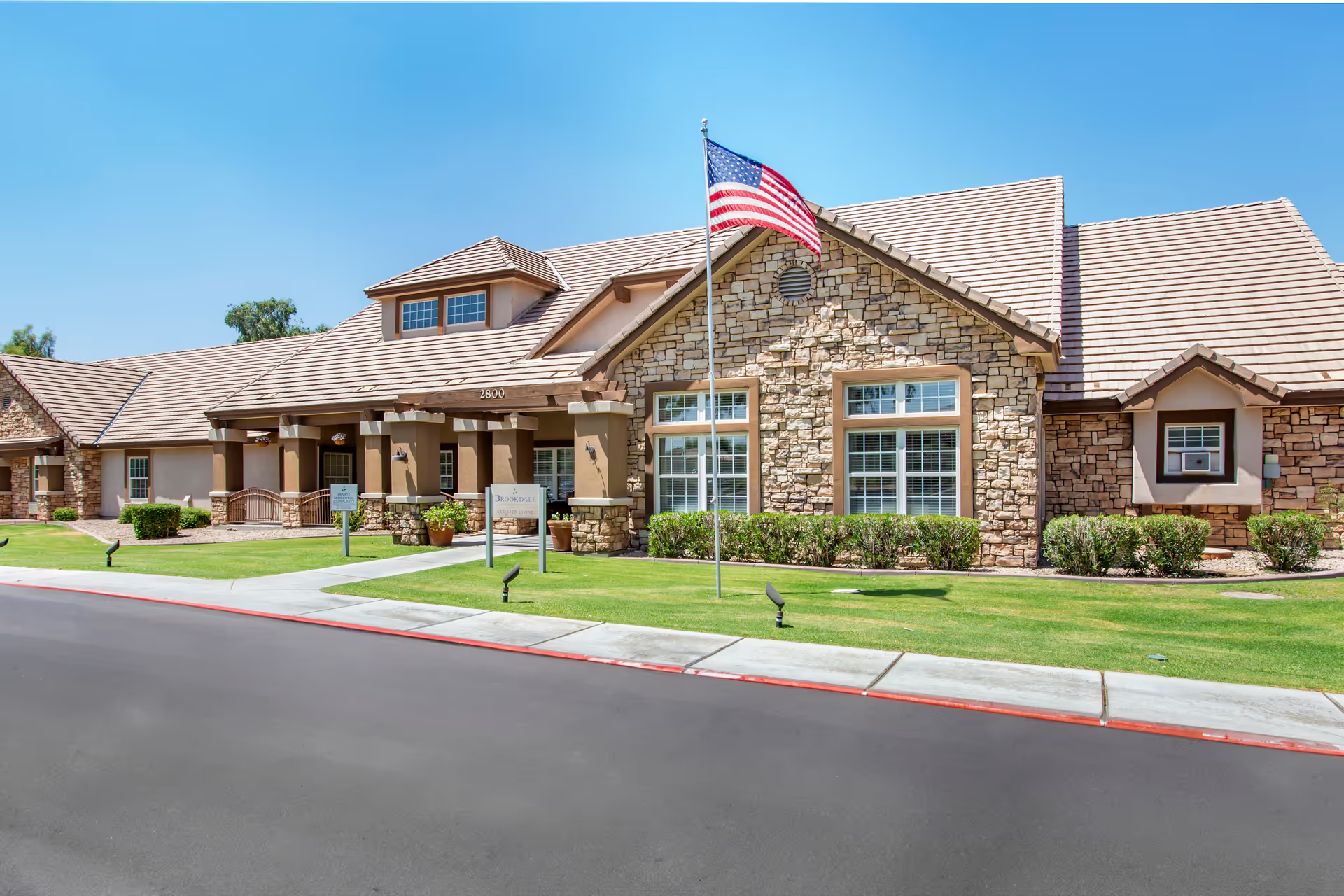
Atria Chandler Villas presents as an independent-living community with a strong emphasis on social programming, outdoor spaces, and an inclusive meal-and-service model. The campus is frequently described as attractive and well-landscaped, with water features, putting greens and multiple outdoor gathering spots. Units are generally apartment-style with private exterior entries, screened patios or balconies, and a range of floor plans; housekeeping and linen services are part of the bundled offering. Many families and residents emphasize the community’s value proposition for those seeking active, social independent living.
Care and clinical scope: The community is primarily configured for independent living. There is visible 24/7 staff presence, wearable emergency monitoring, daily check-ins and transportation-to-appointments, which support resident safety and convenience. However, the community’s model does not consistently provide higher-level assisted-living or hands-on caregiving; families looking for comprehensive clinical care or regular mobility assistance should plan for external supports or evaluate alternative providers. Review commentary also highlights that staff assistance boundaries are enforced, and that expectations around what staff will do for mobility or personal care should be clarified during touring and contracting.
Staff and management: Staff are the most consistently praised feature — described as warm, welcoming, knowledgeable and engaged with residents. Long-tenured staff members and active activity directors contribute to a strong sense of community and personal attention. At the same time, reviewers note intermittent turnover among servers or caregivers and occasional delays when staff are busy; maintenance follow-up is generally responsive but not uniformly fast. Management and sales teams are frequently commended for informative tours and move-in assistance, though there are occasional communication gaps about unit upgrades, pricing changes, or changes to care offerings.
Dining and dietary services: Dining is a major selling point for many residents: chef-prepared, restaurant-style meals with multiple menu choices and three daily meals included. The dining program supports communal socialization and themed events. Criticisms center on inconsistent food temperature and seasoning, limited flexibility for specialized diets (for example gluten-free accommodations), and occasional meal-service interruptions (notably during infection-control periods). Prospective residents should confirm specific dietary needs and meal schedules during the tour.
Activities and social life: Programming is broad and active — exercise classes, arts and crafts, bingo, live entertainment, regular outings, and resident-led groups are all commonly cited. Transportation to nearby shopping and medical centers as well as scheduled field trips are well developed. The social environment is often described as lively and family-like, which supports residents who want a highly interactive community.
Facilities and accessibility: Grounds and communal spaces are consistently praised for cleanliness and landscaping. On the flip side, portions of the housing stock are described as dated and in need of modernization; unit conditions can vary. The campus layout is spread out, which creates a need for golf-cart or shuttle transport between buildings and the dining hall — a factor to consider in hot weather or for residents with mobility limitations. Several reviewers noted accessibility constraints within some units (shower thresholds, stairs to upper floors) and limited covered walkways between buildings. There are also occasional pest-control and sanitation concerns mentioned, so prospective residents should review pest-management practices and unit maintenance records.
Notable patterns and recommendation guidance: The dominant pattern in the feedback is high resident satisfaction for active, independent seniors who value social programming, included dining, and attentive staff. The community is less well suited for people who require frequent hands-on clinical care or consistent assisted-living services. Families should verify dietary accommodation policies, expected timelines for unit repairs and updates, the scope of hands-on assistance staff will provide, and the community’s plan for heat/exposure on a spread-out campus. A personal tour that includes meeting activity staff, dining sampling, and a walk between a prospective unit and main common areas will help determine fit.