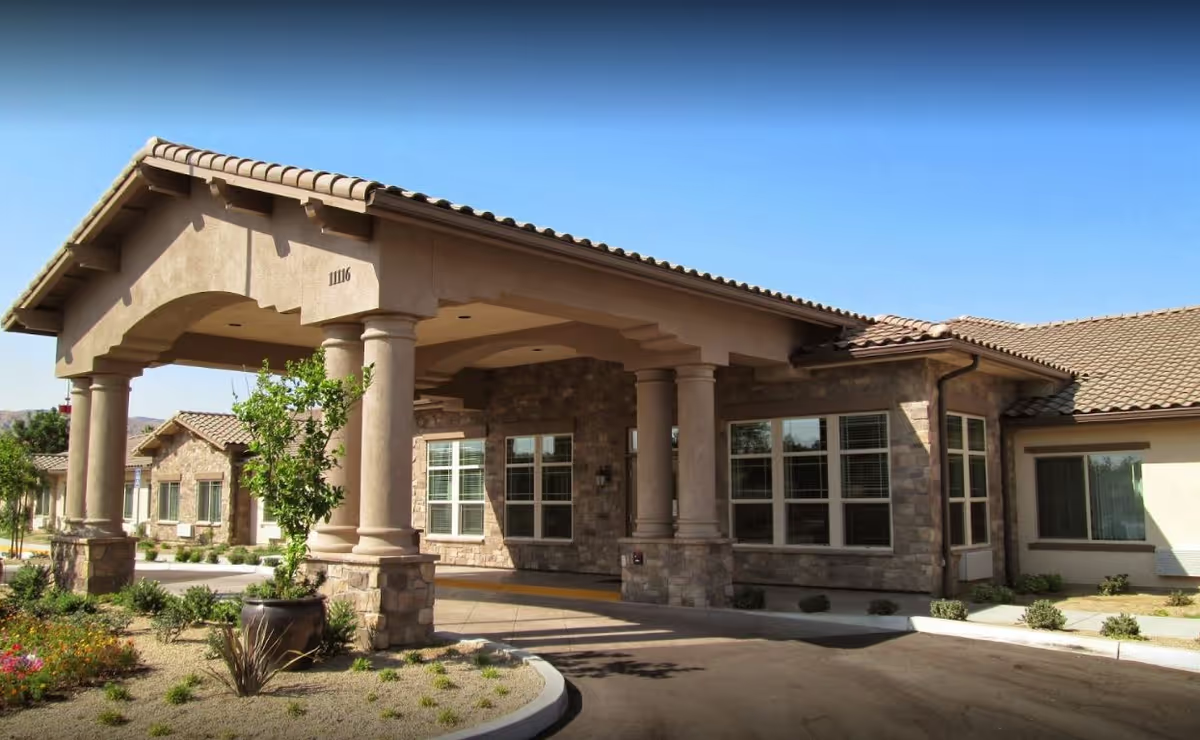
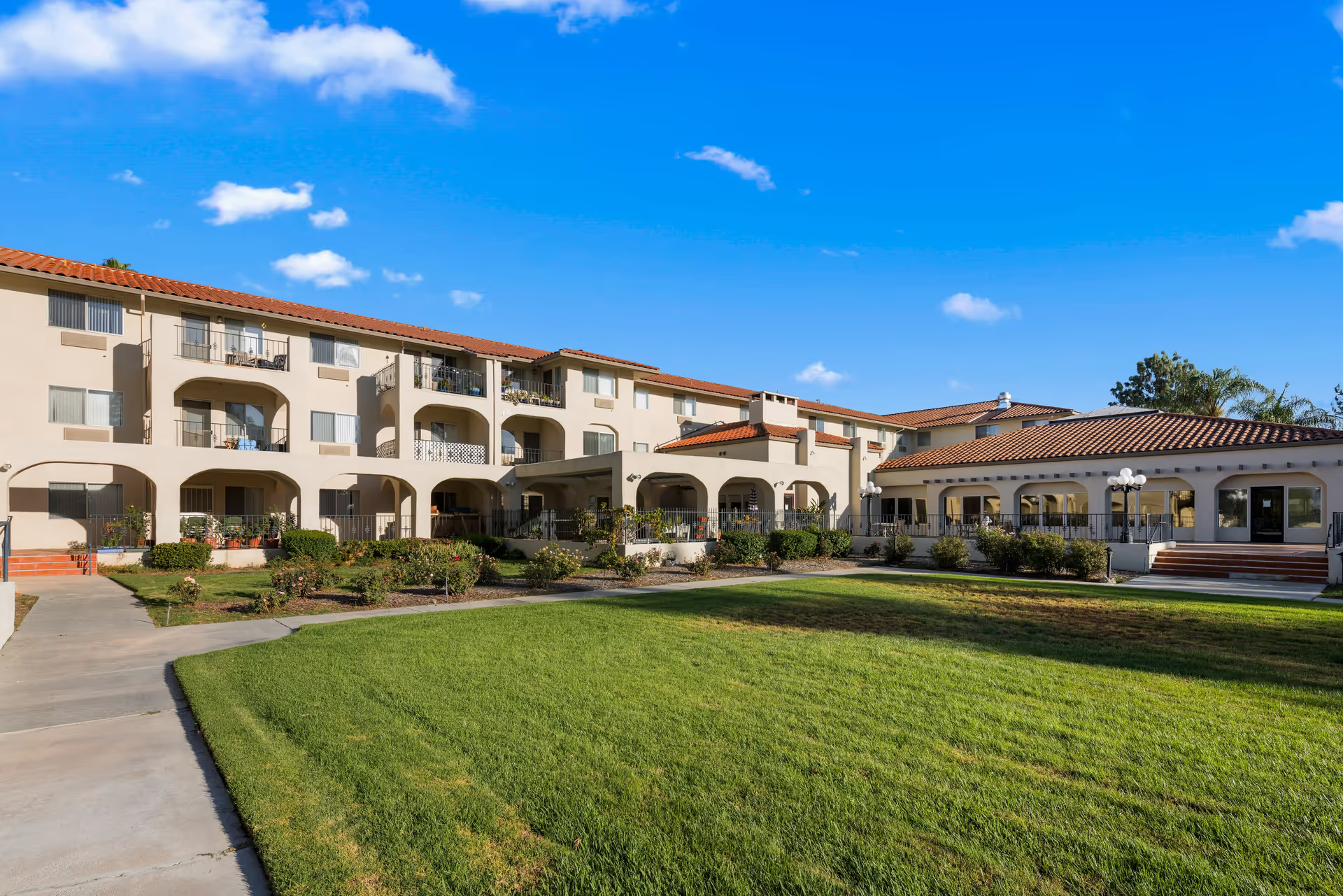
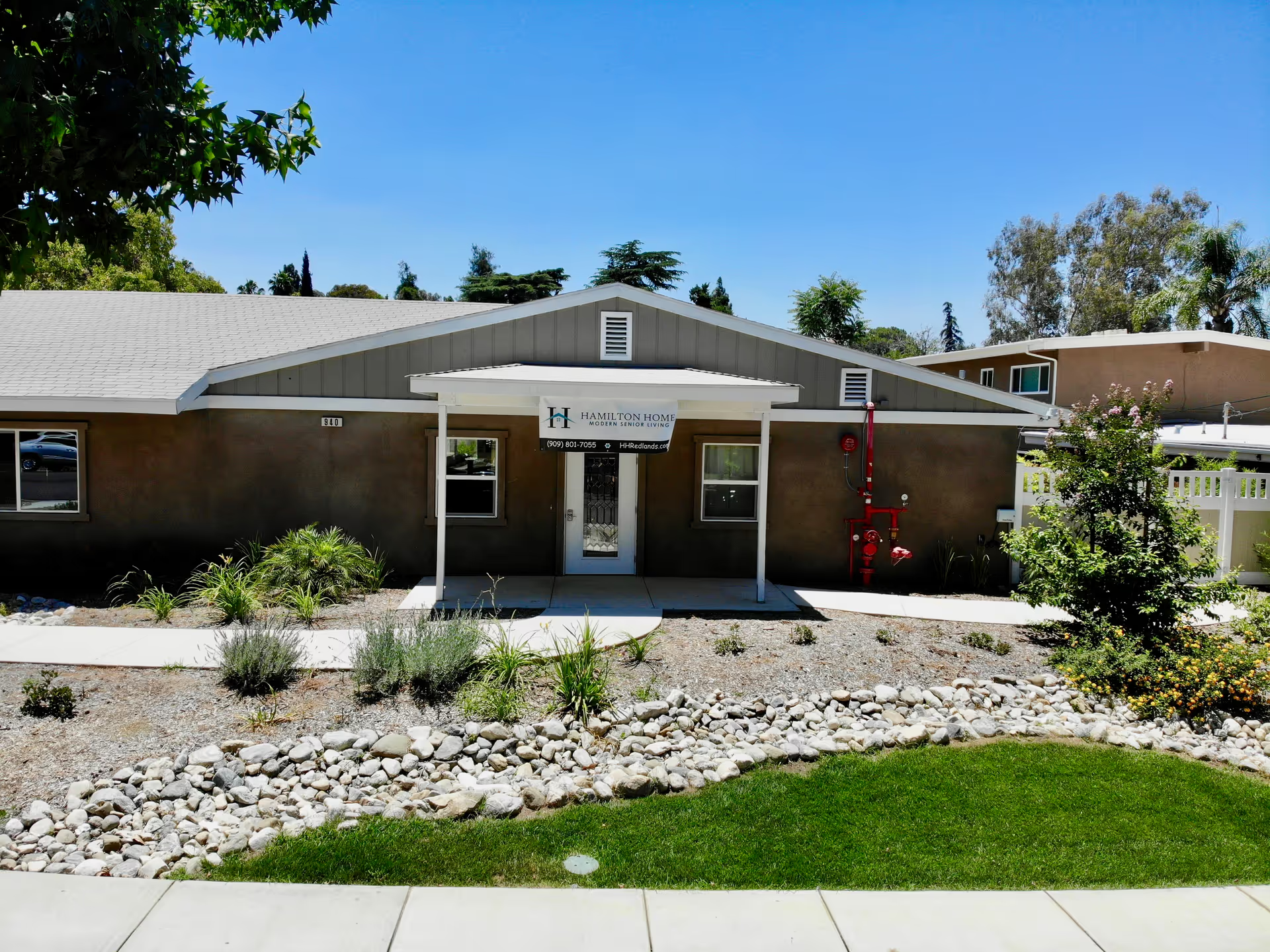
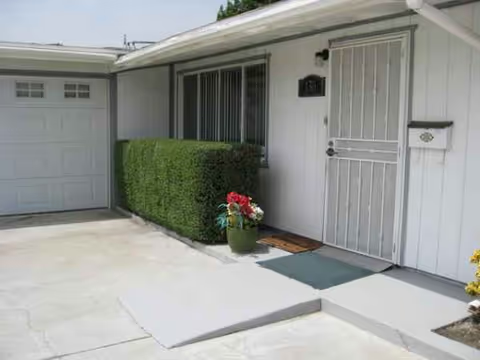
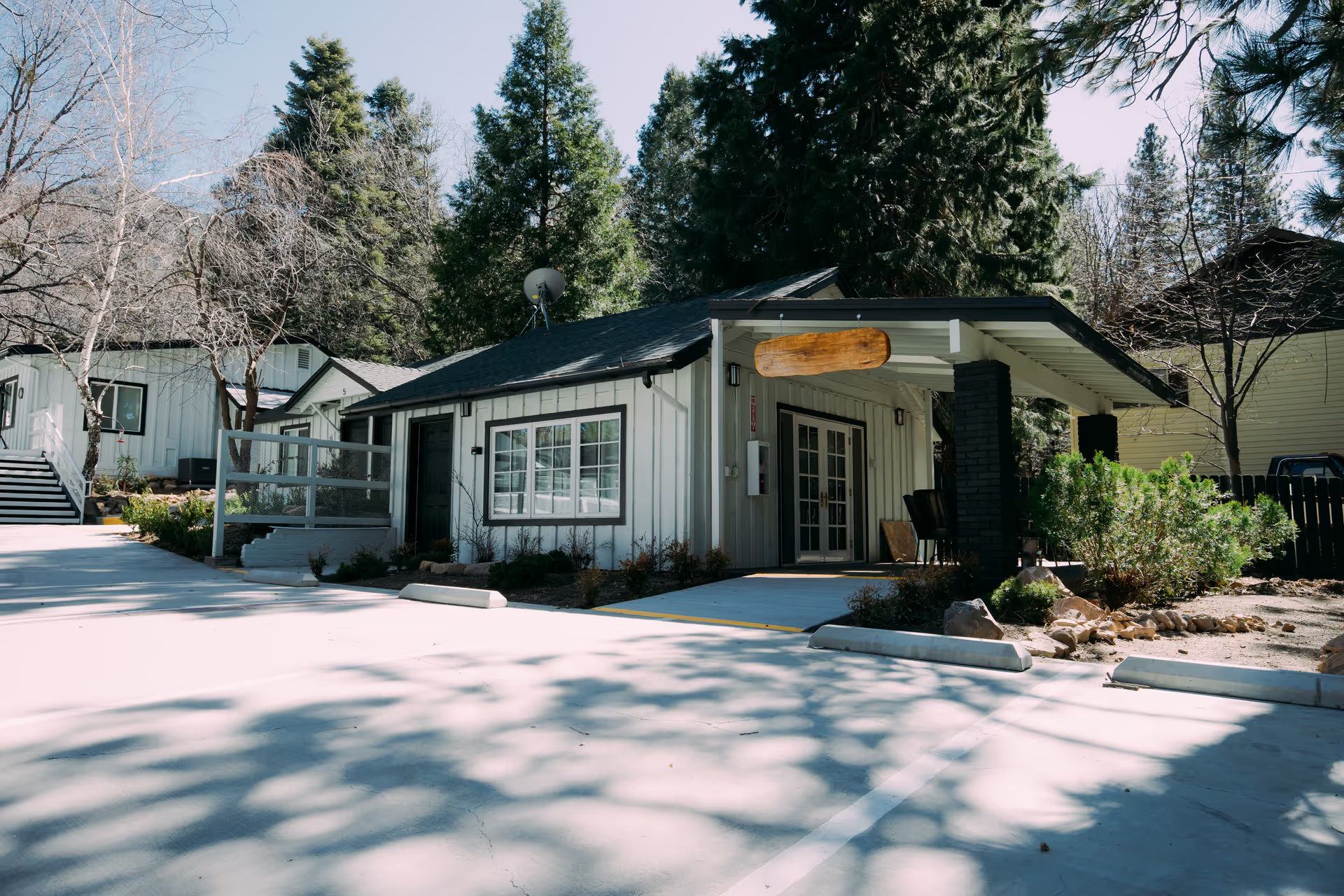
Loma Linda Springs presents as a renovated independent-living community with clearly articulated strengths in physical plant and basic amenities. Reviewers describe clean, updated apartments in a well-landscaped complex that offers a range of unit sizes and modest in-unit features such as kitchenettes, walk-in closets and bathrooms. Common amenities include a pool and jacuzzi, a game room, a dining area, a computer room, and mobility features like ramps, a walkway/bridge, and unattached garages. The property also participates in subsidized-housing programs and advertises discount pricing for low-income residents, which contributes to its appeal on cost grounds for some prospective residents and families.
Accounts of staff performance and day-to-day operational consistency are mixed. Many comments praise kind, attentive staff members and an active maintenance presence; others describe significant variability in responsiveness, communication tone, and willingness to accommodate resident needs. This divergence appears to be a primary driver of the polarized impressions: where staff interactions are positive, reviewers characterize the facility as pleasant and well run; where interactions are less positive, reviewers raise concerns about responsiveness and follow-through.
Facility-level issues that recur across feedback include accessibility limitations and maintenance reliability. The building layout relies on multiple levels without an elevator and sits on hilly terrain, making access difficult for people with mobility impairments; accessible ground-floor units exist but are described as limited and subject to additional cost. Maintenance work is generally visible and sometimes prompt, yet several accounts describe extended repair delays or incomplete fixes, which suggests unevenness in repair follow-through. Technology resources are limited (for example, a single public computer is available), and some shared amenities can become crowded or noisy, affecting resident comfort and use of those spaces.
Dining and services are a mixed picture. There is a pleasant-looking dining area, but several notes indicate that meal service is not included in base rent; dining appears to function more as a communal space than a full meal program. Transportation support is inconsistent in practice: a scheduled shopping bus is cited as an amenity by some, while others describe a lack of transportation assistance when needed. Financial management and pricing are another area of concern for prospective residents: the community is seen as affordable by many, but reviewers also mention periodic rent increases and ambiguous extra charges for accessible units, contributing to perceived variability in value.
Community environment reports vary as well. The complex hosts a diverse resident mix with families noting children on site, and some reviewers cite noise, smoking, and overcrowding of the pool as factors that affect day-to-day quality of life. Conversely, others highlight a friendly resident population and well-kept communal spaces that support social activity.
In summary, Loma Linda Springs offers solid physical amenities, affordable housing options, and an independent-living environment that will suit residents who prioritize renovated units, outdoor space, and basic on-site recreation. Prospective residents and families should evaluate accessibility needs, clarify pricing and fee structures (especially for accessible units), and ask specific questions about maintenance response times, transportation arrangements, and community rules around noise and shared-amenity use. An in-person visit focused on staff interaction, a maintenance-ticket walkthrough, and observation of common-area activity during peak use times would help gauge whether the facility’s operational consistency aligns with an individual’s needs.