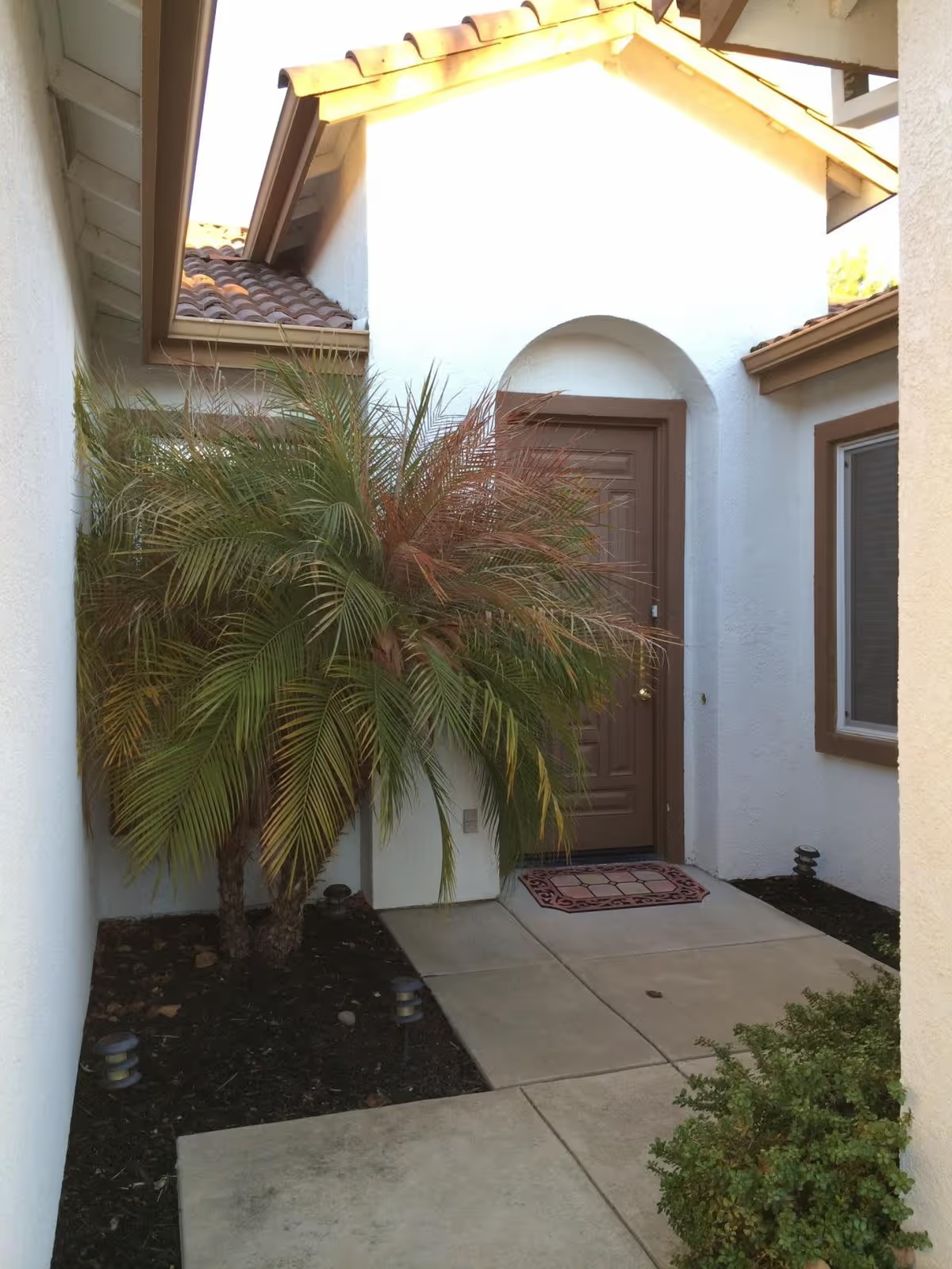
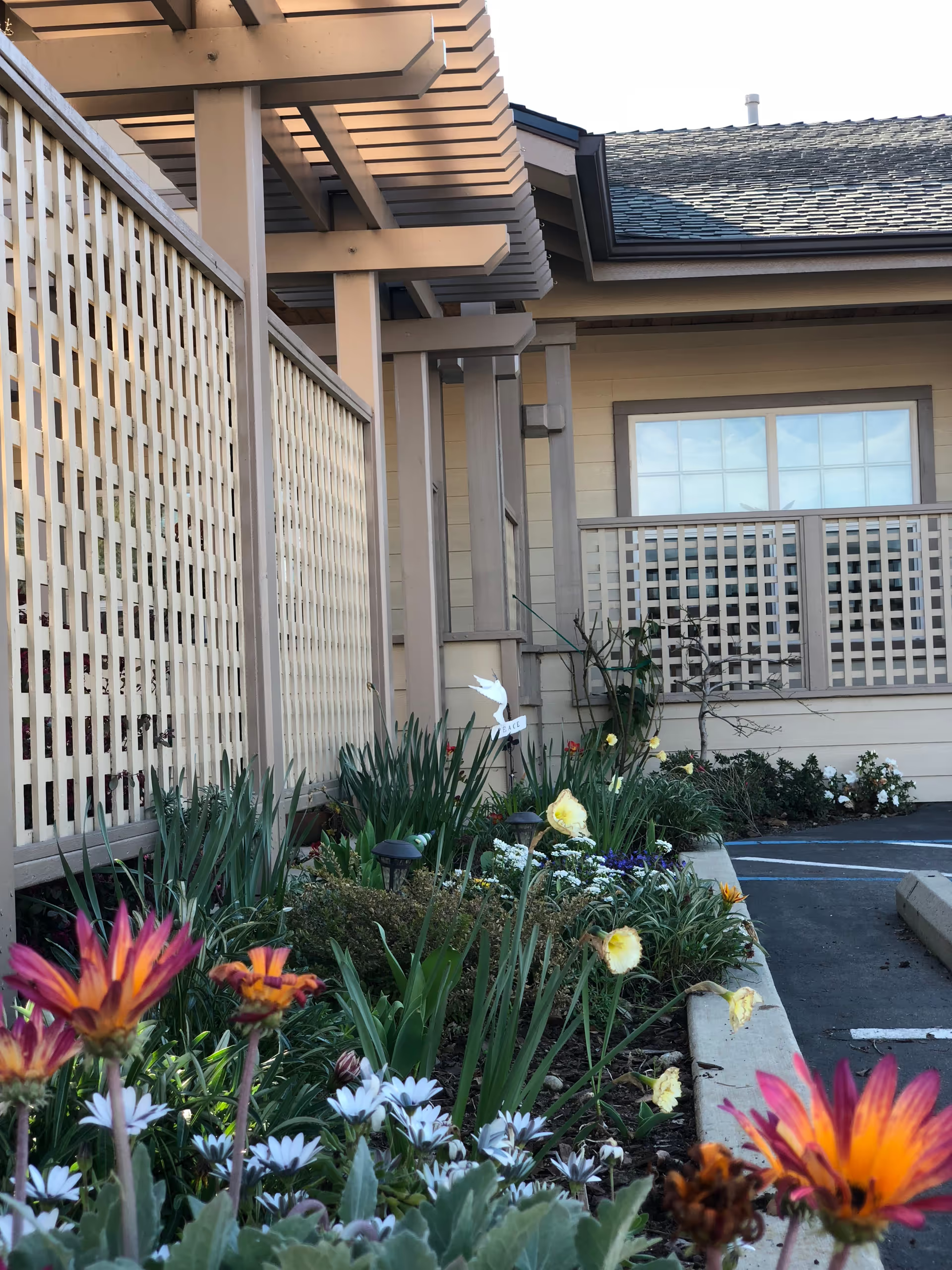
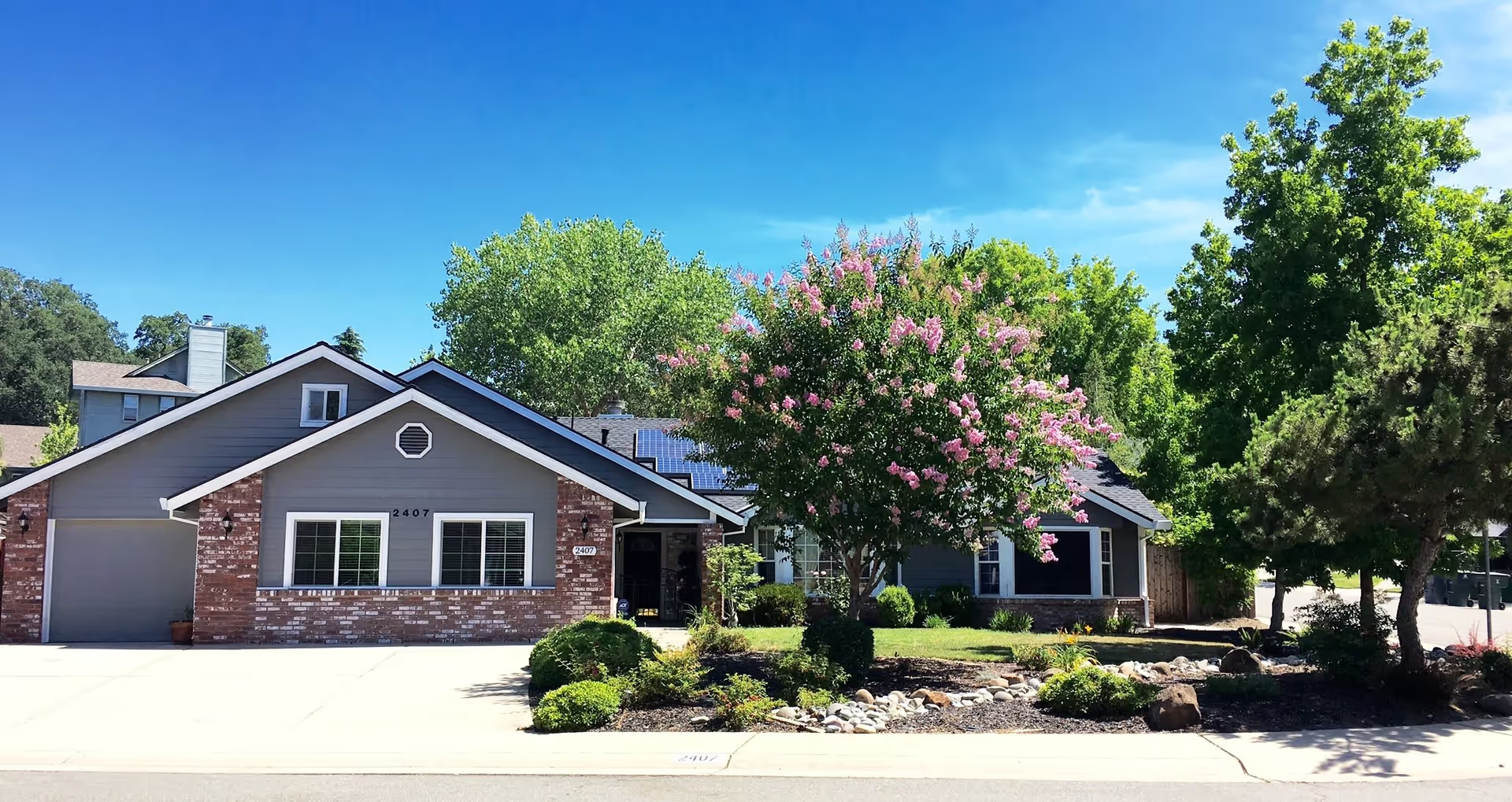
Overall impression: Sonrisa Senior Living is consistently described as an attractive, hotel-like community with high-quality finishes, abundant natural light, and a wide range of amenities. Residents and families commonly praise the physical environment, from spacious apartment layouts and full in-unit kitchens and laundry to well-appointed common areas such as the dining room, theater, salon, and fitness spaces. The community offers multiple care levels, is pet-friendly, and includes both indoor and outdoor recreational options that support social and physical engagement.
Staff and care quality: Staff are repeatedly characterized as friendly, warm, and attentive, and many comments emphasize positive staff–resident relationships and continuity of caregivers. These qualities are cited as contributors to residents' social and emotional well-being. At the same time, there are operational concerns around responsiveness and consistency: several comments reference slow response times to service requests and uneven assistance when staff are expected to escort residents to activities. Clinically, reviewers highlighted the absence of 24/7 on-site medical personnel, indicating limited on-site clinical coverage for residents who may require continuous supervision.
Dining and nutrition: The community markets a gourmet dining program with an on-site chef and restaurant-style dining venues, and many residents commend the variety and quality of food when served in the dining room. However, a recurring operational issue involves meal delivery for in-room dining: reviewers describe delays, inconsistent temperatures on arrival, and an added delivery fee. Budgetary constraints were cited as having an impact on kitchen operations and meal quality in some instances. The chef’s willingness to accommodate special dietary needs is a noted positive, but prospective residents should confirm current meal-delivery practices and service expectations.
Activities and amenities: Sonrisa offers a broad activity slate and well-equipped amenity spaces that support physical, social, and recreational engagement — for example, water aerobics in a shallow pool, yoga, billiards, arts and crafts, and outdoor sports like bocce and pickleball. Programming has benefited from recent leadership changes that reviewers describe as making life more lively. Facility amenities such as a gym, library, movie room, and salon are repeatedly mentioned as strengths that complement resident lifestyle needs.
Management and operational patterns: Comments indicate a tension between the community’s strong hospitality orientation and operational growing pains. Reviewers noted a bumpy transition or onboarding experience for new residents, limited communication channels (often email-focused), and occasional crowding as resident census increases — particularly around dining capacity. There are also signals of budget pressures affecting specific services (notably the kitchen), alongside positive management moves (a new program director) intended to enhance programming.
Notable patterns and guidance for prospective residents: The most consistent strengths are the facility’s aesthetics, breadth of amenities, and the generally caring and engaged staff. The principal operational concerns center on meal-service reliability, responsiveness to requests, communication practices, dining capacity during high-occupancy periods, and limited round-the-clock clinical coverage. Families and prospective residents should ask targeted questions about current staffing levels (including clinical coverage and night rounds), meal-delivery policies and fees, how the community manages peak dining times, average response times for service requests, and the move-in/onboarding process. Verifying accommodations for specific medical or dietary needs and touring during a mealtime will help assess whether the dining and operational practices meet individual expectations.