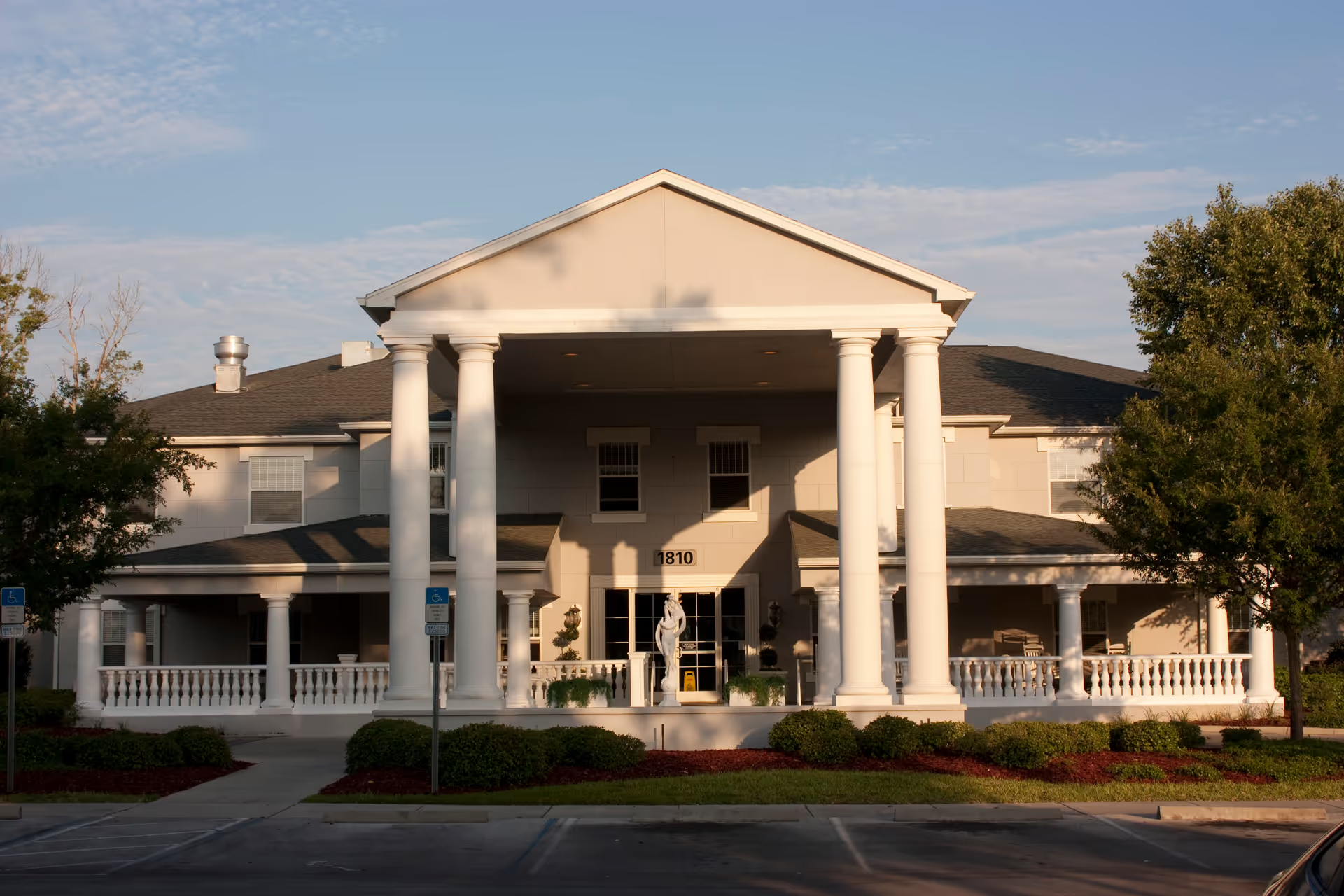
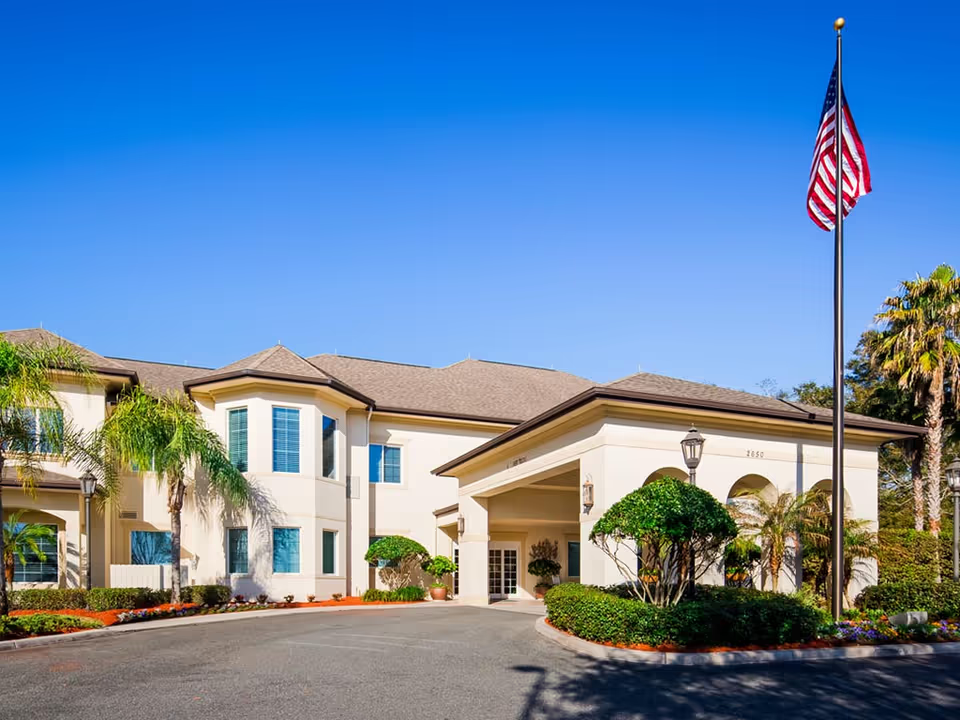
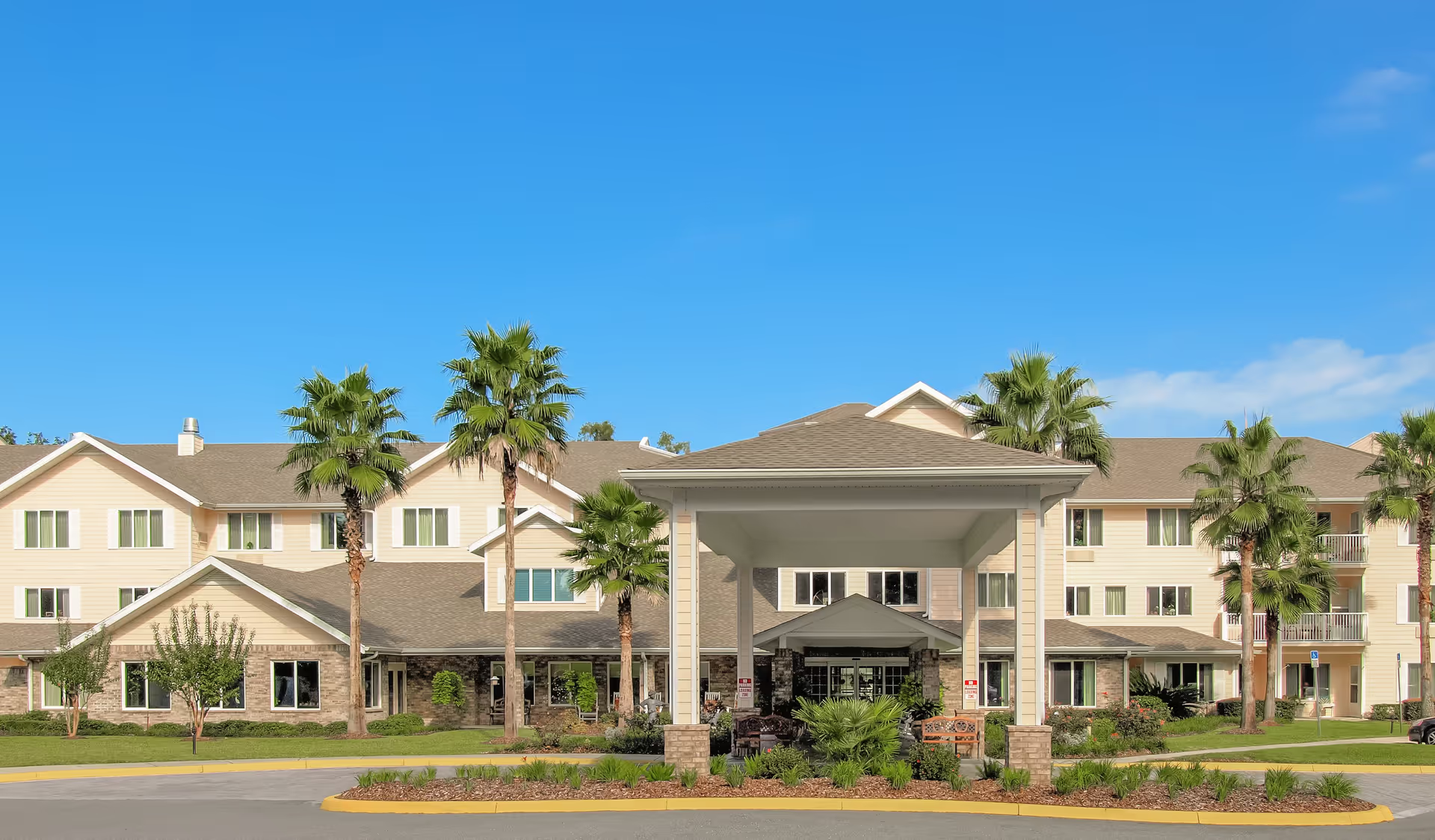
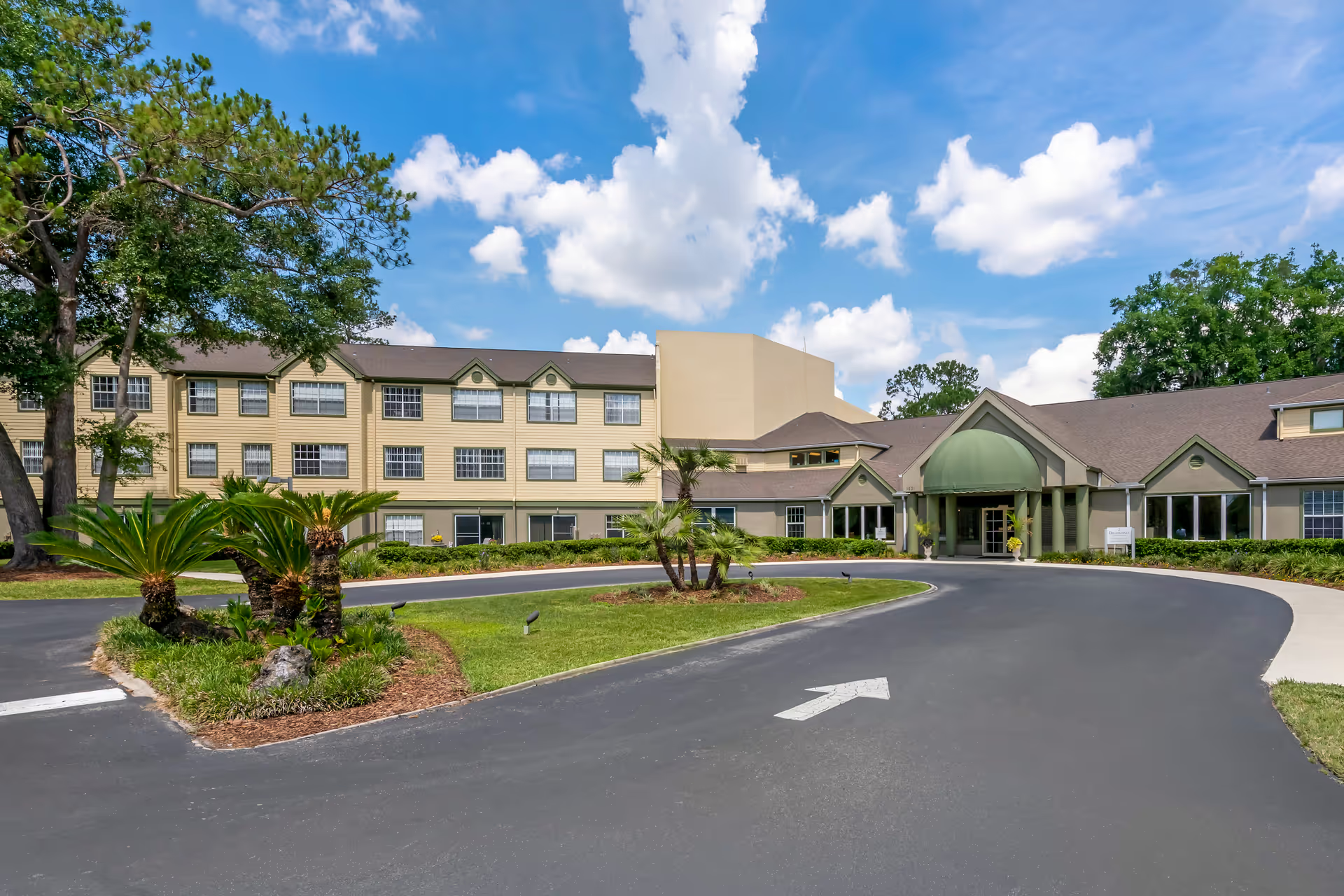
On Top of the World Communities presents as a large, amenity-rich active adult community that appeals strongly to retirees seeking an engaged, activity-focused lifestyle. Its principal strengths are the breadth of recreational opportunities — multiple pools, several golf courses, tennis and pickleball courts, numerous clubhouses, and a dense calendar of clubs, classes, and live entertainment. Many residents and purchasers highlight the social environment, extensive hobby programming, continuing-education offerings, and on‑site dining as core reasons they chose the community. The housing stock spans a wide range of models and price points; reviewers frequently cite newer models as well‑constructed and thoughtfully laid out.
Care and resident services in this community are oriented toward independent, active adults rather than clinical long‑term skilled nursing. Onsite services emphasize maintenance, recreation, and lifestyle programming; a nearby hospital and regional medical services serve clinical needs. Reported strengths include attentive sales and some operations staff, helpfulness around moves and neighborhood introductions, and an abundance of activities that support an active, social retirement. However, there is a recurring pattern of maintenance and responsiveness issues: delays and inconsistent follow‑through on warranty work and residence services, and variability in how quickly work orders are resolved. These operational gaps affect perceptions of care for the resident environment, particularly when maintenance issues relate to safety or home function.
Staff and dining impressions are mixed. Multiple reviews praise individual staff members for professionalism, patience, and effective advocacy on behalf of buyers and residents. At the same time, other reviewers describe disappointing interactions, long waits for responses, or unprofessional conduct in specific departments (sales desk, clubhouse services, gate staff). Dining offerings and in‑community restaurants are appreciated as convenient, though commenters note variable quality, limited options relative to community size, and additional costs for some popular services.
Facilities and management exhibit a contrast between scale and execution. The community’s rapid growth and ongoing construction produce visible benefits — new models and amenities — but also recurring impacts: construction dust, traffic congestion, and pressure on amenity capacity. Several reviewers flagged incomplete or delayed amenity build‑outs, limited pool space during peak use, and landscaping/irrigation lapses on some lots. Management-level concerns center on fee increases, prioritization of new‑home sales over amenity upkeep, and occasional miscommunications from sales or design center staff. Financial transparency and cost structure are recurring themes: high HOA and amenity fees, rising ancillary costs (club fees, golf), and additional charges for services or third occupants affect perceptions of value, particularly for residents on fixed incomes.
Notable patterns for prospective residents and families: the community offers a highly active lifestyle with substantial social and recreational value, and it can deliver well-built homes and a robust social scene. Prospective buyers should budget for HOA and ancillary costs, expect ongoing construction in parts of the campus, and plan for variable timelines on warranty and maintenance work. Verify gate access procedures, internet/smart‑home service arrangements, and landscaping/irrigation responsibilities for a chosen lot. If you prioritize a turnkey, low‑disruption move with consistently rapid maintenance follow‑up and minimal additional fees, plan careful pre‑purchase due diligence and explicit contractual agreements about finishes, amenity access, and post‑closing service expectations.