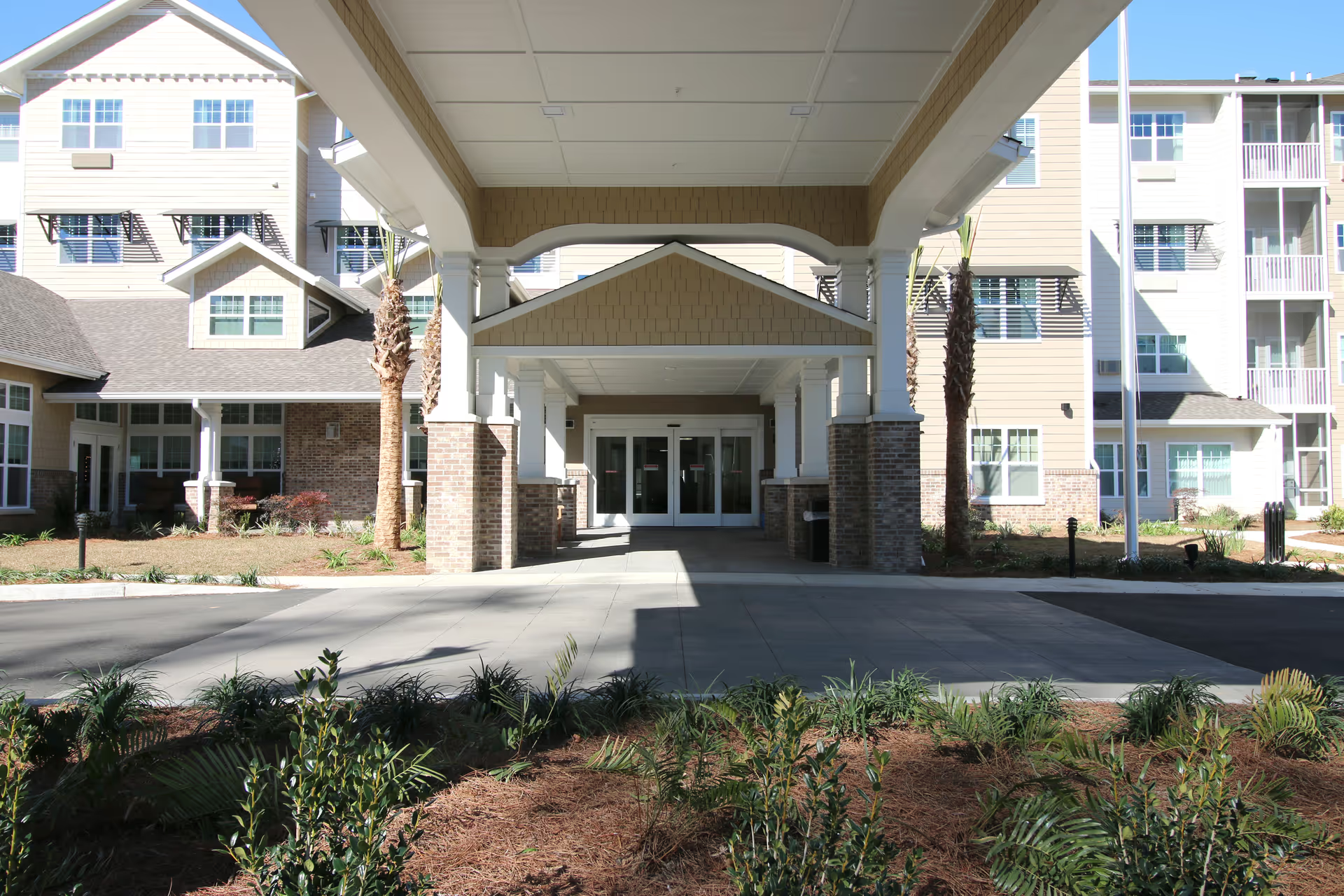
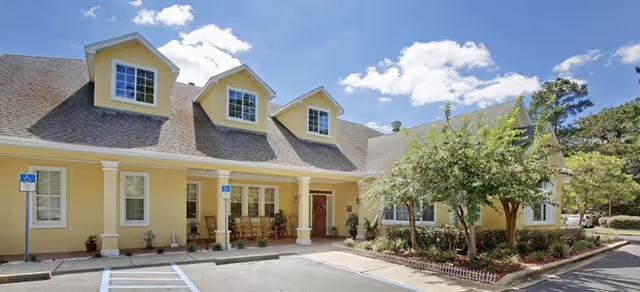
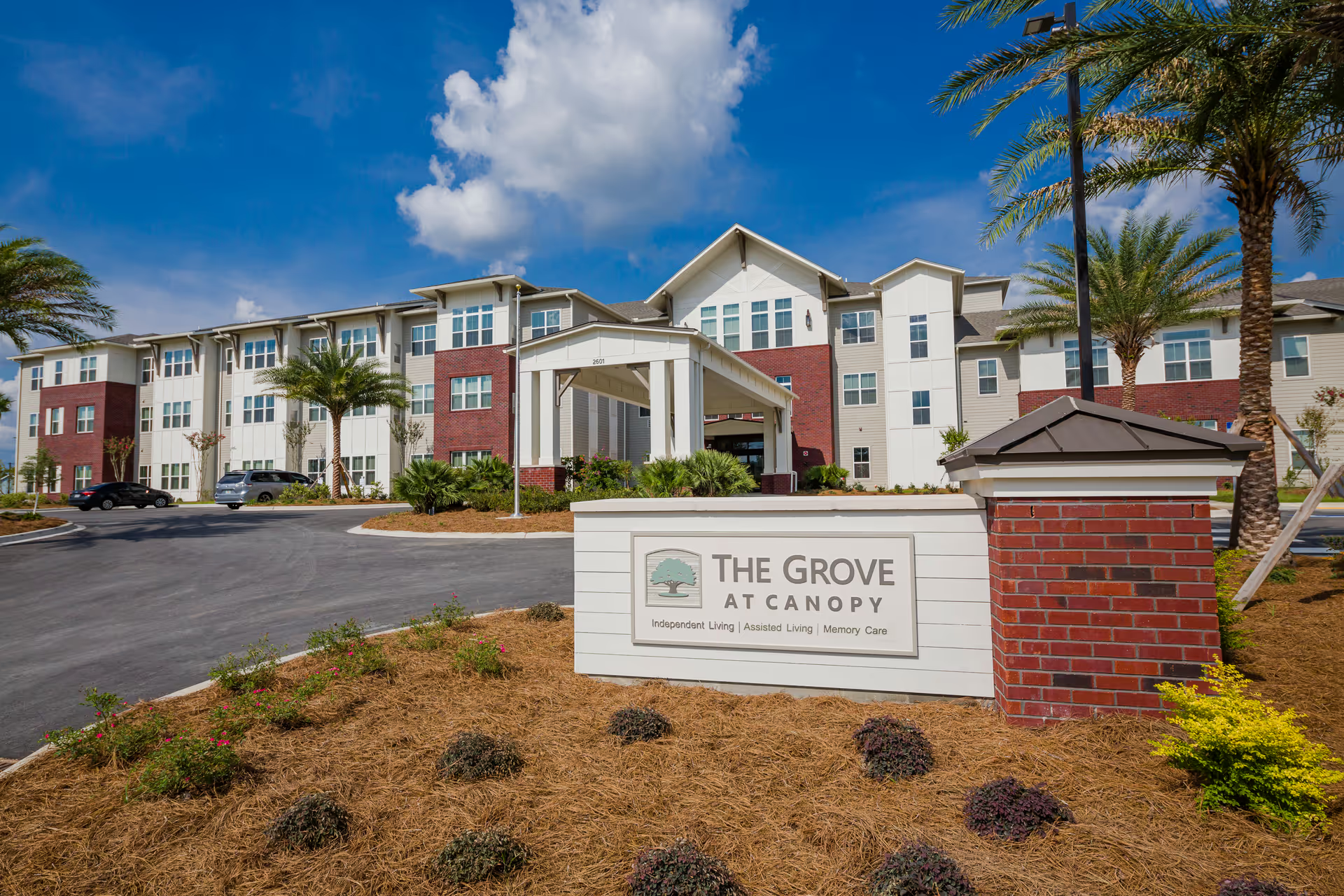
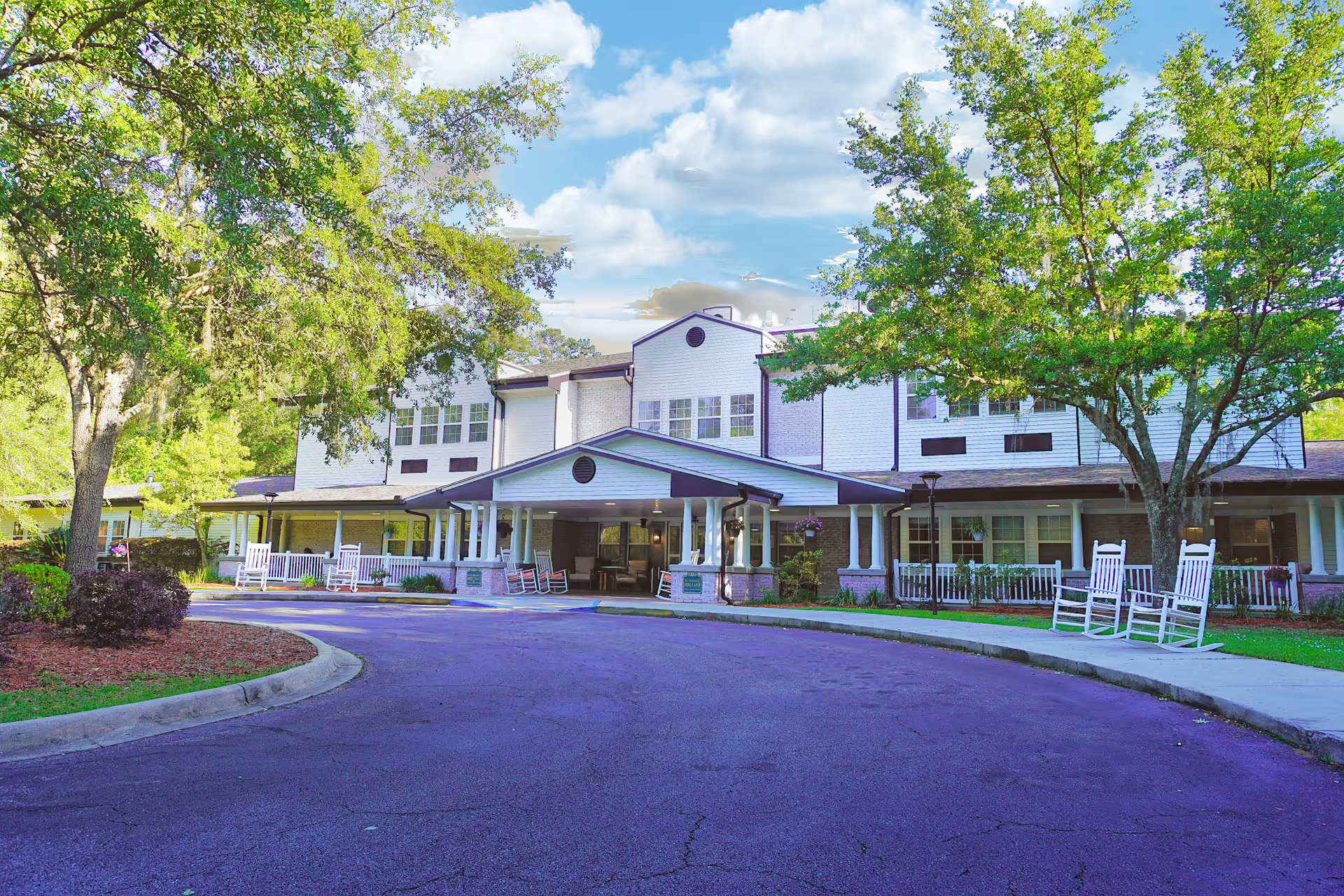
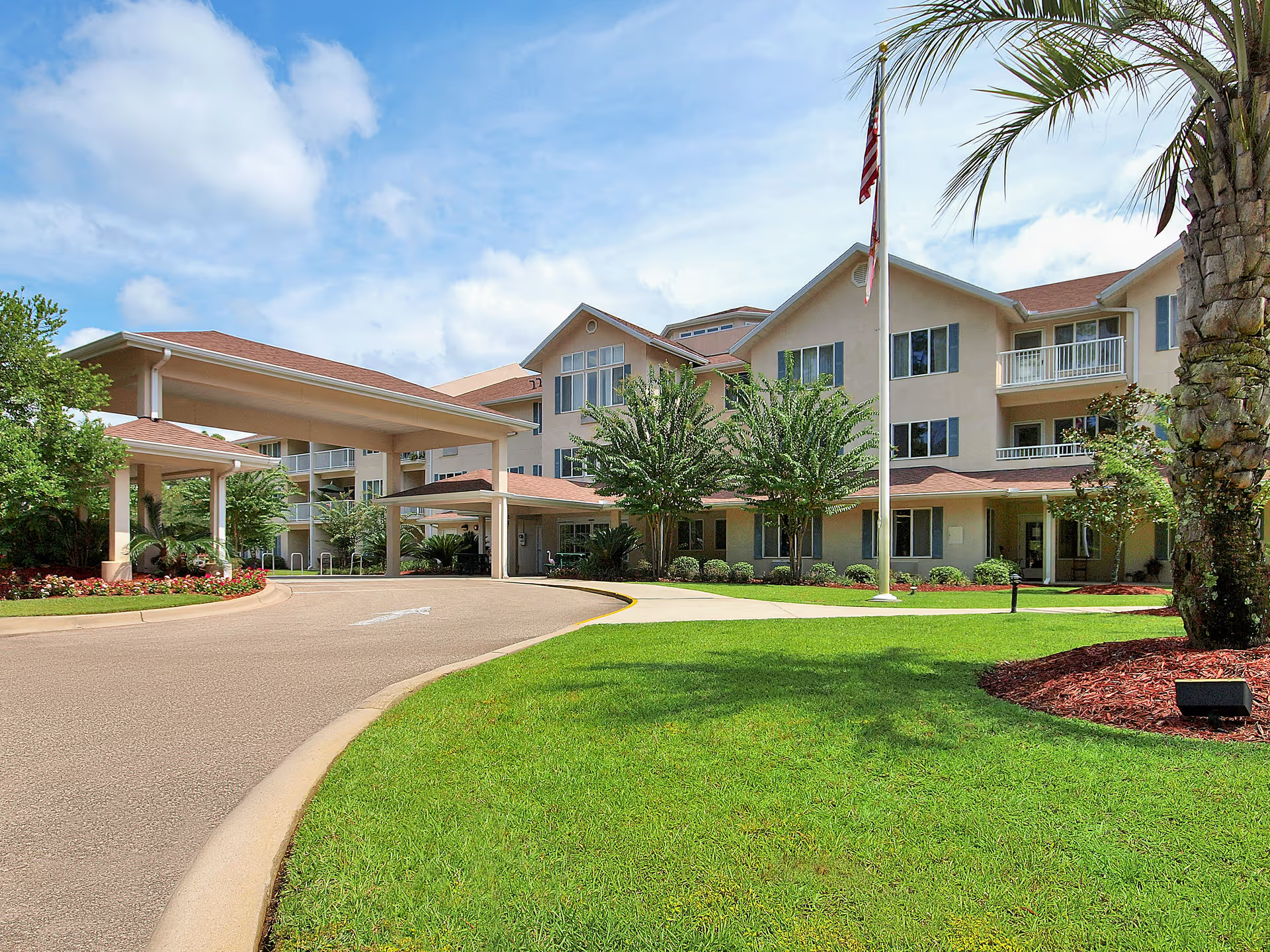
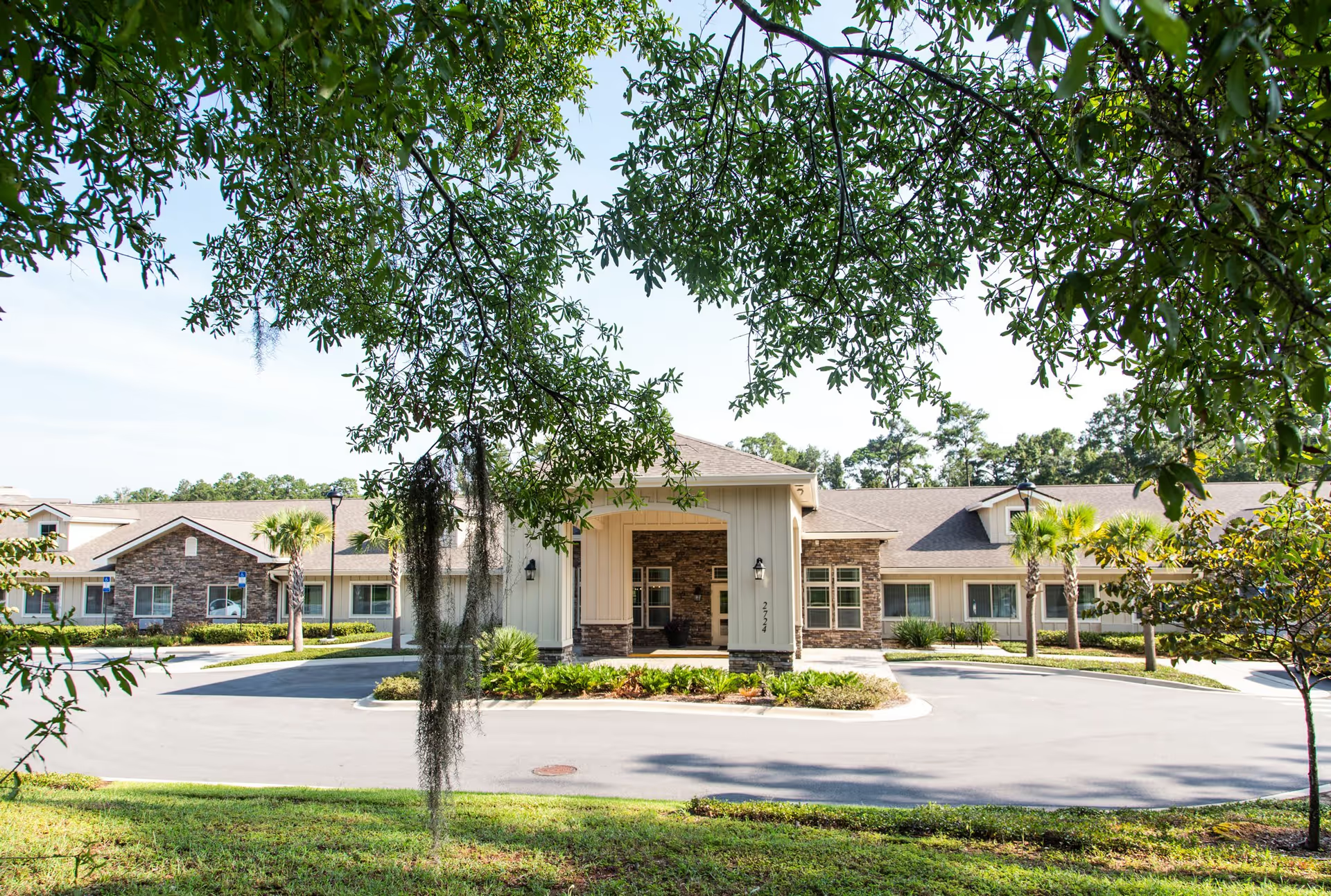
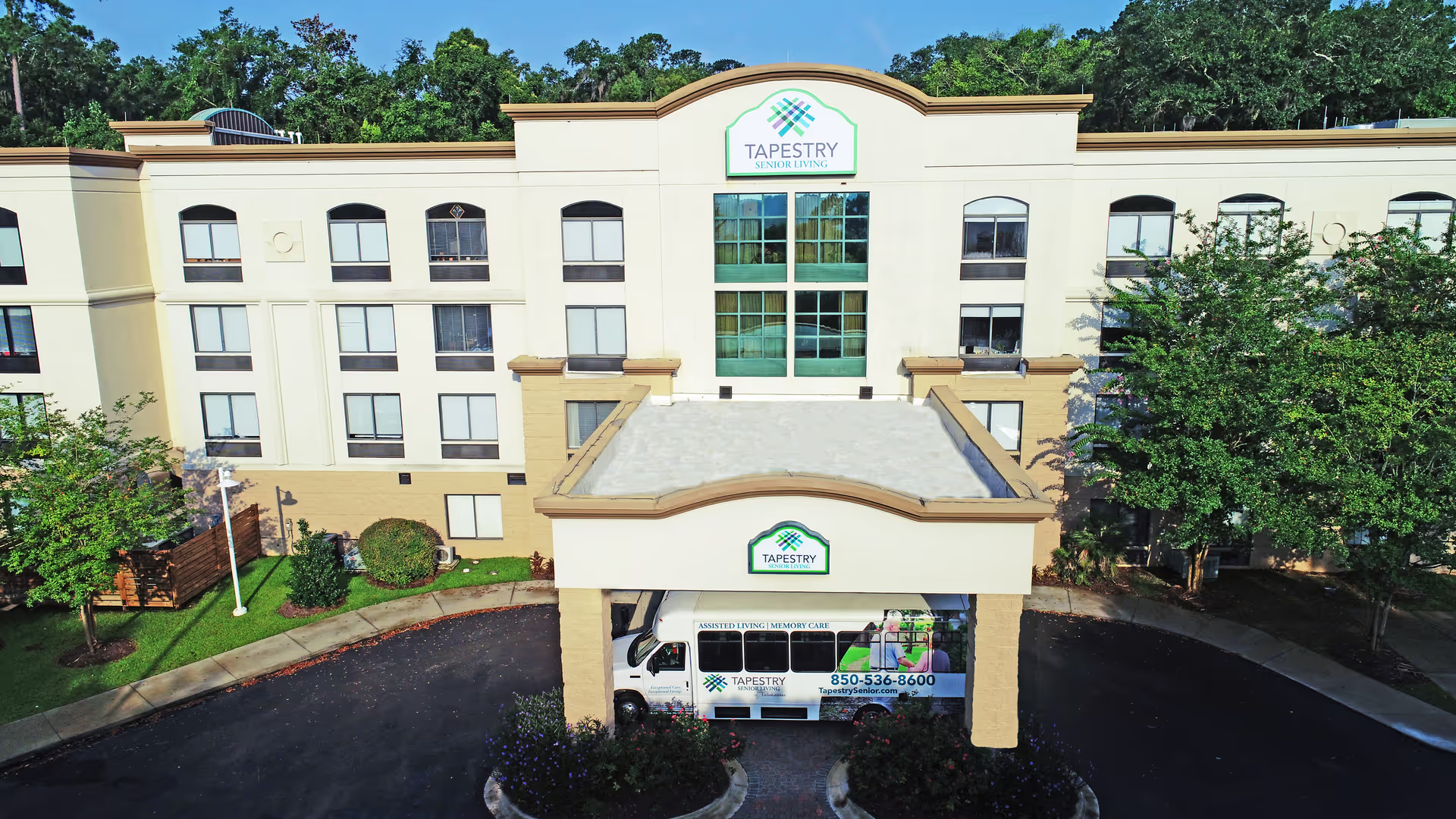
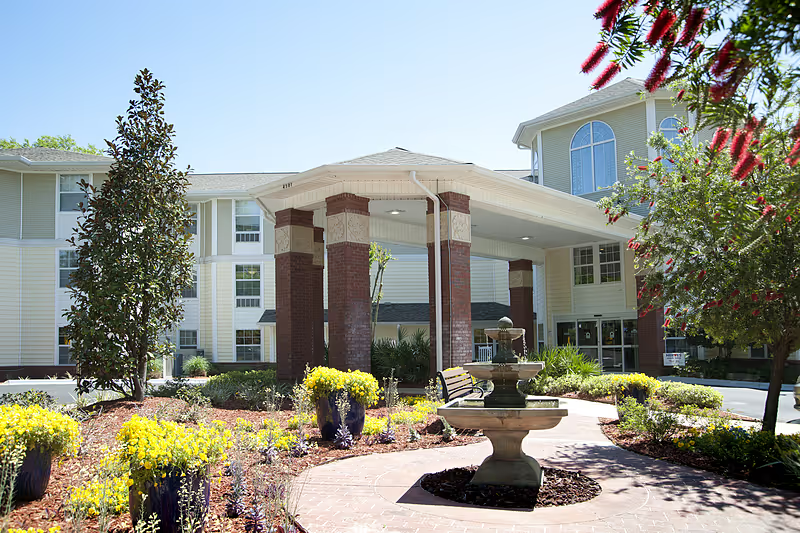
Overall impression: Jamestown Woods presents as a community with a strong social life, engaged staff, and a generally secure, attractive campus. Many reviewers emphasize the friendliness and professionalism of on-site employees, rapid response for maintenance requests, an active events calendar, and a welcoming atmosphere that facilitates making friends and long-term residency. These operational strengths make the community appealing for residents seeking social engagement and routine facility support.
Care and staff: Reviews indicate staff interactions are often positive — described as efficient, charismatic and caring — and maintenance response times are frequently cited as prompt. However, there is also a pattern of inconsistent behavior from office personnel and management responsiveness: while some residents experience attentive, family-like management, others report brusque front-office conduct or perceived declines in service. Personal care or clinical services are not a dominant topic in the feedback; the primary service impressions center on property management, social programming, and day-to-day responsiveness.
Dining: Reviewers provided little specific detail about dining services. The absence of consistent commentary suggests dining is not the central differentiator in feedback; prospective residents should request current menu samples, meal schedules, and any dietary accommodation policies when evaluating the community.
Activities and social life: Activity programming and opportunities for socialization are a clear strength. The community’s calendar, regular events, and resident camaraderie are recurring positives that contribute to reported satisfaction and plans to remain long term. Prospective residents who prioritize an active social environment are likely to find the community well suited to their needs.
Facilities and safety: Many reviewers praise the grounds and common areas as well maintained and attractive, and several describe the overall environment as safe. Contrasting comments point to variability: some describe property upkeep and cleanliness concerns, and at least one incident highlighted prolonged equipment failure (elevator entrapment), indicating potential gaps in building-systems reliability and emergency response procedures. Indoor smoking and perceived odor concerns were mentioned as occurring in communal spaces, reflecting uneven adherence to any smoke-free intentions. These mixed observations suggest that facility condition and safety depend partly on unit location and on how consistently property rules are enforced.
Management, policies and operations: A notable pattern in the feedback concerns inconsistent policy application. Issues include an age-restriction policy that appears not uniformly enforced, home-based commercial activity on residential units, and a smoke-free policy applied differently to legacy versus new residents. Several comments describe unit reassignments tied to demand (forced bedroom changes, room-size reallocation) and difficulties related to subsidy eligibility or pricing changes. Together these suggest operational weaknesses around occupancy administration, rule enforcement, and transparent communication about eligibility, pricing, and resident relocations.
Notable patterns and guidance: Jamestown Woods offers strong social programming, responsive maintenance in many cases, and an overall welcoming atmosphere for residents seeking an active community. At the same time, prospective residents and families should seek detailed, written answers about (1) enforcement of the 55+ occupancy rule and any exceptions, (2) how smoking policies are applied to existing versus new residents, (3) unit-allocation procedures and the circumstances under which residents might be asked to move, (4) subsidy and pricing policies that could affect eligibility or costs, and (5) building-systems maintenance and emergency response protocols. Clarifying these operational areas during tours or in lease documents will help align expectations with the facility’s current practices.