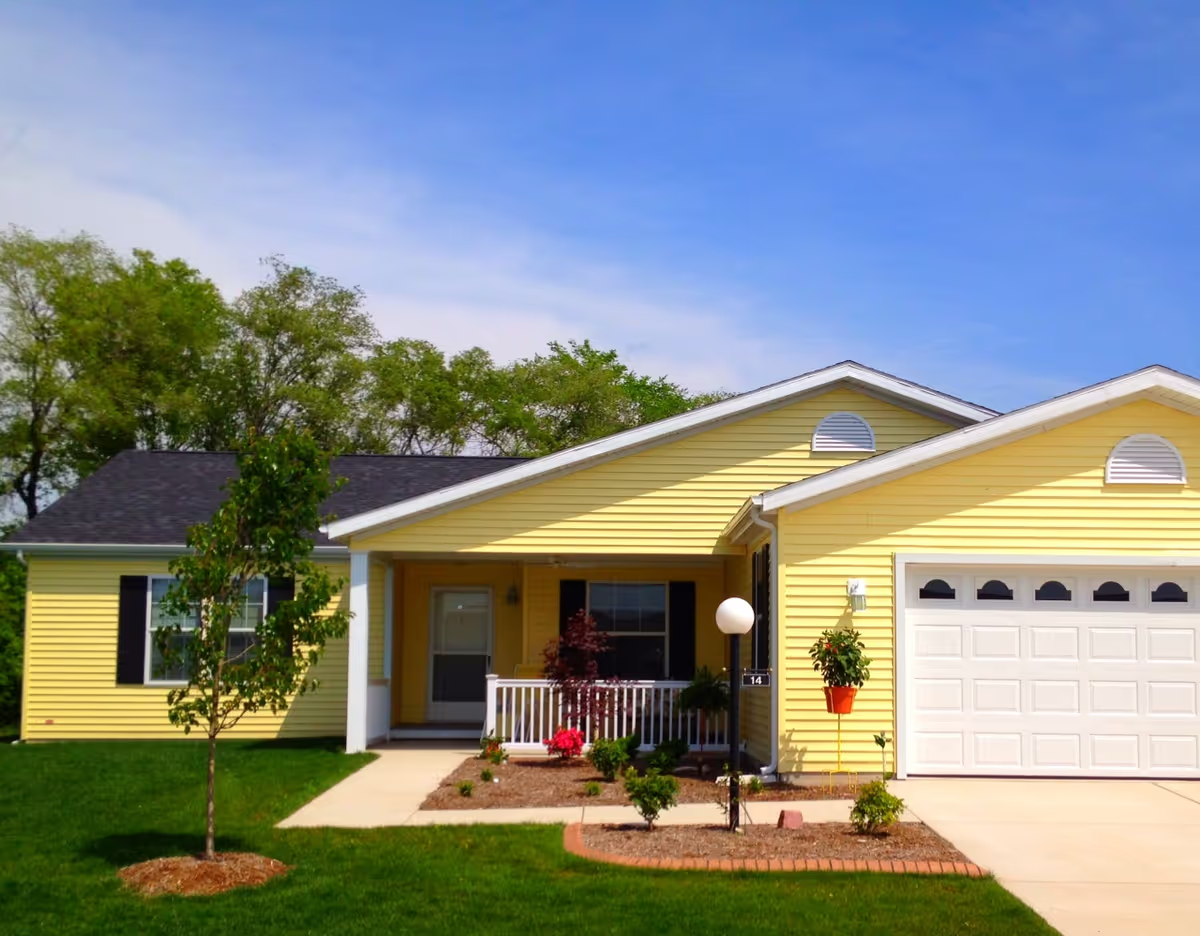
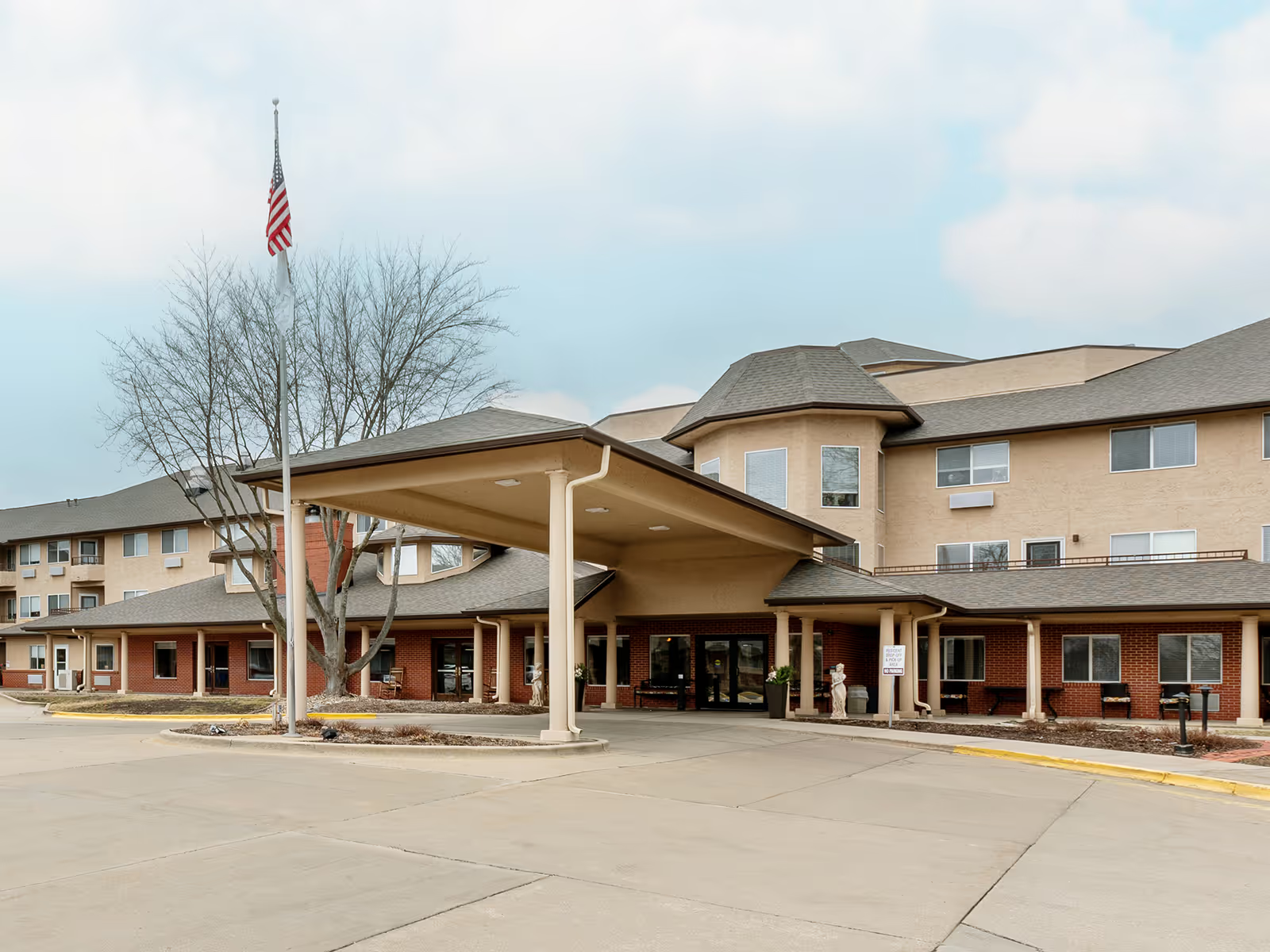
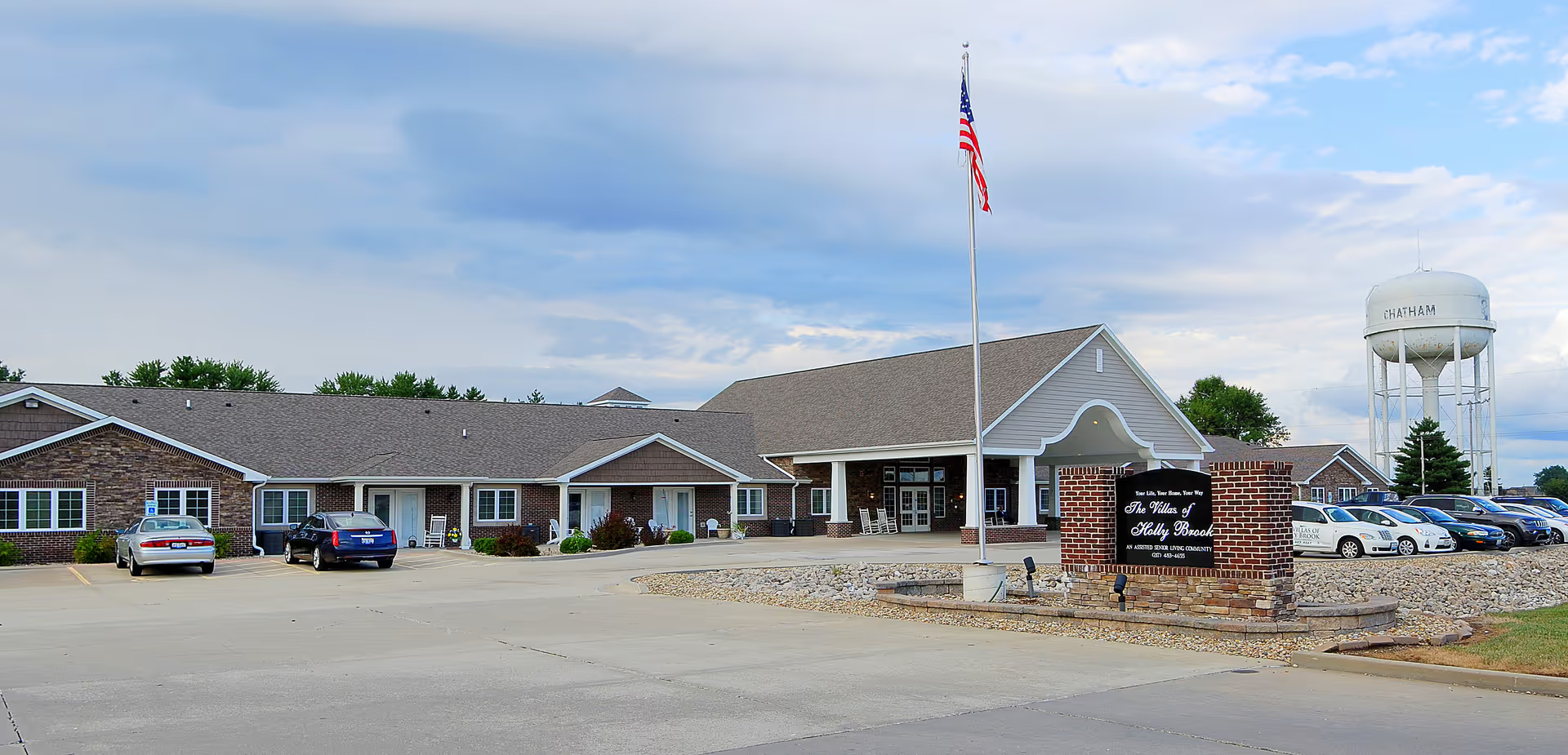
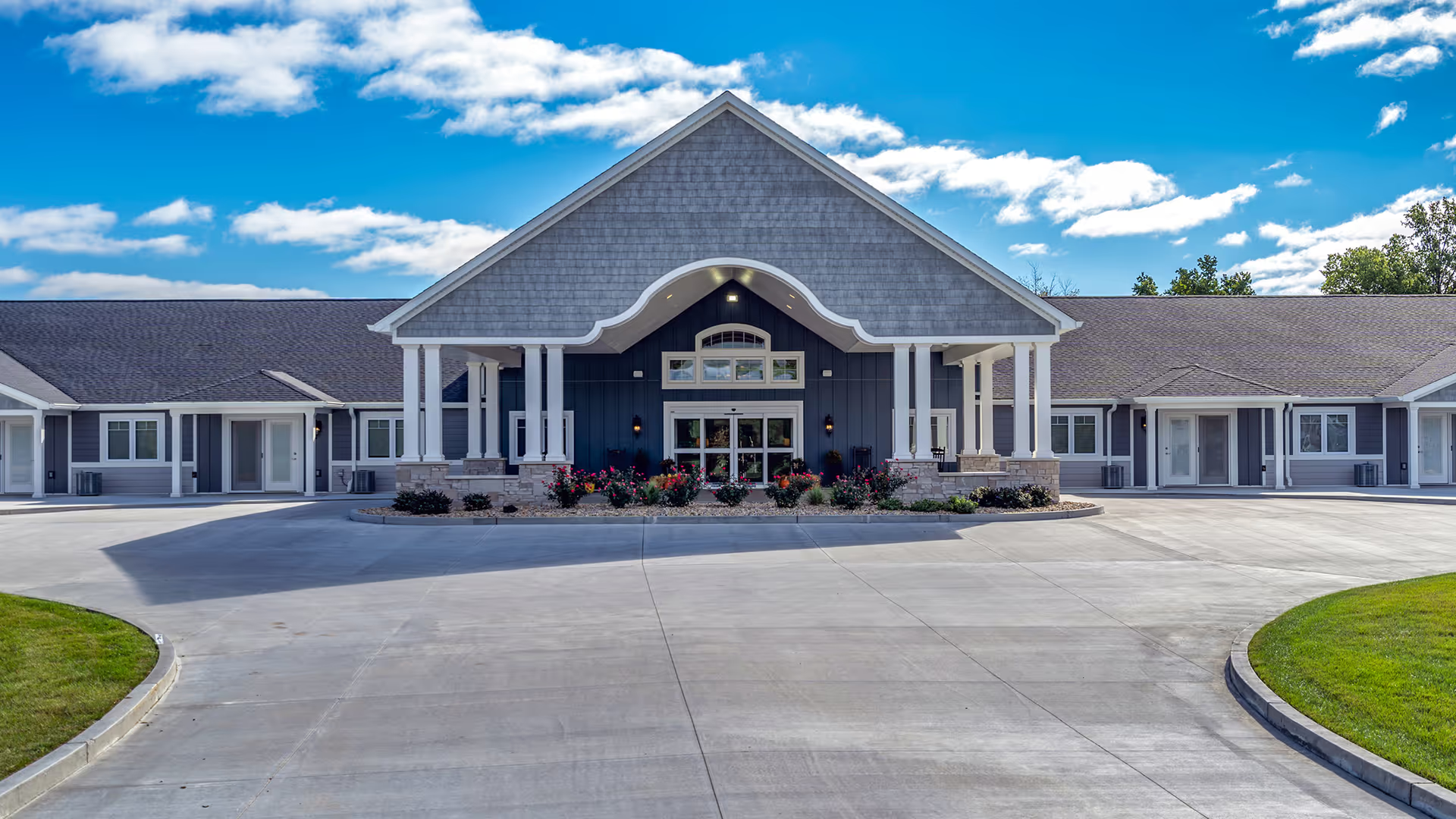
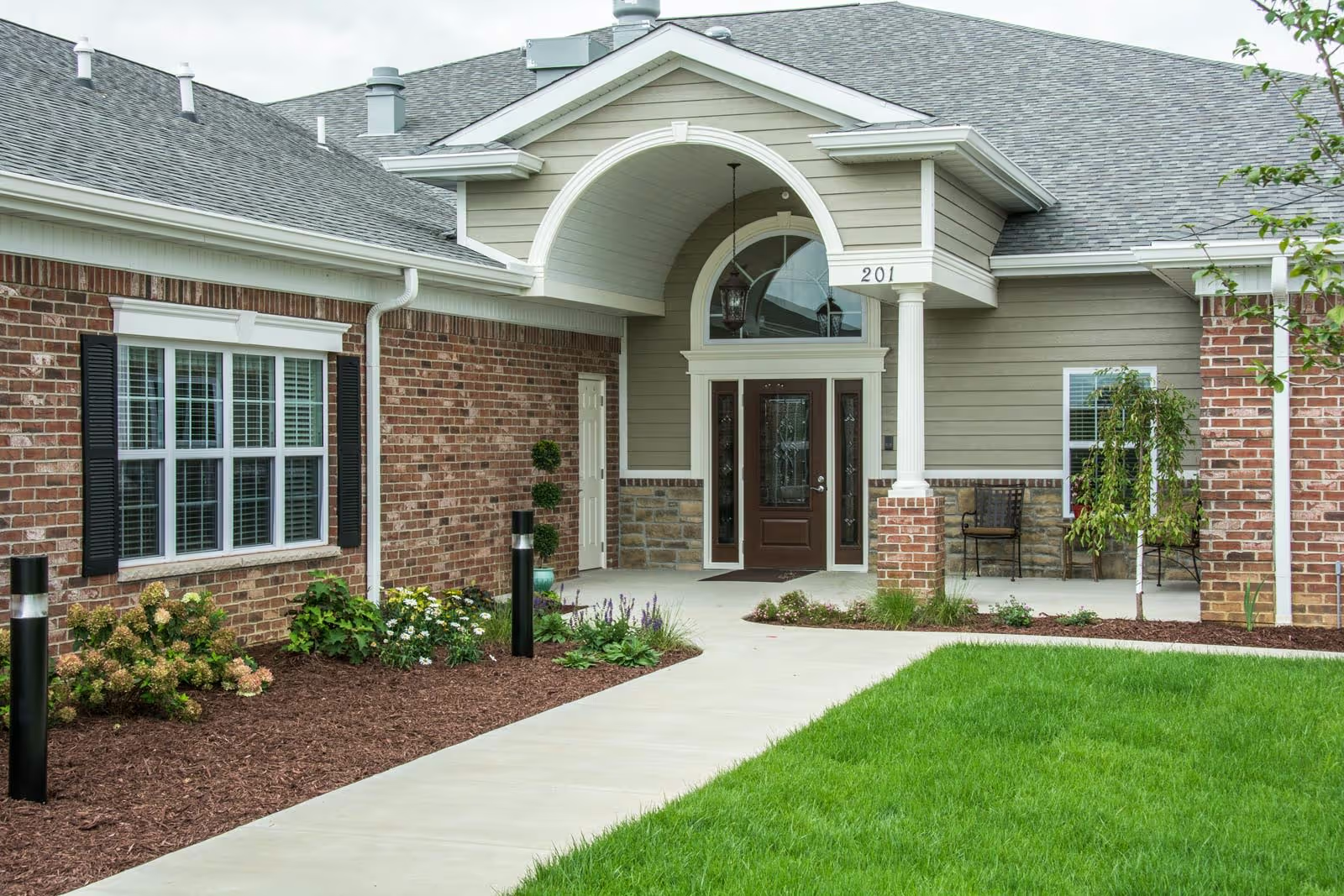
Brenden Gardens presents as an independent-living community that many families find supportive, social, and well maintained. The facility receives consistent praise for its staff — described as compassionate, accessible, and attentive — and for responsive maintenance and housekeeping. On-site therapy partners and a variety of wellness amenities (fitness room, salon, Ageility therapy) support residents who are largely independent. Move-in coordination and marketing support are generally viewed as helpful, and the property offers many leisure spaces (library, game room, craft and activity rooms) that foster social engagement.
Dining and activities are central strengths of the community. Reviewers frequently cite restaurant-style dining, meal-delivery options, accommodating dietary practices, and a broad calendar of activities and outings (crafts, games, gardening, shopping and doctor-appointment shuttles). These elements contribute to a lively social environment and improved quality of life for many residents. At the same time, there is a recurring pattern of inconsistent food quality tied to kitchen staffing and chef turnover, along with a repetitive menu cycle; prospective residents should confirm current dining leadership and sample menus during a visit.
Facility condition and apartment offerings show meaningful variation. Common areas and exterior maintenance are often described as clean and well cared for, and some apartments are reported as spacious with full kitchens and balconies. However, the building is older in places, and several operational-level issues are noted: smaller-than-expected unit footprints for certain floor plans, cosmetic aging, and accessibility concerns such as uneven flooring, deep carpeting in places, and limited handrails on slopes. These physical traits can pose mobility challenges and warrant an on-site accessibility assessment before moving in.
Operationally, the campus emphasizes independent living rather than higher-level clinical care. There are limited on-site nursing or CNA services, so the community is most appropriate for residents who are self-sufficient or have external clinical supports. Transportation and shuttle services are available and helpful for shopping and appointments, but reliability and medical-transport options can be variable; families should verify schedules and contingencies. Reviewers also indicate occasional inconsistencies in housekeeping thoroughness and unit-entry practices, and some perceive that local managers operate with constrained authority because of corporate governance structures.
In summary, Brenden Gardens is generally recommended for independent older adults seeking a social, activity-rich community with attentive staff, therapy services, and a range of amenities. Key due-diligence items for prospective residents and families include confirming current dining leadership and menu variety, assessing specific apartment size and accessibility features, clarifying the scope and reliability of transportation and clinical services, and discussing policies on staffing coverage and privacy protocols. These checks will help match resident needs to the community’s strengths and operational limitations.