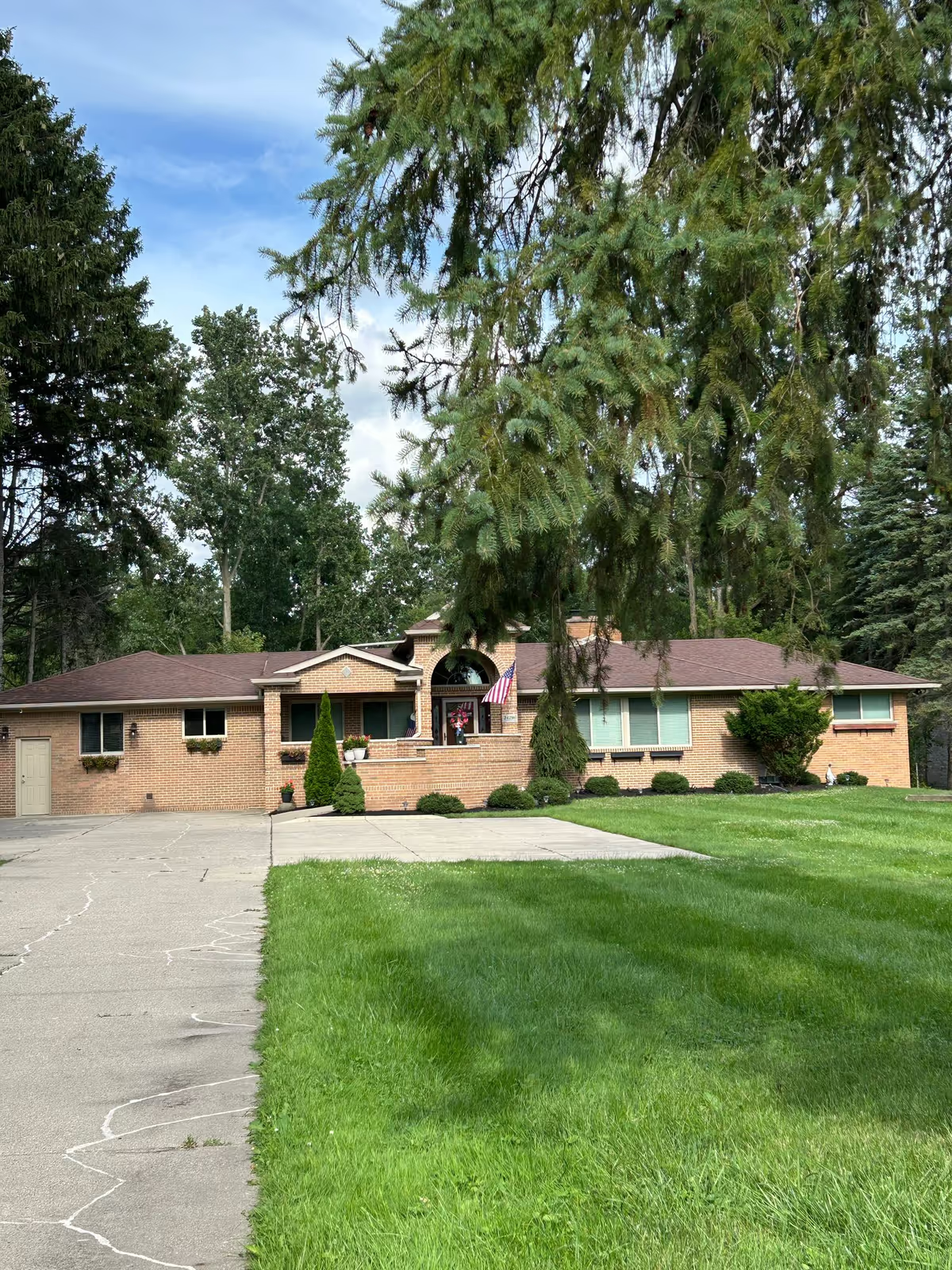
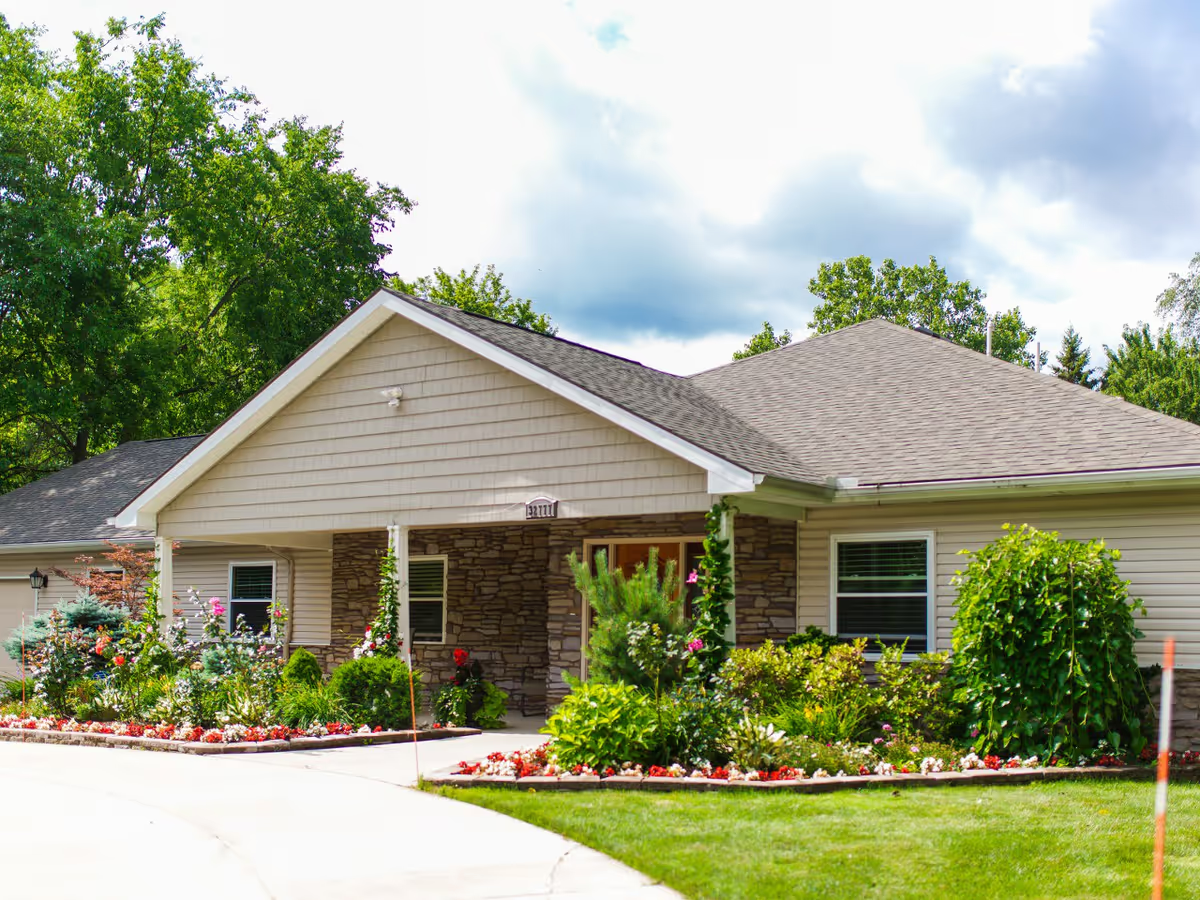
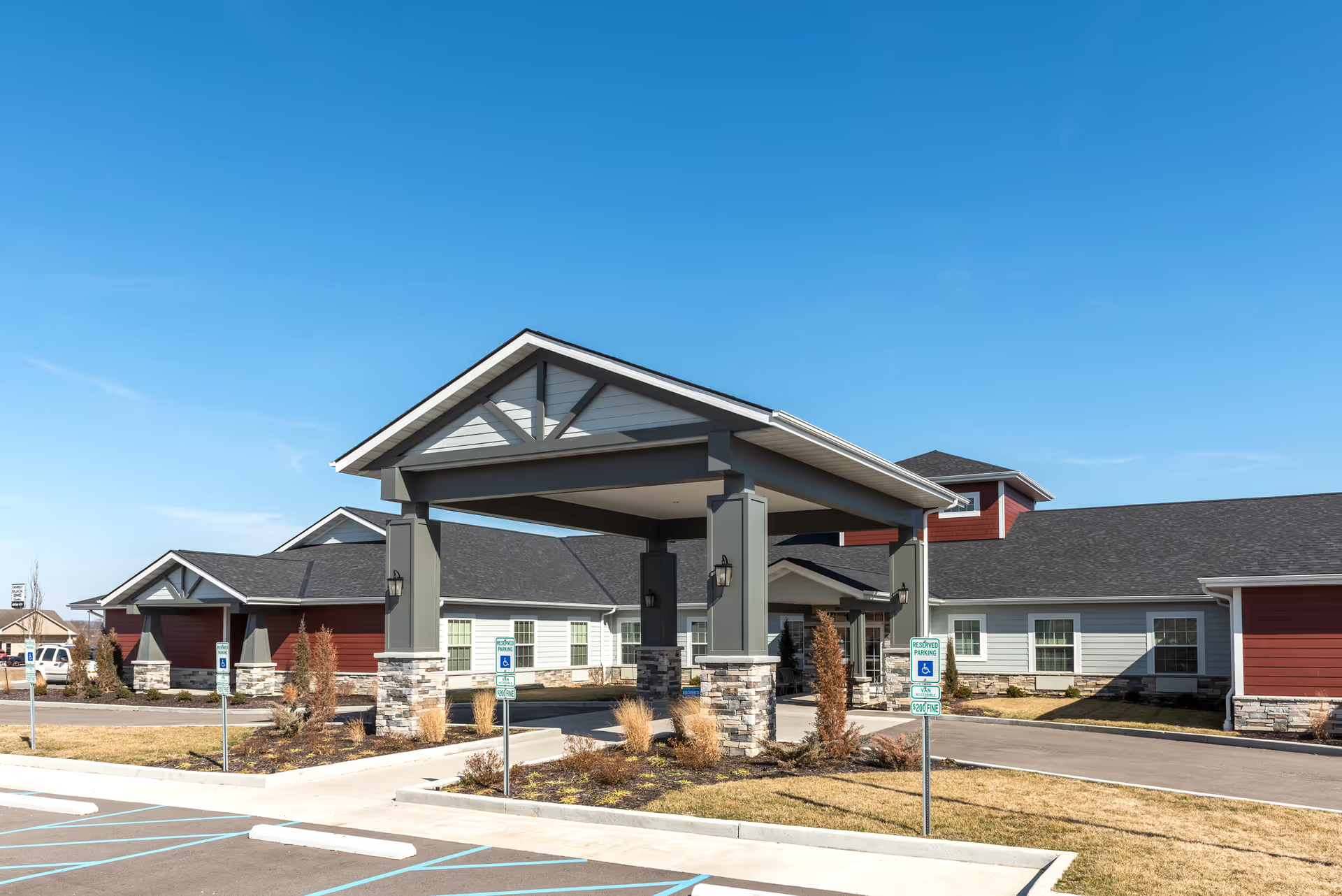
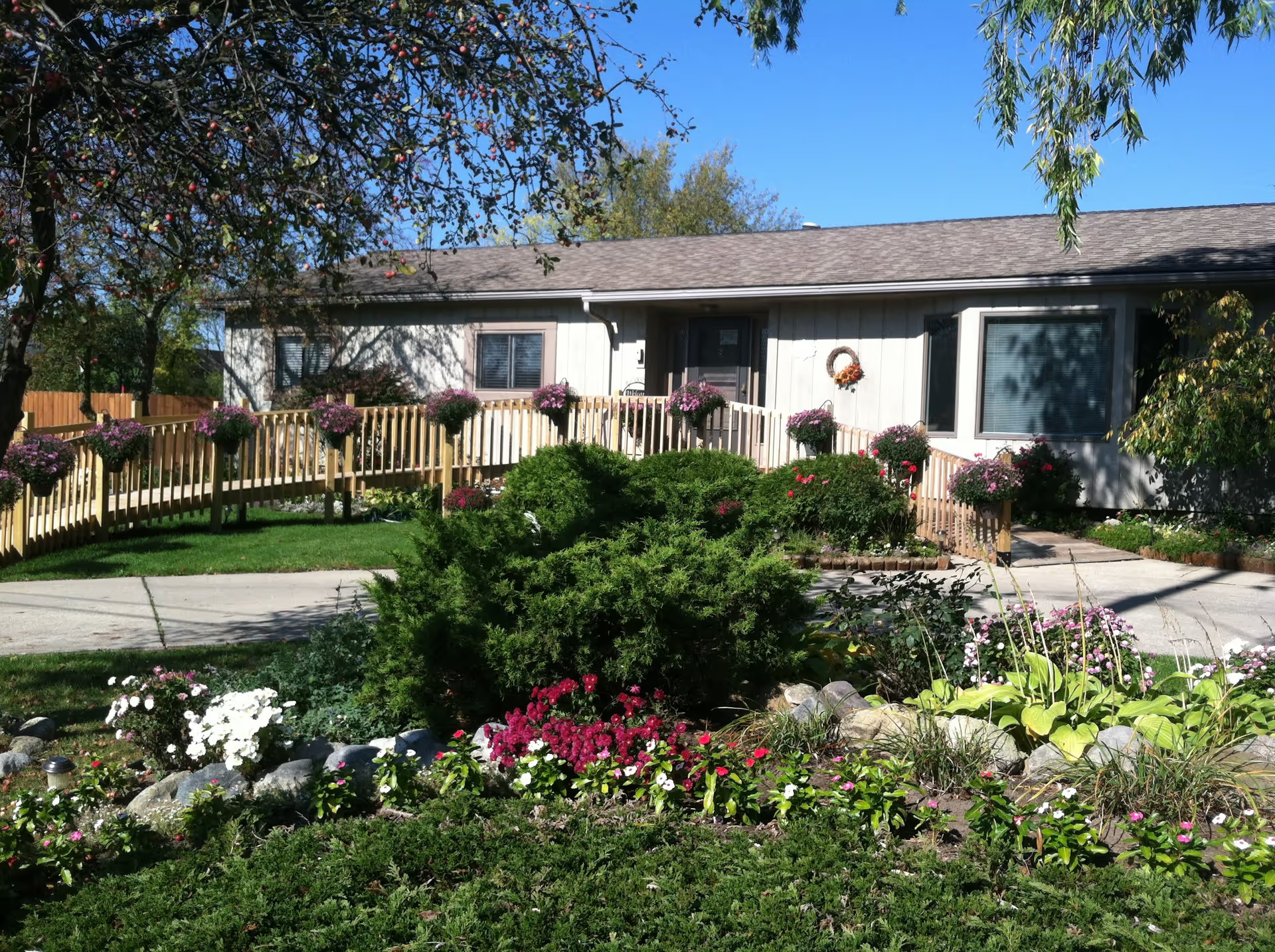
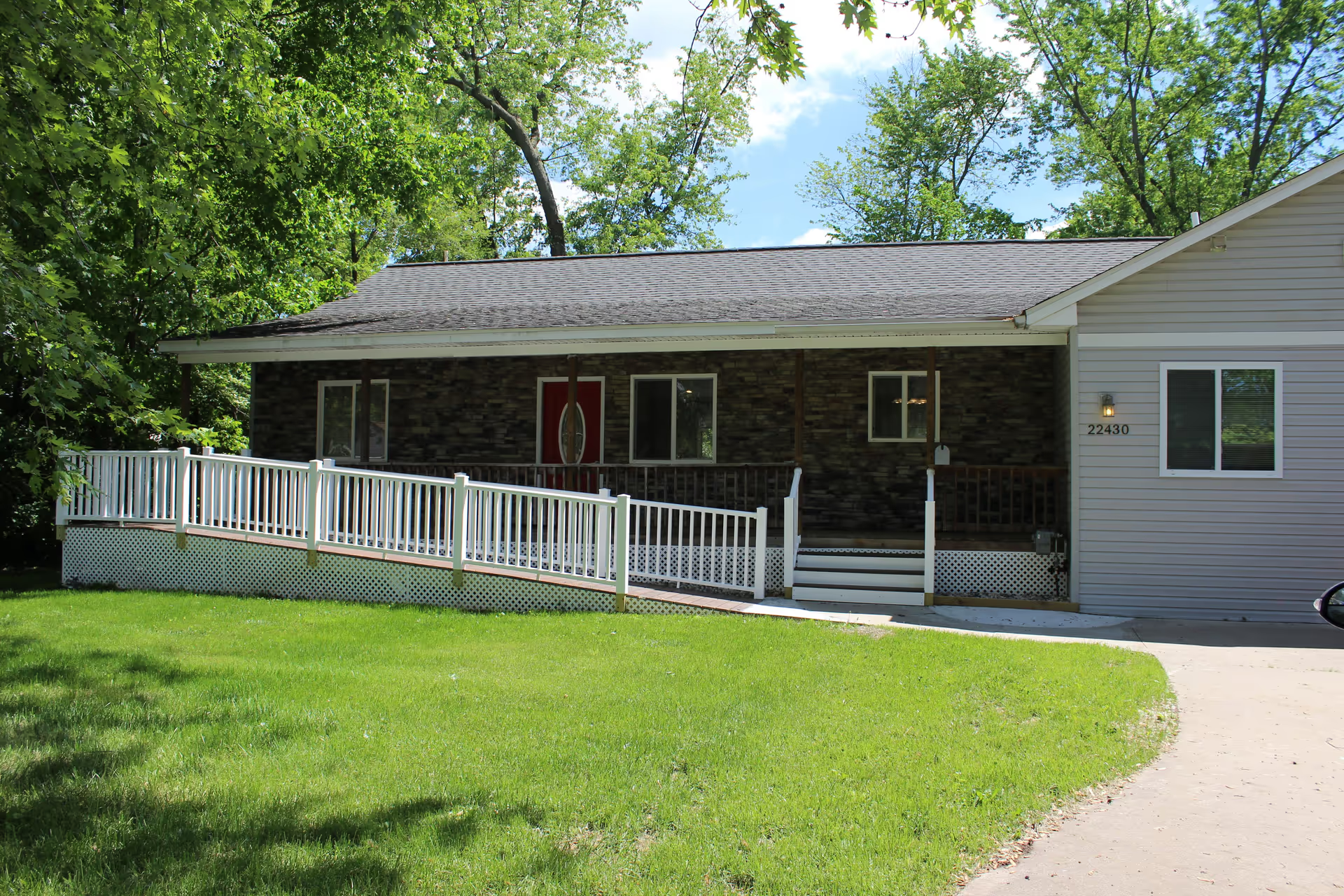
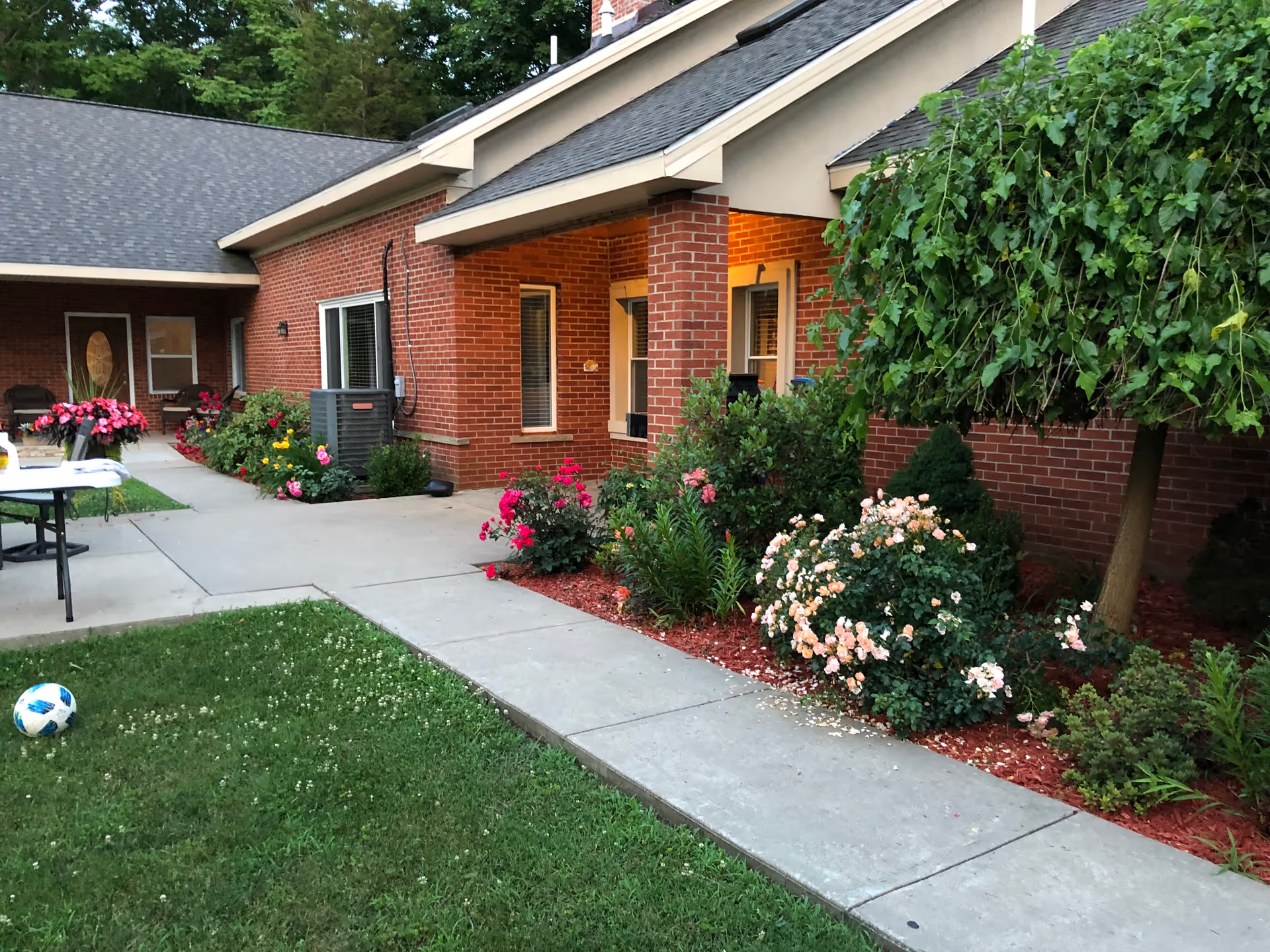
The reviews present a mixed overall impression of Carrington Place Apartments. On the positive side, multiple reviewers emphasize the physical attributes of the community: the building itself is described as "nice," it is in a good location, and it offers individual apartment-style living that "looks good." Price is also noted favorably, with at least one reviewer explicitly calling out the pricing as good. These consistent comments point to strengths in the property’s appearance, layout, and value proposition for those primarily seeking an apartment-style senior living option.
On the negative side, concerns about the quality of care and the community environment are prominent. One reviewer specifically reports "not enough care for Mom," which directly raises questions about staffing levels, care responsiveness, or the adequacy of clinical or personal support for residents who need assistance. Another reviewer labels the place a "toxic environment" and calls it "not to my liking," even advising others "don't bother moving." Those comments indicate notable dissatisfaction with the social or managerial climate — issues that can stem from staff behavior, resident-to-resident relations, leadership/management style, or community culture. Taken together, the negative remarks focus less on the physical plant and more on human-centered aspects of life there: care quality and the day-to-day atmosphere.
There is a clear pattern of split perceptions: the property rates well on tangibles (building quality, location, apartment format, and cost) but receives negative marks on intangibles (care and environment). The reviews do not provide specific details about dining, activities, medical services, staff training, or management practices, so conclusions about those domains must remain cautious. However, because insufficient care for a relative and descriptions of a toxic environment are strong, concrete concerns, prospective residents and families should treat those items as high-priority topics to investigate further.
Recommendations based on these themes: families should verify care staffing ratios and ask for examples of how the community handles increased care needs, clinical oversight, and response times for resident assistance. Visitors should also spend time observing the social atmosphere and speak directly with current residents and multiple staff members to gauge culture and interpersonal dynamics. At the same time, those prioritizing independent apartment living, building quality, location, and competitive pricing may find Carrington Place aligns well with their needs — provided the care and community environment meet their expectations after direct inquiry and observation.
Finally, note that the sample of reviews is small and terse, so while the themes are clear (good facilities and pricing vs. concerns about care and environment), they should be validated by additional research: in-person visits, interviews with residents and families, and detailed questions about care services and management practices before making a move or referral.