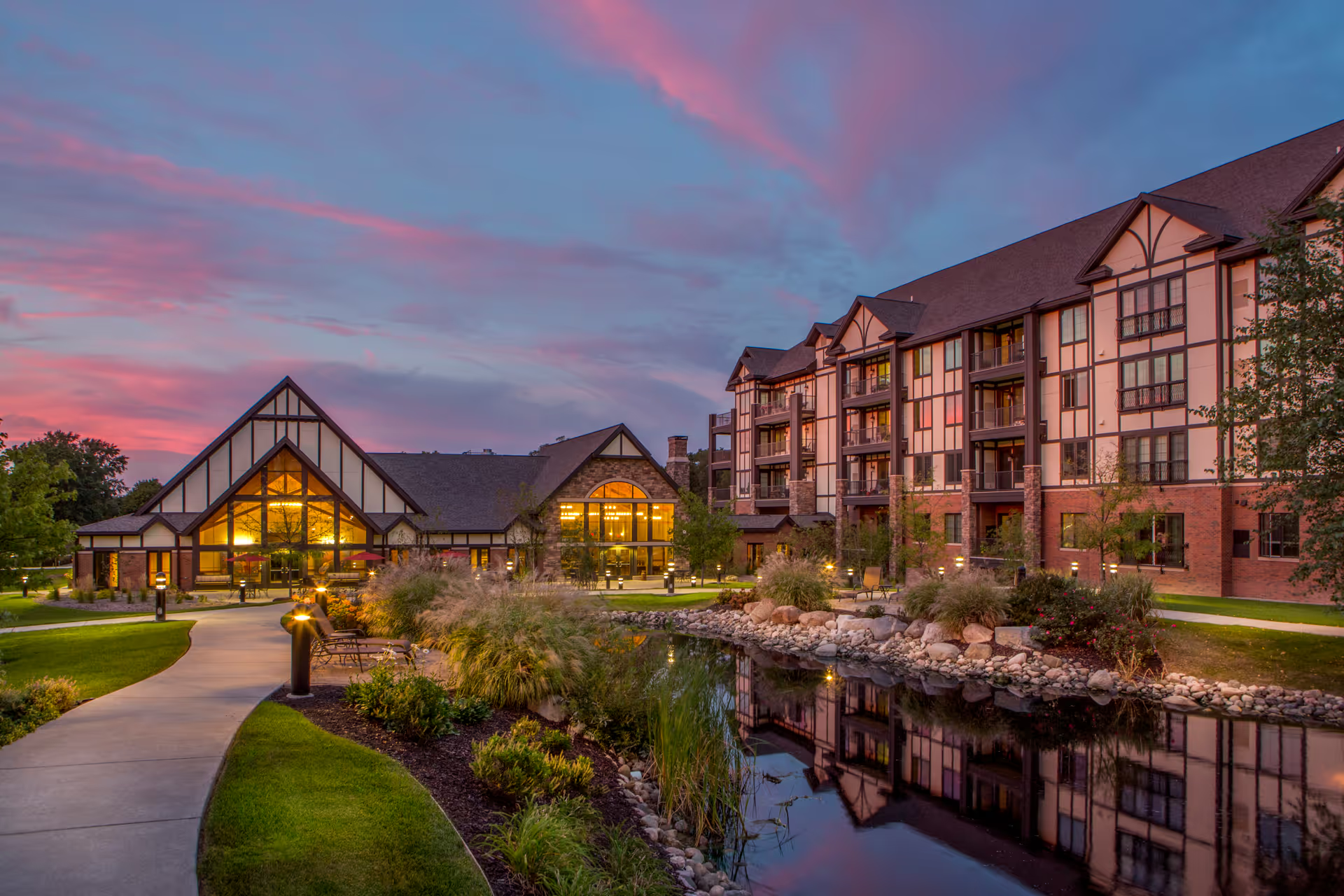
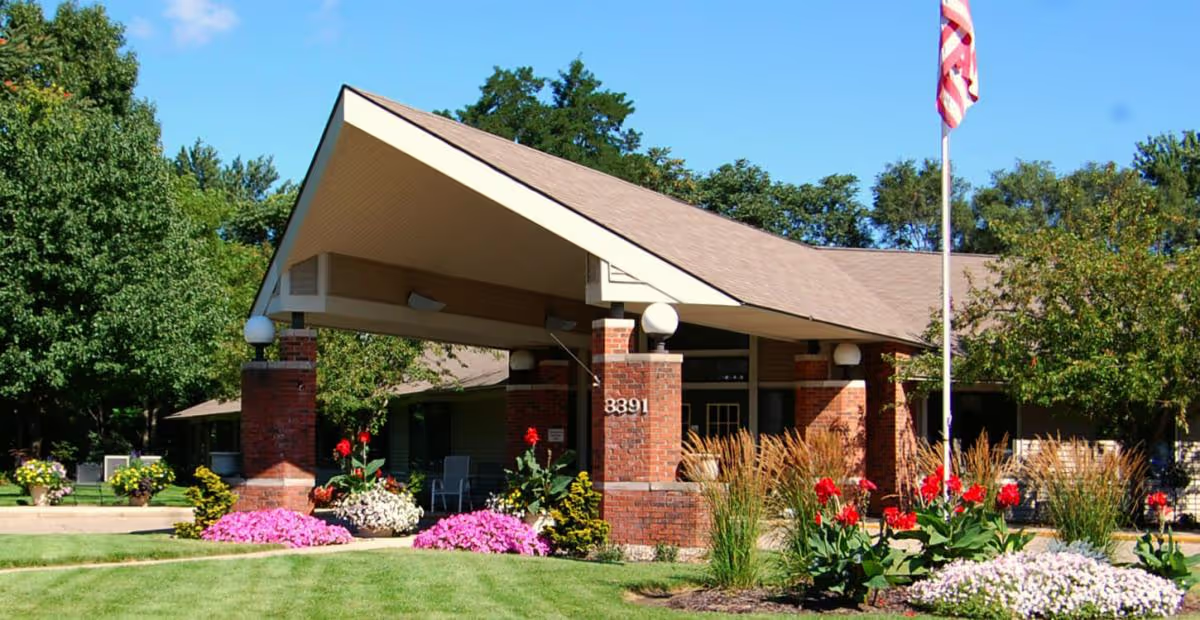
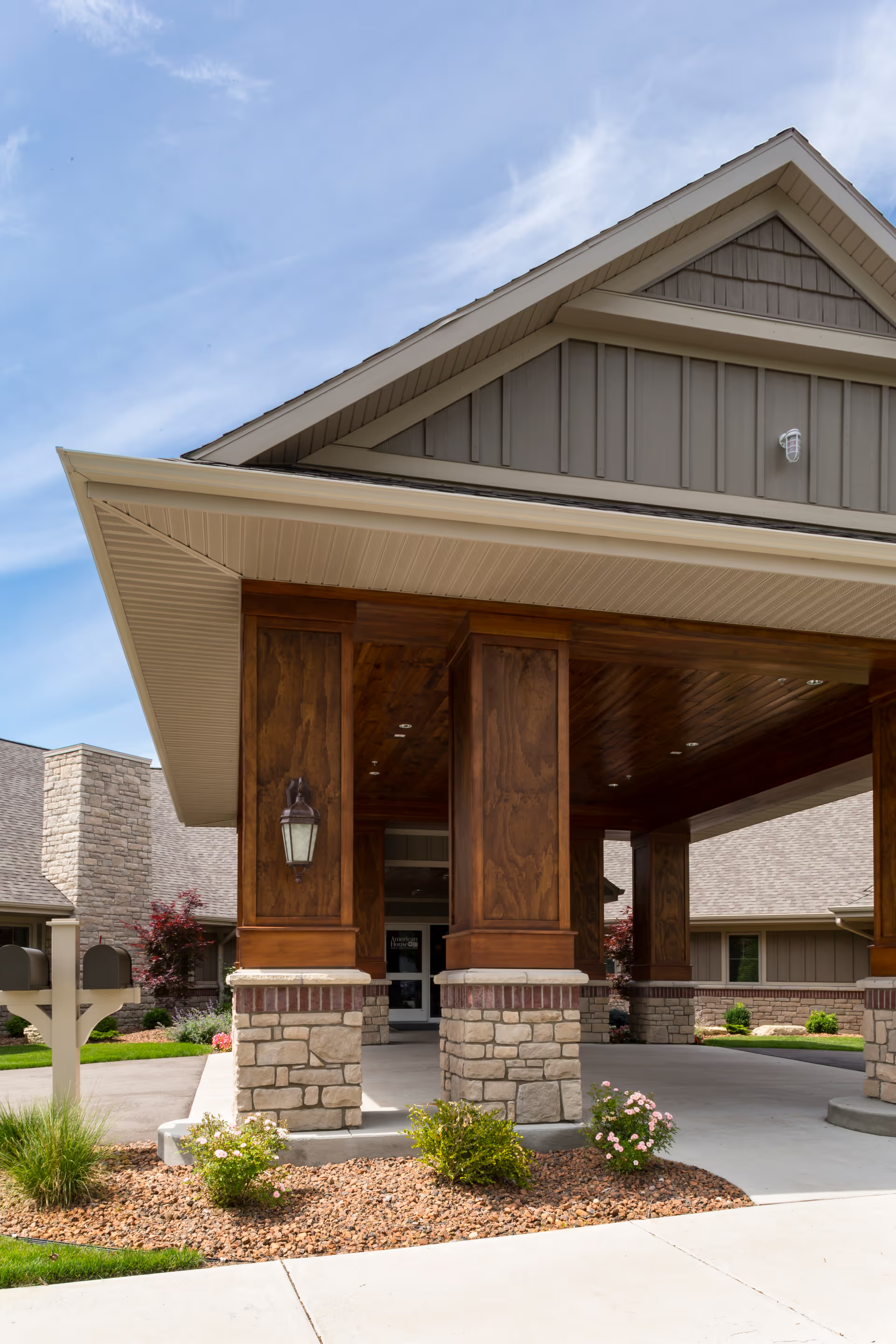
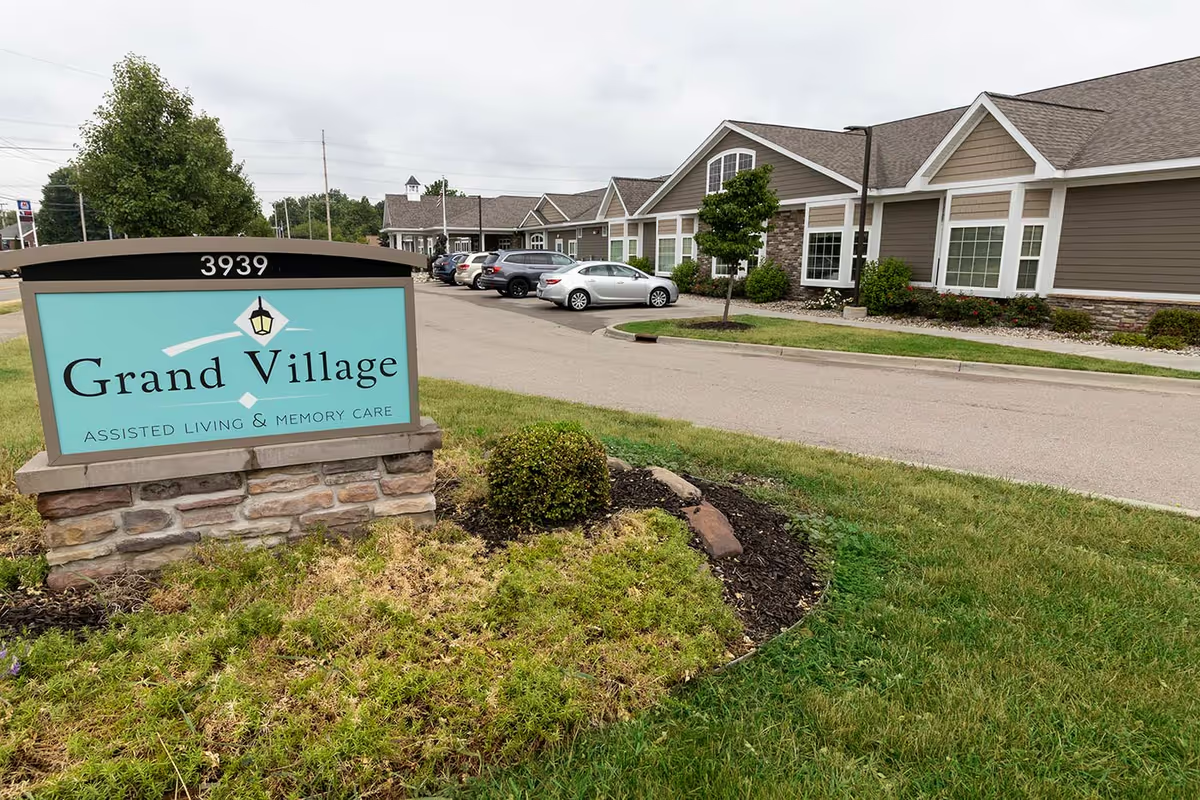
Villa Maria is described by many families as an affordable, community‑oriented retirement option with strengths in social programming and staff engagement. Reviewers frequently highlight a warm, personable staff and long‑tenured employees who contribute to an active atmosphere. The activities program is a consistent strength: residents have access to exercise classes, arts and games, regular outings, concerts, and religious services. On‑campus assisted living and memory‑care options provide continuity for residents who need higher levels of care, and common areas such as the dining room, library, sunroom, and community rooms are generally regarded as pleasant social hubs.
Care quality and staff conduct are generally viewed positively. Multiple comments emphasize attentive caregiving, friendly interactions, and helpfulness from both clinical and nonclinical staff. Admissions and tour experiences are often described as welcoming. At the same time, the facility does not maintain on‑site medical staff, and families should plan for external clinical services if residents require regular medical oversight beyond standard senior‑living supports.
Dining receives mixed feedback. Several reviewers praise variety, plentiful portions, and an improved dining experience; others describe inconsistent quality relative to the facility’s marketing. Those evaluating the culinary program should note these divergent impressions and, if possible, sample meals before deciding. The activity and social calendar is a clear positive: programming is diverse, encourages interaction, and contributes to resident satisfaction.
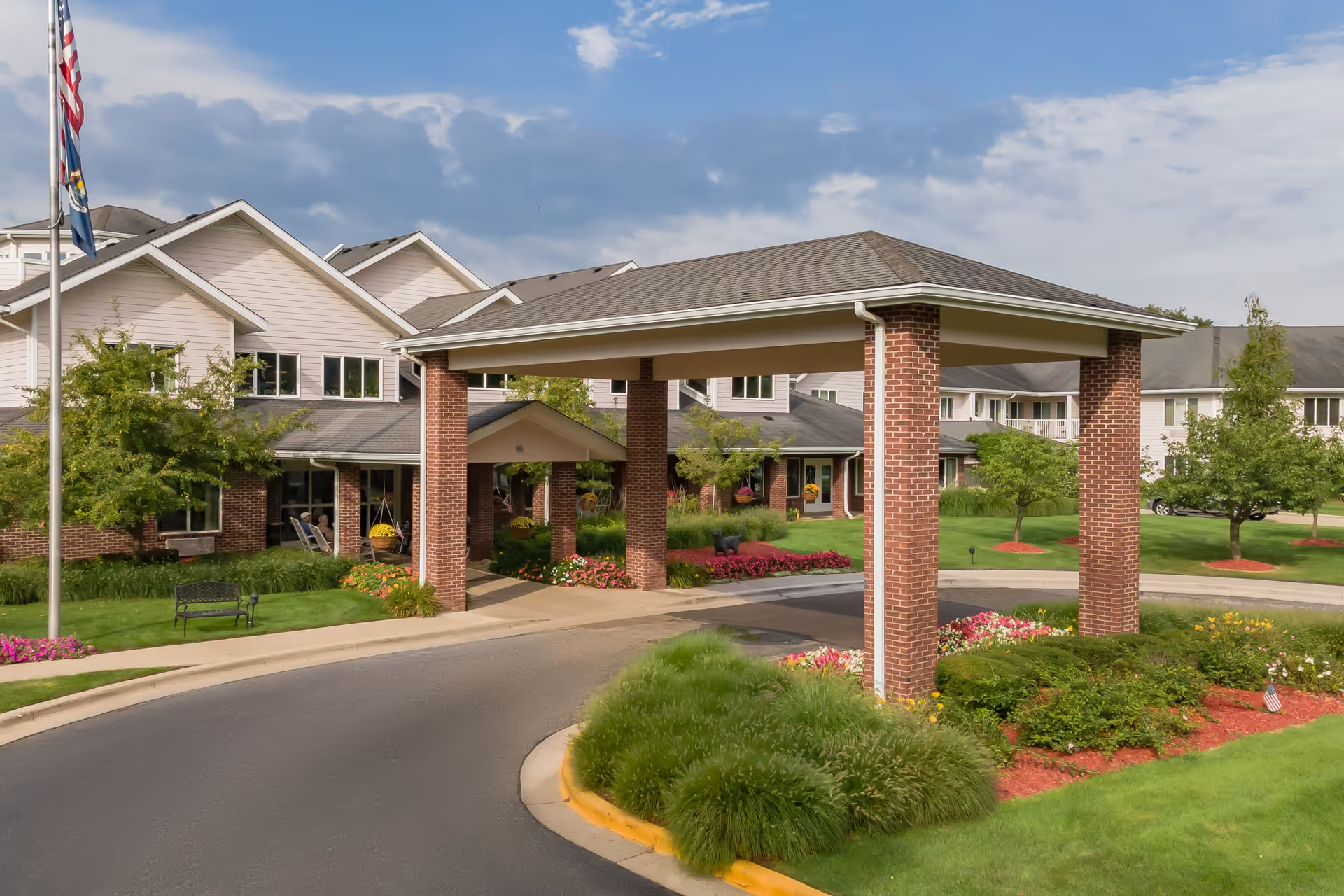
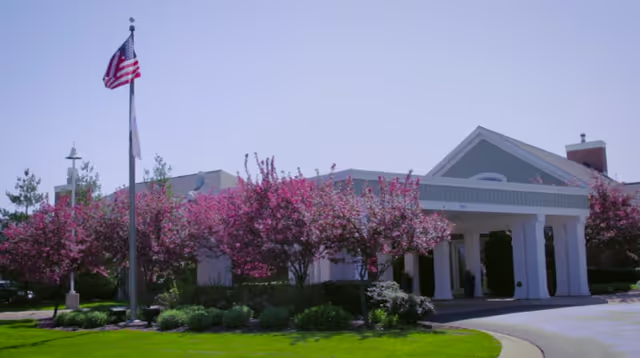
Physical plant and infrastructure are a notable area of concern. The building is described as older in design, with some interior and exterior areas that appear dated. Reviewers cite issues with limited natural light in some units, small crowded elevators, and rooms that vary in size and features. Maintenance and repair follow‑through appear inconsistent: garden and fountain upkeep, unit repairs, and appliance fixes are specifically mentioned as uneven. Climate control reliability and thermostat usability have been flagged as operational weaknesses, with accounts of temperature extremes during power outages and difficulty programming individual units.
Emergency preparedness and facility operations are important considerations. Several accounts indicate gaps in emergency power, lighting, and resident call/pull systems during outages, and there are concerns about how those gaps affect resident safety and comfort. There is also at least one serious account of delayed pest remediation that raised additional concerns about communication and timeliness of operational responses. Overall, reviewers describe inconsistent responsiveness from management on follow‑through and on getting routine issues resolved.
In summary, Villa Maria appears to offer strong social programming, a warm staff culture, and good value for residents seeking an active, community‑focused independent living environment with on‑campus assisted options. Prospective residents and families should weigh those strengths against infrastructure and operational limitations — especially emergency‑power resilience, building maintenance, pest‑control procedures, and the lack of on‑site medical staff — and discuss these topics explicitly during a visit. Touring units, sampling meals, asking about current emergency systems and pest‑control protocols, and clarifying transportation schedules and repair response times will help families assess fit and readiness for residence at this facility.