Overall impression Review content indicates a generally positive resident experience in terms of interpersonal care and social life, with several specific strengths and a few operational gaps. Families expressed gratitude for staff members who demonstrated caring behavior and attentiveness to residents. Social opportunities and a sense of community are recurring positives: residents have access to scheduled activities, group outings, and frequent chances to interact with peers. The facility's location is frequently noted as convenient to public transportation, shopping, entertainment, and medical services, which supports both independence and access to outside resources.
Care and staff Care-related comments emphasize staff compassion and attentiveness; reviewers specifically praised individual staff for caring for family members. This suggests strengths in day-to-day staff–resident interactions and family communication when care is going well. At the same time, there are operational concerns that could affect safety and perceived clinical readiness: the absence of in-unit emergency call systems was raised as a safety issue, and there is limited visible evidence of clinical infrastructure. Taken together, these items point to a model that may prioritize a residential atmosphere while providing warm interpersonal care, but that may not present the same level of on-site clinical supports as a more medicalized setting.
Dining Review summaries provided little specific information about dining quality, meal service, or menu variety. Prospective residents and families should request current dining menus, sample meals if possible, and clarification of food-service protocols during a tour to evaluate this area directly.
Activities and community life The facility appears to offer an active program of events and group outings. Regular activities and organized social opportunities were highlighted as meaningful contributors to resident satisfaction and sense of community. The combination of on-site programming and nearby off-site destinations (shops, entertainment, transit) supports an engaged, independent lifestyle for residents who are mobile and socially active.
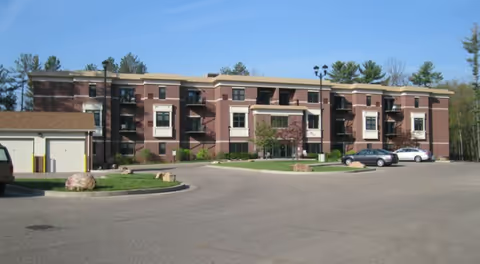
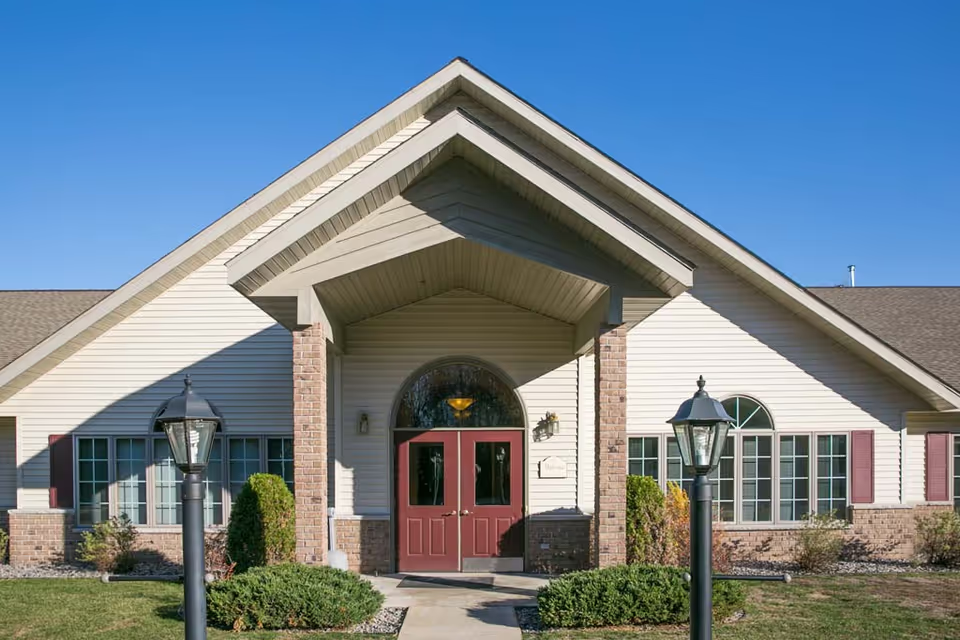
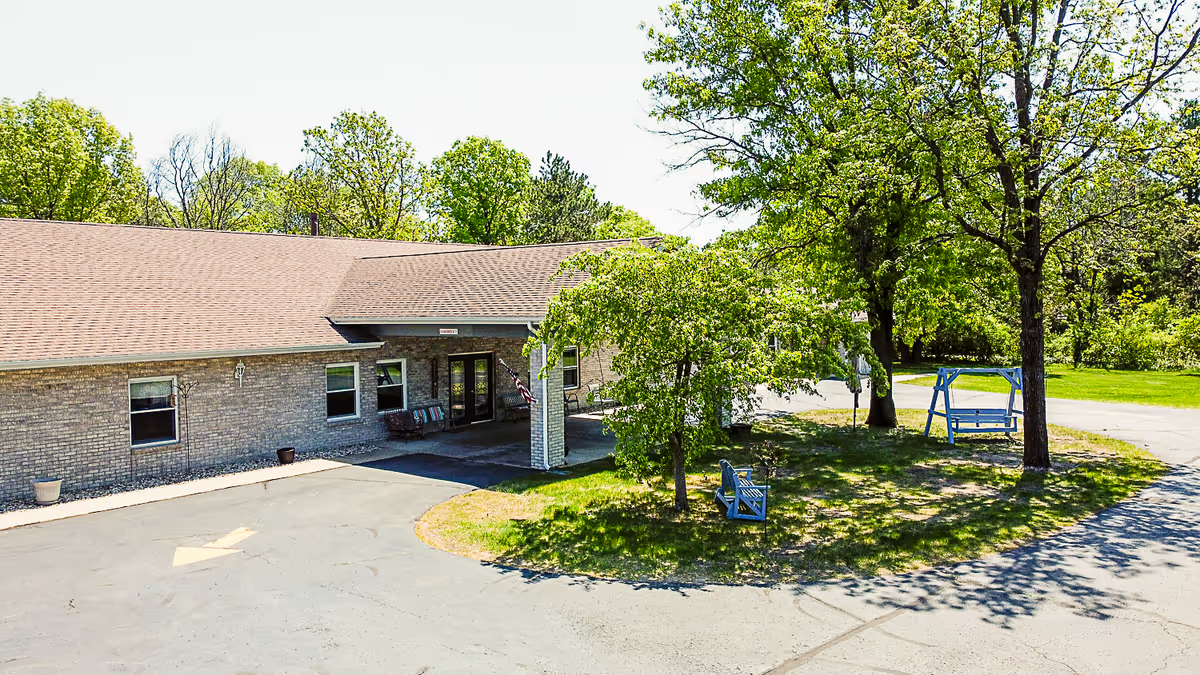
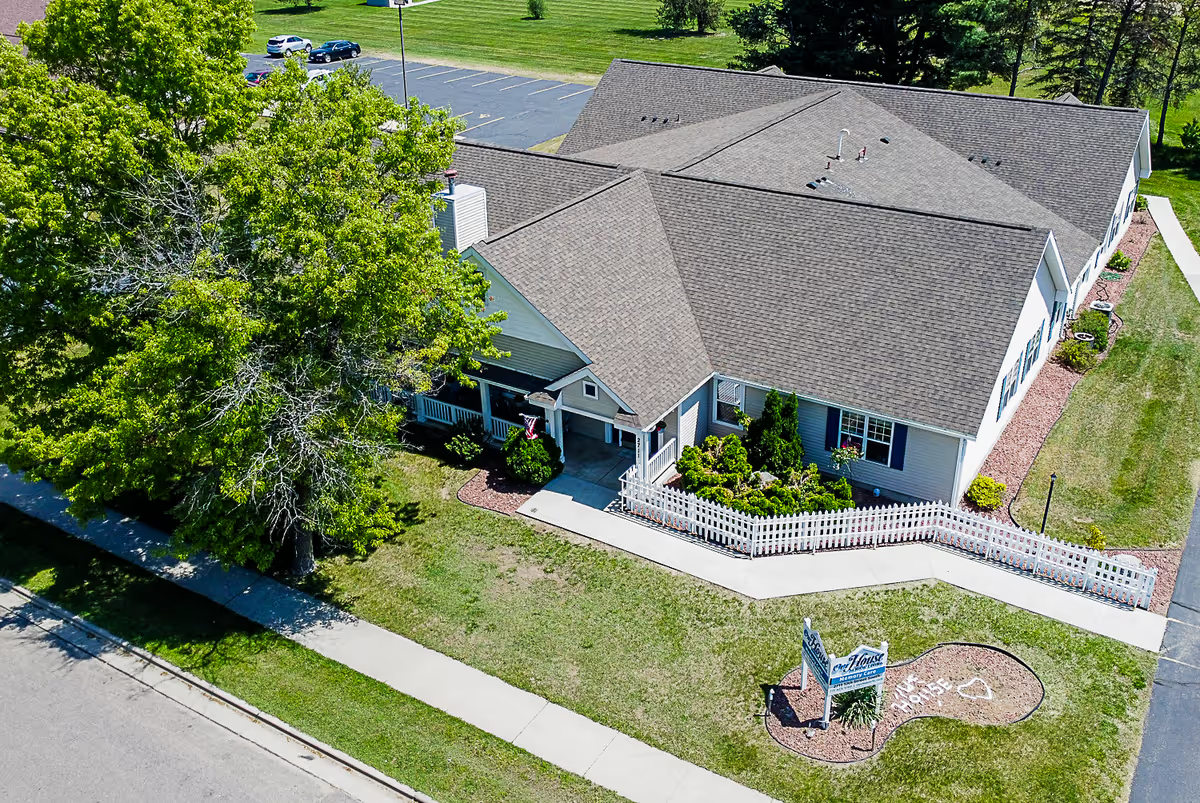
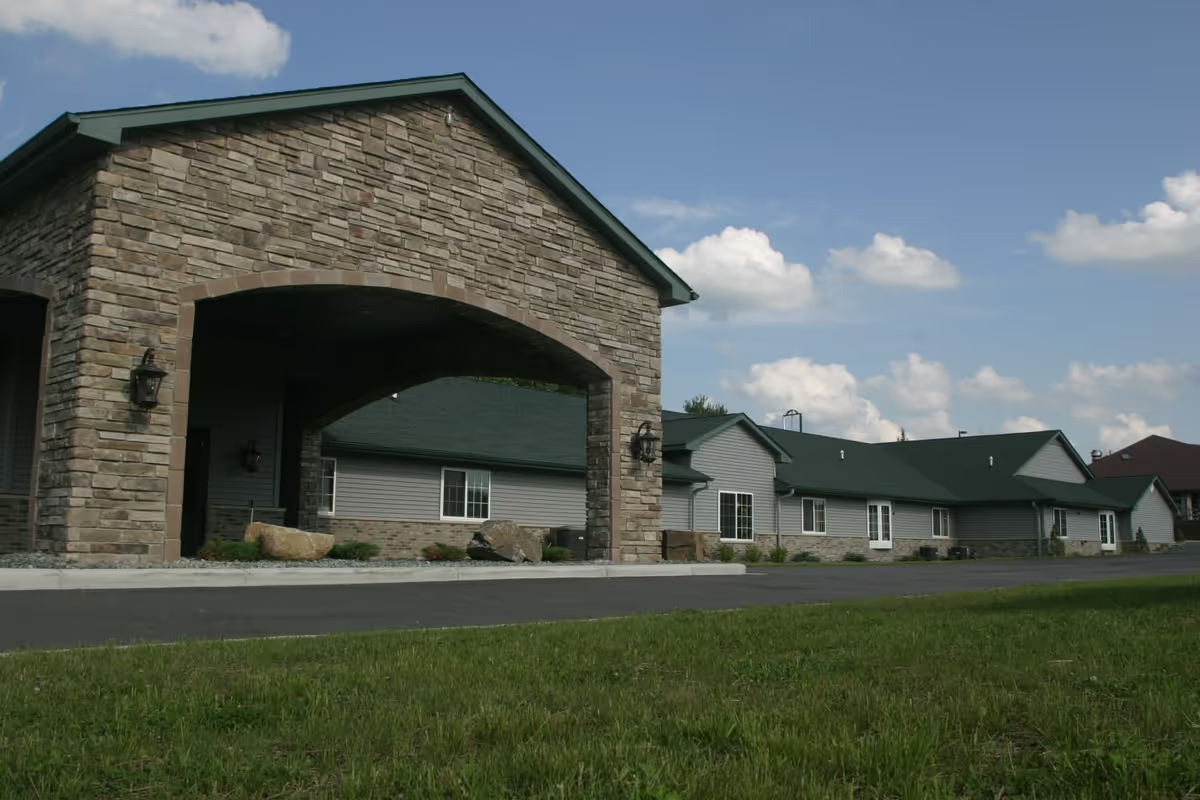
Facilities and management Physical impressions conveyed that the property resembles an apartment building more than a purpose-built senior-care campus. For some prospective residents this supports privacy and independence; for others it may signal limited on-site clinical or safety features. Management and admissions communication emerged as a distinct operational weakness: tours were described as uninformative and lacking detail, which can make it difficult for families to assess care scope, emergency procedures, and service inclusions. Improving tour content and proactively sharing policies about levels of care, emergency systems, and available clinical services would reduce ambiguity for prospective residents.
Notable patterns and recommendations Strengths center on staff warmth, resident privacy, active programming, and a highly convenient location. The primary operational patterns to investigate further are emergency-response infrastructure, the clarity of the facility’s level-of-care model, and the admissions/tour process. Prospective residents and families should ask management for written information on emergency-response systems (in-unit call options and response times), detailed descriptions of the types of care provided on-site, and a structured tour that covers staffing levels, clinical supports, and sample activity/dining schedules. These targeted questions will help determine whether the facility’s apartment-style environment aligns with an individual’s clinical and safety needs.