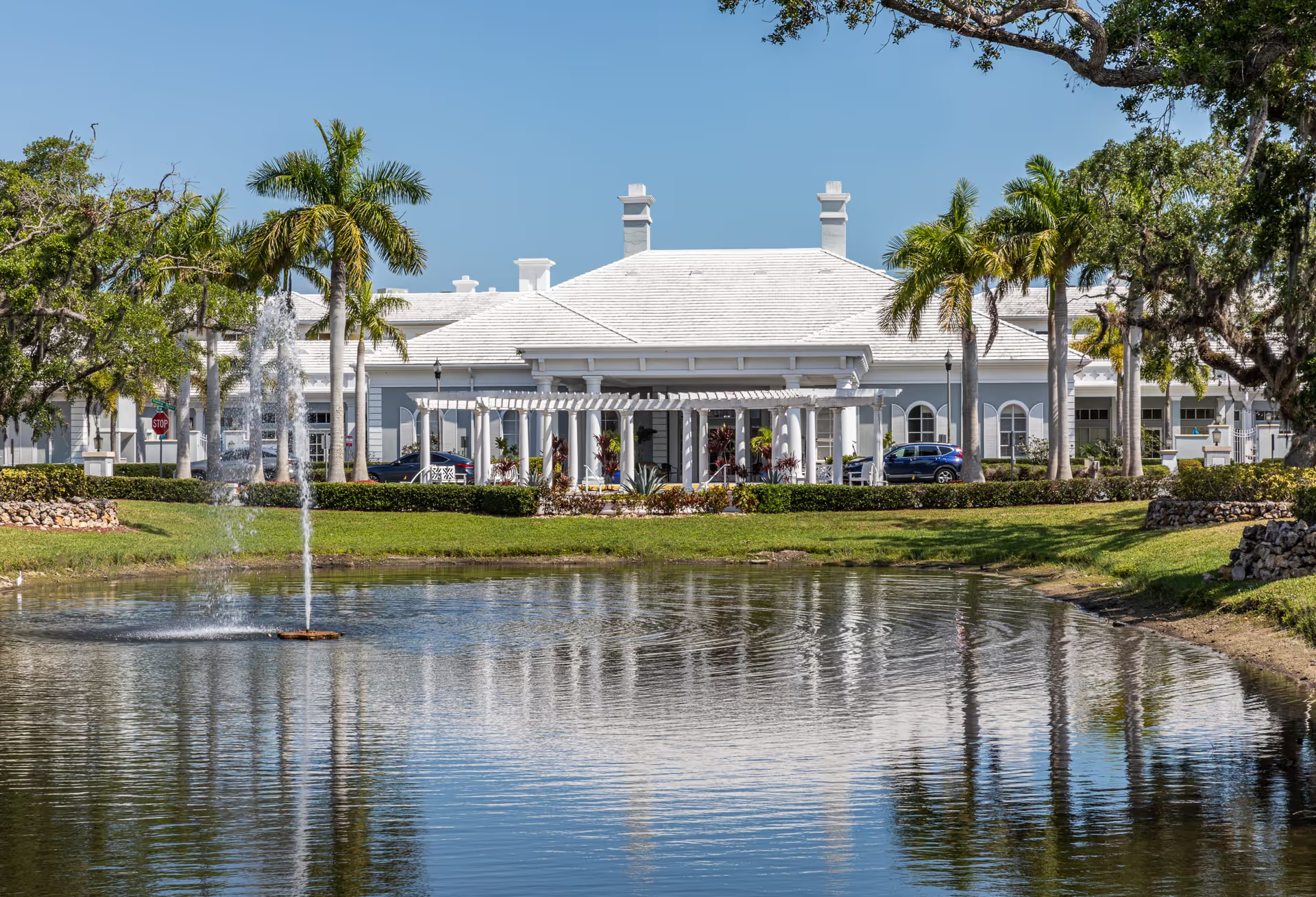
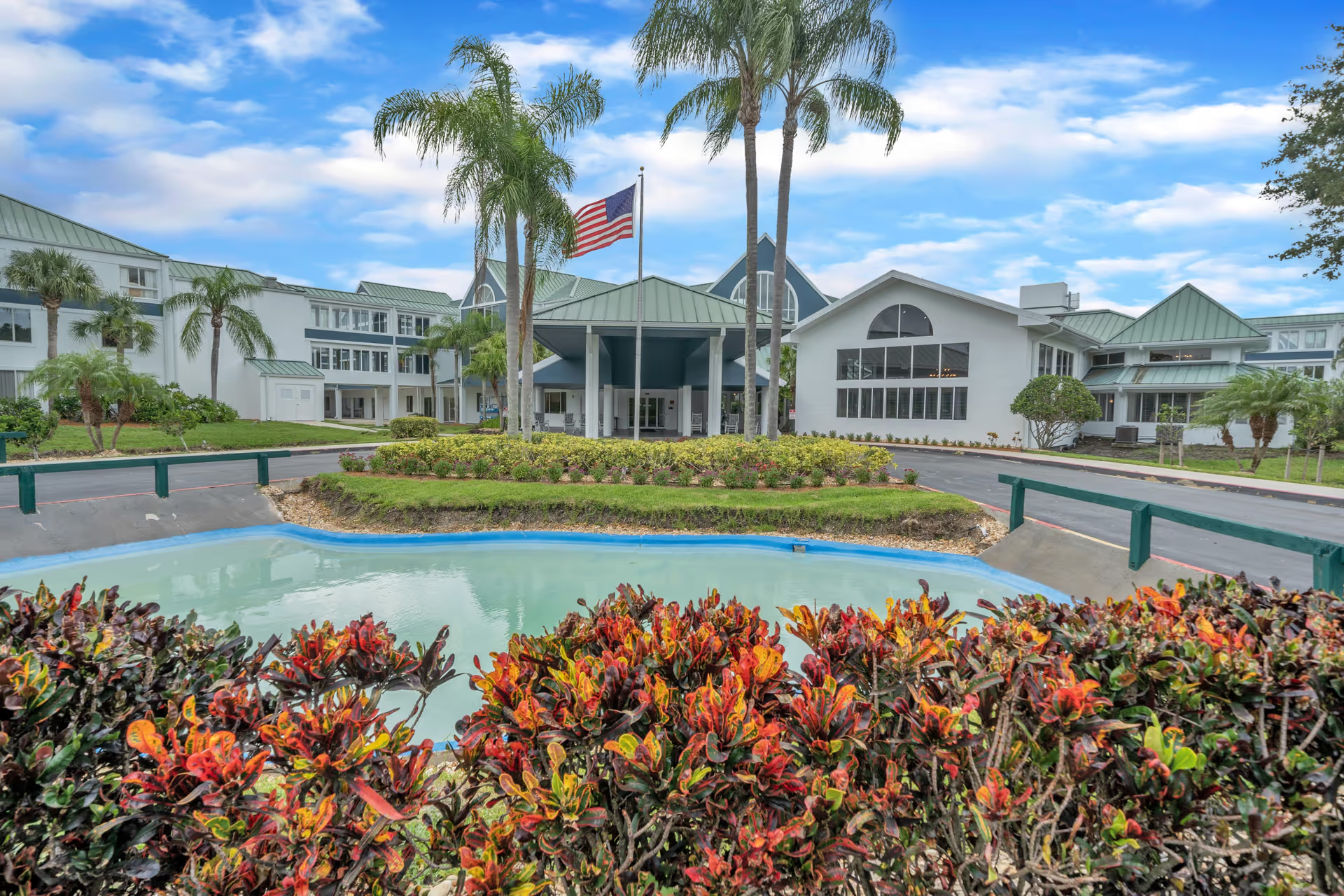
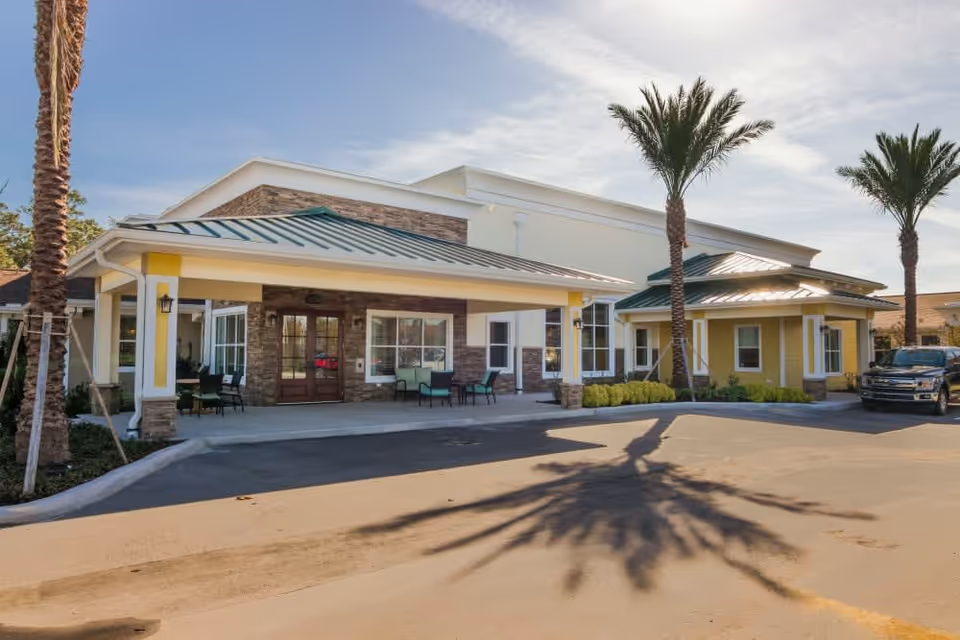
Overall impression: Reviews convey a mixed but actionable picture. Many families praise the staff’s warmth, respectfulness and responsiveness, the security of the building, and engaging memory-care programming. Admissions and sales interactions are frequently described as helpful and flexible, and the facility’s interior and apartment sizes are generally viewed as clean and home-like. At the same time, recurring operational patterns raise concerns about clinical coordination, staffing levels, dining consistency, and some aspects of facility maintenance that prospective residents and families should assess during a visit.
Care quality and staffing: Staff interpersonal skills and attentiveness are recurring strengths; reviewers often describe compassionate, professional caregivers who help residents settle and remain engaged. However, there are consistent concerns about staffing adequacy and coverage patterns. Families describe insufficient staff for supervision (including outdoors), limited after-hours clinical availability, and variability in personal-care responsiveness. These staffing issues are linked to other operational concerns such as delays in bathroom assistance, oral-hygiene support, and monitoring for conditions that increase infection risk. Additionally, several accounts indicate gaps in coordination with outside physicians and prescribing providers, creating potential risks around medication communication and family notification during clinical changes.
Dining and hydration: Feedback on meals is mixed. Some reviewers find the food satisfactory and well-presented, while others describe inconsistent meal quality, deviations from posted menus, and limited beverage and snack availability. Hydration management is an explicit concern for some families: drink options beyond water (juices, milk, more fruit) and readily available beverages in common areas are cited as areas needing improvement. Dining-room atmosphere and timing also draw comment—early meal times and service-related noise or pacing can affect resident dining experience.
Activities and social programming: Memory-care activities, music sessions, and group events are cited positively when staffed and scheduled. When programming is robust it promotes engagement, socialization, and enjoyment. That said, activity coverage appears inconsistent at times—turnover or leaves in activity leadership and some invite-only or limited programs reduce offerings for certain residents. Prospective families should ask about current activity staff, typical weekly schedules, and how programming continuity is maintained during staff transitions.
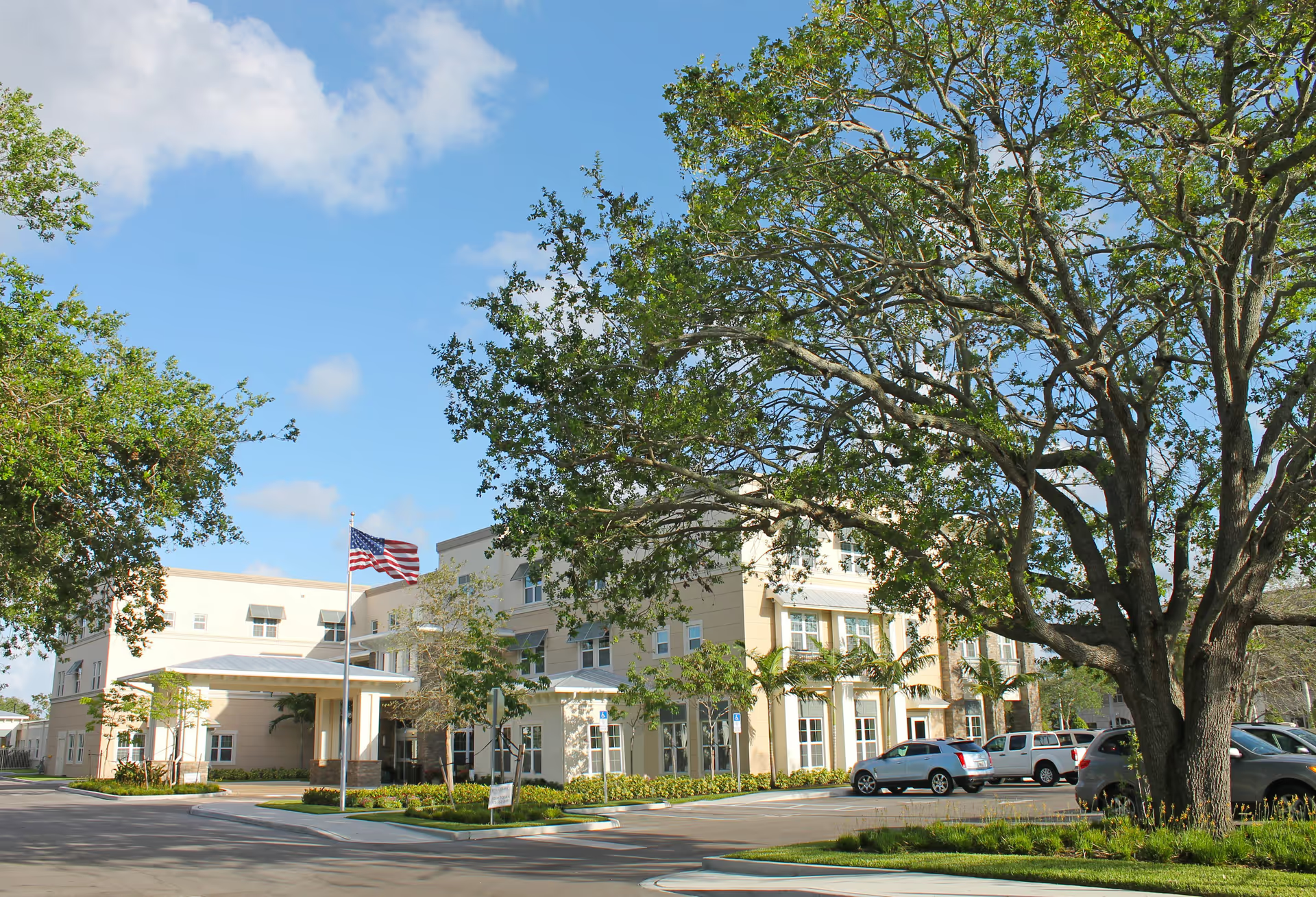
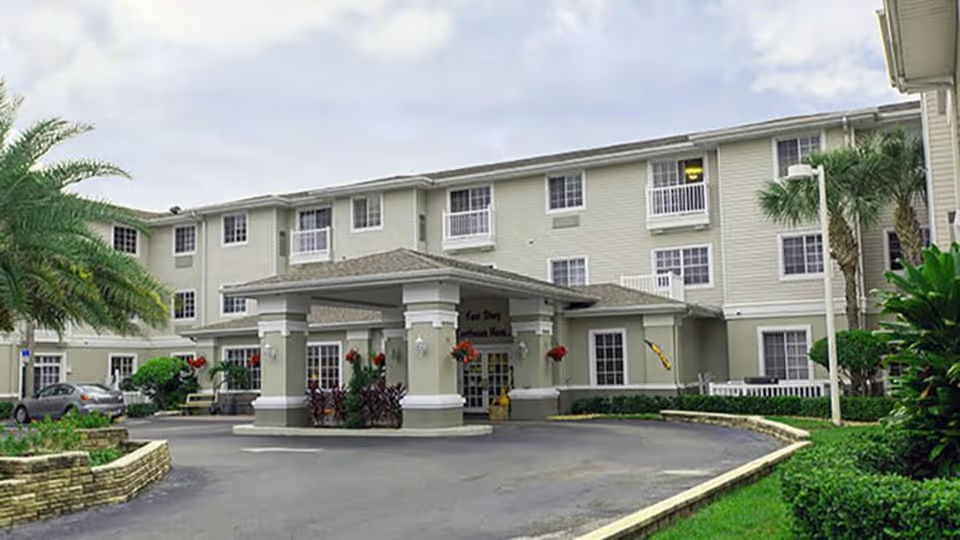
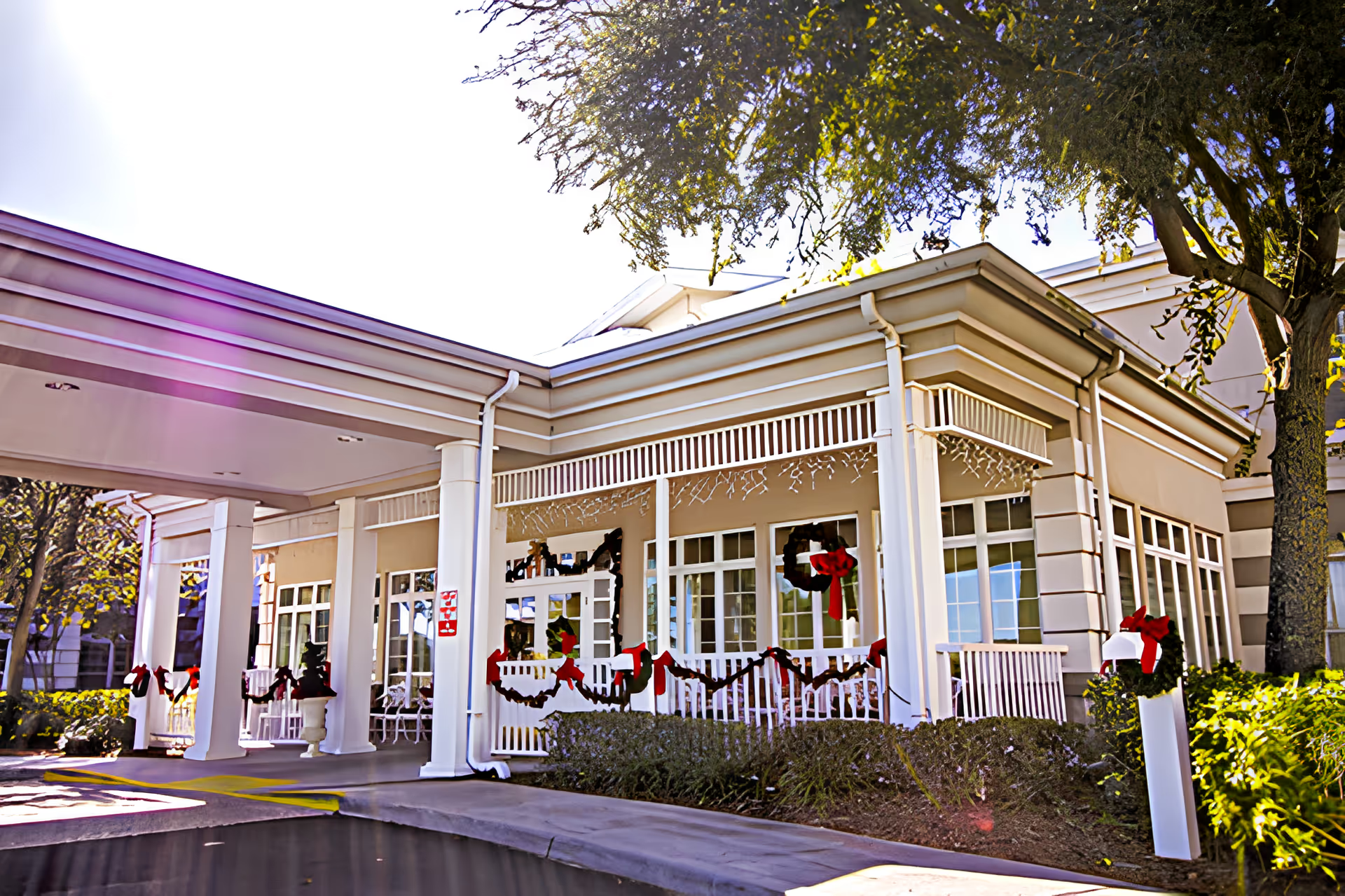
Facility condition and management: The building and many interior areas are described as attractive and well-kept, with secure entry points and clean apartments. Concurrently, multiple reviewers note unfinished renovations, ceiling stains, and maintenance gaps in specific public restrooms or communal spaces. Management strengths include accommodating admissions, pricing flexibility, and proactive infection-control practices; weaknesses include inconsistent follow-through on maintenance and gaps in family communication during clinical incidents. A small number of strongly negative accounts describe serious care lapses; these raise concerns that warrant direct discussion with management and review of recent quality reports and incident protocols.
What to ask on a tour: Given the patterns in reviews, families should inquire about staff-to-resident ratios by shift, procedures for after-hours clinical coverage and medication administration, protocols for coordinating with outside physicians, hydration strategies and beverage/snack availability, activity staffing and contingency plans, and the status and timeline for any ongoing renovations. Request current examples of family communication following clinical incidents and ask to see recent inspection or quality-assurance documents. Visiting during a meal and peak activity times can help validate dining quality, staffing levels, and program consistency.
Bottom line: The facility demonstrates clear strengths in staff-resident rapport, an engaging approach to memory-care programming when fully staffed, and secure, comfortable interiors. However, recurring operational themes—staffing capacity, external-clinician coordination, dining consistency, hydration management, and some maintenance issues—are important considerations for prospective residents and families. These are generally addressable through targeted management inquiry and should be explored directly during a visit and pre-admission discussion.