The reviews for Woodruff Convalescent Center portray a facility with a strong base of positive attributes alongside notable operational variability. Many accounts describe compassionate, attentive CNAs and nurses, an engaged administrative and marketing team, and an effective rehabilitation program with a large, well-equipped gym. Families frequently highlight a welcoming, family-like atmosphere, supportive social work/case-management resources, and visible improvements under new ownership or recent remodeling. These strengths appear to translate into measurable progress for some residents, particularly in mobility and post-acute recovery.
Care quality is mixed across accounts. Numerous families report knowledgeable, caring clinical staff who provide attentive day-to-day care and clear communication. In contrast, other accounts describe delayed responses to nurse calls, slow nighttime assistance, and concerns about the tone or professionalism of certain staff members. There are also several descriptions of operational gaps that affect basic care routines, including delays in incontinence care and sanitation concerns in resident rooms and linens. More serious clinical-safety issues are alleged in a small number of accounts, including medication-management lapses and difficulties reaching physicians; these raise questions about consistency in clinical oversight.
Rehabilitation and activities are a frequently cited strength: reviewers praise the therapy team and credit them with mobility gains. At the same time, some families say therapy availability is inconsistent, with the gym or rehab staff not always present as expected. Dining experiences range from satisfactory to poor across different accounts, suggesting variability in meal quality or service continuity. Logistics such as parking availability were mentioned as an intermittent inconvenience.
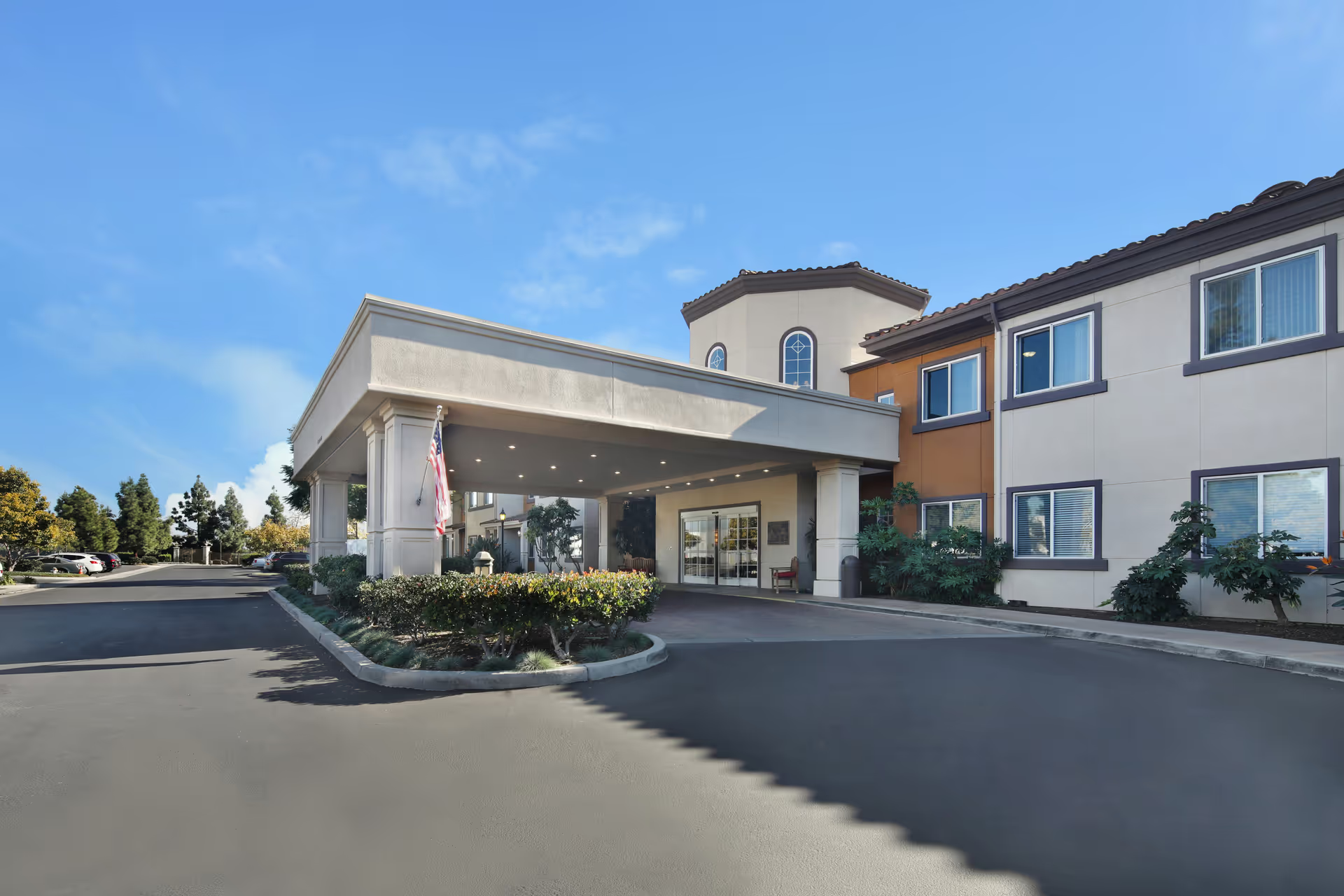
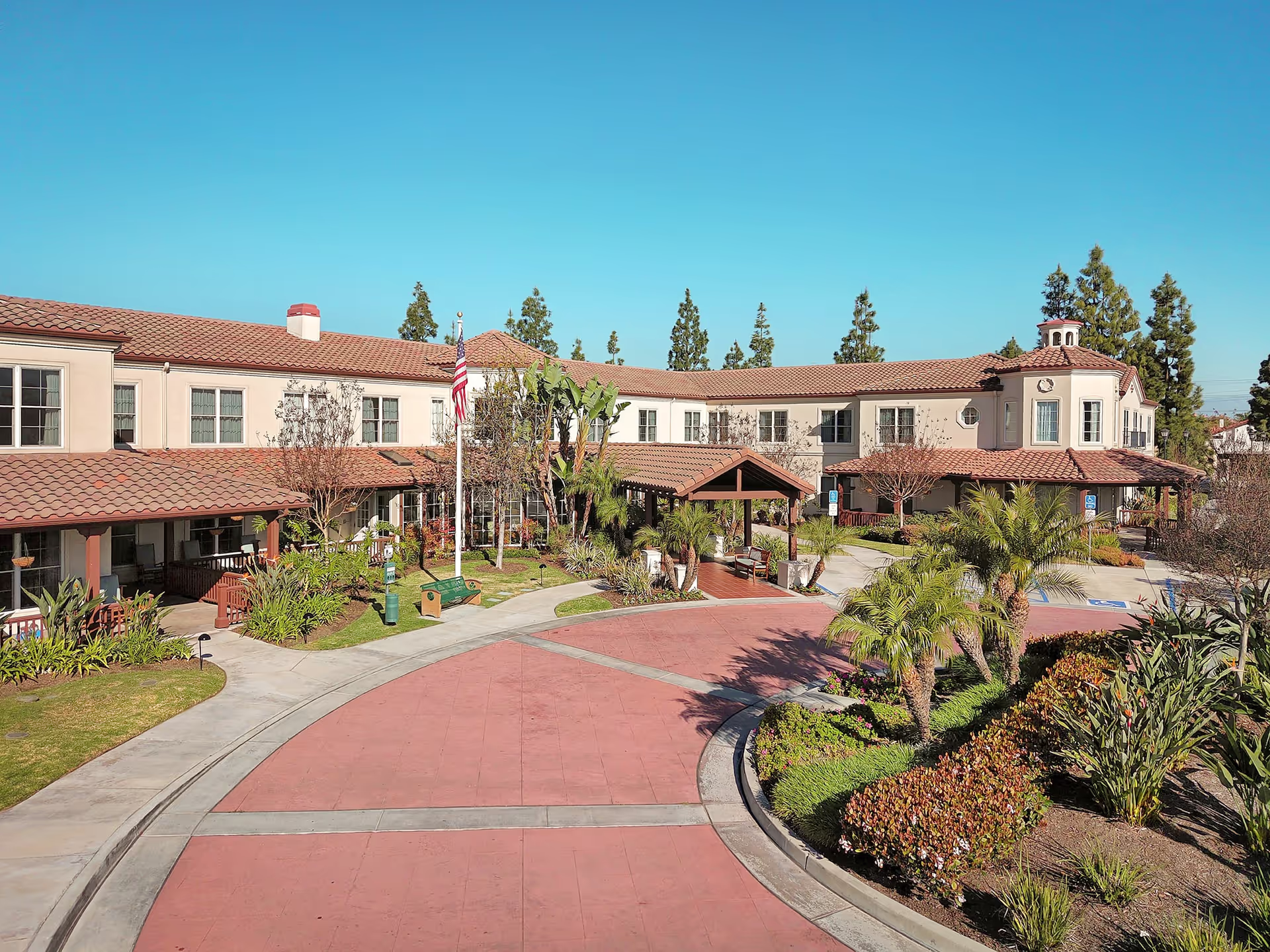
Facility condition and maintenance show a split picture. Several reviewers describe an attractive, clean, and organized environment with ongoing renovations that improve the resident experience. Conversely, other accounts raise concerns about pest control, moisture or water-related maintenance issues, and structural hazards in particular areas. These maintenance and sanitation inconsistencies contribute directly to family worries about overall safety and comfort.
Management and communication also exhibit divergence. Positive feedback highlights clear family communication, helpful administration, and visible improvement under new management. Negative feedback emphasizes gaps in incident response, slow family notification during clinical events, and at least one instance involving regulatory attention. There are also allegations concerning mishandling of personal property and concerns following a resident's death; these are serious items that warrant direct inquiry by prospective families.
Overall, the pattern suggests a facility capable of providing strong rehabilitation and compassionate care when staffing, supervision, and maintenance are functioning well, but with meaningful variability in performance. Prospective residents and families should schedule an in-person tour, ask for current staffing ratios (including night coverage), review recent inspection or regulatory records, clarify therapy schedules and contingency plans, and request specifics on sanitation, pest-control, and clinical-incident notification protocols before making a placement decision.