Overall impression: Reviews present a mixed but consistent pattern: many families praise the facility’s hands-on caregiving, therapy outcomes, and supportive ancillary staff, while operational and safety-related issues recur across accounts. Positive descriptions emphasize attentive CNAs, engaged therapists, helpful social workers and dietitians, and staff who provide individualized bedside care and successful rehabilitation leading to home discharge. The presence of language-concordant Korean staff is frequently noted as a strong fit for Korean-speaking residents and families.
Care and staff: Clinical and direct-care staff receive frequent positive remarks for compassion, patience, and individualized attention; CNAs and therapists are commonly identified as strengths. At the same time, reviewers describe inconsistent licensed-nursing presence (RN/LVN coverage) and variability in staff responsiveness to requests and alarm calls. These patterns suggest reliable day-to-day caregiving in many cases but occasional lapses in timely clinical attention and follow-through. Families also commented on both helpful, professional family communication from certain staff and moments of terse or guarded interaction when visitors or callers inquire; leadership visibility and consistent supervisory oversight are variable.
Dining and nutrition: The facility’s dining program and nutrition services are generally rated positively. Several accounts highlight a pleasant menu, accommodating meal service, and effective dietitian/nutritionist involvement to support appetite and recovery. Food quality and meal variety appear to be an area of strength linked to patient satisfaction and rehabilitation progress.
Activities and therapy: Activity staff and the activities program receive repeated praise for variety and engagement, contributing to a home-like environment. Therapy teams are described as kind, patient, and effective, and many families report good progress with occupational, physical, and speech therapy services.
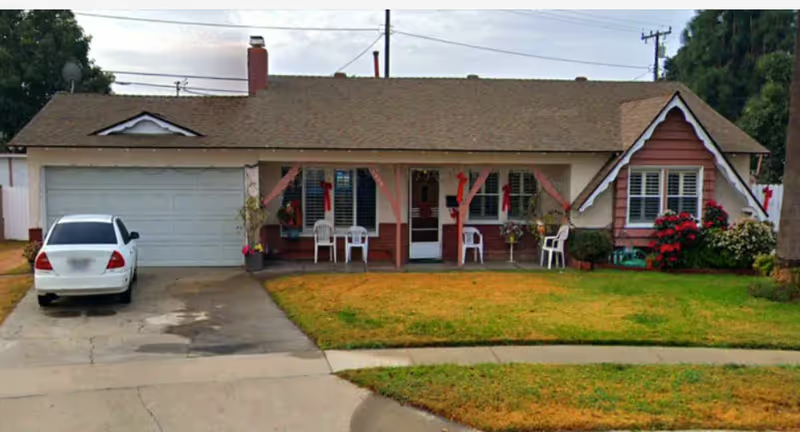
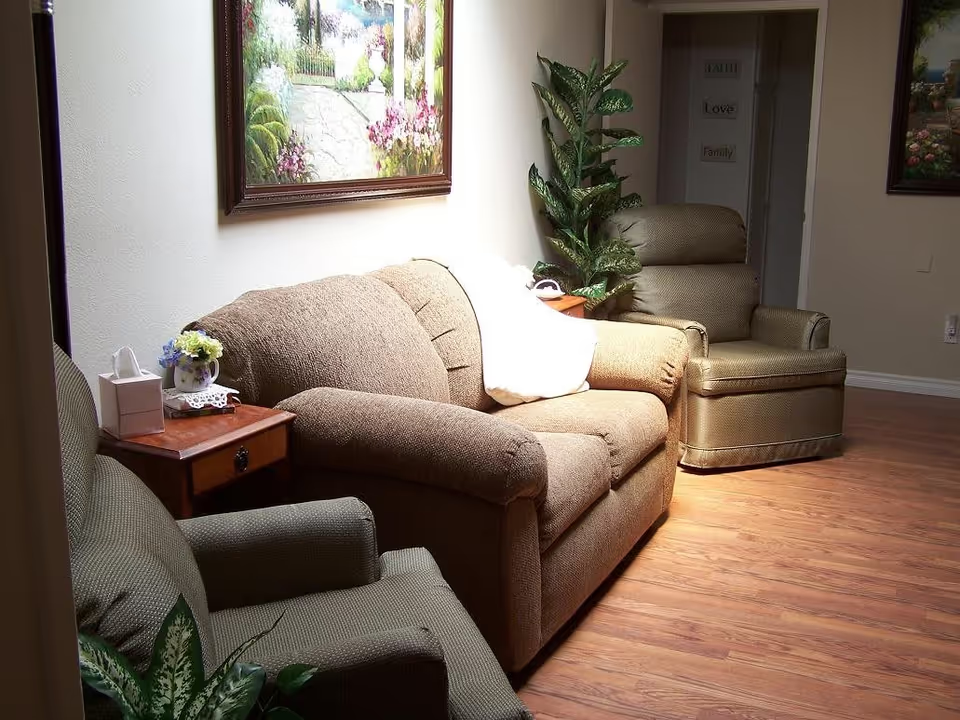
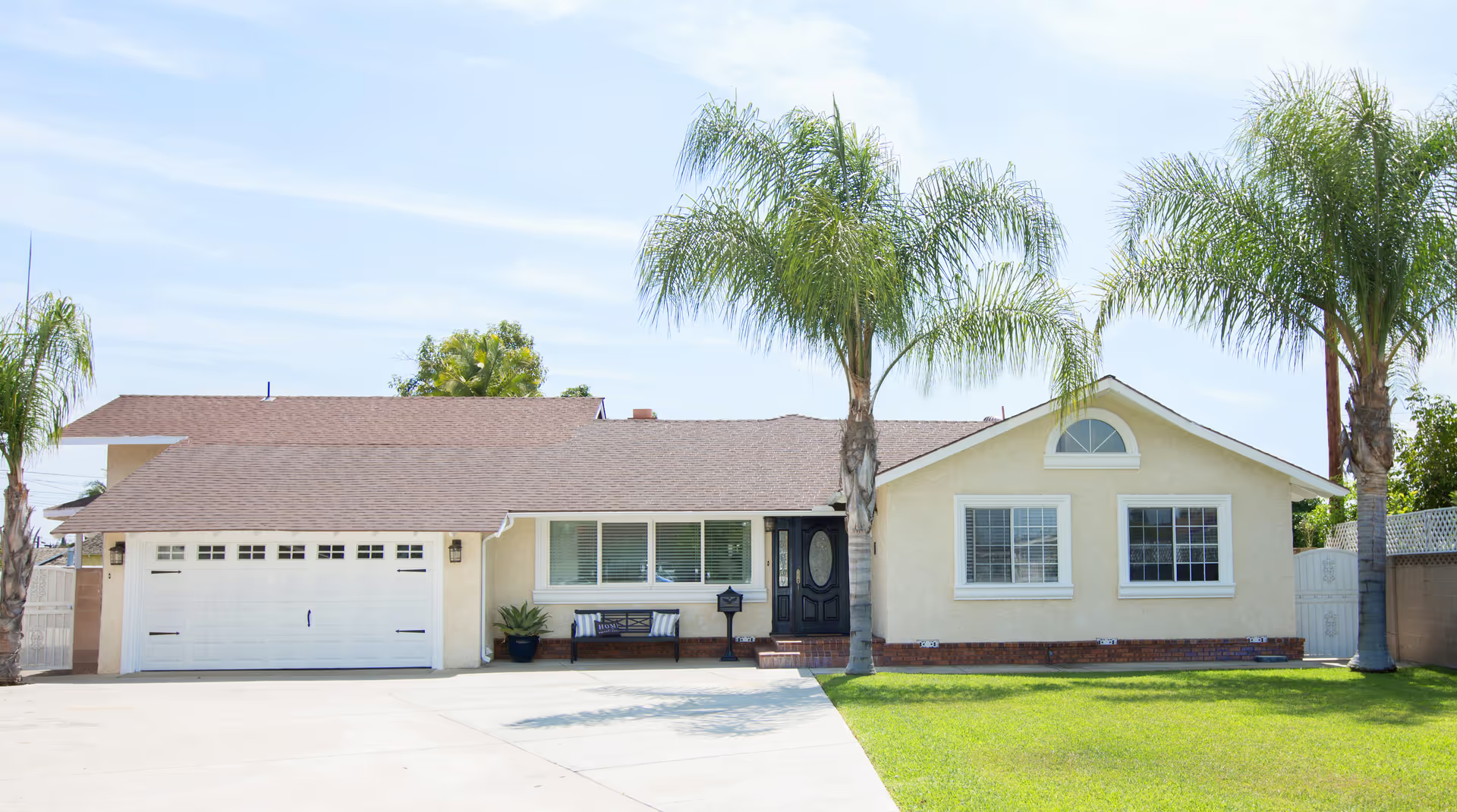
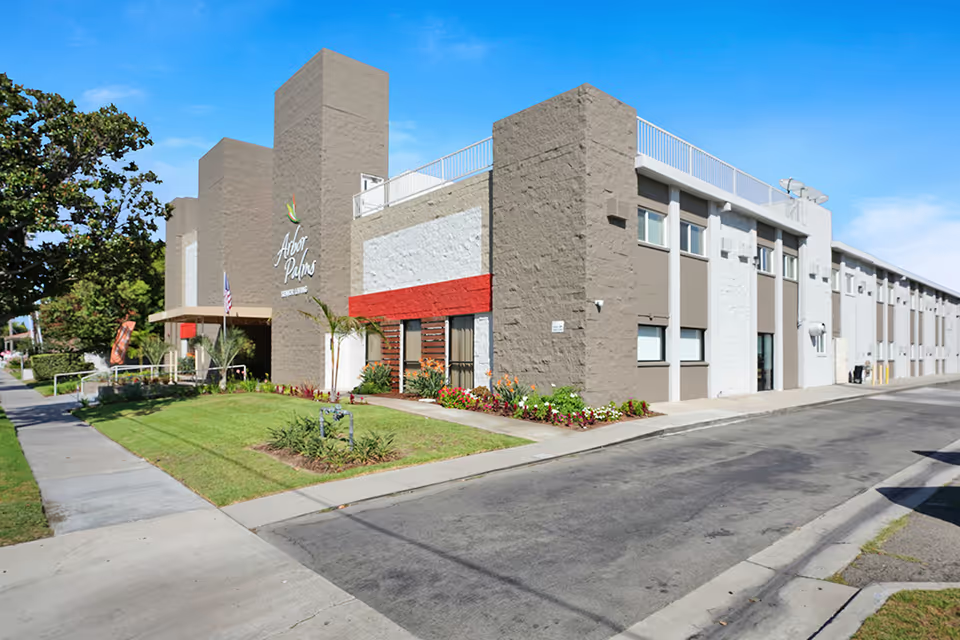
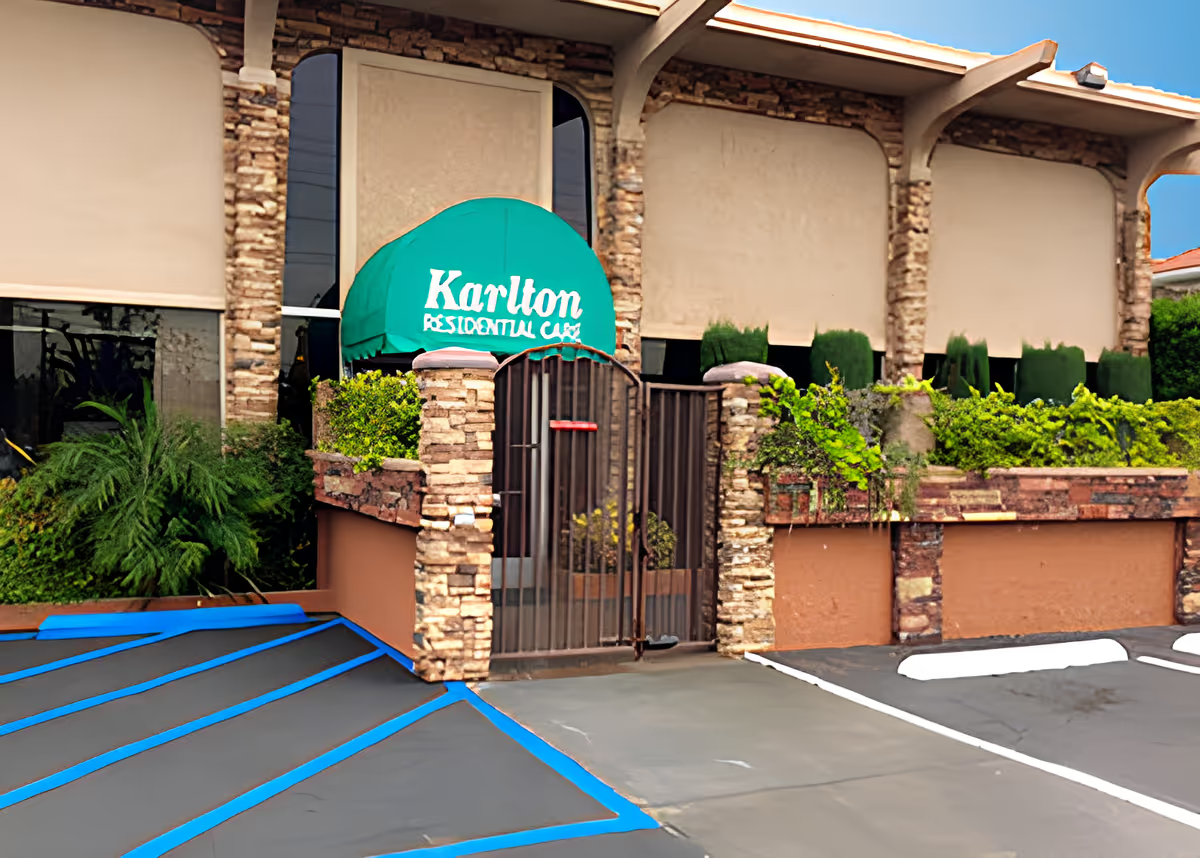
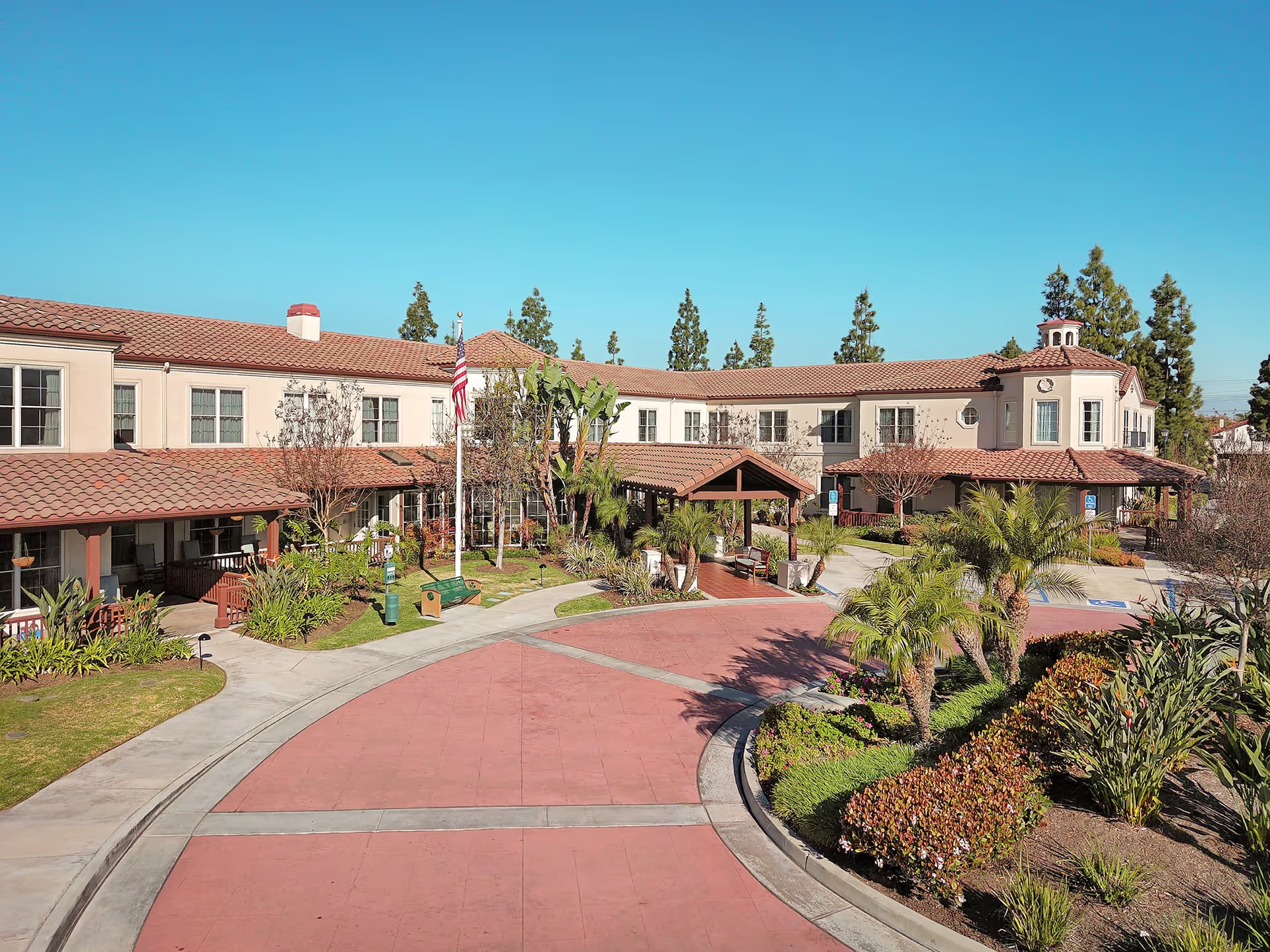
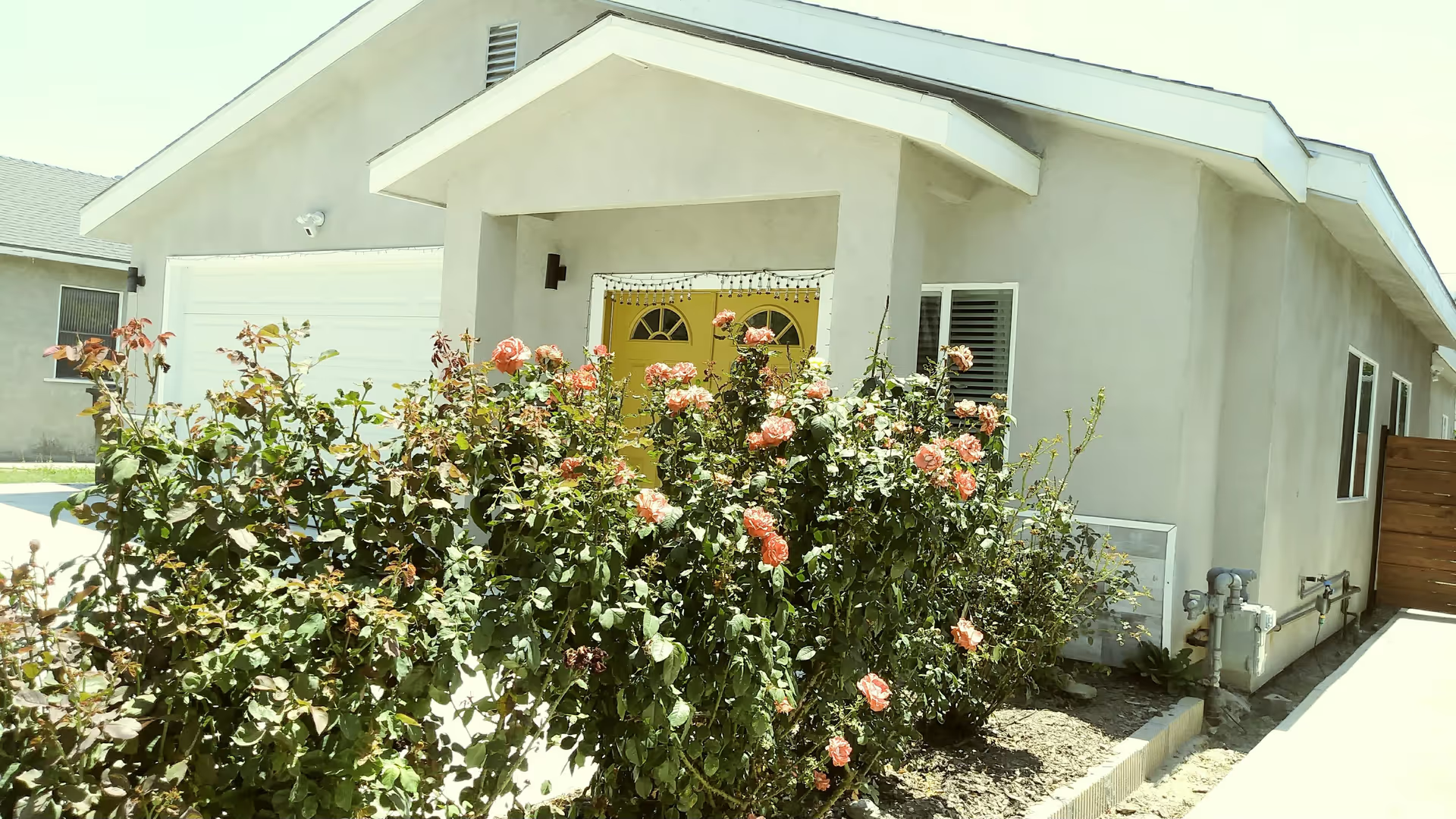
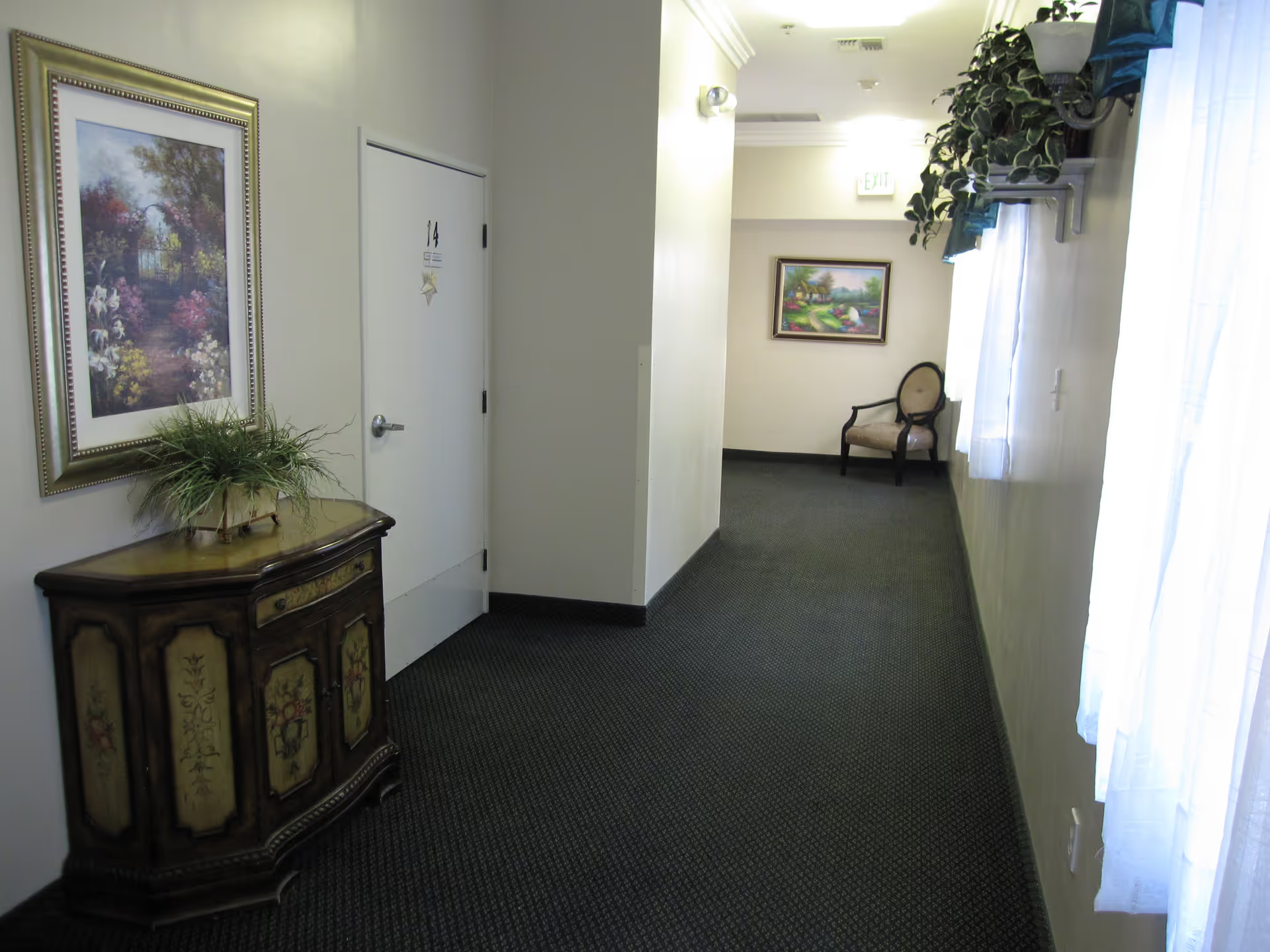
Facilities and maintenance: Descriptions of the physical environment are mixed. Some reviewers describe clean, attractive, and well-kept areas, even calling units spotless; others describe deferred maintenance, odor concerns in common areas, and dated elements of the building. Visitor parking limitations and inconsistent ventilation or room-air freshness were cited as practical inconveniences. These contrasting impressions indicate variability from unit to unit or across time.
Management, communication, and safety processes: Operational issues are a recurring theme. Key concerns include fragmented communication between departments, inconsistent completion of simple requests, unreliable telephone responsiveness, and an uneven staffing mix relative to clinical needs (for example, limited respiratory support or licensed-nurse hours). More seriously, several reviewers indicated gaps in monitoring and alarm-response processes. While many staff members maintain professionalism under pressure, these procedural weaknesses—along with variable leadership visibility—represent areas that could affect resident safety and family confidence.
Notable patterns and guidance for families: The reviews indicate a polarized experience: strong, compassionate direct care and effective rehabilitation coexist with facility-level operational gaps. Positive experiences often hinge on specific staff and therapy teams; negative experiences emphasize systemic issues such as staffing coverage, inter-departmental communication, and maintenance. Prospective residents and families may wish to confirm current nurse-to-resident ratios and alarm-monitoring procedures, ask about visitation policies and parking, and observe leadership visibility during a tour. Overall, the facility demonstrates clear caregiving strengths but would benefit from more consistent clinical coverage, improved communications, and prioritized facility maintenance to address the operational concerns raised by families.