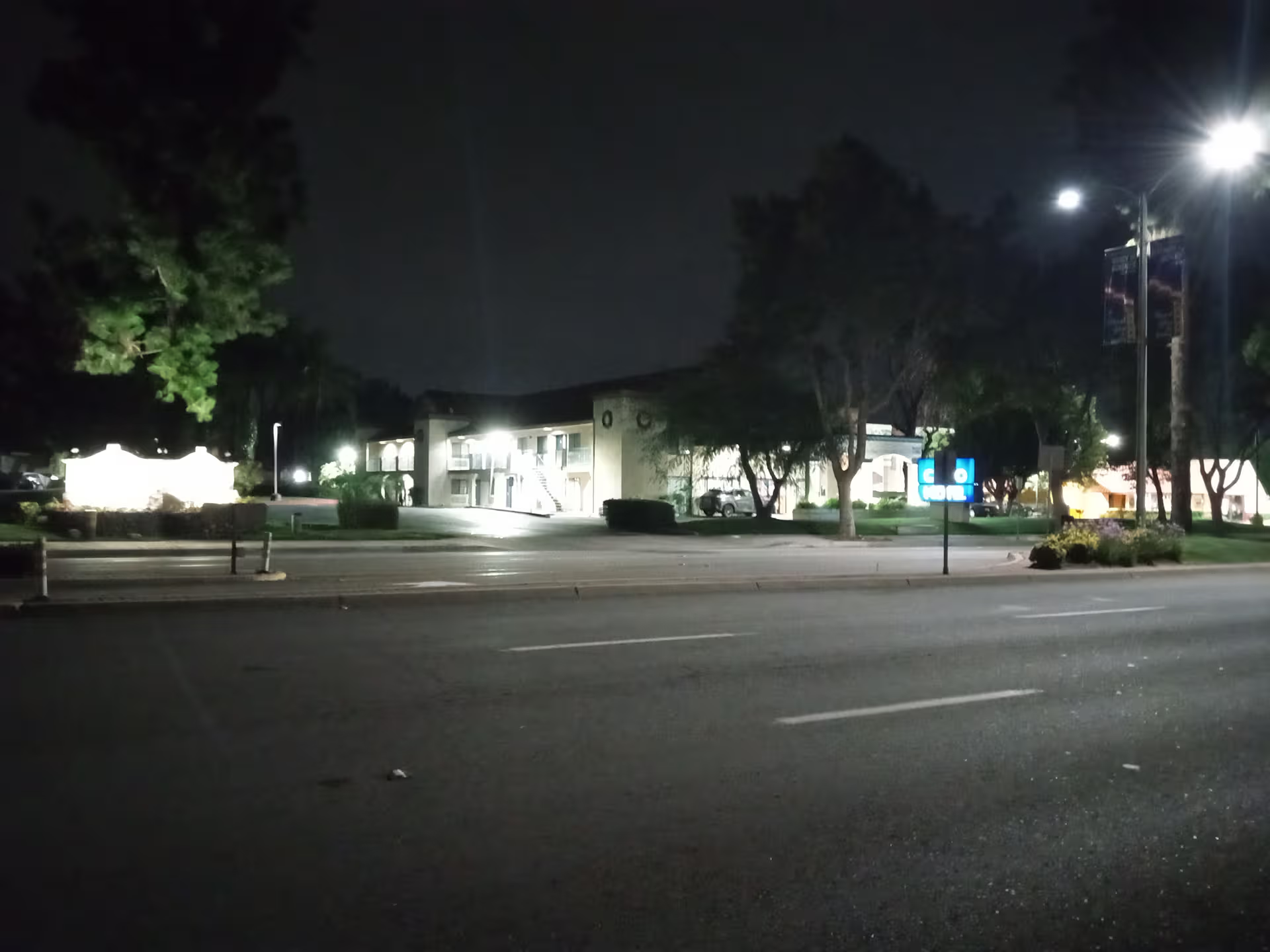
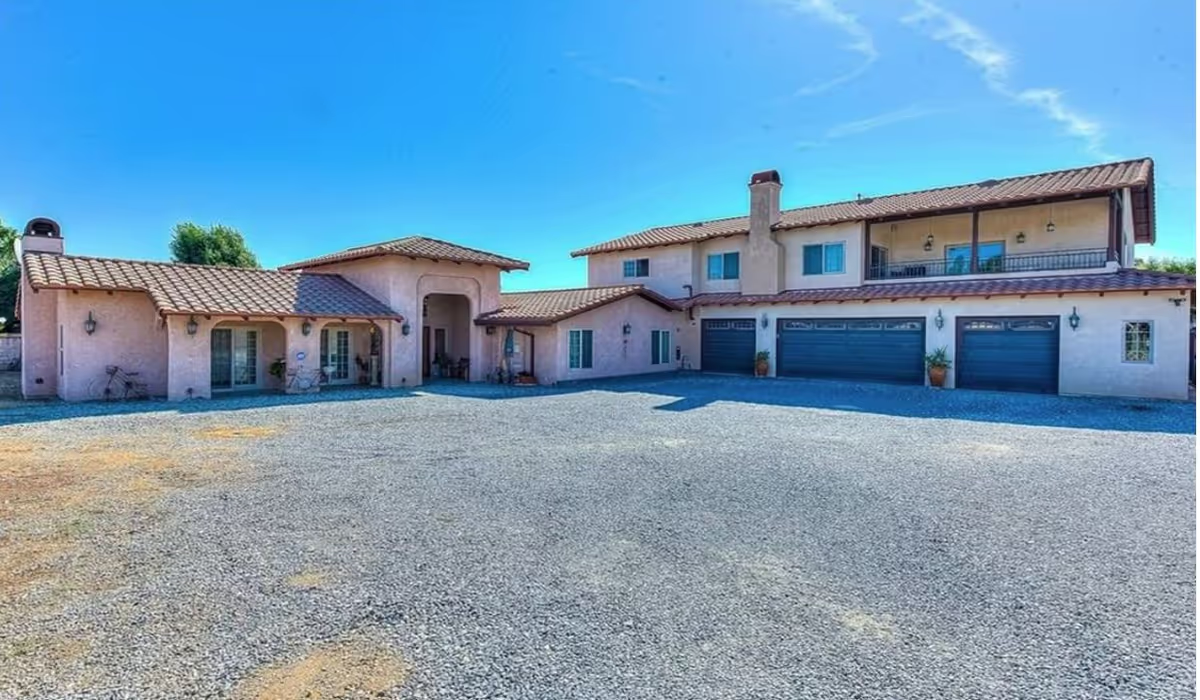
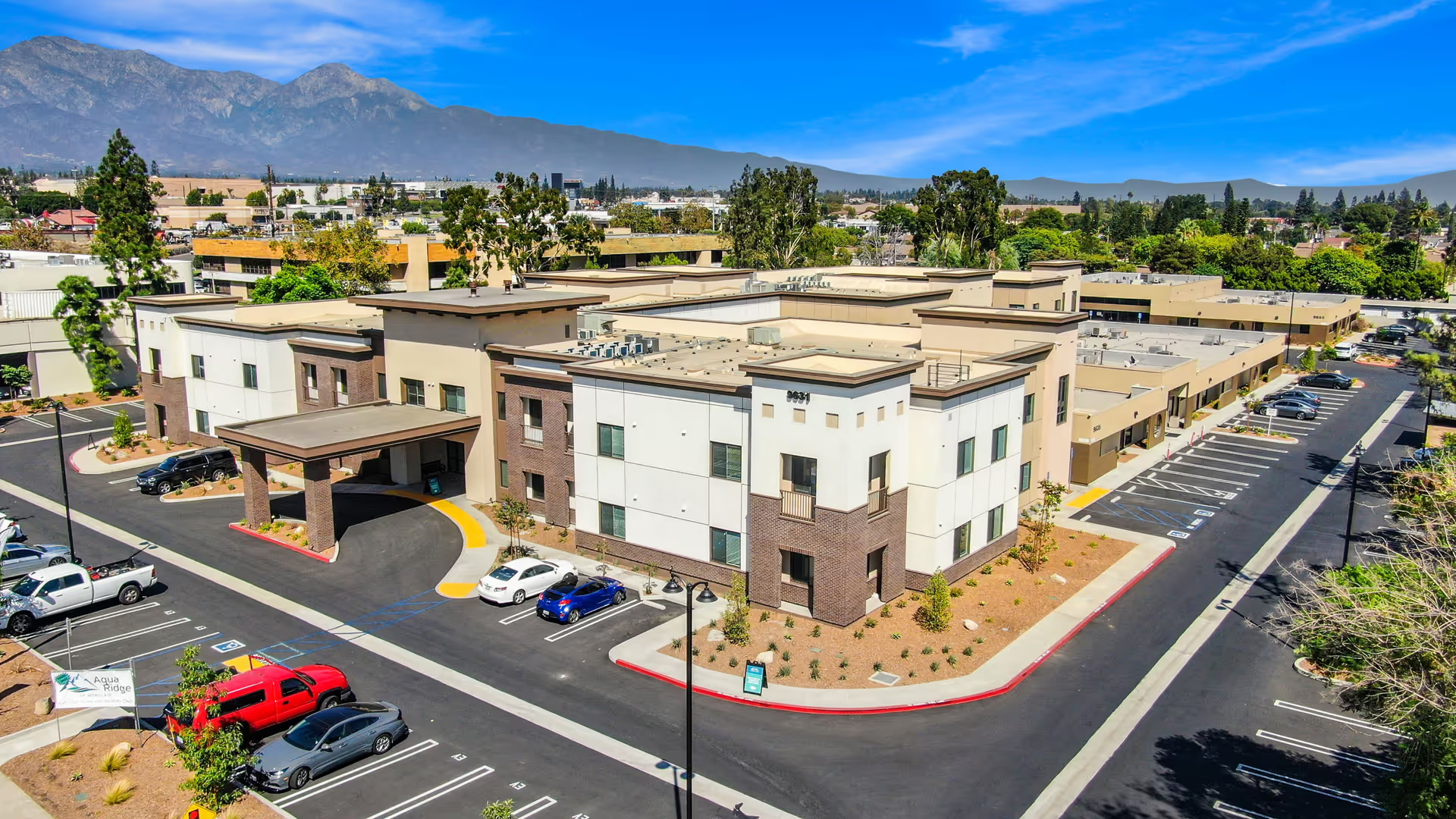
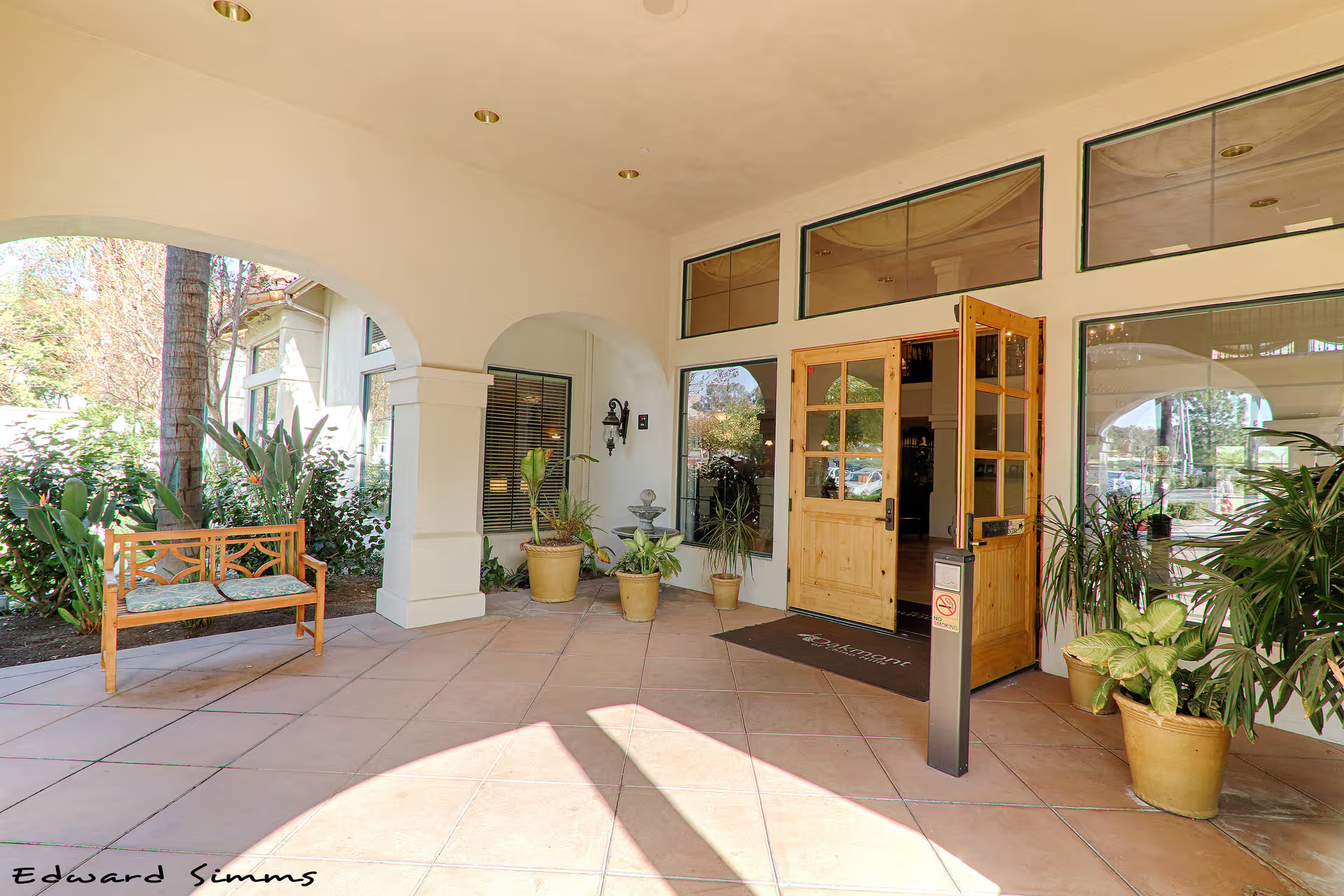
Trellis Chino presents as a modern, well-kept skilled nursing facility with many features families value: private rooms with ensuite bathrooms, a hotel-like atmosphere, and visible attention to cleanliness and maintenance. The therapy department, including physical and occupational therapy, and wound care services receive frequent positive mention; several families described successful rehabilitation outcomes and professional, motivating therapists. Nursing and direct-care staff are often characterized as compassionate and attentive, and some reviewers noted strong coordination among nursing, social services, culinary, and housekeeping teams.
At the same time, a recurrent cluster of operational concerns appears across reviews. Medication-management processes and inventory control are a consistent area of weakness: reviewers described incorrect dosing, misplaced medications, and administrative follow-up failures. Many families also perceived limited physician accessibility and uneven clinical oversight, which compounded concerns when residents presented with higher-acuity medical needs. These factors together suggest the facility may not consistently be equipped to manage complex post-acute medical cases.
Staffing and communication are additional mixed areas. While individual nurses, therapists, and front-desk personnel were frequently praised, reviewers also described periods of understaffing, frequent staff changes, long call-response times, and inconsistent case-manager responsiveness. Family communication and care coordination show variability: some families received regular updates and felt involved in planning, while others reported missed appointments, delayed diagnostic scheduling, unreturned administrative calls, and problematic discharge timing. There are also reports of variability in staff conduct and communication tone; there were isolated, serious claims including an alleged discriminatory comment and confrontational interactions that families raised with oversight bodies.
Dining and nutrition receive mixed feedback. The facility offers customizable meal choices and some reviewers praised meal quality and presentation; however, several comments identified bland or dry meal preparation and, importantly, shortcomings in tailoring meals to chronic-condition needs (notably diabetes). Prospective residents with strict dietary requirements should clarify diabetic and therapeutic menu options in advance.
Facilities and amenities are consistently viewed as strengths: the physical plant, therapy spaces, and room layouts support rest and rehabilitation. Activities were not a predominant theme in the reviews provided; the strongest nonclinical highlight remains the rehabilitation program and its contribution to functional recovery.
For families considering Trellis Chino, the pattern in these reviews suggests a bifurcated experience: many residents benefit from clean surroundings, attentive bedside care, and effective therapy, while others encounter operational lapses—particularly around medication administration, physician access, staffing consistency, and family communication. Recommended due diligence includes asking prospective admissions about current staffing ratios and turnover, medication-safety protocols, physician coverage/rounding frequency, diabetes and therapeutic meal accommodations, visitation policies, and care-coordination procedures (including how diagnostic tests and PT schedules are managed). These inquiries can help align expectations with the facility’s capacities and risk profile for medically complex residents.