Overall impression: Manorcare Health Services Citrus Heights presents a mixed but distinct pattern: it demonstrates clear strengths as a rehabilitation-focused provider while showing variability in long‑term skilled nursing operations and administrative processes. Many accounts describe effective, well‑equipped therapy services and measurable recovery outcomes, but other accounts raise operational and clinical concerns that families should evaluate before placement.
Care and clinical oversight: The facility's physical and occupational therapy programs receive frequent praise for clinical skill, well‑equipped treatment areas, and positive functional outcomes, including successful post‑stroke rehabilitation. Nursing and CNA care is described variably: numerous caregivers are characterized as compassionate and attentive, yet there are recurring descriptions of inconsistent responsiveness, missed or delayed medication administration, and lapses in timely clinical escalation. There is at least one allegation of medication given contrary to physician orders and multiple descriptions of delayed physician response in urgent situations; these highlight gaps in escalation pathways and physician availability that families should investigate further.
Staffing and conduct: Staffing levels and shift coverage emerge as recurring operational issues. Reviewers describe periods of short‑handed shifts, delayed assistance to call buttons, and uneven staff communication tone. At the same time, specific staff members and leadership are praised for professionalism and supportive management, indicating variability across teams and shifts rather than uniform performance. This pattern suggests that quality may depend on unit assignments and particular staff on duty.
Dining and nutrition: Dining receives mixed comments. Some families note pleasant dining spaces, favorable meals, and helpful dietitian involvement; others describe bland food and concerns about diabetes‑specific nutrition knowledge and meal accommodations. Those with diabetes or specialized dietary needs should confirm nutrition management protocols and dietitian engagement prior to placement.
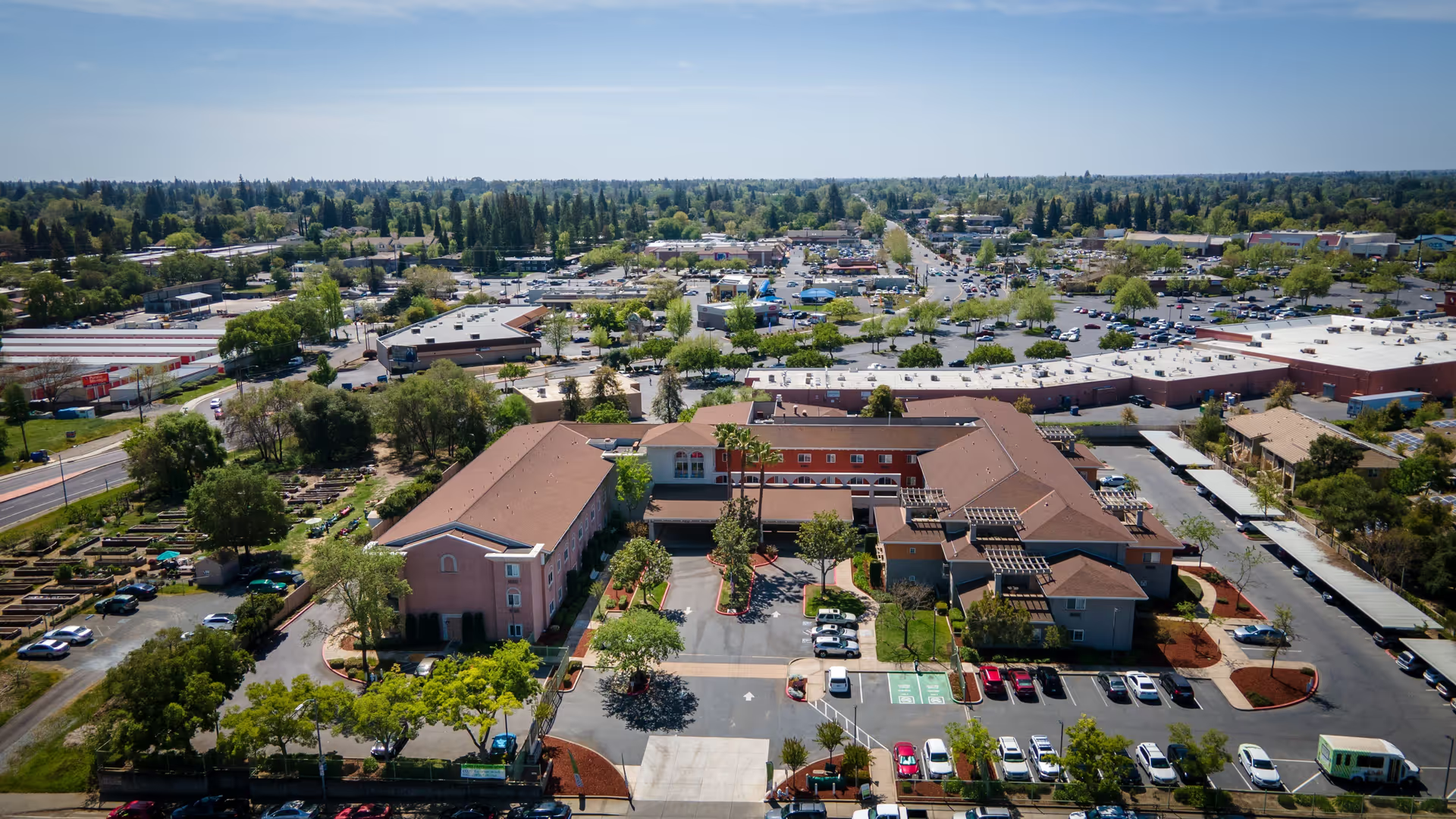
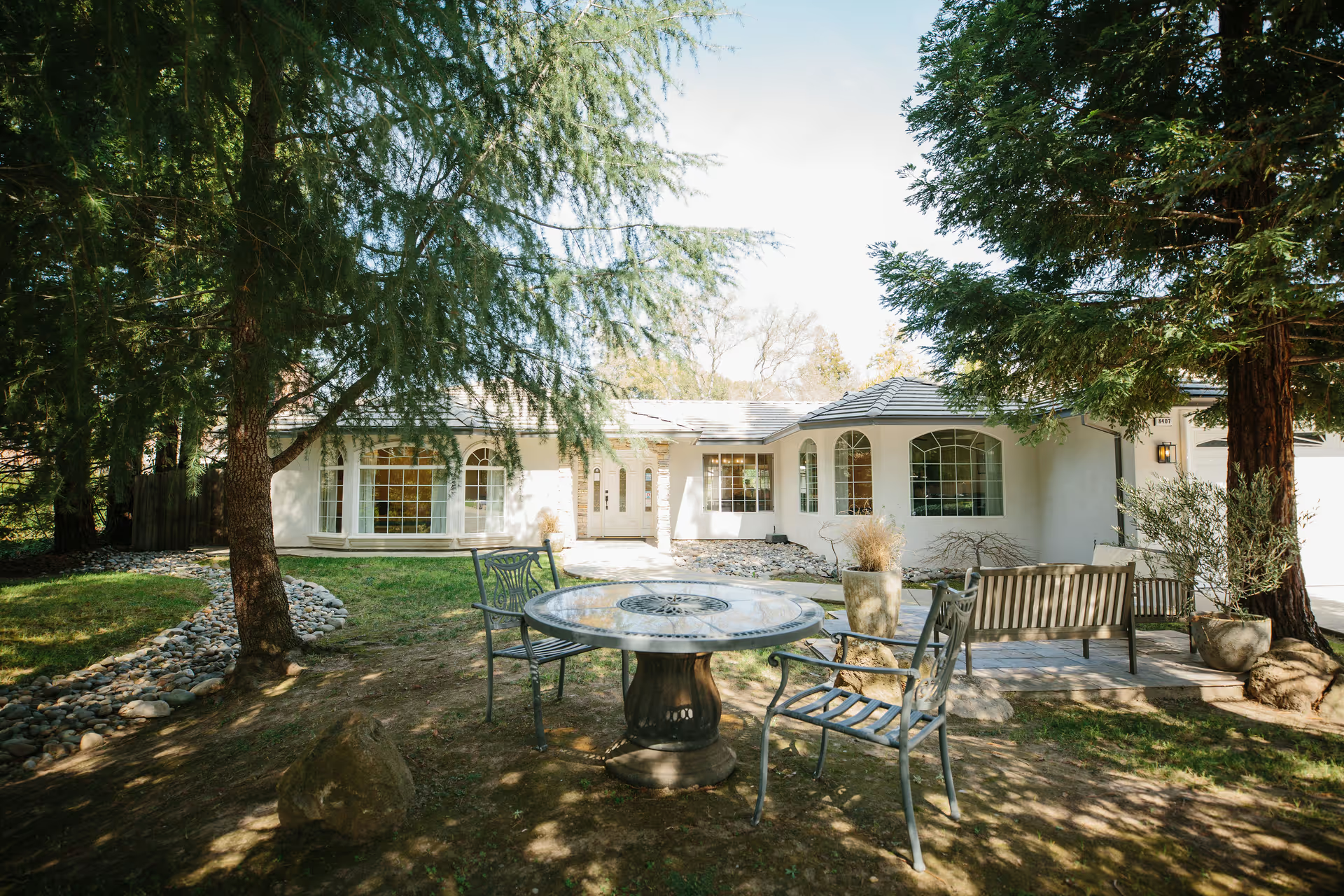
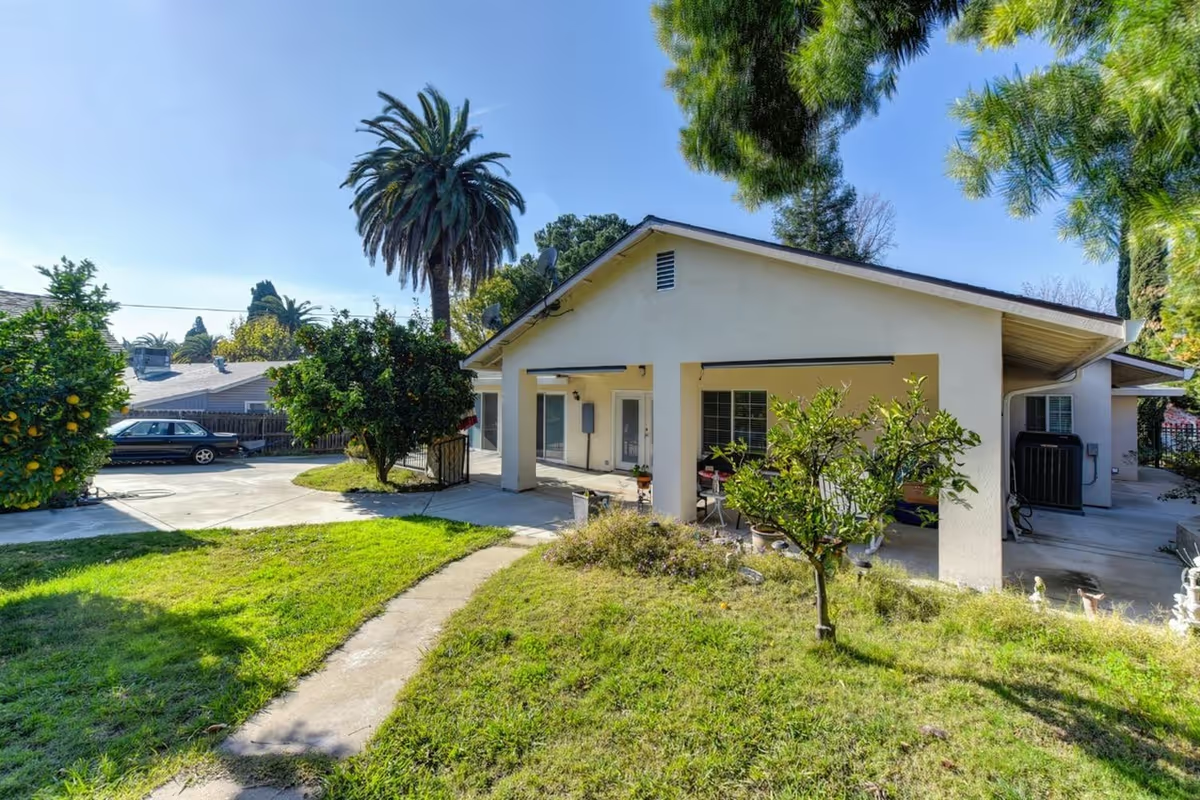
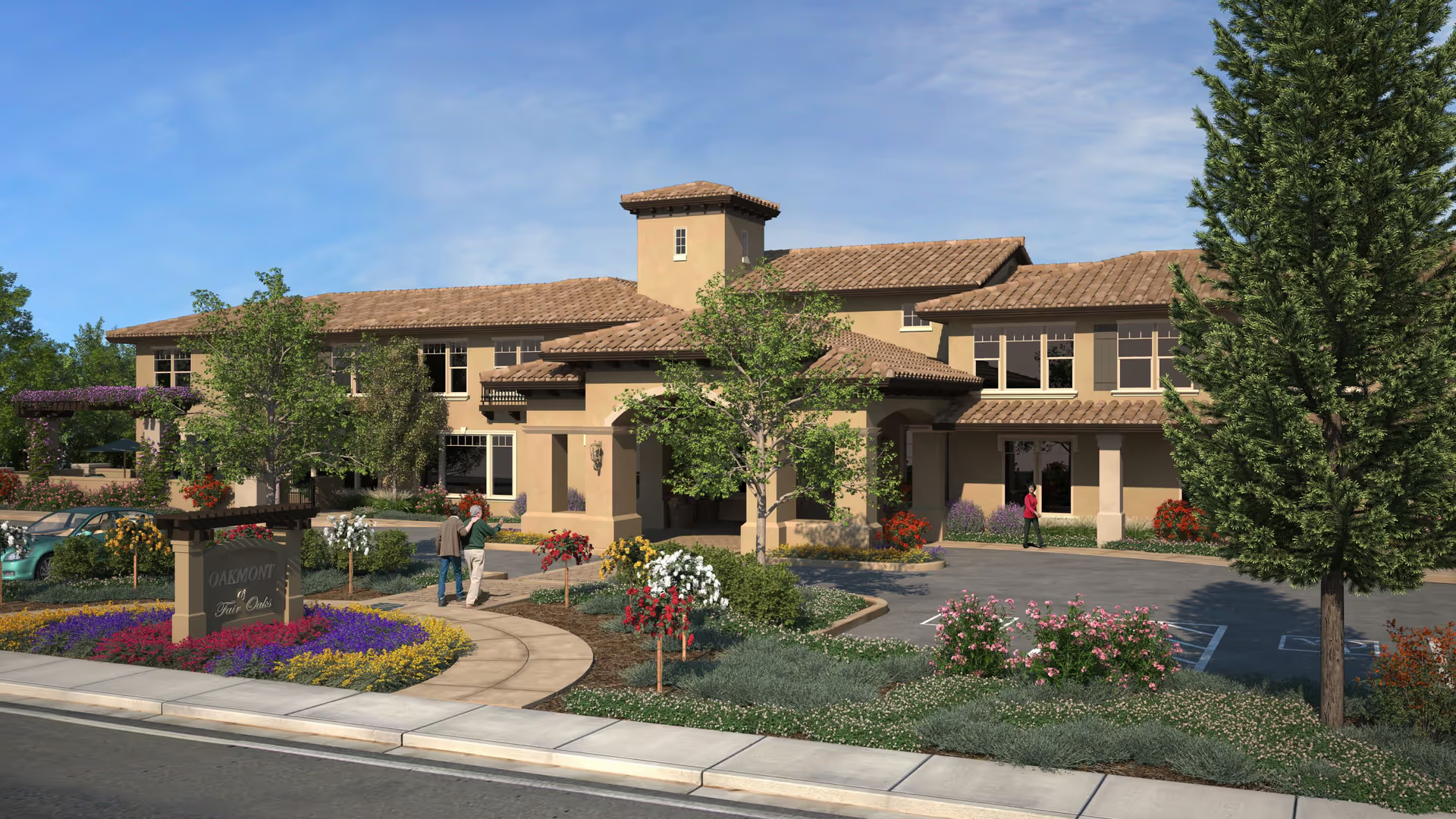
Activities and environment: The facility has multiple positive environmental features: family‑friendly common areas, outdoor patio, an upstairs lounge, a cyber café, and structured activities (movies, karaoke, bingo, outings). These offerings contribute to social engagement and appear to be a notable strength for residents who benefit from active programming.
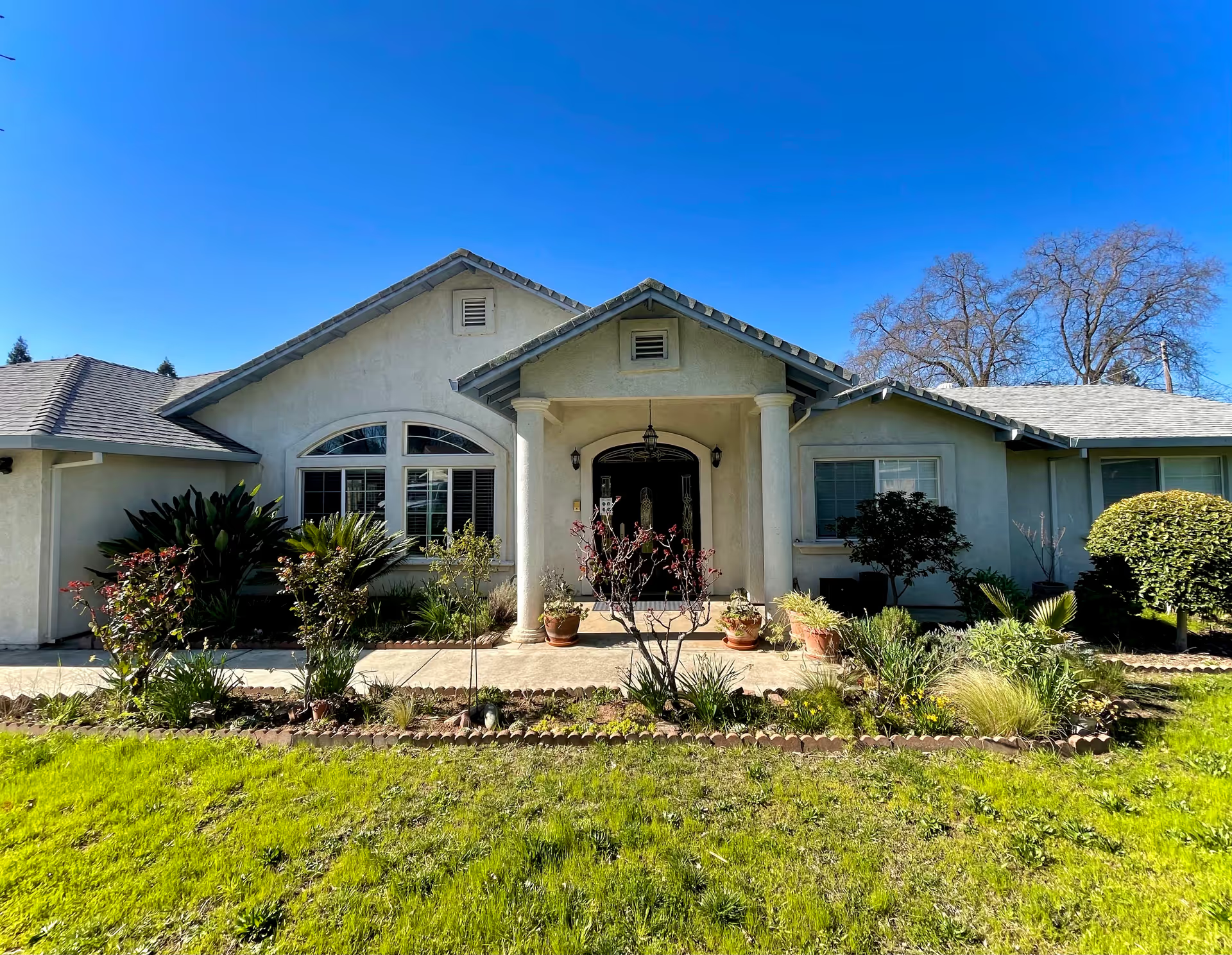
Facilities and cleanliness: Many reviewers describe clean, spacious rooms and well‑maintained common spaces, and the facility offers quarantine‑capable rooms and memory‑care security. However, there are intermittent sanitation and odor concerns reported in particular areas, along with isolated reports of bedding or incontinence‑care lapses. Prospective families should tour rooms and inquire about housekeeping schedules and incontinence‑care protocols.
Management, billing, and coordination: Administrative experiences are inconsistent. Positive accounts cite efficient admissions, supportive management, and smooth transitions. Negative accounts describe unexpected billing or copay communication, refund disputes, and problems coordinating discharges (missing equipment or backordered supplies). These financial and discharge‑coordination issues can materially affect family experience and should be clarified in writing before admission.
Safety and equipment: Specific safety gaps are described at the operational level: inconsistent use of bed/wheelchair alarms, delays in responding to urgent drops in oxygen saturation, and equipment maintenance or supply reliability problems (for example, delayed delivery of assistive devices). Those safety items suggest verifying alarm policies, emergency escalation procedures, and equipment delivery timelines.
Notable pattern and recommendation: The predominant pattern is strong rehabilitation capability paired with variability in ongoing nursing reliability, communication, and administrative consistency. Families seeking short‑term rehab with active therapy may find the facility well suited; those seeking long‑term skilled nursing should confirm real‑time staffing ratios, medication-administration protocols, escalation processes, infection‑control practices, and billing practices. A focused in‑person tour, direct questions to nursing leadership, and written agreements about billing and discharge items are advisable to align expectations with the facility's variable performance profile.