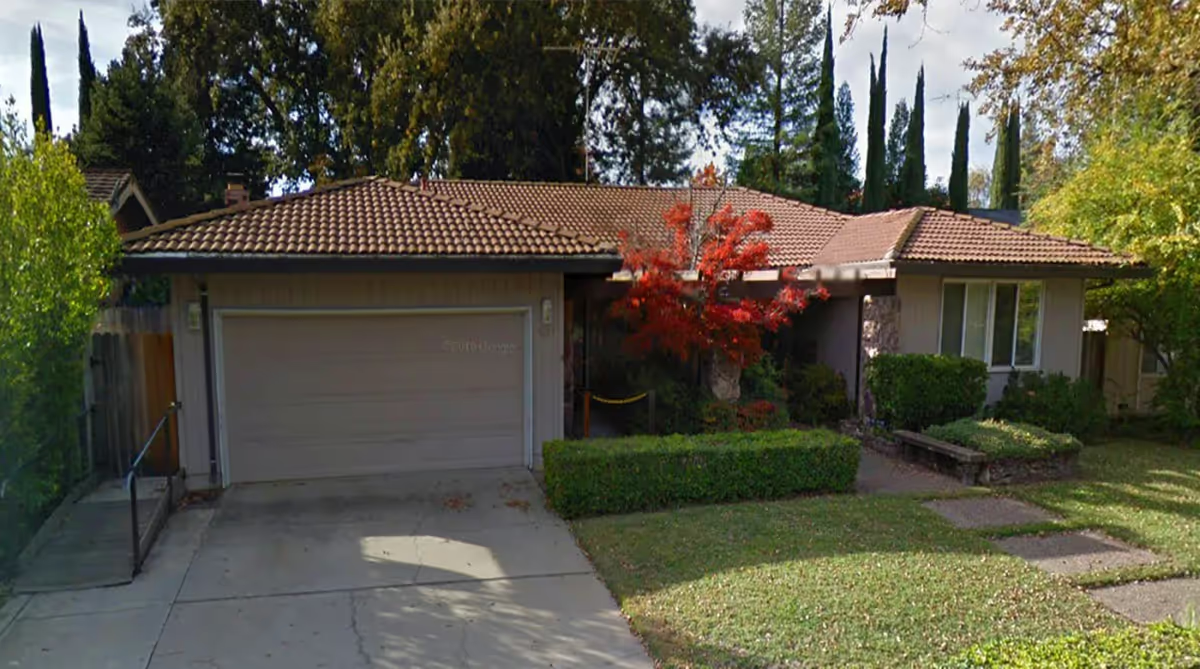
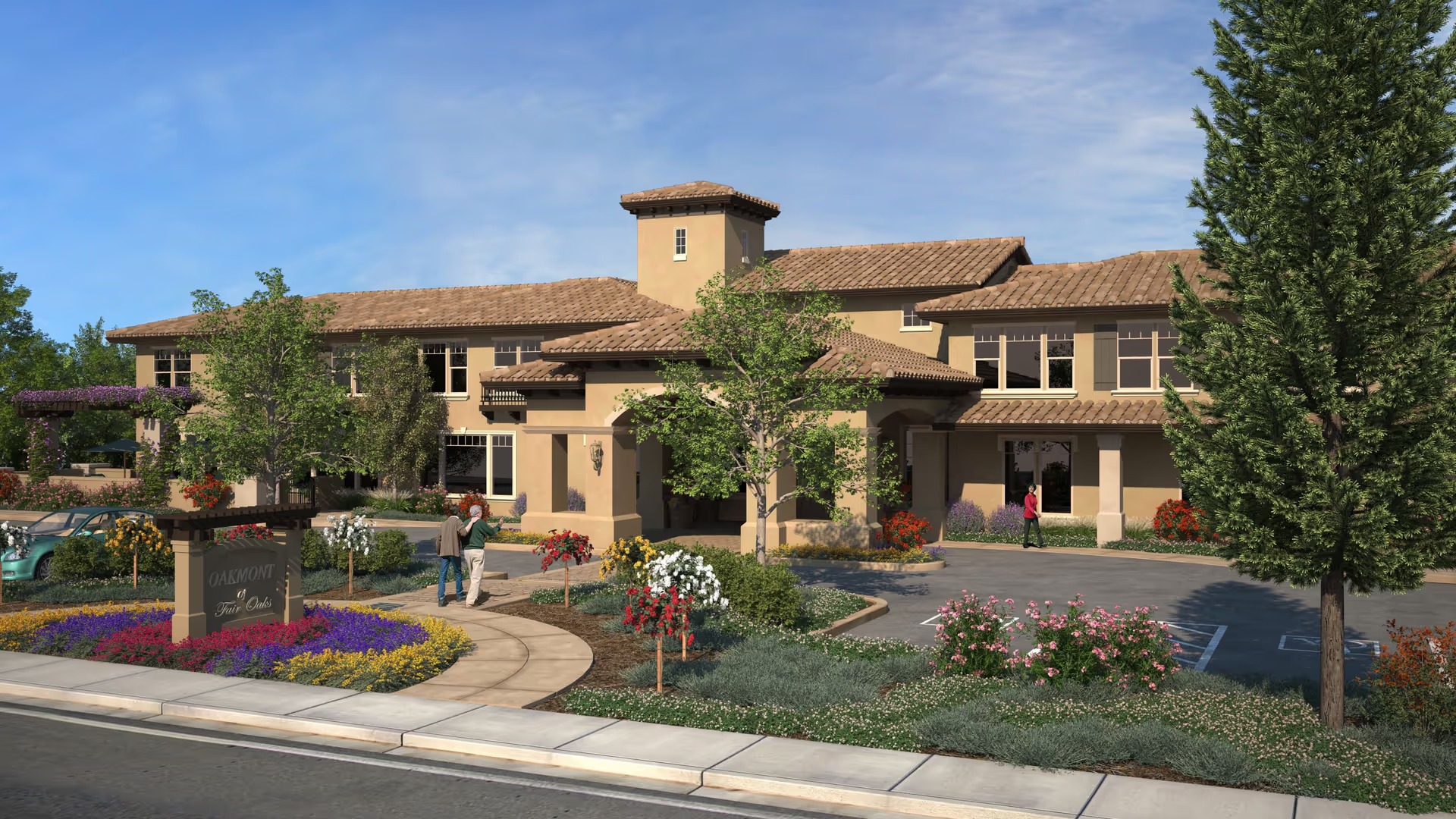
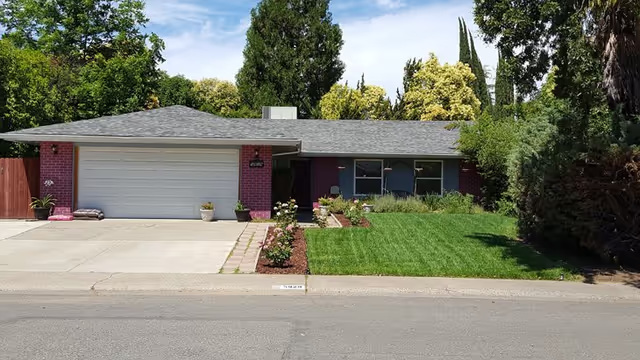
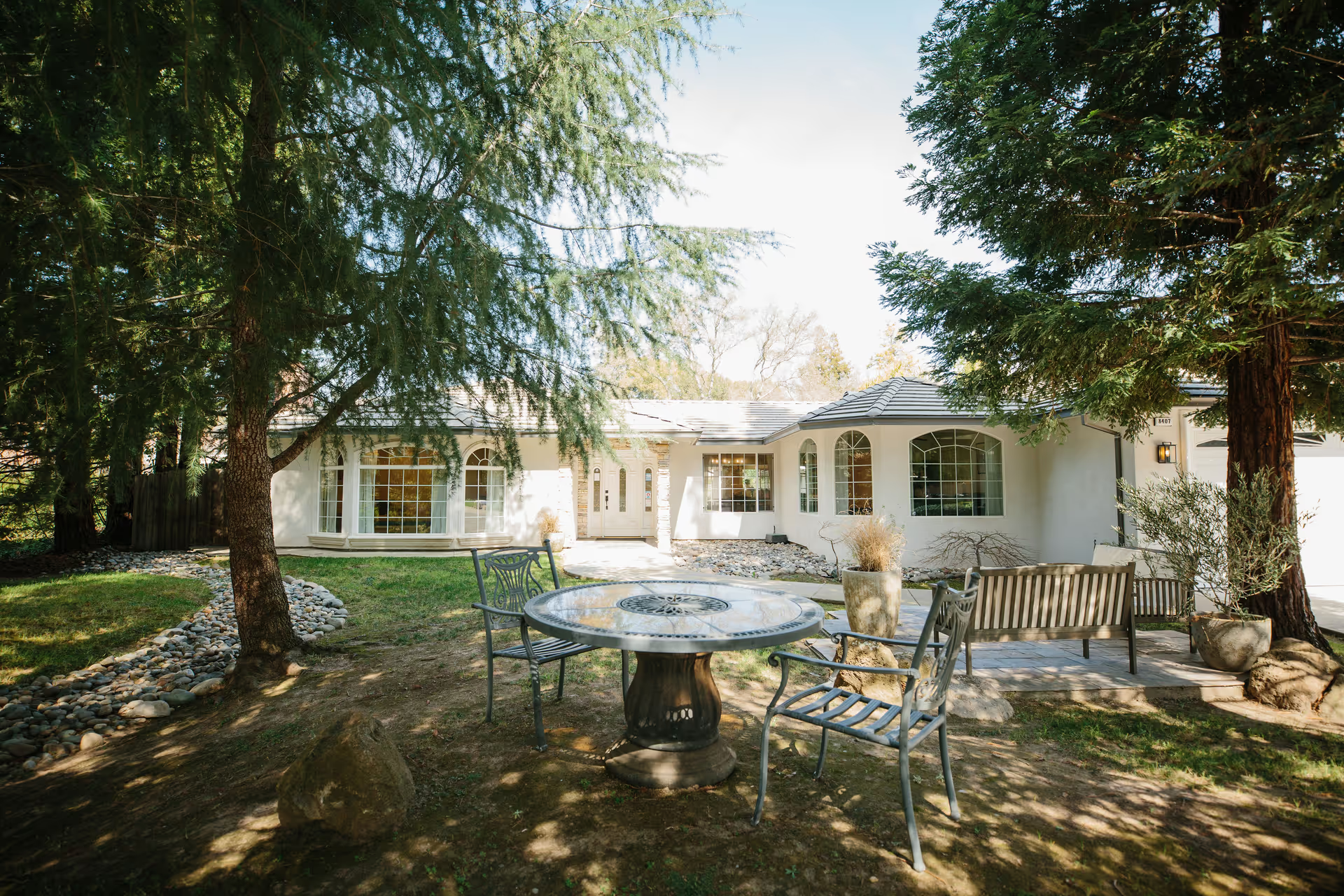
Overall impression: Eskaton Care Center Fair Oaks presents a mixed but instructive profile. Many families and patients describe a facility with strong rehabilitation services, an attractive and well-maintained physical environment, and a substantial contingent of caring, hands-on staff. At the same time, a set of operational weaknesses — principally in nursing consistency, medication controls, and clinical escalation — appears recurrent enough across reviews to warrant careful consideration by prospective residents and their families.
Care quality and clinical oversight: Rehabilitation services (PT/OT/ST) are a clear strength; reviewers consistently note timely starts to rehab, engaged therapists, and measurable functional improvements. However, nursing and clinical oversight appear inconsistent. Several reviews describe medication errors, missed clinical signs, delayed responses to acute issues, and lapses in adherence to post-surgical and wound-care protocols. These items point to gaps in medication-administration controls, escalation pathways to attending physicians, and standardized post-op/wound procedures rather than isolated single events.
Staffing, conduct, and communication: Staff behavior and competency are described unevenly. Many caregivers, therapists, and social-service personnel receive strong praise for compassion, responsiveness, and helpfulness; several individual employees were singled out positively. Conversely, other accounts describe delays in attending to residents, tone or conduct concerns, and variable training levels among attendants. Communication is often cited as effective when social services are involved, but clinical communication with physicians and timely family updates appears less consistent. Language barriers are also noted as an occasional impediment to clear care coordination.
Dining, housekeeping, and personal services: Dining receives generally favorable comments with several reviewers surprised by the quality and nutrition of meals, though a minority characterize the food as more institutional. Housekeeping and the appearance of common areas are frequently described as clean and pleasant, and the facility’s lobby and activity spaces are highlighted as attractive. That said, room-level sanitation and follow-through are inconsistent in some accounts, and laundry and personal-belongings handling have produced delays and errors for some families.
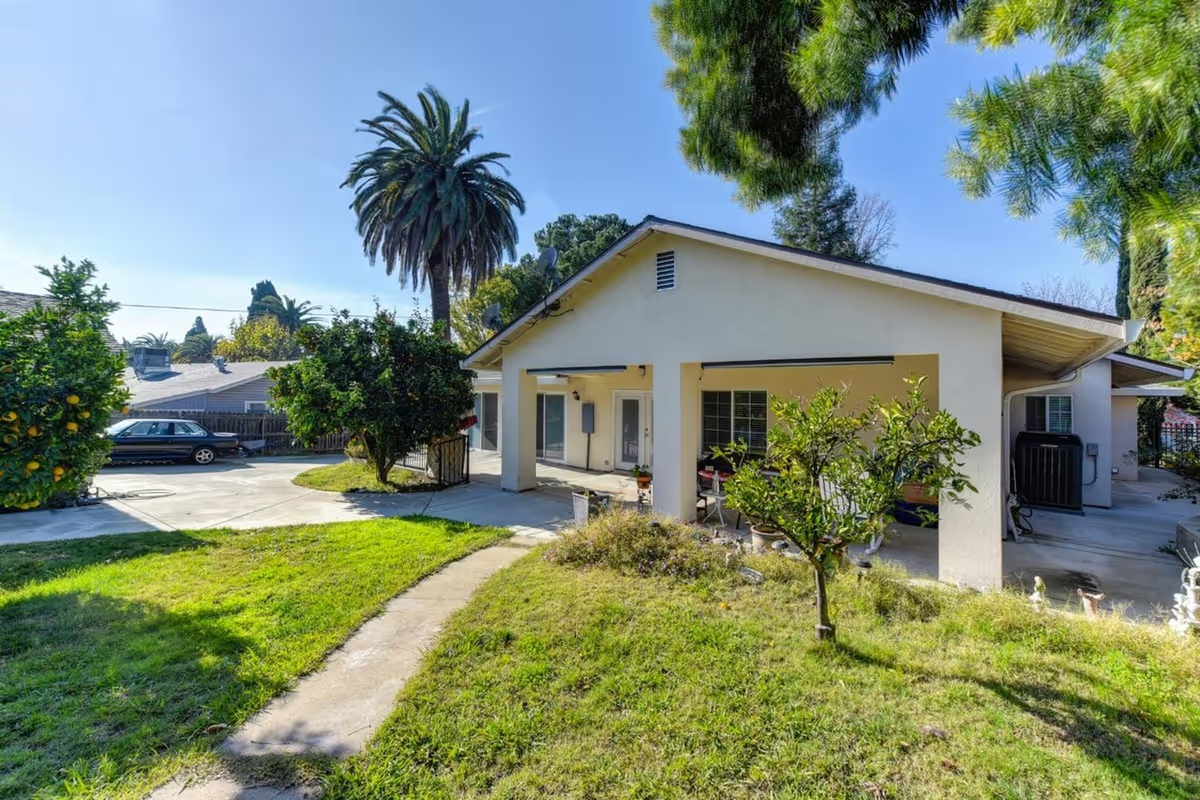
Activities and environment: The facility offers an active calendar and sizable activity spaces; many residents enjoy social programming, games, music, and engagement opportunities that contribute to a lively atmosphere. Some reviewers, particularly those whose family members have higher-acuity needs, found the activity options limited or less tailored to their situation. The campus and outdoor areas are secure and accessible and are cited as positive contributors to resident well-being.
Management and notable patterns: Management strengths include responsive admissions and social-service support in many cases, and the presence of engaged therapy leadership. Recurrent themes that suggest areas for managerial focus include strengthening nursing staffing consistency, tightening medication administration protocols, improving clinical escalation to physicians, standardizing post-surgical and wound-care procedures, and improving laundry/personal-belongings workflows. The pattern of highly positive experiences alongside serious clinical concerns suggests variability by unit and by individual staff cohort.
Practical takeaway: Prospective residents and families should weigh the facility’s robust rehabilitation capabilities, welcoming environment, and many dedicated staff against documented operational inconsistencies in nursing care, medication management, and clinical escalation. When touring or considering placement, families may wish to ask specific questions about nursing-to-resident ratios, medication-safety protocols, wound- and post-op procedures, laundry handling, and how the facility ensures consistent standards across units.