Overall impression: Reviews present a mixed but largely staff-centered picture. Many families and residents praised frontline caregivers, therapists, and administrative helpers for compassion, attentiveness, and strong rehabilitation outcomes. At the same time, reviewers described operational inconsistencies that affected day-to-day experience, especially around staffing visibility, personal-care schedules, and cleaning in certain periods or units.
Care and clinical services: The facility is consistently recognized for its rehabilitation services and therapy team, with multiple accounts of clear progress, daily feedback, and capable PT/OT staff. Nursing staff and CNAs are frequently described as kind, patient, and responsive; several notes highlight prompt clinical response to falls and effective coordination with home health after discharge. However, there are recurring concerns about gaps in continuity of care during specific episodes—examples include interrupted therapy services and periods when staff were not readily visible to residents—which suggest uneven staffing coverage or scheduling challenges.
Staff and communication: Administrative and front-desk personnel receive positive mention for helpfulness and navigation of care and discharge planning. Families report strong individual interactions with social workers and some managers. At the same time, reviewers indicate variability in staff empathy and communication tone; some accounts describe pressure to discharge and dissatisfaction with the tone of communication during stressful moments. These mixed impressions point to generally capable staff tempered by occasional lapses in consistent family communication and bedside engagement.
Dining and activities: Dining is generally viewed favorably, with references to good food and dietary options. Activity programming is described as engaging and upbeat—music and communal events were noted as contributing to resident wellbeing. These elements are cited as strengths in the facility’s recovery-focused environment.
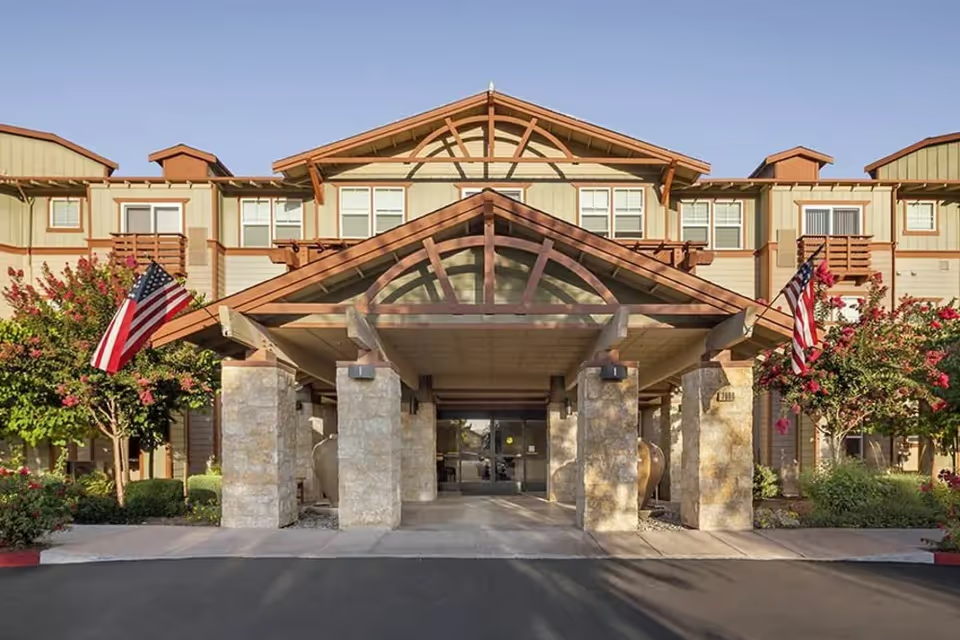
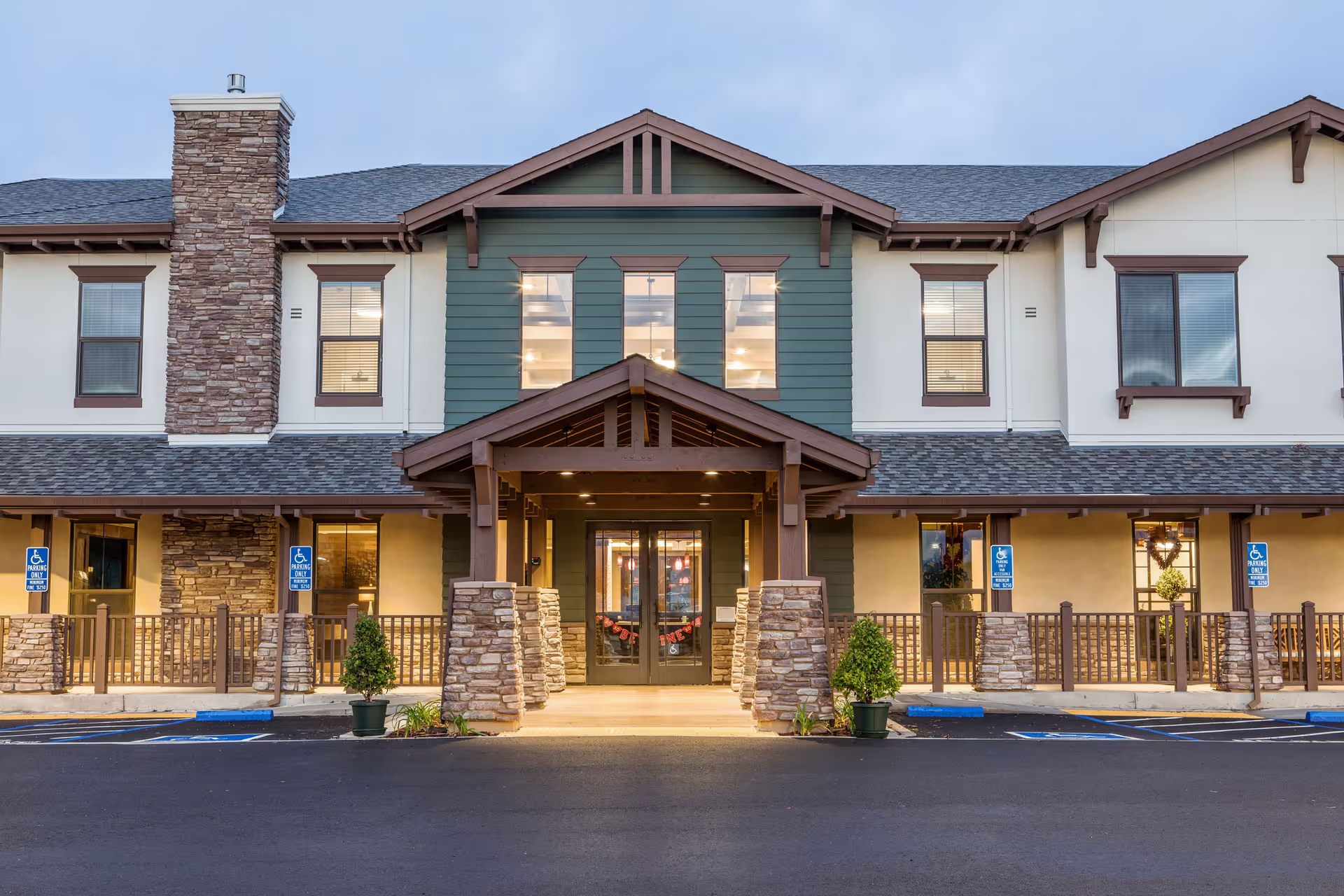
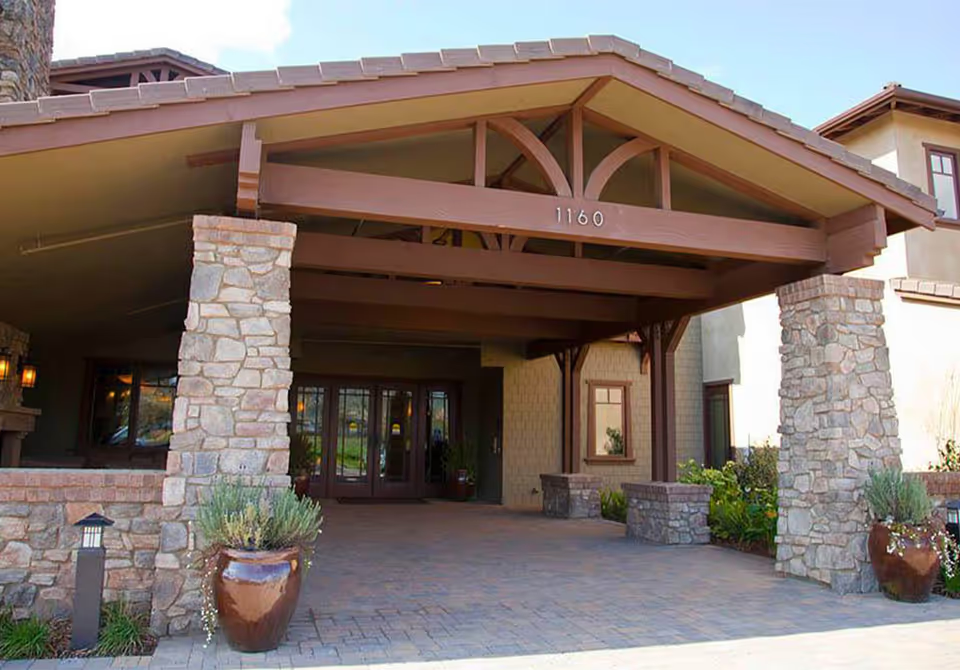
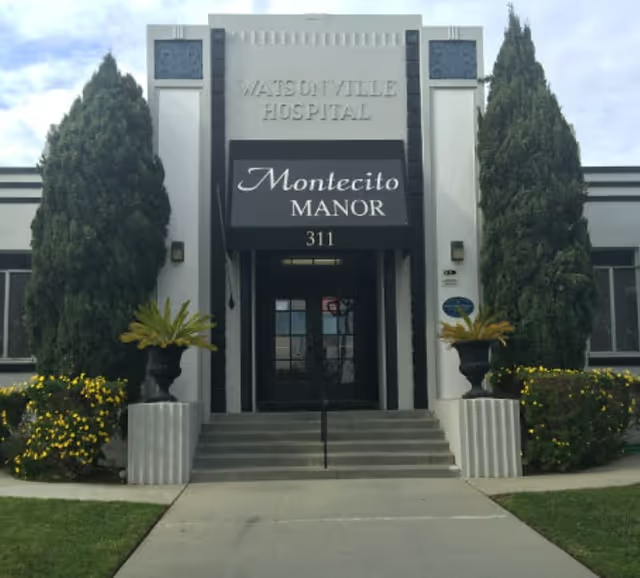
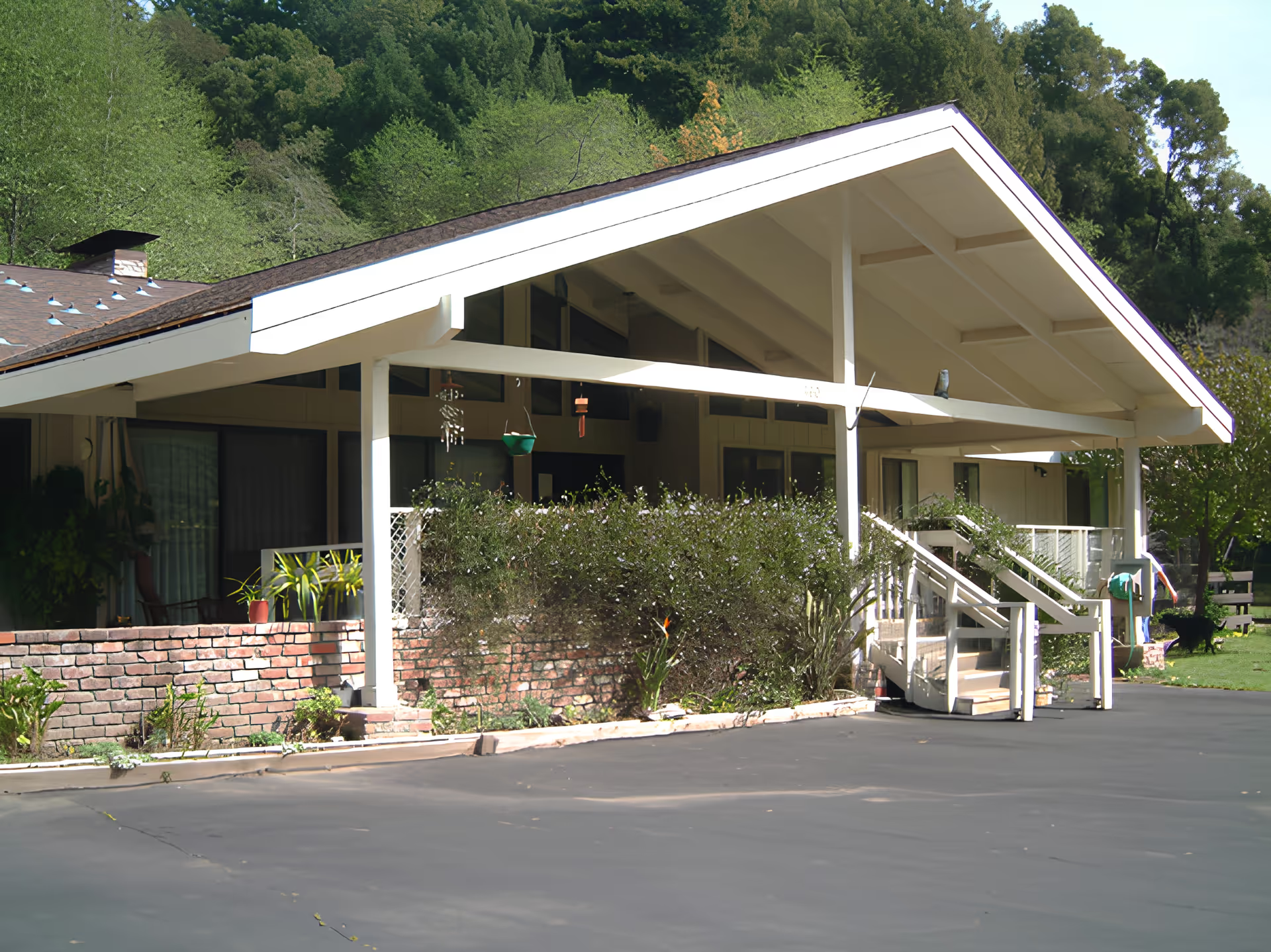
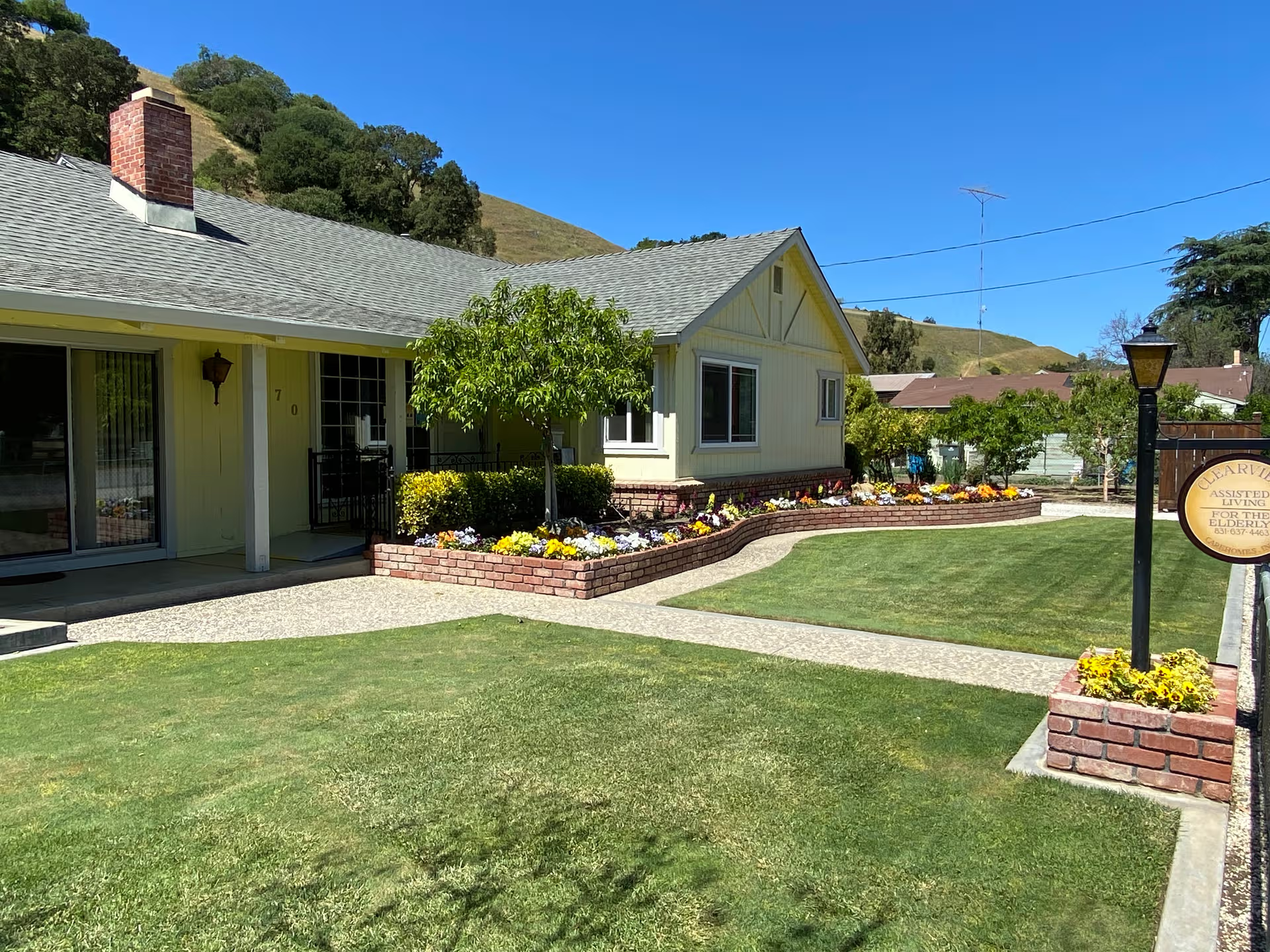
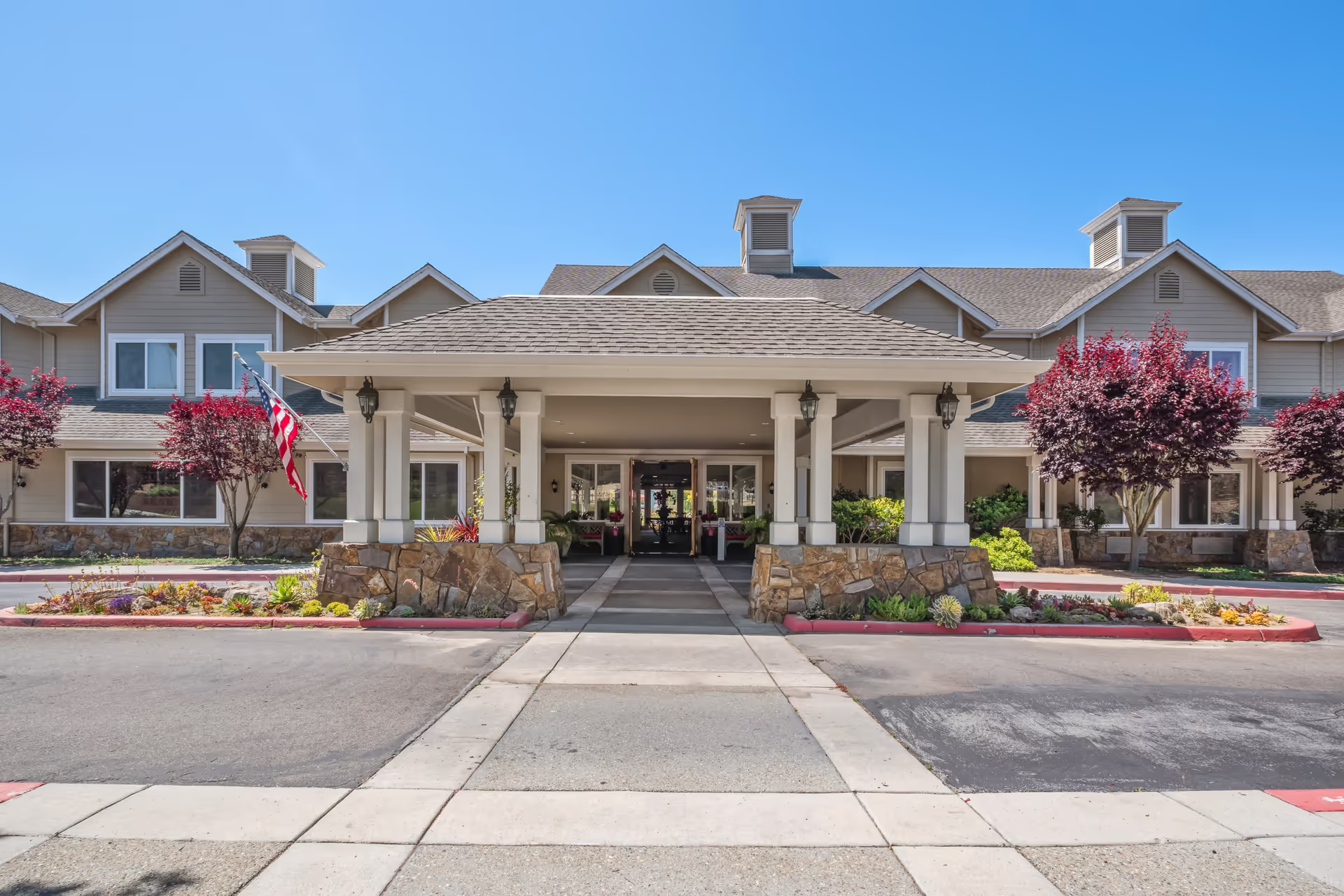
Facilities and cleanliness: Several reviewers praise renovated, fresh-feeling areas and orderly rooms with garden views. Conversely, others describe older, less-inviting sections and periods of sanitation concerns, including inconsistent bathing schedules and cleaning lapses. Noise and an institutional atmosphere were cited in some units, indicating variability in the physical environment across the campus. Secure entry, visible name tags, and accessible electronic entry systems were highlighted as positive security features.
Management and notable patterns: Management receives mixed feedback—some reviewers commend responsiveness, accountability, and visible improvement efforts, while others raised concerns about pressured discharges and the facility’s handling of crisis periods (for example, an infection-related isolation event that affected interactions and service delivery). Overall, patterns suggest a facility with strong clinical and rehabilitation capacity and many caring staff, but with operational weaknesses tied to staffing consistency, sanitation practices, and variable facility condition.
For prospective residents and families: Strengths to verify on a tour include the rehabilitation program, nursing-to-resident interaction, and current discharge-planning practices. Questions to ask management should cover current staffing ratios and schedules, routine cleaning protocols and recent inspection findings, consistency of therapy services, and how the facility communicates with families during care transitions or infection-control episodes. These inquiries will help determine whether the facility’s strong clinical resources are matched by reliable day-to-day operations for a given unit or stay.