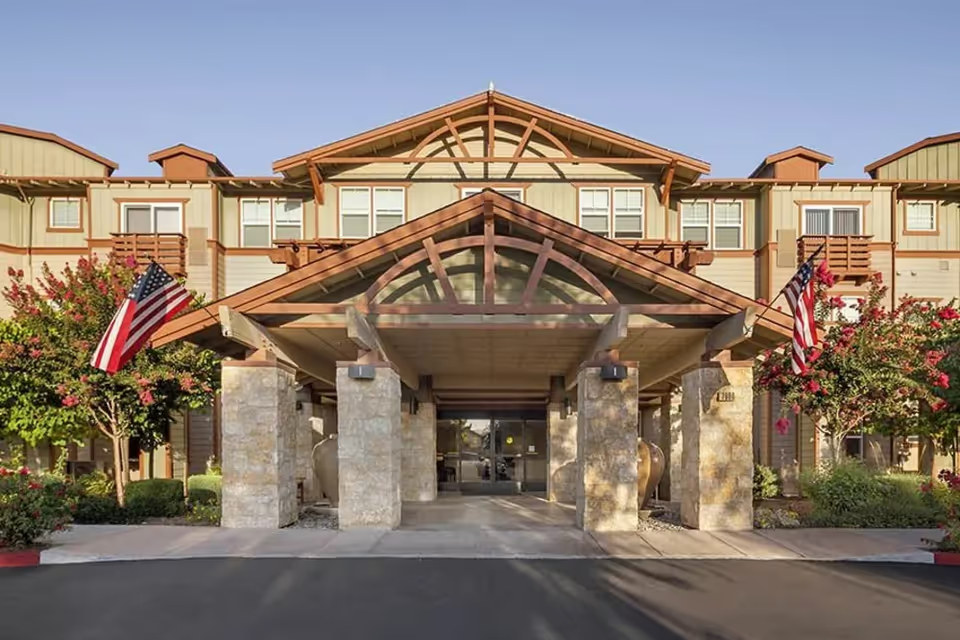
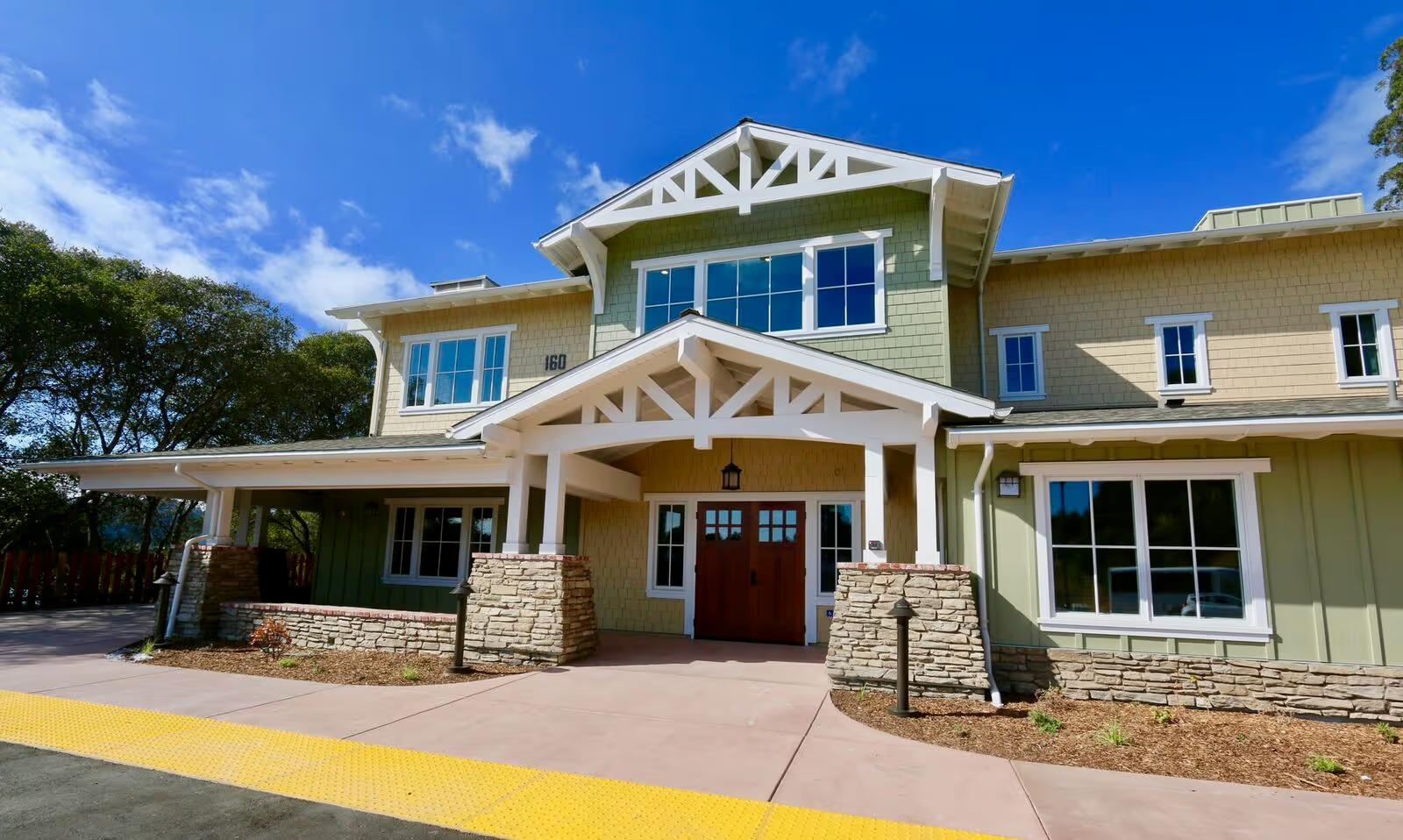
The reviews present a mixed but clear pattern: many families praise the facility for its homelike scale, attentive staff, and attractive rural setting, while others raise operational concerns that prospective families should evaluate closely.
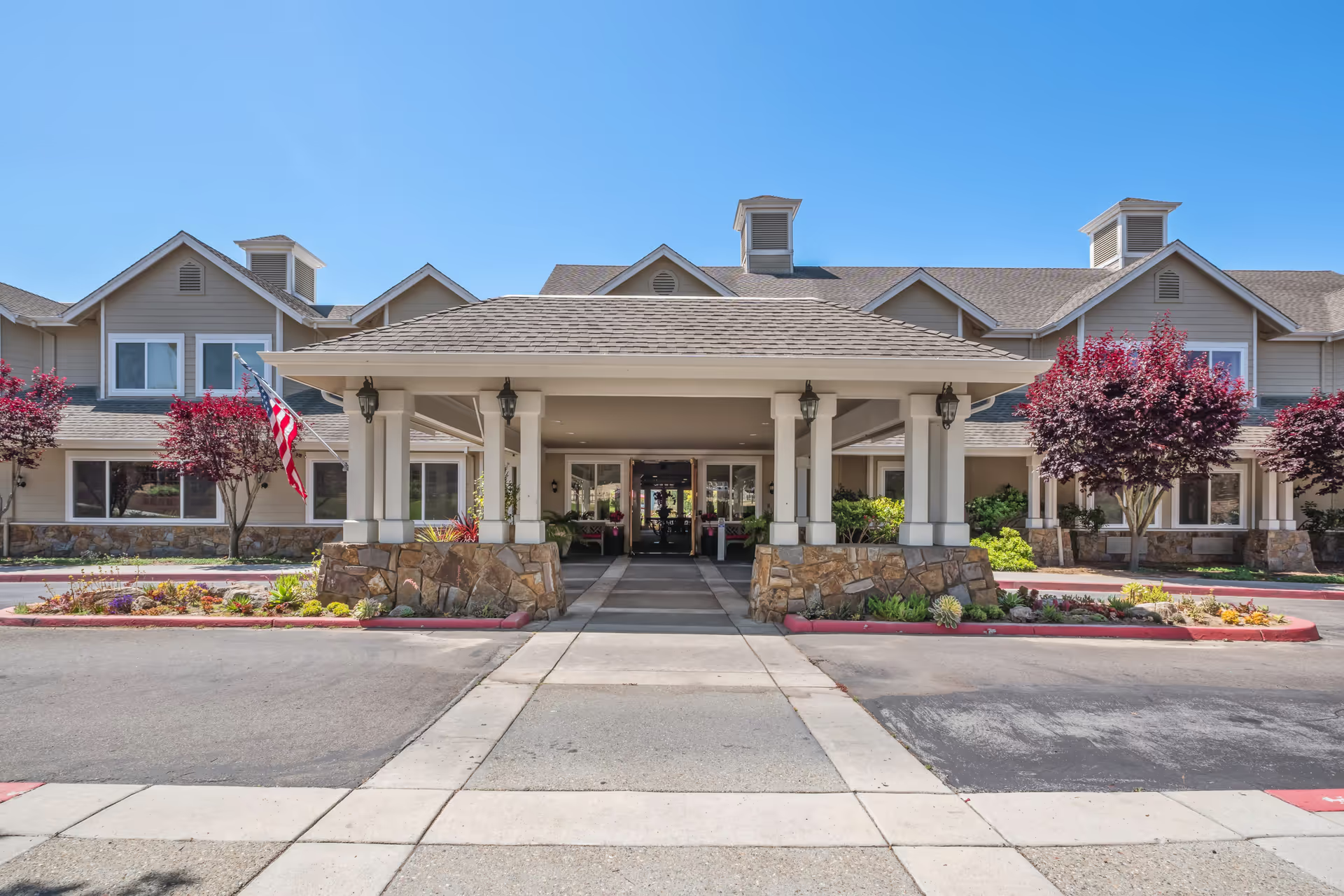
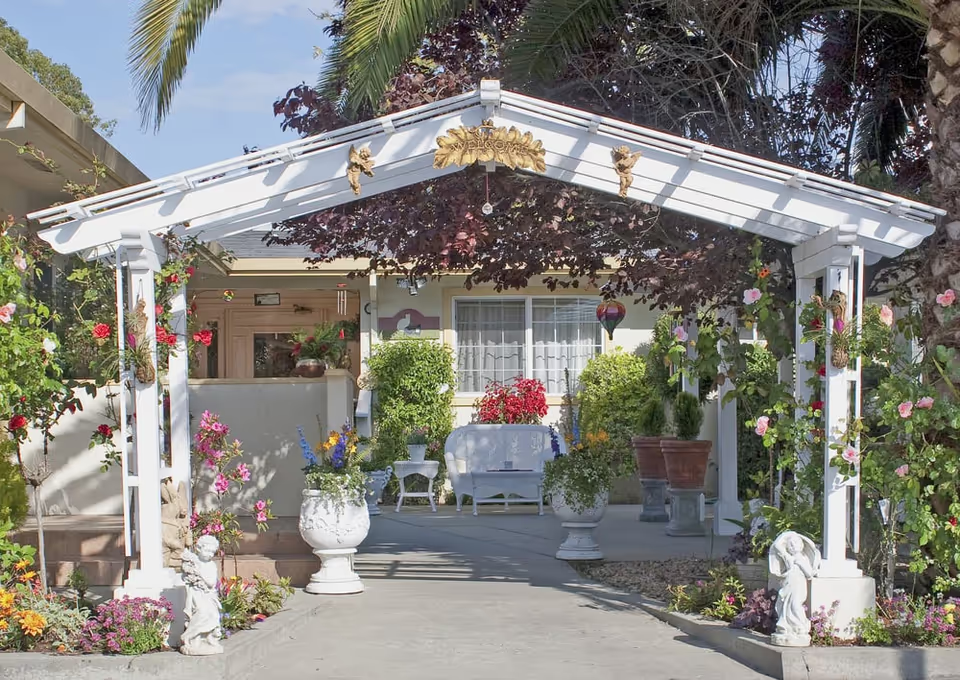
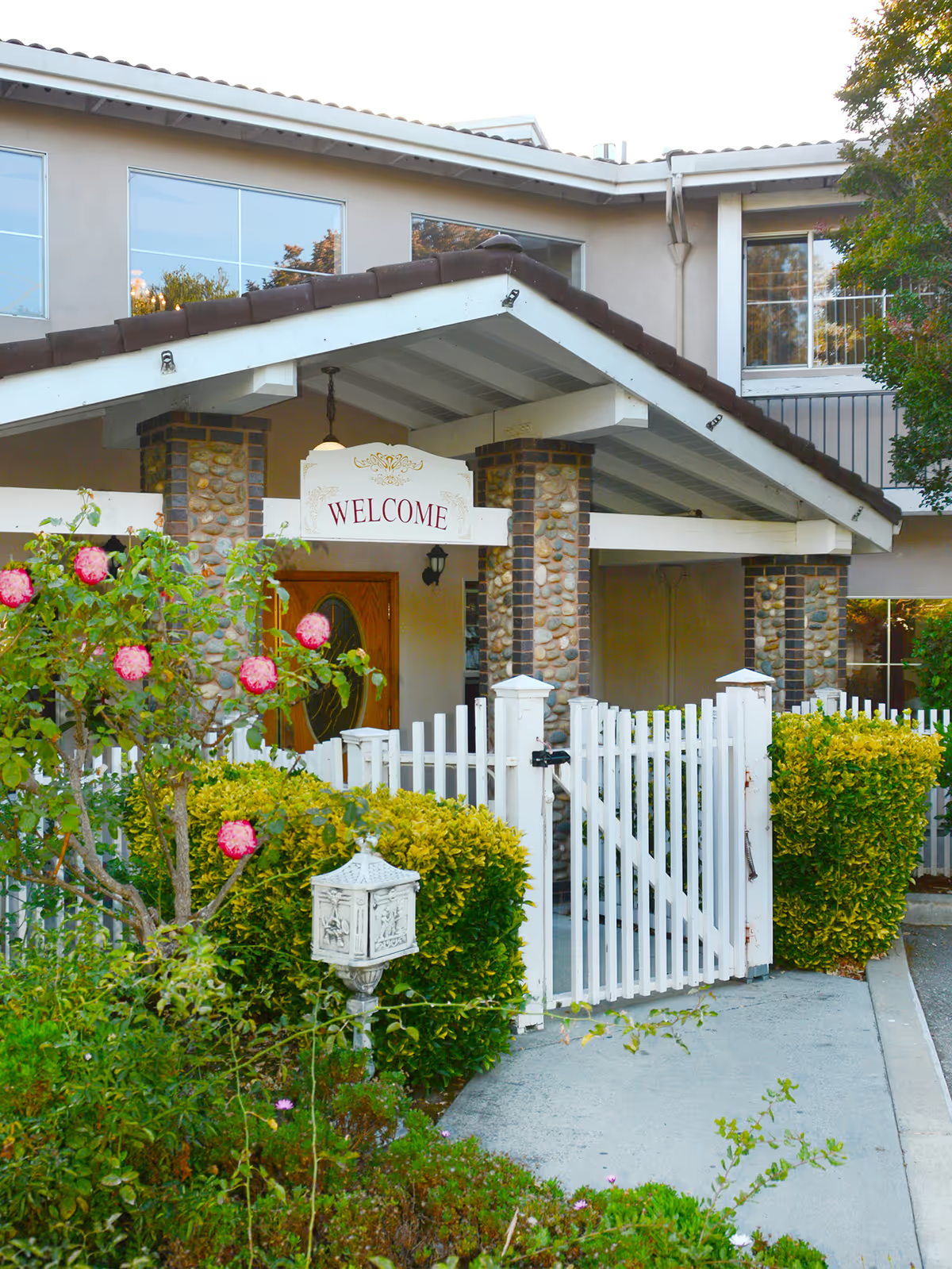
Strengths: Numerous comments highlight a warm, small-house environment that fosters close staff–resident relationships. Reviewers describe compassionate, patient caregivers, often long-tenured, who provide personal attention and continuity. The physical plant is repeatedly described as clean, remodeled, and well maintained, with private rooms and en-suite bathrooms, sunny decks, gardens, and spacious grounds that support outdoor time and social interaction. Dining is frequently characterized as home-cooked with garden-grown ingredients, and the activities program — morning exercise, games, music, and local outings — is cited as improving social engagement. Families also value 24/7 staffing, the availability of a house-call doctor or medical coordination, and accessible administration and owners who can guide transitions and communicate with relatives.
Areas of concern: A subset of reviews raises operational weaknesses that suggest inconsistency in clinical and administrative performance. Clinical oversight and timely recognition/treatment of infections and other health changes appear uneven; this is coupled in some accounts with delays in attending to night-time calls and incontinence-care needs. Several comments describe staff challenges managing advanced dementia or behavioral needs, suggesting variable training or expertise in higher-dependency cognitive care. Food quality and menu variety are generally praised but are described as inconsistent in some accounts. Administrative issues include disputes over fees, placement and eviction practices, and failure to provide timely contractual notice in at least a few instances; these patterns point to the importance of clear written agreements and billing transparency. Finally, a few families indicated the facility was not equipped to provide continuous one-to-one care for residents with very high dependency needs, leading them to seek private 24-hour care elsewhere.
Practical guidance for prospective families: visit during a shift change and a nighttime period to assess staffing levels and response times; ask specifically about dementia-care training, staffing ratios, and protocols for infection recognition and incontinence care; request sample menus and observe mealtime service; review the admission contract carefully for eviction/notice and fee-dispute language; inquire about the facility’s policy for residents who require increased private care and how transfers are handled; and seek references from current families. Overall, this facility demonstrates strong strengths in atmosphere, caregiver rapport, and grounds, but due diligence is advised around clinical oversight, dementia expertise, nighttime responsiveness, and contractual protections.