Overall impression: The facility elicits strong, repeated praise for its direct-care teams and therapy services. Many family members described compassionate, attentive nursing and aide care, and multiple accounts highlighted effective rehabilitation outcomes and supportive therapy staff. Cleanliness and facility maintenance are common positives, and families frequently cited respectful interactions and a family-centered approach that provided reassurance during transitions.
Care and staff: Clinical staff, including nurses, CNAs, therapists and case managers, are the dominant strength in the reviews. Several families singled out proactive case management and social-work support that smoothed admissions and follow-up, and therapists are credited with measurable functional improvement for residents. At the same time, reviewers identified operational weaknesses around staffing consistency — particularly overnight — and variability in staff demeanor. These issues have been linked to delays in responsiveness and uneven continuity when CNAs or nurses change frequently. There are also isolated serious allegations, including concerns following a resident's death, which point to potential gaps in clinical monitoring for higher-acuity residents; prospective families should inquire about supervision and escalation protocols for complex medical needs.
Dining and activities: Dining impressions are mixed. Many accounts describe nutritious, accommodating meals and positive dining experiences, while a smaller set of comments described dissatisfaction with food quality. The facility offers in-house entertainment and activities that several families found engaging; additional supports such as sitters and transportation for appointments were also noted as practical conveniences.
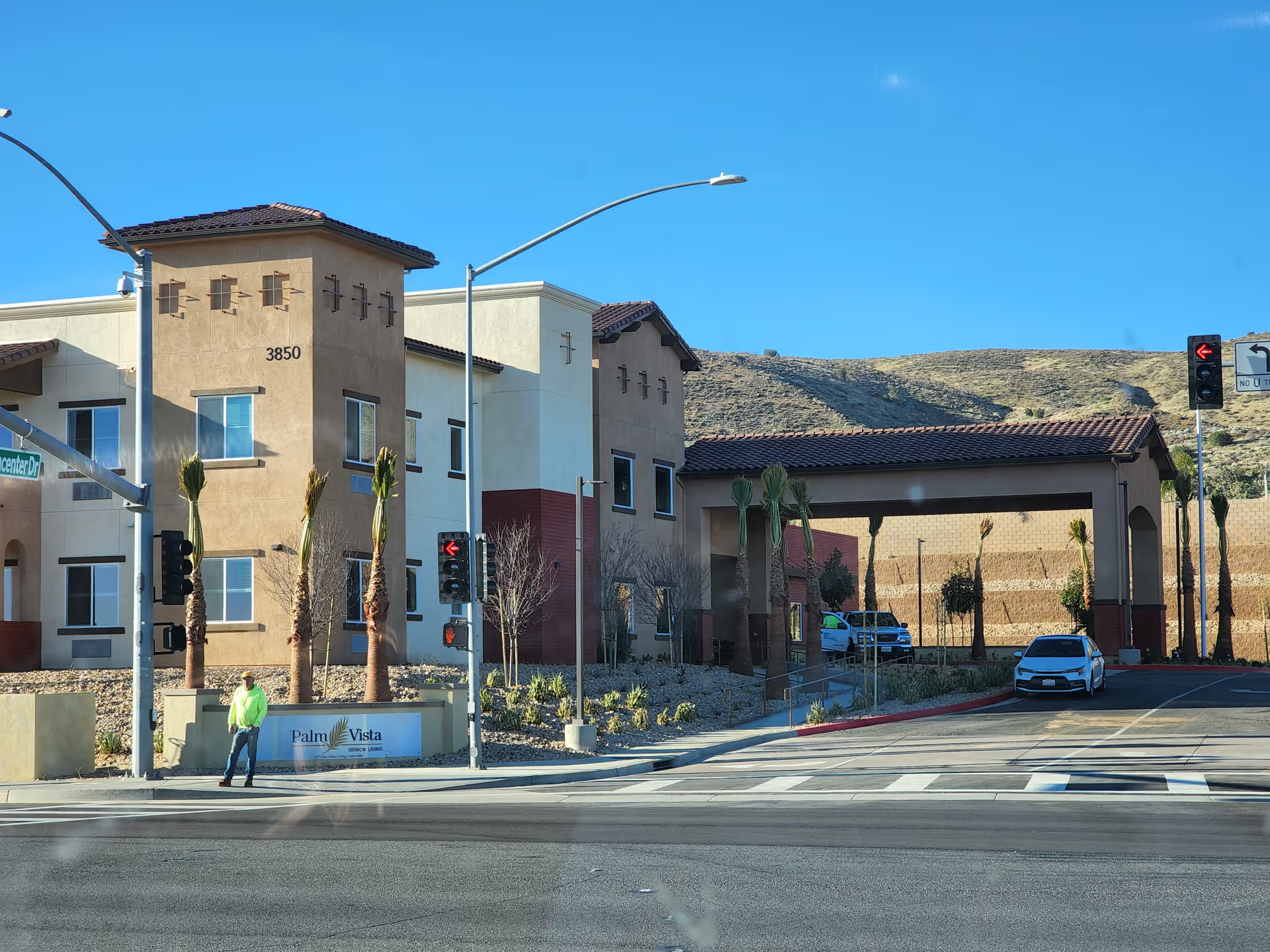
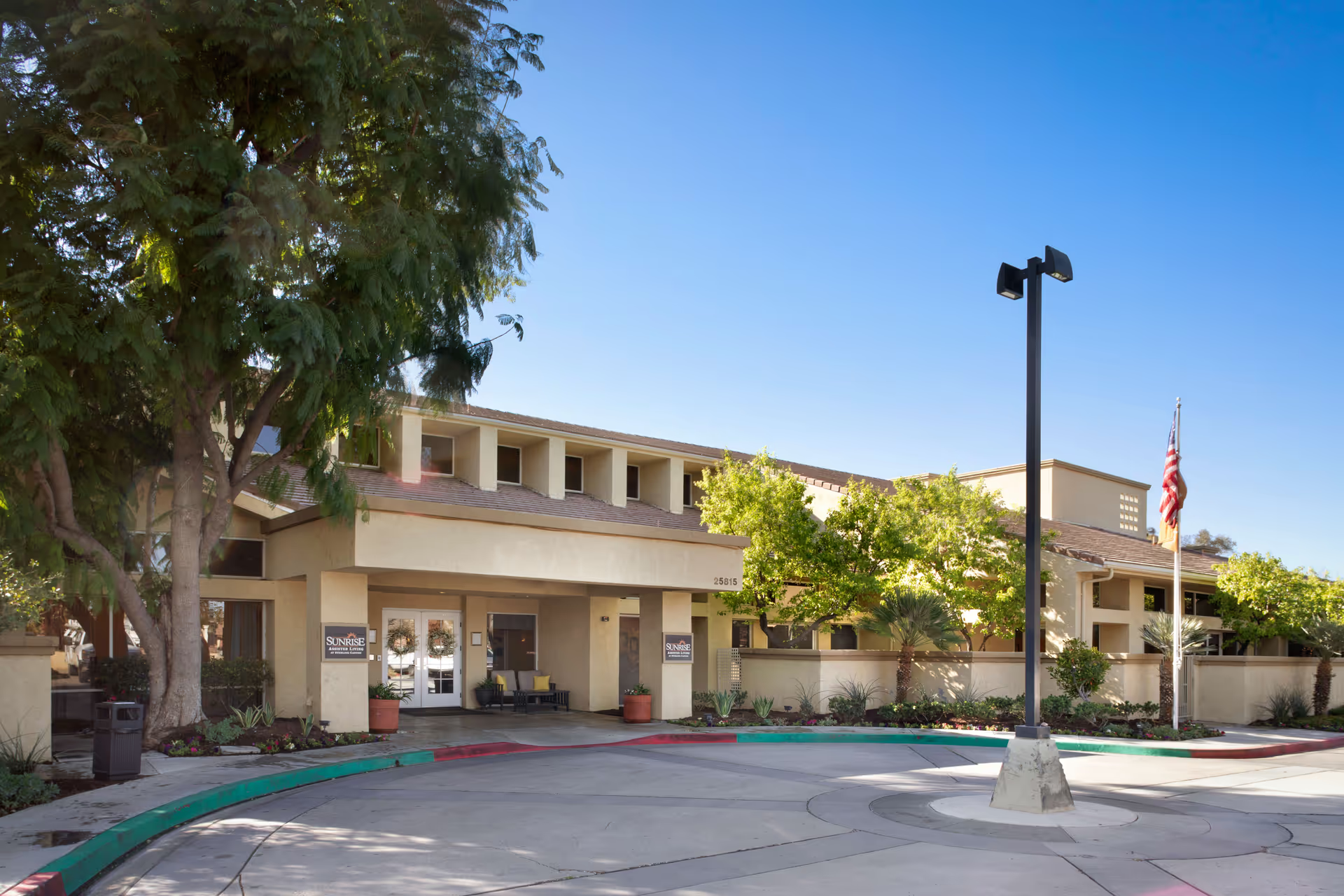
Facilities and amenities: The building and common areas are generally described as clean and well maintained, with cozy resident rooms that include televisions. Some operational limitations were flagged: noise and privacy constraints in multi-occupancy rooms and occasional unreliability of advertised media channels or other promised amenities. Families recommended confirming room configuration and amenity availability during touring and admissions.
Management and communication: Many reviewers praised clear, proactive communication from case managers and social workers, citing smooth insurance and admission handling. Conversely, others described difficulty reaching management, instances of misleading admissions information (for example, about bed availability), and uneven responsiveness to concerns. These management and communication variances appear to be a key differentiator in family experience.
Notable patterns and recommendations: The dominant positive themes are strong hands-on care, effective rehabilitation, and a clean, activity-rich environment supported by helpful case management. The dominant concerns are operational: staffing consistency, variable professionalism, occasional management inaccessibility, and uneven meal or amenity reliability. Prospective residents and families should tour in person, ask about overnight staffing ratios, turnover among CNAs, clinical oversight for higher-acuity patients, amenity availability (including TV/channel access), and the facility’s escalation procedures for clinical issues. Doing so will help align expectations with the facility’s strengths and operational limits.