Overall impression: Reviews describe a facility with clear strengths in short-term rehabilitation and administrative responsiveness, but with persistent operational weaknesses affecting everyday long-term care. Families and prospective residents frequently praise the therapy services, admissions process, and the professionalism of higher-level staff, while also noting inconsistent experiences on the nursing floor and in routine environmental maintenance.
Care quality and clinical operations: Physical therapy and rehab services receive consistent positive feedback—reviewers describe effective therapy equipment and outcomes that supported timely discharge. However, there are recurring concerns about medication management (delays and occasional errors) and on-floor responsiveness. These issues suggest gaps in day-to-day nursing coverage and task follow-through rather than deficiencies in the rehabilitation program itself. Incontinence-care procedural gaps and mattress/pad handling have been identified as operational weaknesses that affect resident comfort and skin protection.
Staff and management: Staff behavior is described in mixed terms. Leadership and some care staff are characterized as professional, knowledgeable, and communicative, and security is noted positively. At the same time, on-floor staffing and training appear inconsistent; reviewers describe variability in staff conduct and responsiveness, and point to weaknesses in coordination and communication between nursing staff and physicians. Management strengths include a fast admission process and an overall clean facility, but some reviewers perceived organizational shortcomings in everyday operational oversight.
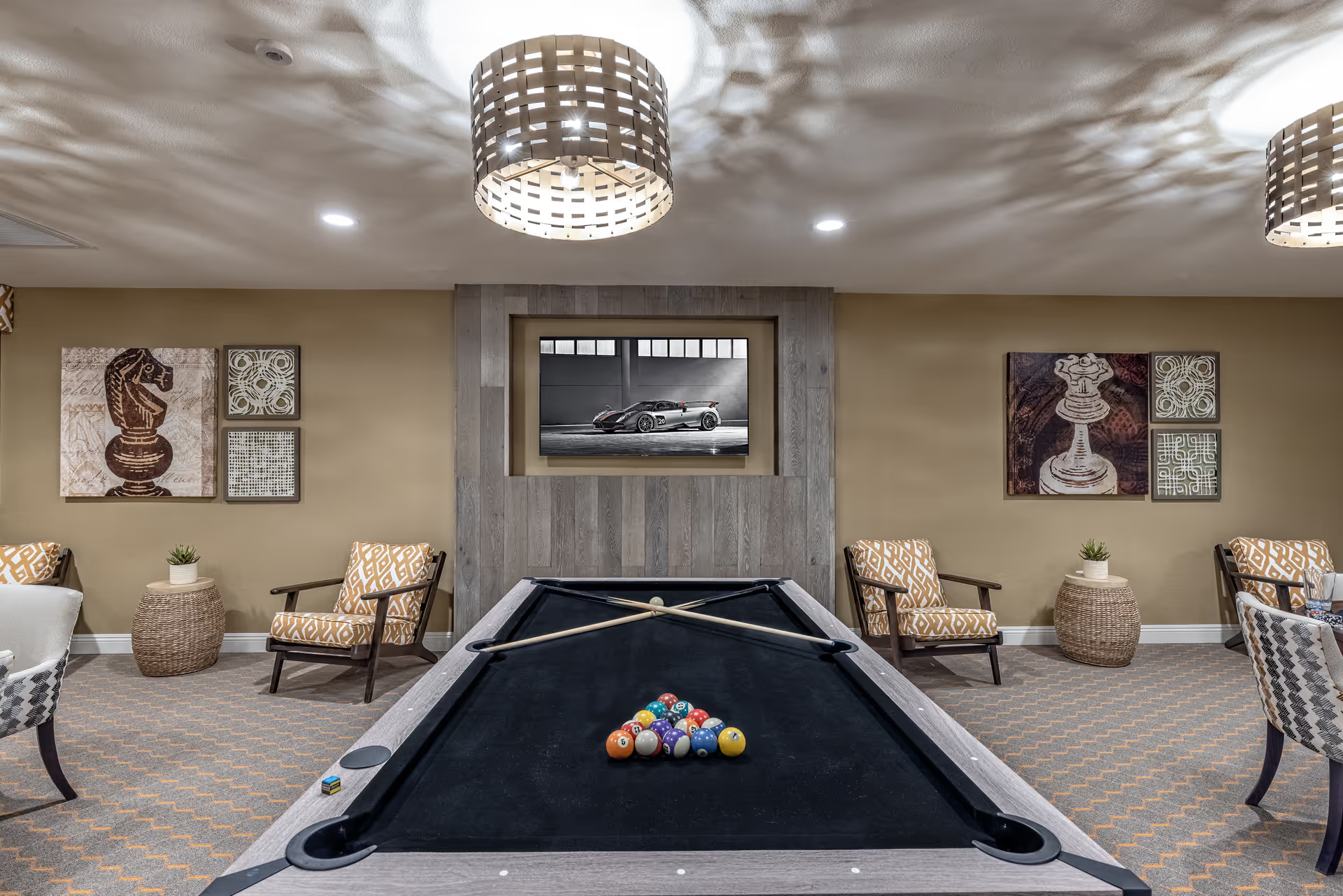
Dining and activities: Dining receives both positive and negative comments—some reviewers describe good food and enjoyable meal experiences, while others cite meal errors and medication timing issues that affect resident routines. Recreational programming such as music and Bingo is available and appreciated, but activity offerings have been limited during infection-control periods and, for some residents, are insufficiently frequent or adapted to multi-bed room settings.
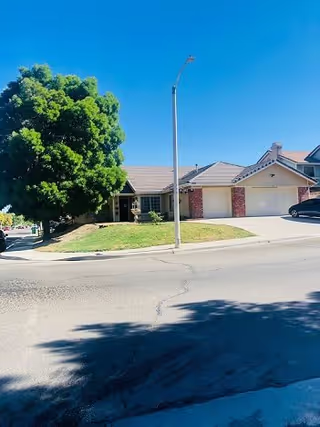
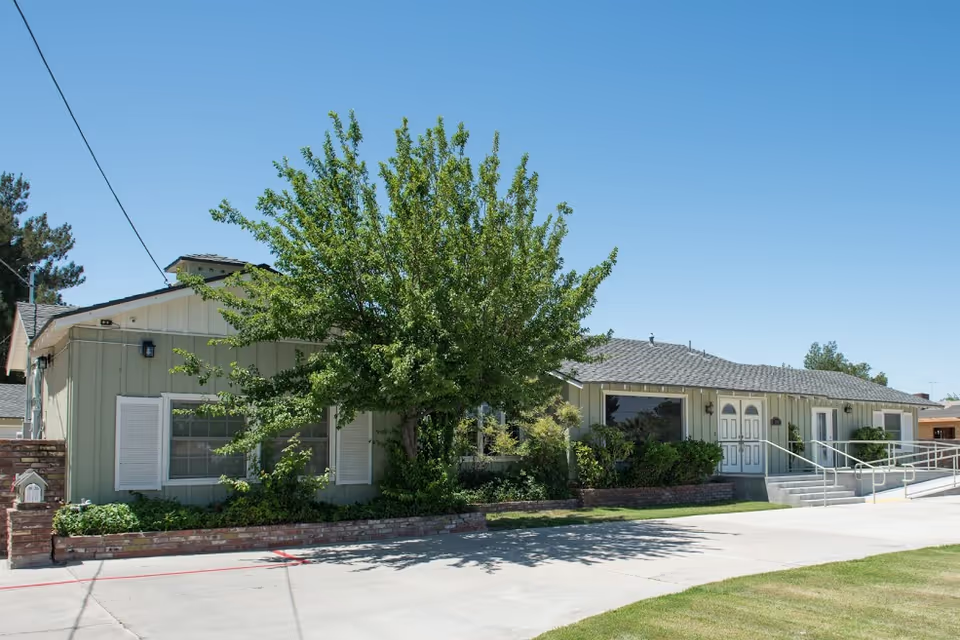
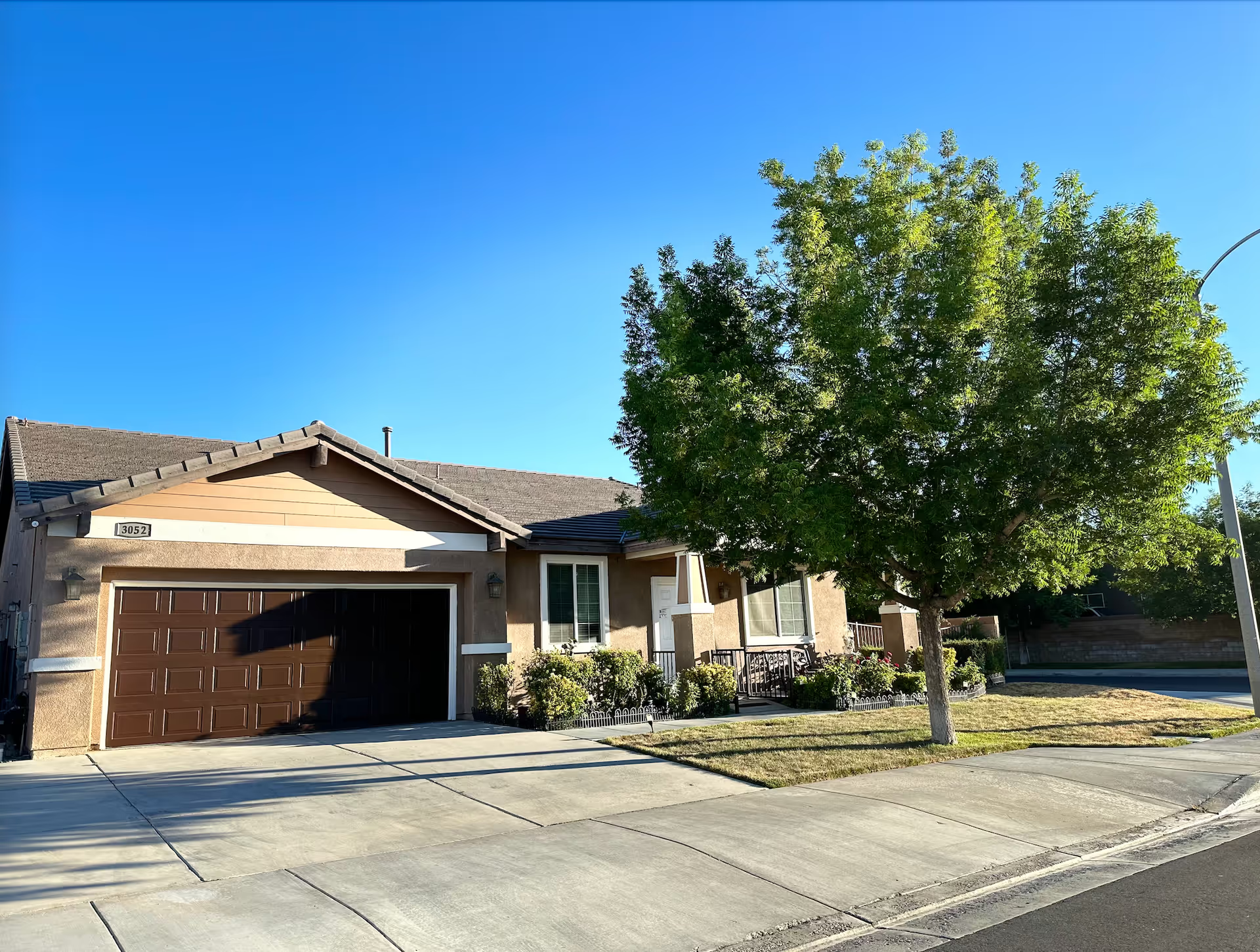
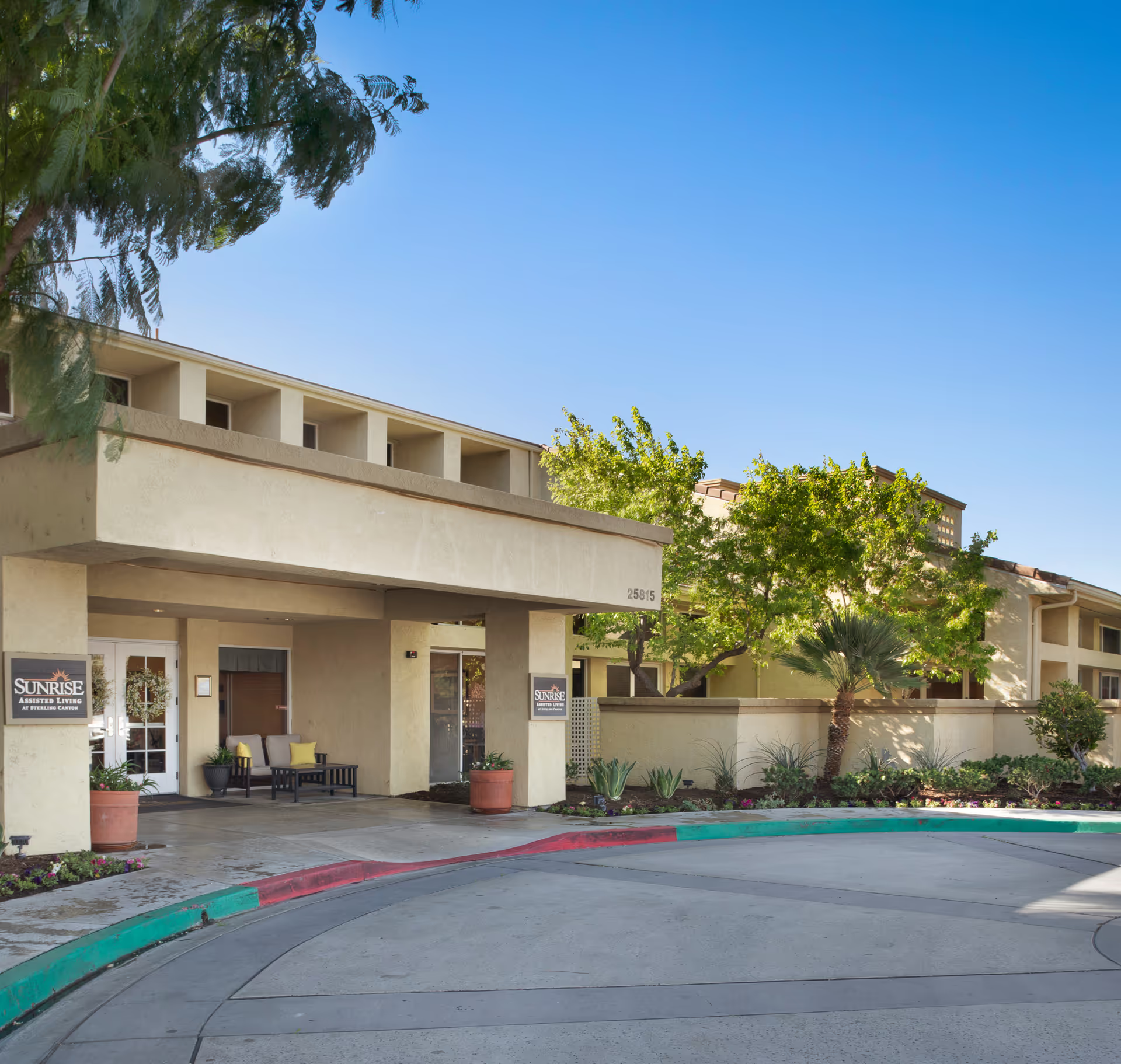
Facilities and environment: The facility's physical environment is frequently described as clean, spacious, and hospital-like, with comfortable room furnishings and couches in patient rooms. At the same time, there are repeated notes about multi-bed rooms that reduce privacy and available personal space. Environmental maintenance issues were raised (towel quality, strong cleaning-chemical odors, shower repairs, and hot-water availability), and Wi‑Fi performance is described as unreliable—each of these areas can affect daily comfort and care delivery.
Notable patterns and considerations: The strongest pattern is a contrast between effective, well-regarded rehabilitation services and variable performance in routine nursing care and maintenance. Prospective residents and families should weigh the facility's rehabilitation strengths against the operational concerns in long-term care tasks (medication administration, incontinence-care procedures, staffing reliability, and environmental maintenance). When evaluating the facility in person, consider asking about current staffing ratios, medication-safety protocols, incontinence and linen-change procedures, plans for bathroom repairs and hot-water reliability, activity schedules during infection-control periods, and Wi‑Fi availability for family communication.