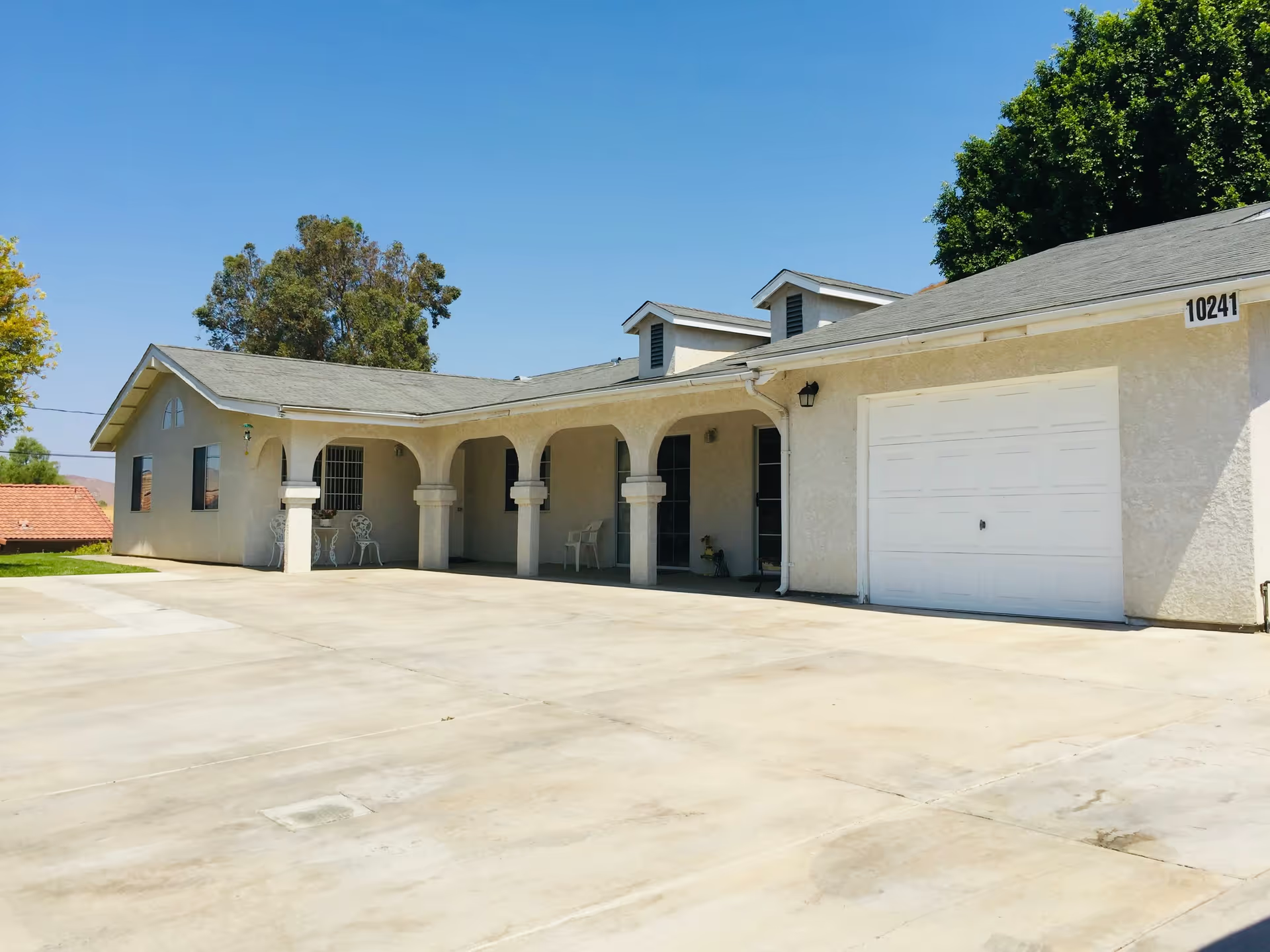
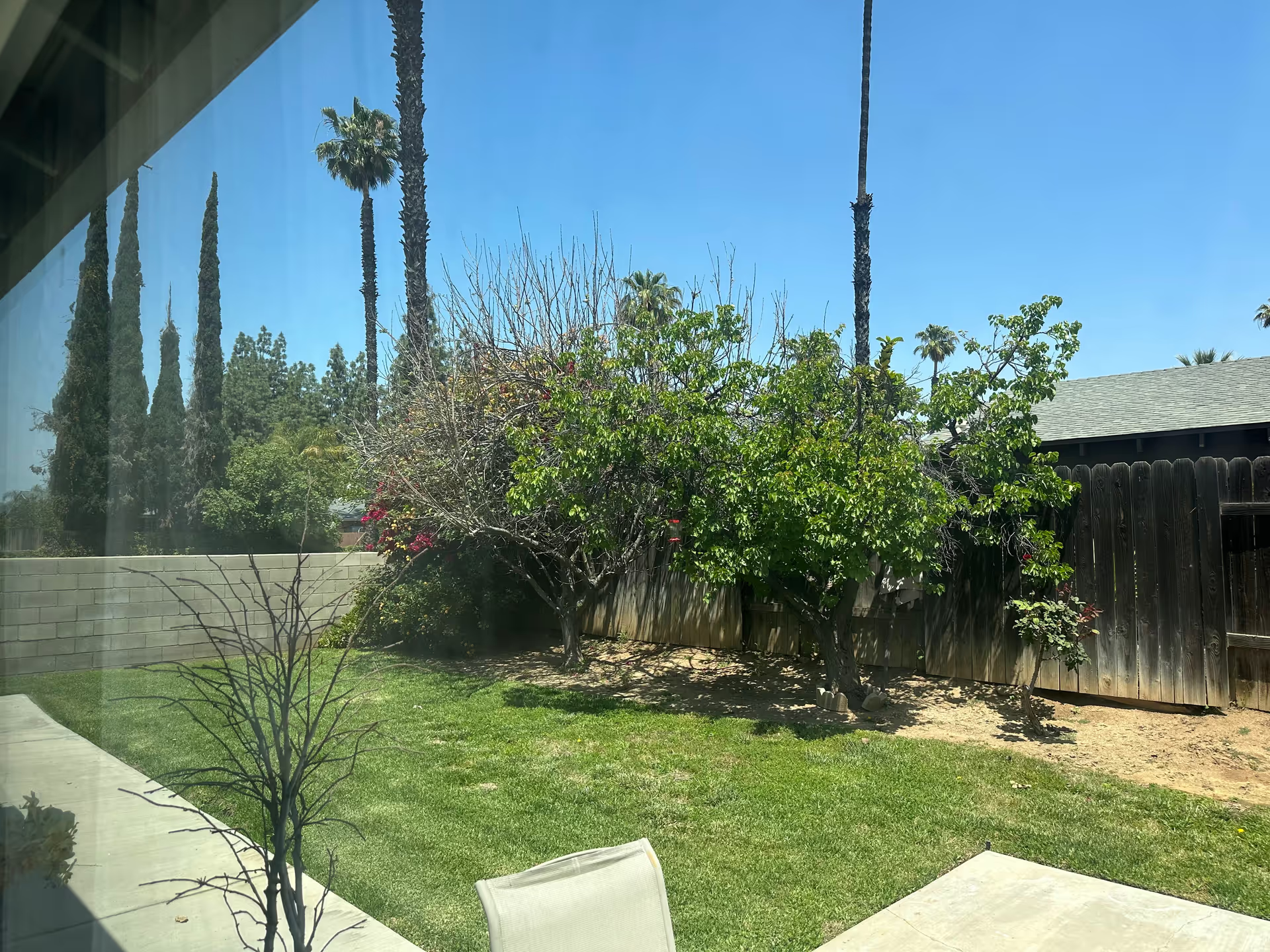
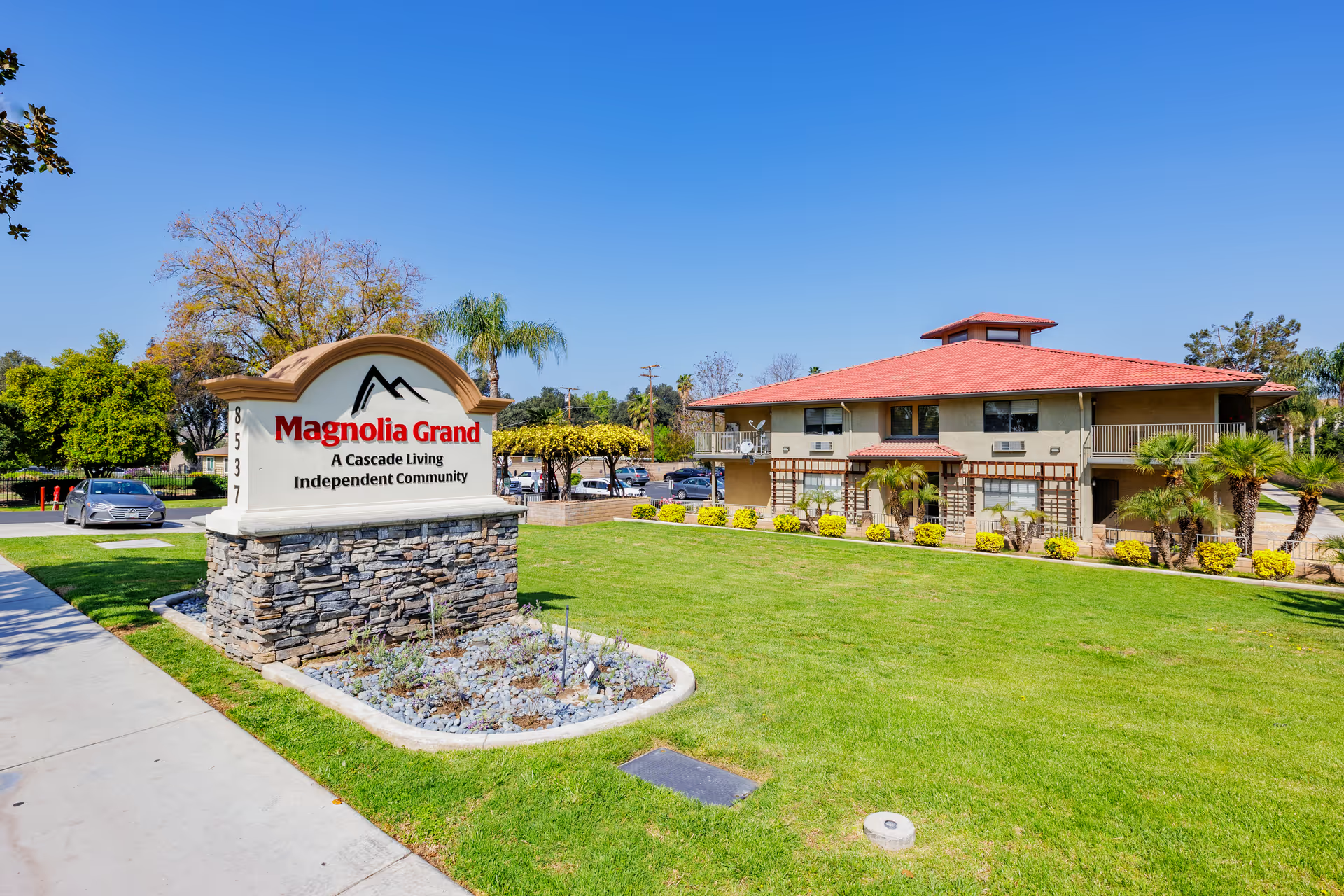
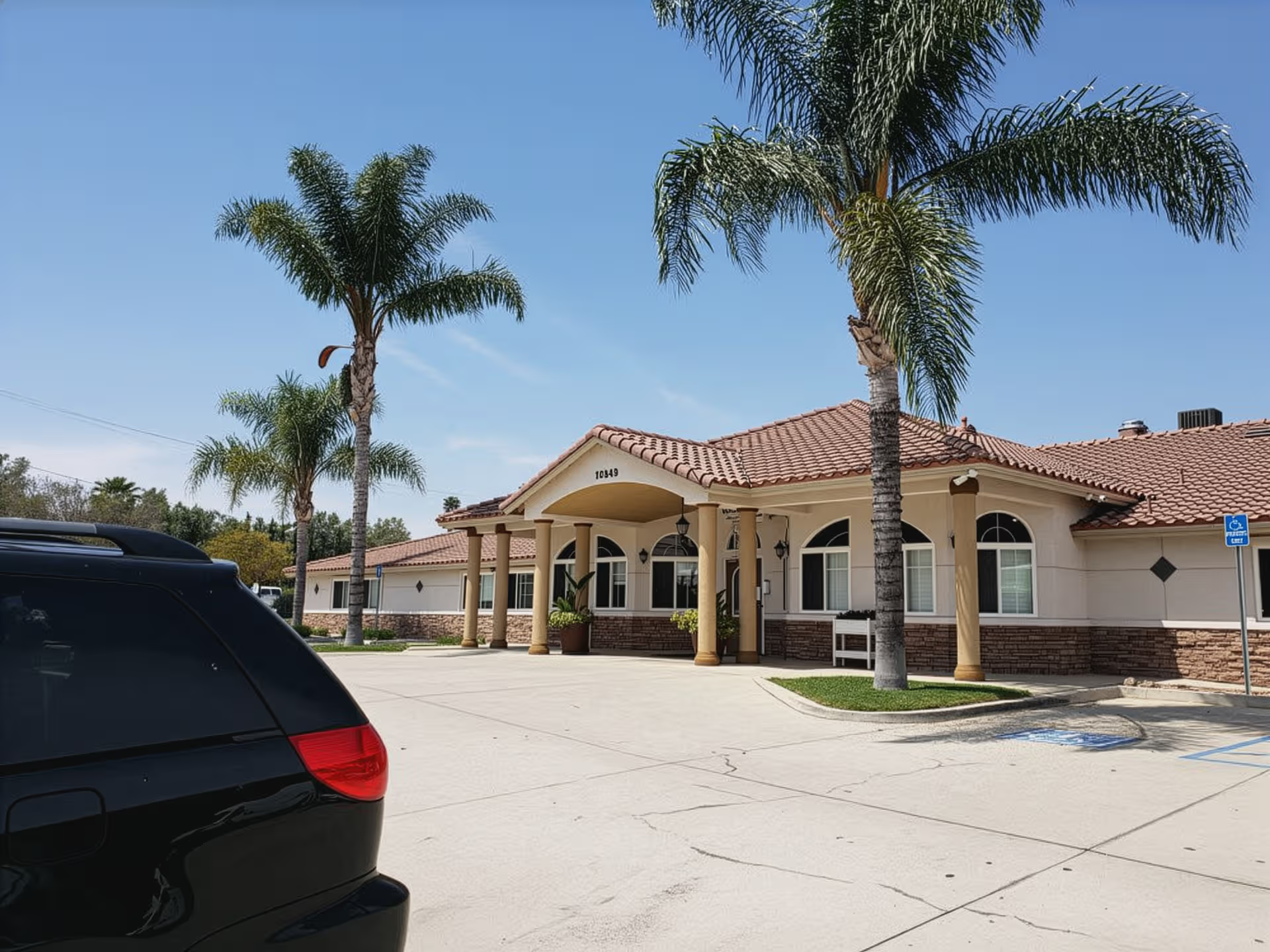
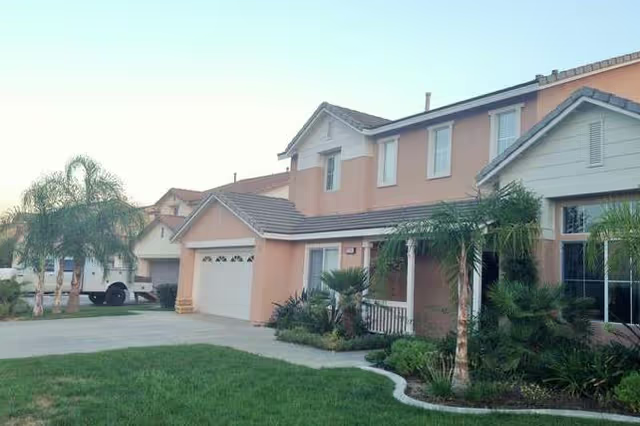
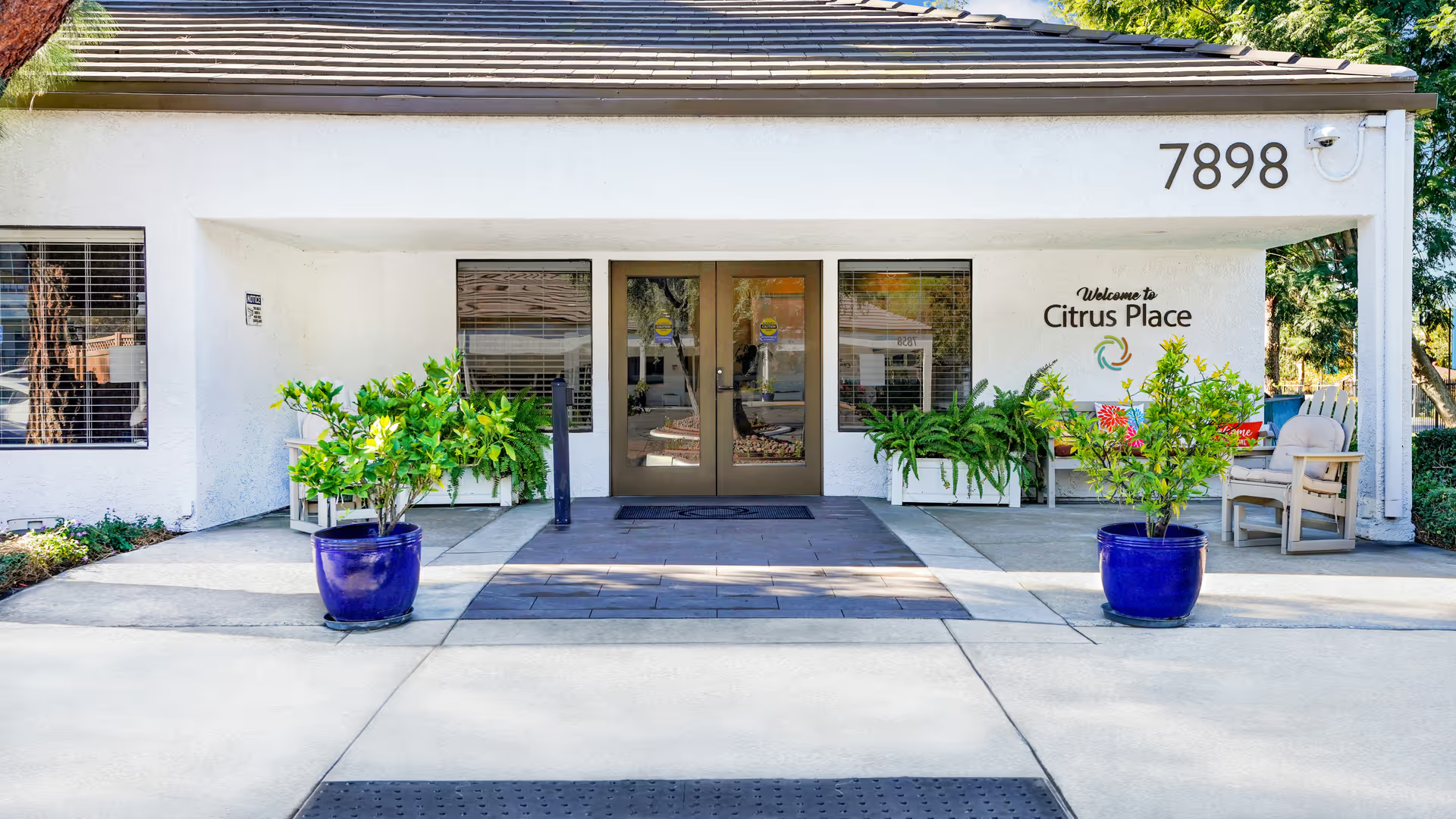
The reviews describe a facility with notable strengths alongside recurring operational weaknesses. On the positive side, Arlington Gardens is frequently described as clean, modern, and well maintained, with comfortable private rooms and attractive common areas. Many families praised the rehabilitation program: physical and occupational therapists are often characterized as knowledgeable, recovery-focused, and effective. Dining and amenities are also highlighted by multiple reviewers—several note good meals, a pleasant dining room, and unique touches such as an on-site ice cream option and updated exercise equipment. When administrative and therapy teams are engaged, families reported clear communication, successful care transitions, and collaborative family partnership.
A strong theme across critiques is variability in staffing and bedside responsiveness. Chronic understaffing and long wait times for assistance are recurring concerns tied to slow responses to call lights, missed or delayed medication administration, and inconsistent personal-care practices. Reviewers pointed to particular problems with night staffing and supervision, which some families linked to lapses in timely care. Along with responsiveness issues, there are repeated mentions of uneven professionalism and communication tone among frontline staff; some interactions are described as compassionate and respectful while others are characterized by poor conduct or judgmental behavior.
Clinical safety and care-process gaps appear in several areas. Multiple reviewers raised issues consistent with weaknesses in fall-prevention and transfer-safety practices, skin- and catheter-care management, and inconsistent oversight of PRN/short-term medication use. A subset of families also described difficulties with discharge coordination and follow-up communication, including delays and miscommunication about transition timing or belongings. For residents with high-acuity needs—such as some stroke patients—several reviewers felt the environment and equipment were not fully suitable for their needs.
Activity programming and dining continuity show mixed results. While many residents enjoyed plentiful social activities, games, and therapy-based exercise, other families reported limited programming or a lack of consistent offerings depending on unit or shift. Similarly, although food quality and the dining environment receive praise from multiple reviewers, some noted inconsistent meal availability or limited access to amenities listed on-site.
In summary, Arlington Gardens presents a largely positive physical environment and a strong rehabilitation capability when therapy teams are fully engaged. However, persistent operational issues—particularly around staffing levels, responsiveness, nursing oversight, and certain clinical-care processes—introduce variability in resident experience and safety. Prospective residents and families should weigh the facility’s clean, recovery-oriented amenities and strong therapy reputation against the documented inconsistencies in day-to-day nursing responsiveness, medication and personal-care practices, and discharge communication. Visiting during different shifts, asking about staffing ratios and night supervision, and clarifying discharge procedures and skin-care protocols may help families assess fit for specific care needs.