Overall care at Windsor the Ridge Rehabilitation Center appears to combine reliable clinical resources with variability in day-to-day execution. The facility maintains 24-hour RN and CNA coverage and families note effective physical therapy and active assistance from CNAs for activities of daily living. A nurse practitioner who explains care plans and a generally clean environment are frequently highlighted, and visitation appears to be family-friendly. For patients needing rehabilitative services, the on-site therapy program is a clear strength.
Staff performance is uneven across shifts. While regular nursing staff and some caregivers are described as professional and accommodating, there are recurring indications of inconsistent staffing and variability in how individual staff members perform. This inconsistency is linked to operational challenges such as delays in routine clinical monitoring (for example, delayed vital-sign checks) and lapses in hygiene practice adherence (notably inconsistent glove-use/change practices). These point to opportunities for stronger supervisory oversight, standardized shift handoffs, and tighter infection-control reinforcement.
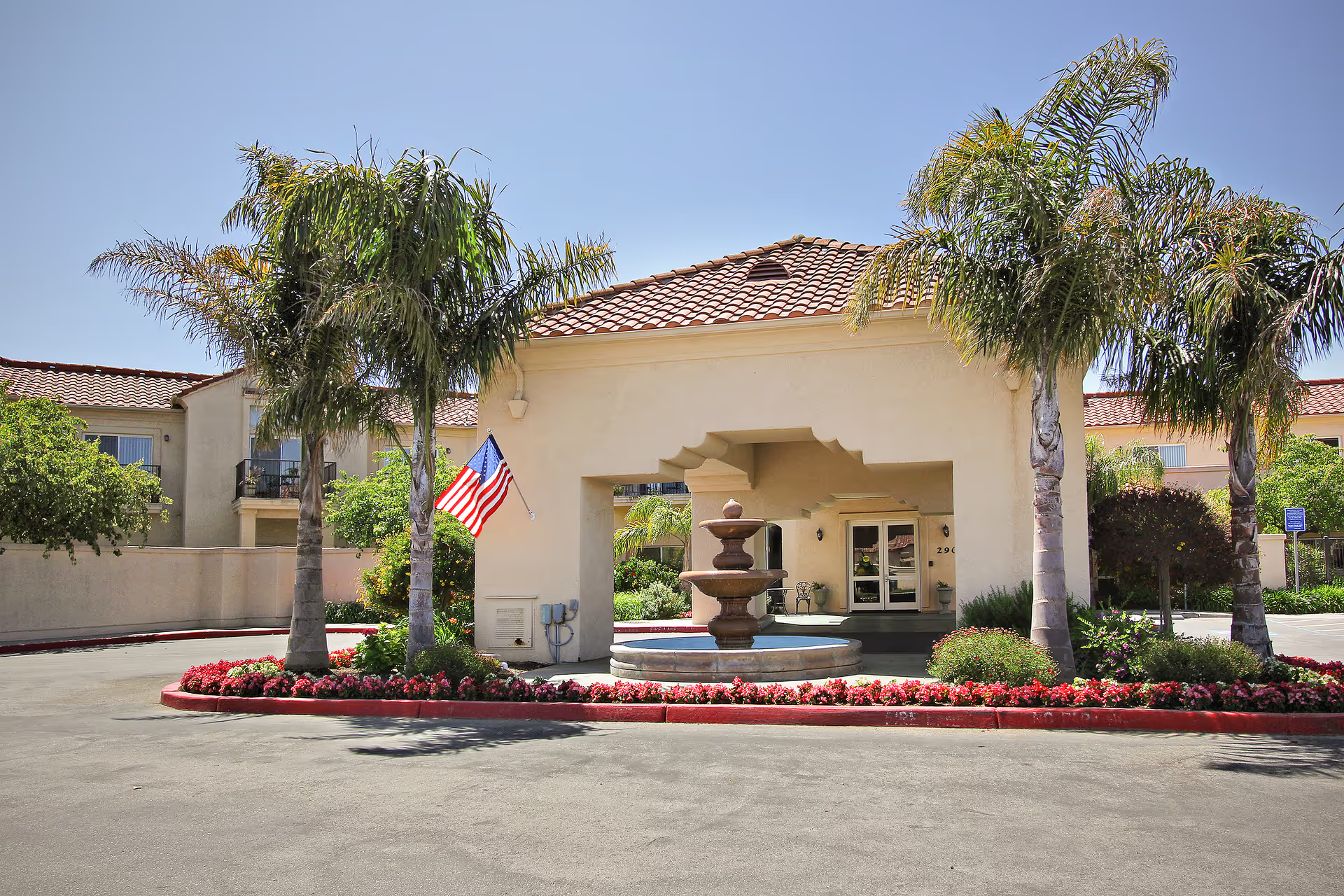
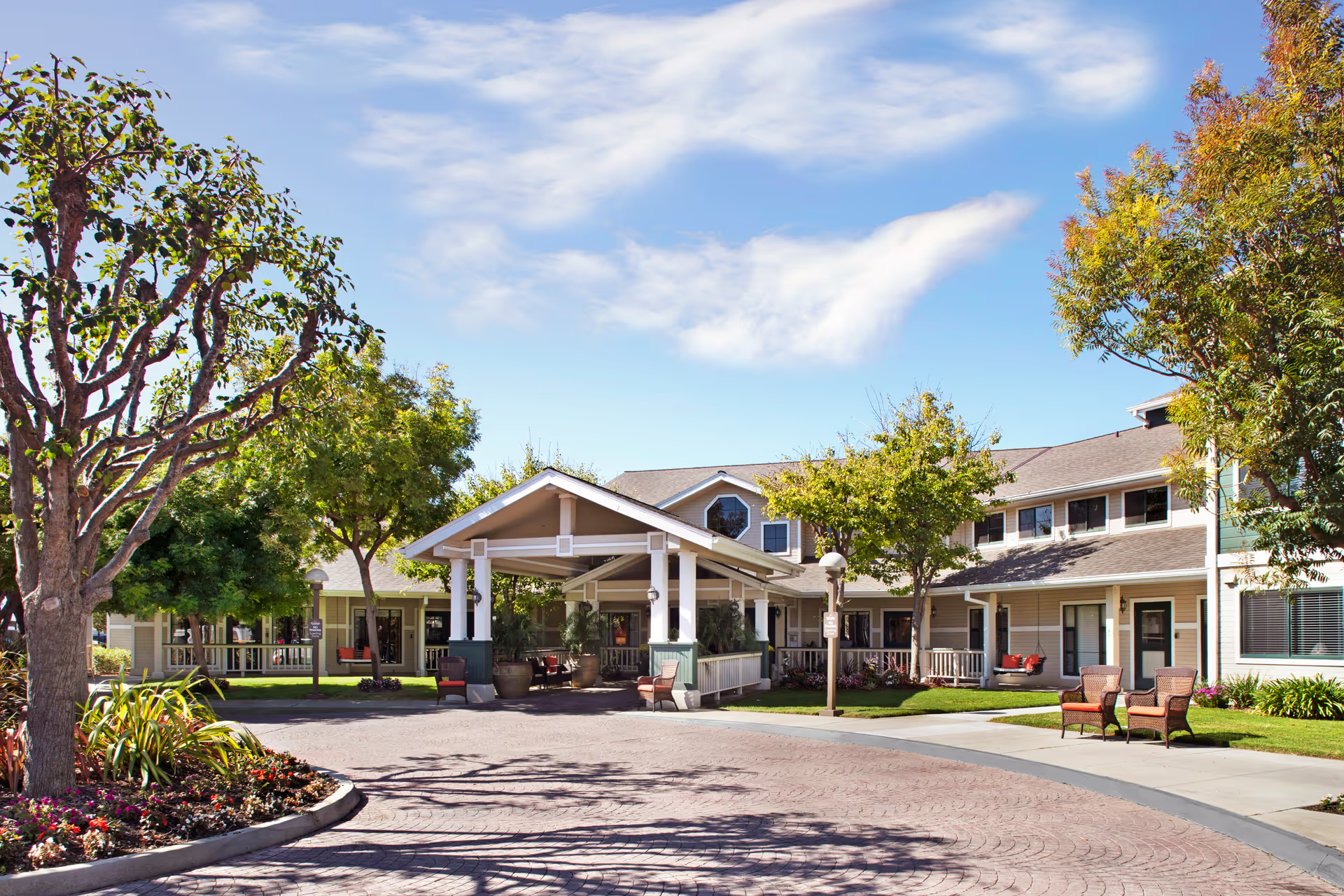
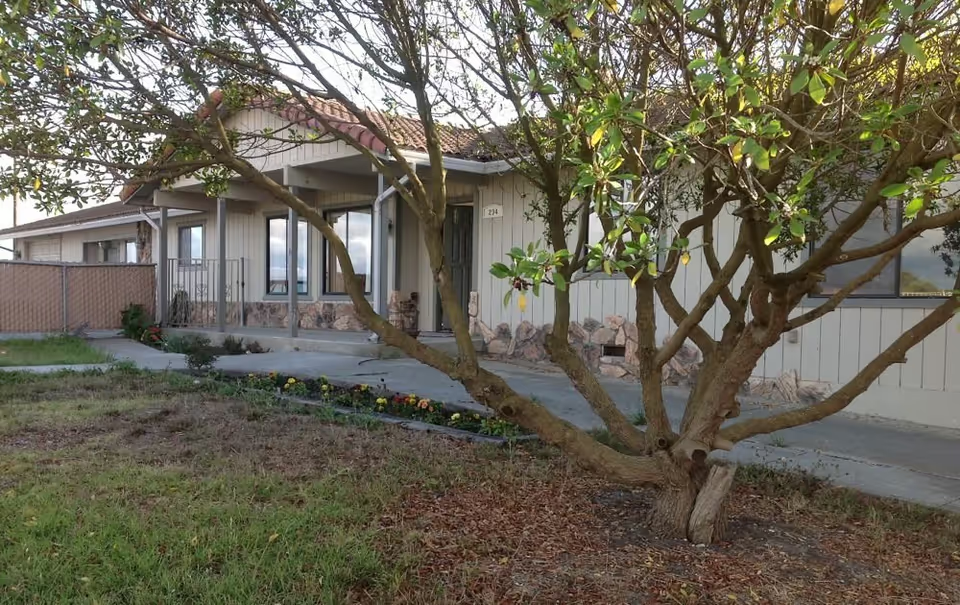
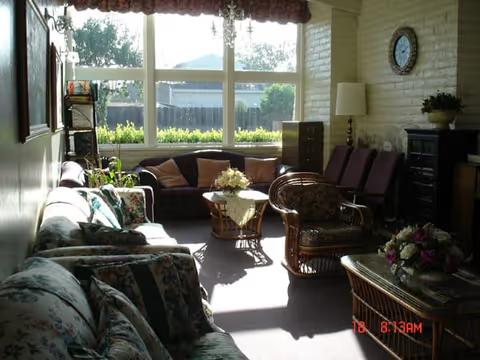
The facility itself is relatively small and older in design. Many families appreciate the smaller, more intimate atmosphere and the predominance of private or semi-private rooms with typically a single roommate. At the same time, the building’s age shows through in infrastructure features such as communal bathroom arrangements (multiple residents sharing a single bathroom) and other dated amenities. Cleanliness is generally described positively, but physical plant limitations and shared facilities may affect resident comfort and privacy for some prospective residents.
Dining and daily-life amenities are described as adequate but variable. Food quality is characterized as acceptable or “okay,” suggesting the dining program meets basic needs but may not be a standout element. Activity programming beyond rehabilitation is not widely detailed in the available feedback, so prospective families should ask the facility for a current activities schedule if that is important.
Management and communication show mixed signals. The presence of a communicative nurse practitioner is a strength, but the operational patterns—variable staff performance, monitoring delays, and intermittent hygiene compliance—suggest areas where management attention could improve consistency. Prospective residents and families should ask targeted questions about staffing continuity, infection-control protocols, the frequency of clinical monitoring, bathroom arrangements, and meal options during their tour or intake process to determine fit.
In summary, Windsor the Ridge offers solid clinical coverage and a well-regarded therapy program within a smaller, generally clean setting. The principal concerns are operational consistency—in staff performance, routine monitoring, and hygiene adherence—and an older building layout with shared bathrooms. These are addressable through management-driven process improvements; families should verify current practices around staffing, clinical checks, and infection-control before admission.