Overall impression: Reviews describe a facility with clear strengths in compassionate clinical care and rehabilitation, paired with operational limitations that affect day-to-day comfort and responsiveness. Many families praised the nursing staff for dignity-affirming interactions, timely communication about health changes, and coordinated rehab. At the same time, recurring operational issues—particularly around direct-care aide availability, medication coordination, dining options, and physical space—are evident and have a meaningful impact on resident experience.
Care and staff: Nursing staff receive consistent positive mention for clinical attentiveness, trustworthiness, and the ability to notify families when conditions change. Reviewers describe staff as caring and respectful, and some physicians have endorsed the facility's care. However, there are recurring concerns about the availability and responsiveness of CNAs, especially during nights. These gaps manifest as delays in assistance for toileting and water, requests for one-on-one aides for higher-need residents, and at least a few accounts of prolonged periods without direct assistance. The staffing pattern appears to be nurse-heavy with comparatively fewer CNAs, which contributes to these responsiveness issues.
Dining and medication: Dining experiences are mixed. Some reviewers report meals that are tailored to individual needs and satisfactory, while others describe limited menu variety and instances where residents could not or did not eat facility meals and needed supplemental food from family. There are also operational issues around medication: examples include misplaced or mismanaged medications and confusion during discharge medication coordination. These indicate a need for strengthened medication-handling protocols and clearer discharge planning procedures.
Activities and social spaces: Activity programming is inconsistent. The facility hosts events (holiday celebrations, birthdays, patio gatherings) and some residents enjoy available offerings and in-room entertainment, but reviewers also note limited regular activities and desire for more engagement options. Multiple comments call out a need for a larger, enclosed sunroom or expanded visitation area to accommodate family visits and socializing.
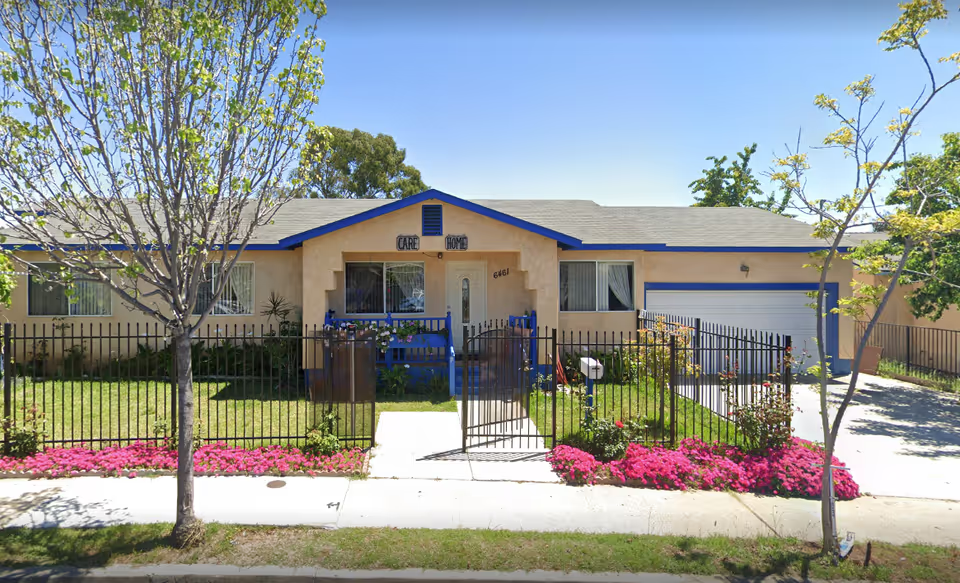
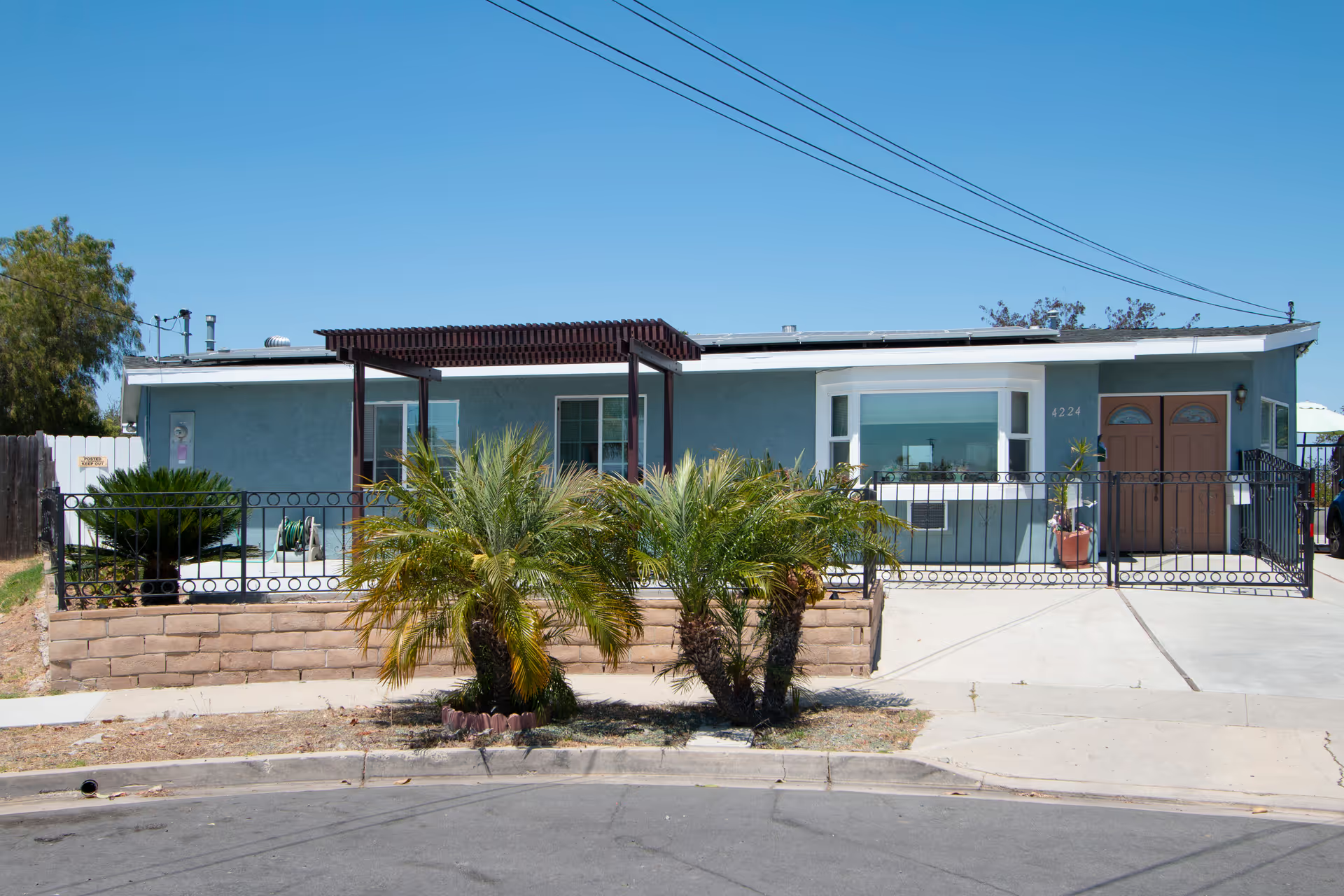
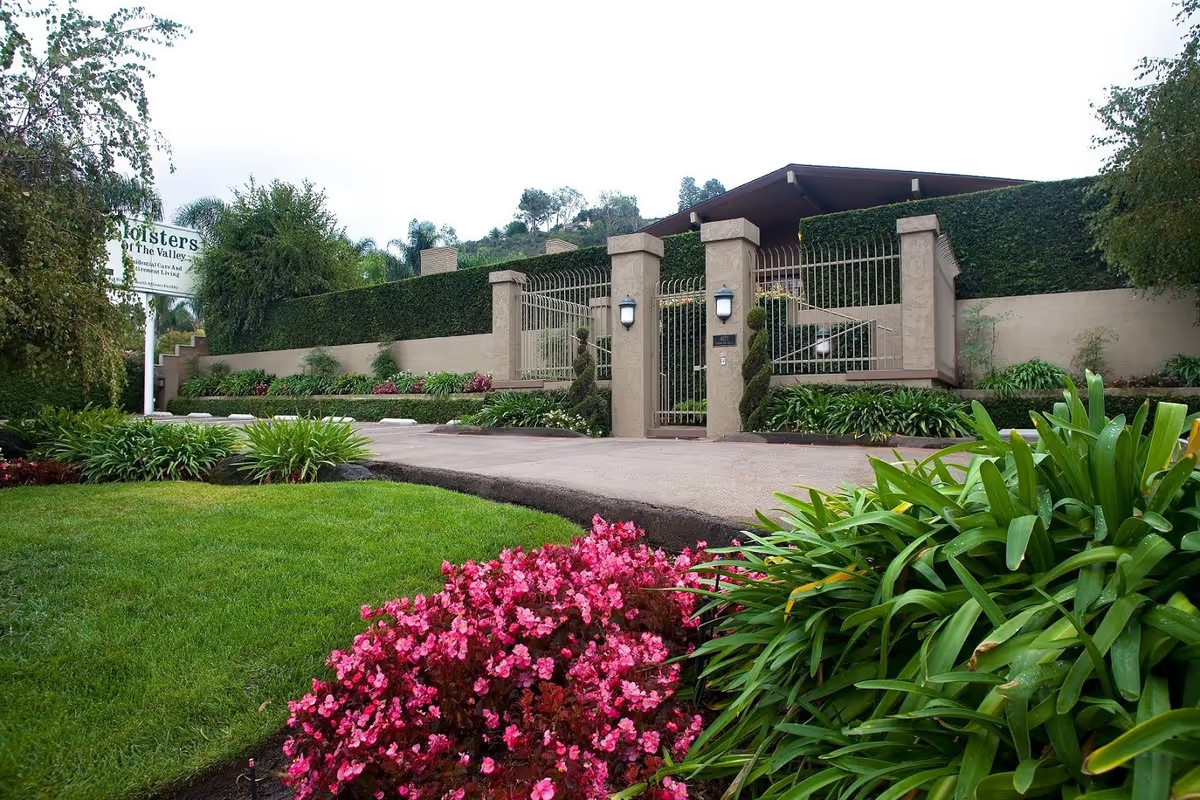
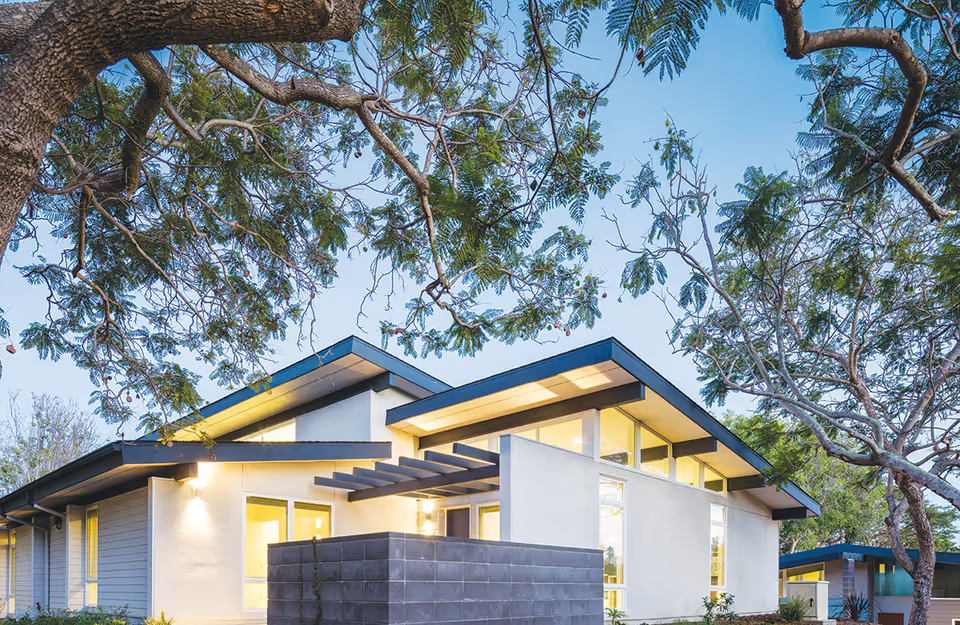
Facilities and accessibility: Resident rooms are generally described as clean and comfortable, with private-room options and personal TVs in some units. However, many rooms are small or shared, with shared bathrooms in some configurations, producing a sense of crowding. Bathing facilities were characterized as outdated and less accessible, and hallways or circulation spaces were identified as cramped for wheelchair maneuvering. There are also isolated odor concerns reported in dining or common areas that warrant targeted sanitation or ventilation review, despite overall generally good sanitation in living spaces.
Notable patterns and recommendations: The dominant positive theme is compassionate, clinically capable staff and good rehabilitation services. The dominant operational themes are inconsistent direct-care aide responsiveness (particularly at night), medication and discharge coordination shortcomings, limited meal options for some residents, and physical-space constraints that affect accessibility and visitation. Prospective residents and families should weigh the strong clinical and rehabilitative care against these operational limitations; management attention to CNA staffing levels, medication workflow, dining variety, and modest facility upgrades (bath/shower accessibility, expanded visitor space) would likely produce the most immediate improvements in resident experience.